
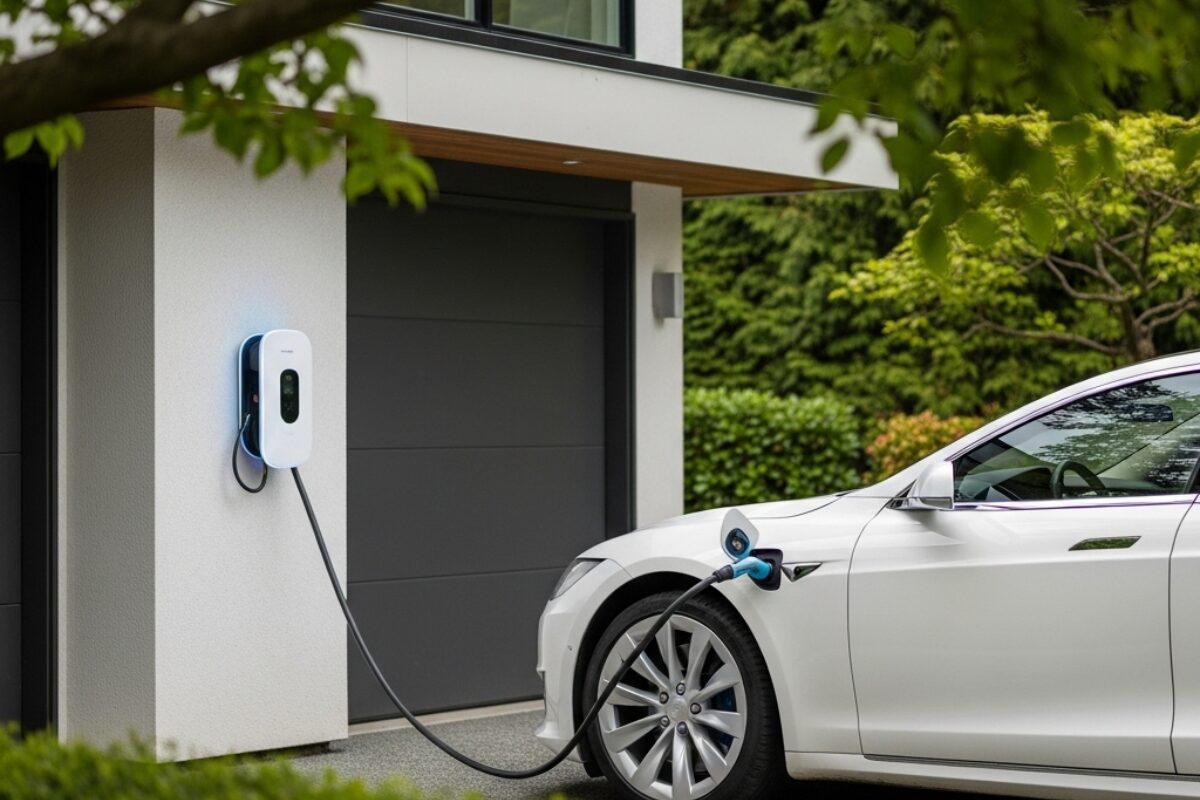

Electric vehicles (EVs) are rapidly gaining traction in Vancouver, Burnaby, and across Canada. This surge in adoption is driven by a combination of environmental, economic, and technological factors. As climate change becomes an increasingly pressing concern, many individuals and businesses are turning to EVs as a way to reduce their carbon footprint. Electric vehicles produce zero tailpipe emissions, making them a cleaner alternative to traditional gasoline-powered cars and contributing to improved air quality in urban areas.
Financial considerations also play a key role. Although the initial purchase price of an EV can be higher than that of a conventional vehicle, the ongoing costs are often much lower. Electricity is generally cheaper than gasoline, and EVs have fewer moving parts, which reduces maintenance expenses over the vehicle’s lifespan. These long-term savings are appealing to cost-conscious property owners seeking efficient transportation solutions.
Technological advancements in battery capacity, charging speed, and vehicle range have made EVs more practical and accessible than ever before. Modern EVs can travel further on a single charge and recharge faster, alleviating earlier concerns about range anxiety. Additionally, government policies and incentives, such as rebates and grants, are making it easier for individuals and businesses to transition to electric vehicles. Collectively, these factors are fueling the rise of EVs and shaping the future of transportation in the region.
Understanding the Different Types of EV Chargers
As electric vehicles become more common, understanding the types of chargers available is essential for anyone considering this transition. EV chargers are the bridge between your vehicle and the electrical grid, replenishing the battery that powers your car. There are two primary categories of chargers: Level 1 and Level 2, each catering to different needs and scenarios.
Level 1 chargers operate at 120 volts and are typically included with every electric vehicle purchase. They use a standard household outlet—the same one you might plug a lamp or laptop into—making them incredibly convenient for basic charging needs. However, their charging speed is relatively slow, which may not be suitable for everyone.
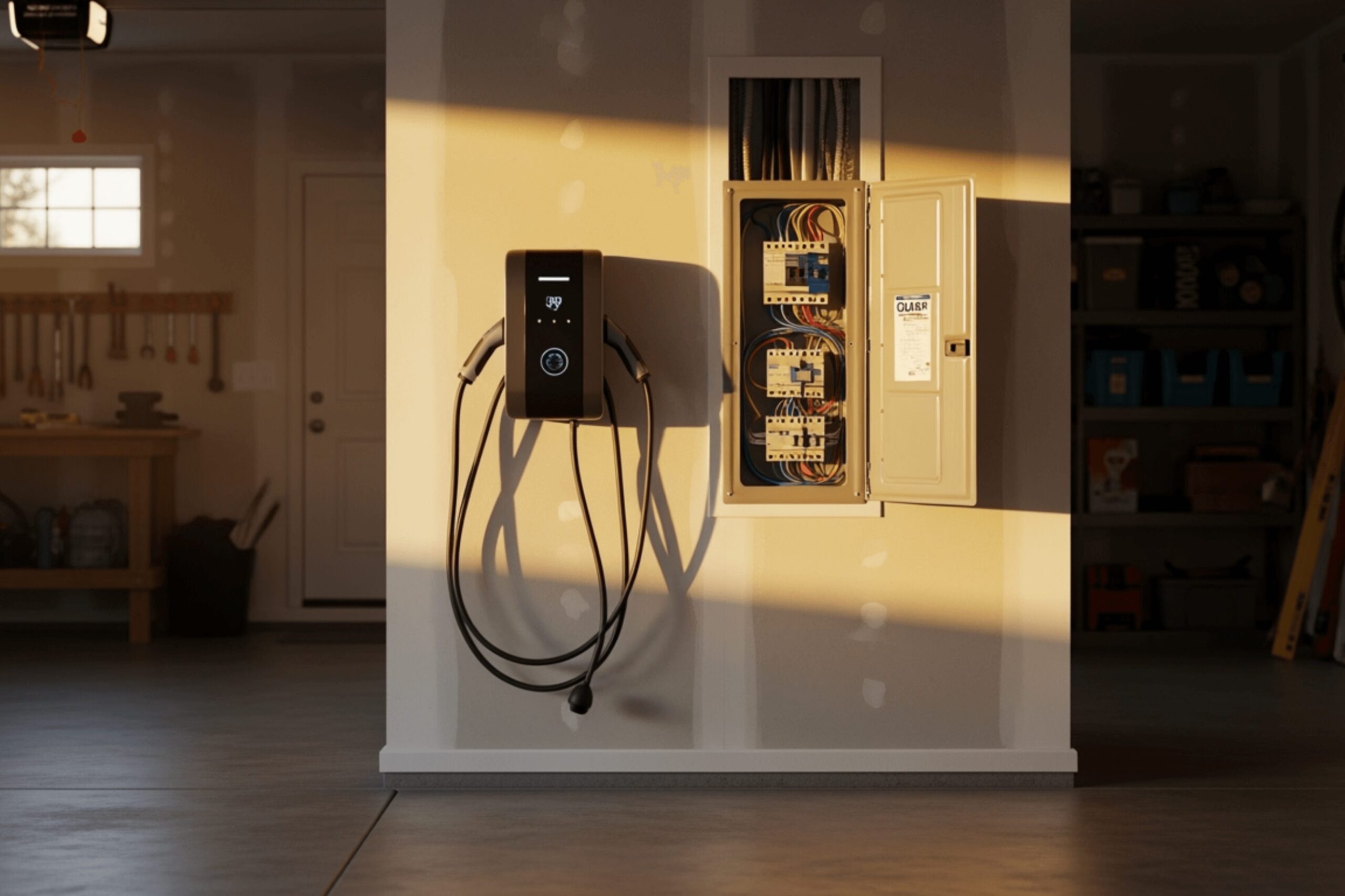
Level 2 chargers, in contrast, operate at 240 volts, similar to large home appliances like dryers or ovens. These chargers require a dedicated outlet or hardwired installation and provide significantly faster charging times. Level 2 chargers are the go-to option for most home installations and are the standard at public charging stations.
Selecting the right charger depends on your driving habits, daily range needs, and available infrastructure at your property. Understanding these distinctions is the first step in ensuring a seamless and efficient EV ownership experience.
Level 1 vs. Level 2 Charging: What’s Right for Your Needs?
Choosing between Level 1 and Level 2 charging solutions is a pivotal decision for new EV owners. Level 1 chargers, operating at 120 volts, are included with every electric vehicle and can be plugged into any properly grounded three-prong wall socket. This makes them highly accessible but also the slowest option—typically adding about 5–8 kilometers of range per hour of charging. For those with short daily commutes or overnight charging habits, Level 1 may suffice.
Level 2 chargers, using 240 volts, deliver at least twice the charging speed of Level 1. They can add 25–40 kilometers of range per hour, making them ideal for those who drive longer distances or want the convenience of rapid charging at home. However, installing a Level 2 charger usually requires a dedicated circuit and may involve upgrading your electrical panel, especially in older homes or buildings.
When deciding which option best fits your needs, consider your vehicle’s battery size, typical driving patterns, and whether your property’s electrical system can support a higher-voltage installation. Safety is paramount—both types of chargers include built-in safety features, but professional installation is recommended for Level 2 chargers to ensure compliance with local codes and to protect your investment. Consulting with a licensed electrician can help identify the optimal solution for your circumstances.
Exploring Charging Locations: Home, Work, and Public Stations
Where you charge your electric vehicle can significantly influence your overall ownership experience. For most EV owners, the home is the primary charging location. Overnight charging is convenient and takes advantage of lower electricity rates typically offered during off-peak hours, allowing your vehicle to be fully charged and ready each morning.
Workplace charging is an emerging trend, as businesses in Vancouver and Burnaby install EV charging stations for employees. This not only supports the shift to sustainable transportation but also demonstrates a company’s commitment to reducing its carbon footprint. Employees benefit from added convenience, while employers may see improvements in staff satisfaction and retention.
Public charging infrastructure is expanding rapidly, with thousands of stations now available across Canada. These stations—most commonly equipped with Level 2 chargers—are strategically located in shopping centers, parking lots, and along major travel routes. Modern smartphone apps and online maps enable users to quickly locate nearby charging points, check real-time availability, and even plan routes based on charger locations.
By understanding the advantages and limitations of home, work, and public charging, property owners can make informed decisions about their EV charging needs and ensure uninterrupted mobility.
Incentives, Rebates, and Support for EV Charger Installation
Transitioning to electric vehicles and installing charging infrastructure is becoming more affordable thanks to a variety of incentives and support programs. In British Columbia, the Plug In BC Rebate Program is a notable example, offering rebates for the purchase and installation of eligible EV charging equipment. These financial incentives can significantly reduce upfront costs for both residential and commercial properties.
Beyond rebates, support services are available to assist property owners with planning, selecting, and installing the right charging solution. These services often include site assessments, recommendations on charger types, and guidance through the permitting process. This ensures that installations meet safety codes and local regulations while maximizing efficiency and convenience.
The application process for rebates typically involves submitting proof of purchase and installation, along with documentation showing compliance with program requirements. It’s important to review eligibility criteria carefully, as incentives may vary depending on property type, equipment model, and installation method.
Since government programs and incentives can change over time, staying informed through official channels and reputable industry resources is crucial. Taking advantage of these opportunities can make the transition to electric vehicles both cost-effective and straightforward for property owners.
Ensuring Safe and Efficient Electrical Installations for EV Charging
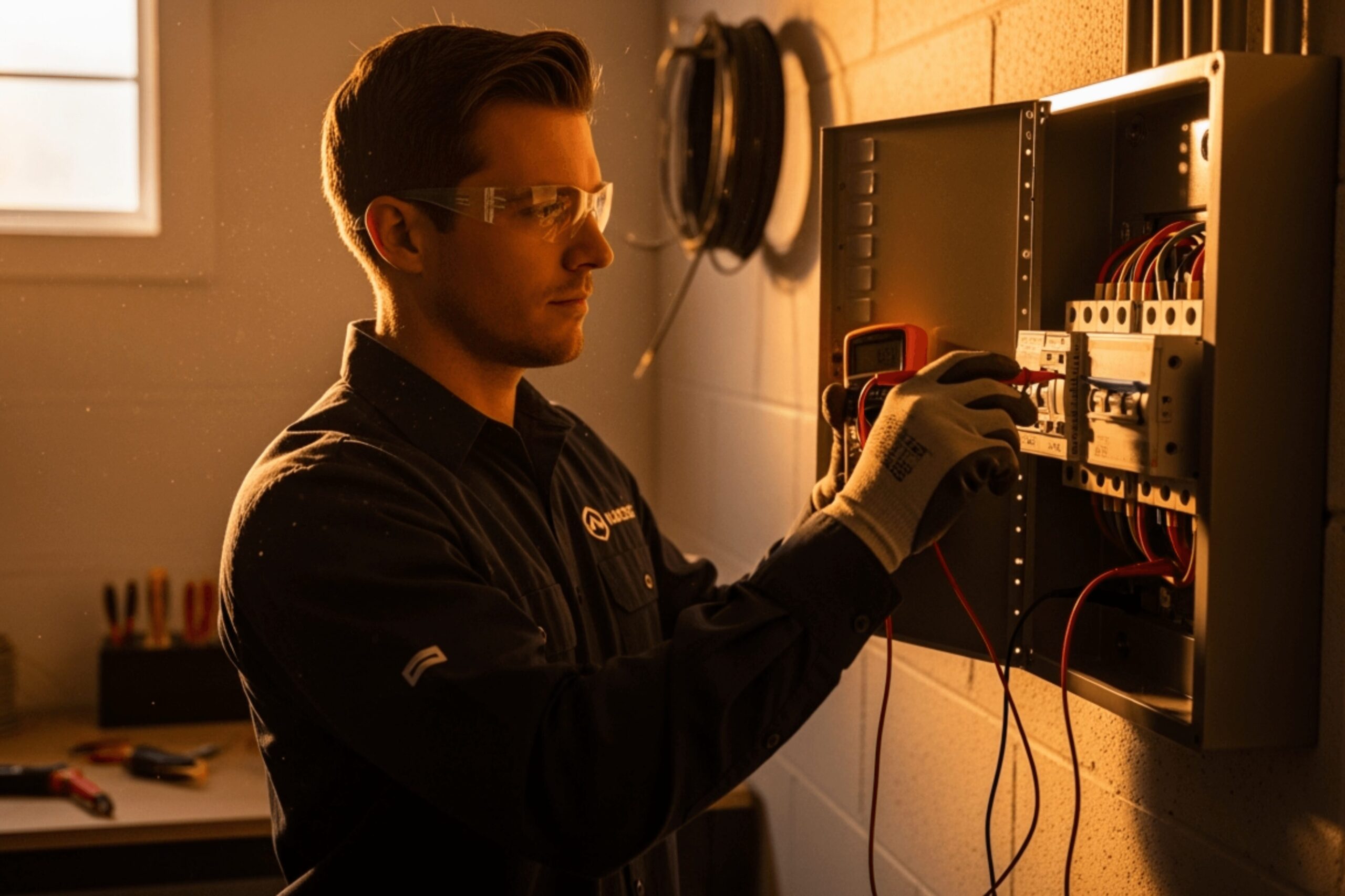
The installation of an EV charger is a significant electrical upgrade that demands careful planning and expertise. Engaging a licensed and experienced electrician is vital to ensure the installation is safe, efficient, and compliant with current codes. A thorough assessment of your property’s existing electrical system is the first step, as older homes or commercial buildings may need rewiring, circuit upgrades, or panel replacements to accommodate the increased load of a Level 2 charger.
Compliance with local and national safety standards is non-negotiable. Certified electricians will secure the necessary permits, perform safety checks, and install equipment to manufacturer specifications. This approach not only safeguards your property but also protects occupants and minimizes the risk of electrical hazards such as short circuits or overloads.
A safe installation process typically includes evaluating the best location for the charger, verifying grounding and current strength, and adding protective elements if the charger is installed outdoors. Regular maintenance checks are recommended to ensure ongoing reliability, especially in high-use environments.
Finally, having access to electrical services is invaluable if issues arise—such as power outages, surges, or malfunctioning equipment. By prioritizing professional installation and maintenance, property owners can enjoy the benefits of EV ownership while ensuring their electrical infrastructure remains safe, robust, and future-ready.