

Planning Electrical Work for General Renovations: Safety, Codes, and Load Requirements
Careful planning is the cornerstone of any successful electrical renovation, whether you’re updating a home, office, or industrial facility. Failing to address electrical needs early can lead to costly changes or even safety hazards down the road. It’s crucial to consider not just what’s needed today, but also anticipate future demands—from new appliances to electric vehicle chargers and smart home systems.
Every electrical project in Burnaby, Vancouver, and across Canada must comply with the Canadian Electrical Code and local municipal bylaws. These codes ensure installations are safe, reduce fire risks, and protect both people and property. Requirements cover everything from the number of circuits and outlets to GFCI protection in wet areas. Skipping code compliance can result in failed inspections, fines, or insurance issues.
Another important step is assessing your power needs. Modern homes and businesses have more devices and higher energy consumption than ever before. Planning for adequate wiring, dedicated circuits for high-demand appliances, and room for expansion is essential. This means evaluating your current electrical panel’s capacity and preparing for upgrades if necessary.
Hiring licensed and insured electricians is not just a recommendation—it’s a necessity for safety, legality, and quality. Professionals understand how to design systems that balance current use with future growth, while delivering workmanship that will stand the test of time. Each sector—residential, commercial, or industrial—has unique requirements, so working with experts means these needs will be addressed from the start.
Wiring Essentials: Circuits, Outlets, and Dedicated Lines for Modern Living
Modern lifestyles rely on robust, safe, and flexible wiring systems. The foundation starts with understanding the different types of electrical circuits. General circuits power everyday outlets, while dedicated lines serve major appliances—think ranges, dryers, or electric vehicle chargers. Newer code standards may also require special safety circuits, such as GFCI (ground fault circuit interrupter) outlets in kitchens and bathrooms, and AFCI (arc fault circuit interrupter) protection in living areas to prevent electrical fires.
Strategic placement of outlets saves headaches and reduces the need for extension cords, which can be fire hazards. In living rooms, kitchens, and workspaces, it’s wise to plan for more outlets than you think you’ll need. Dedicated circuits ensure that high-demand appliances operate safely without tripping breakers or overloading the system.
Wiring must be routed and secured to prevent damage, interference, or accidental contact. Clear labeling of breakers and circuits in the panel makes future troubleshooting and repairs much easier. If you’re renovating an older building, it’s likely the wiring isn’t up to today’s standards. Upgrading to modern copper wiring, replacing outdated panels, and ensuring adequate grounding protects your investment and your safety.
Whether you’re planning a cozy home office or a busy commercial kitchen, investing in quality wiring tailored to your needs is a decision that pays off in reliability, flexibility, and peace of mind.
Lighting Solutions That Work: Layered Lighting, Controls, and Energy Efficiency
Good lighting transforms spaces, boosts productivity, and creates ambiance. The key is a layered lighting approach, combining ambient (general) lighting with task-specific and accent illumination. In kitchens, for example, overhead fixtures provide general lighting, while under-cabinet strips illuminate work surfaces, and pendant lights add decorative flair.
Choosing the right fixtures ensures each area is functional and inviting. Bright, flicker-free LED panels are ideal for offices and workshops, while cozy bedrooms benefit from softer, warmer bulbs. In commercial spaces, uniform lighting helps reduce eye strain and increase efficiency.
Modern lighting controls bring both convenience and energy savings. Install dimmers to adjust brightness for different activities. Timers and smart switches let you automate schedules, while occupancy sensors ensure lights only operate when needed—ideal for hallways, bathrooms, or meeting rooms.
LED technology is now the gold standard for efficiency and longevity, using a fraction of the energy of traditional bulbs and lasting for years. For outdoor spaces, landscape lighting can improve security, highlight architectural features, and extend the usable hours of patios or gardens. Weatherproof fixtures and low-voltage systems are safe, efficient options for illuminating driveways, walkways, and entryways.
Investing in thoughtful lighting design not only cuts electricity costs but also enhances comfort, safety, and property value.
Integrating New Technologies: EV Charger, Heat Pump and AC Wiring, Backup Power, and Panel Upgrades
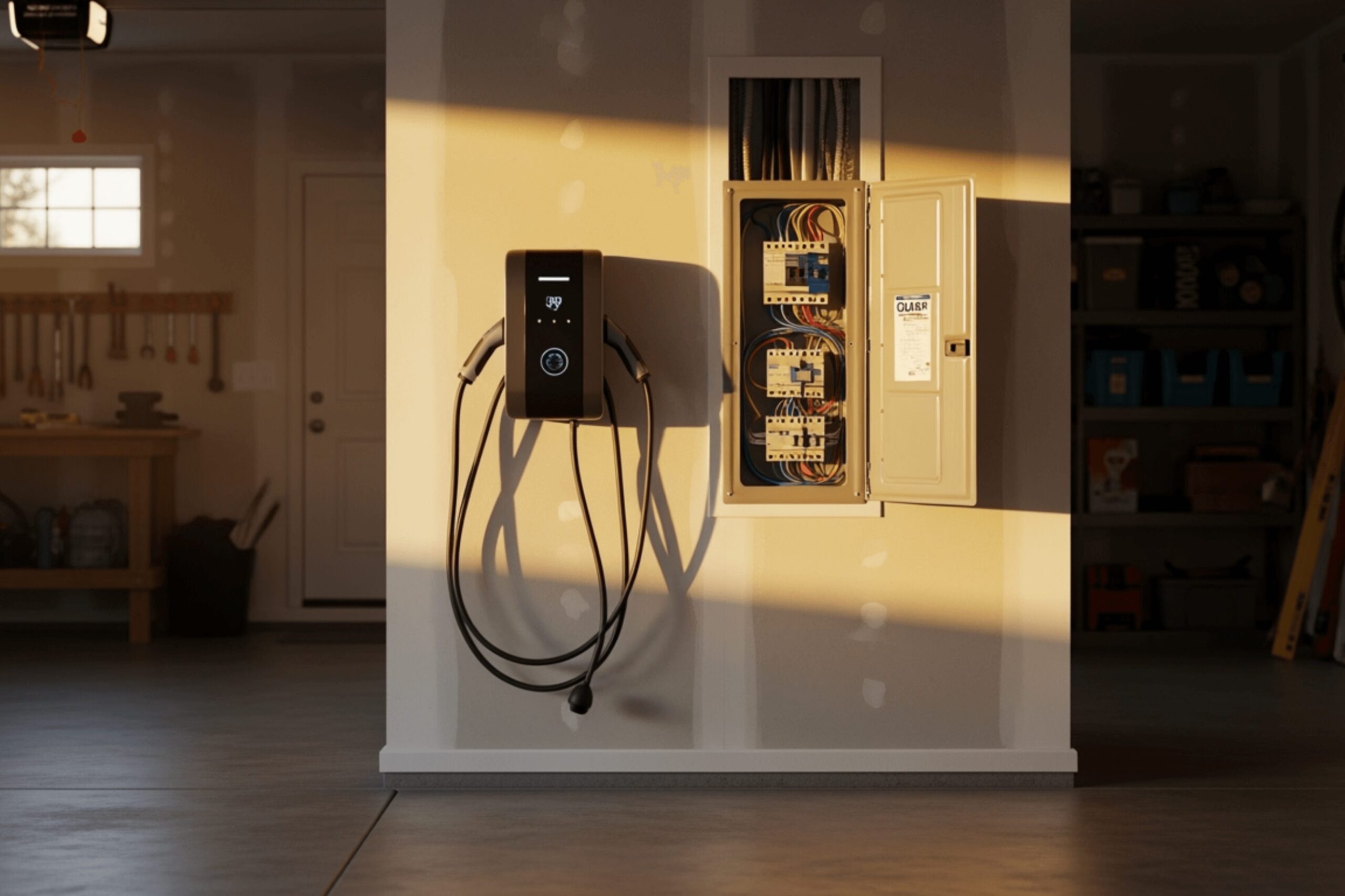
The rapid pace of technological change means today’s electrical systems need to be adaptable. One of the most sought-after upgrades is electric vehicle (EV) charging infrastructure. Installing a dedicated, properly-rated circuit ensures safe and reliable charging, and future-proofs your property for the inevitable rise of electric vehicles.
Climate control systems like heat pumps and air conditioners demand specialized wiring. These appliances draw significant power and often require their own circuits, disconnects, and adequate load capacity. Proper installation ensures not only efficiency but also compliance with warranty requirements and local codes.
To protect your property from unexpected outages, backup generators offer peace of mind. Safe integration involves wiring transfer switches that automatically or manually shift power from the utility to the generator—essential for keeping critical systems running during blackouts.
As you add more devices and appliances, your electrical panel must be able to keep up. Older panels may lack the capacity or safety features needed today. Upgrading your service panel allows for additional circuits, better overload protection, and compatibility with modern technology.
All these enhancements share a common goal: future-proofing your electrical system. Planning for today’s needs with an eye on tomorrow—whether it’s more EVs, smart home automation, or new business equipment—ensures your renovation investment remains valuable and functional for years to come.
Final Safety Checks and Maintenance: Inspections, Testing, and Long-Term Reliability
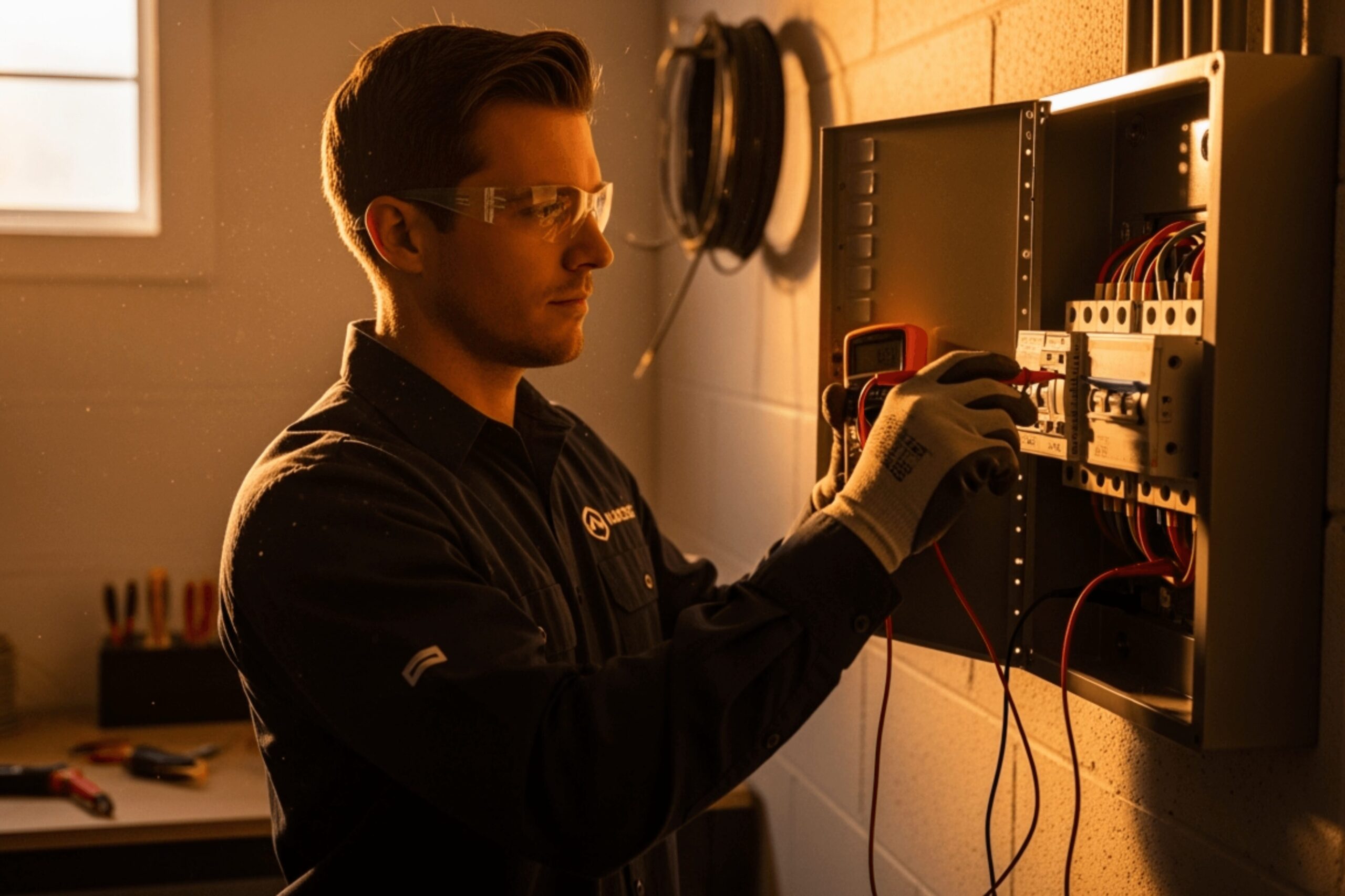
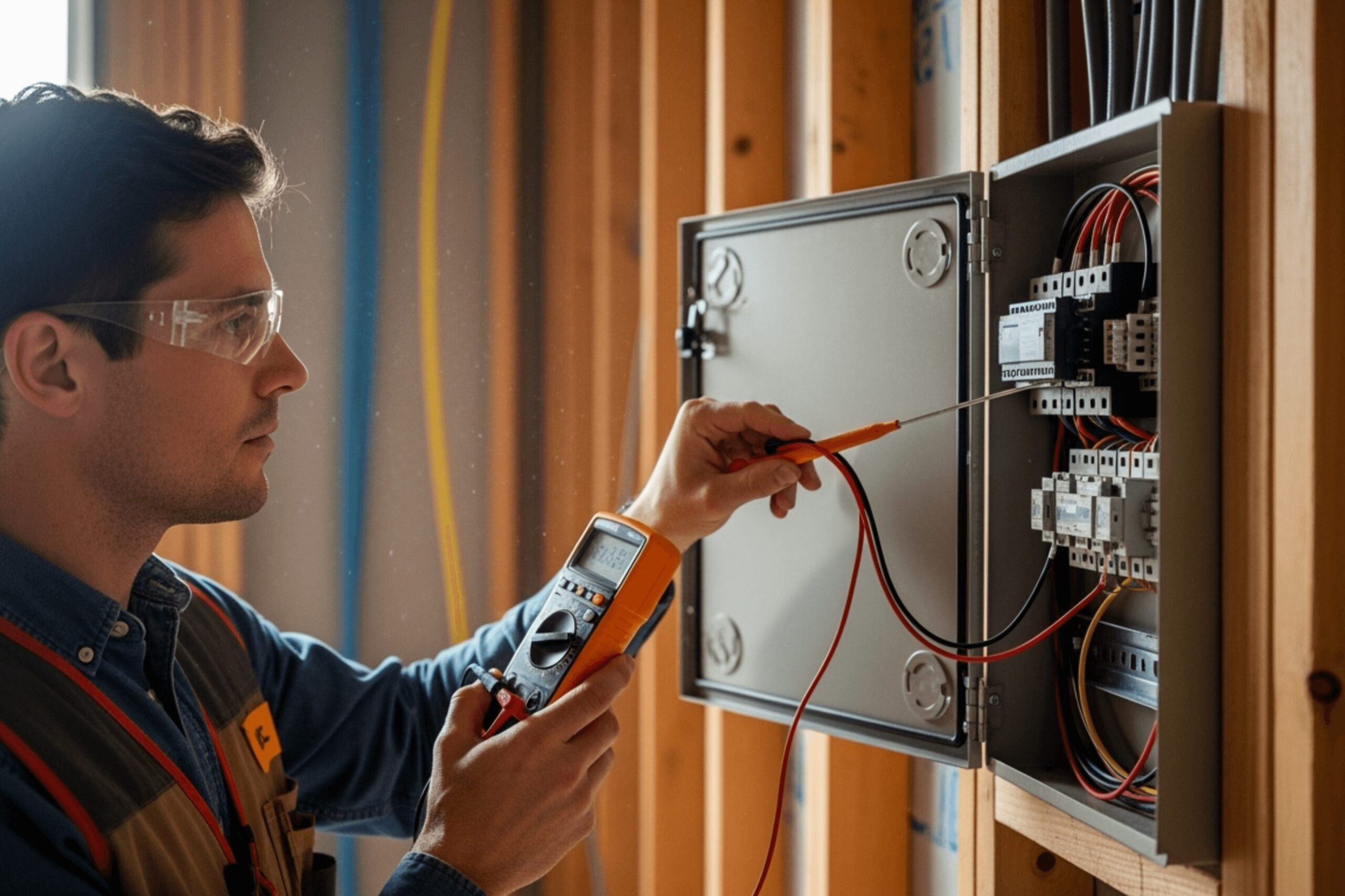
The work doesn’t stop once wires are tucked away and fixtures are installed. Final safety checks are vital to confirm that every part of your new or upgraded electrical system functions as intended. Licensed electricians will conduct thorough inspections, ensuring compliance with codes and that all connections, panels, and devices are secure.
Testing is the next critical step. All outlets, switches, and breakers are evaluated for correct operation. GFCI and AFCI devices are tested for proper protection, and backup power systems undergo simulated outage scenarios to ensure seamless functionality. Emergency lighting and alarms, particularly in commercial or industrial settings, must be verified for readiness.
Proper documentation and clear labeling of electrical panels, circuits, and major equipment save time and reduce errors during future maintenance or troubleshooting. Keeping a record of major upgrades and device manuals in an accessible location is a smart move.
Routine electrical maintenance can catch small issues before they become major problems. This includes checking for signs of wear, loose connections, tripped breakers, or flickering lights. Regular professional inspections are especially important for older buildings, high-demand commercial environments, or after any major renovation.
If you ever notice persistent electrical problems—frequent breaker trips, unusual odors, sparks, or overheating outlets—it’s essential to consult a qualified professional immediately. Safe, well-maintained electrical systems are the key to comfort, productivity, and long-term peace of mind in any building.