

When embarking on a home renovation, electrical planning should be one of your top priorities. Unlike cosmetic upgrades, the decisions you make about wiring, circuits, and power distribution impact not only how your home looks, but how it functions for years to come. Today’s homes rely heavily on technology—from smart thermostats and security cameras to advanced kitchen appliances and charging stations for electric vehicles. Without thoughtful electrical planning, it’s easy to end up with insufficient outlets, overloaded circuits, or outdated wiring that can’t support your lifestyle.
Careful electrical planning also plays a pivotal role in your home’s safety. Upgrading wiring and panels minimizes the risk of electrical fires and ensures your renovation complies with modern safety standards. Beyond safety, a well-planned electrical system enhances energy efficiency by supporting advanced lighting, automation, and efficient appliances. This can lower utility bills and make your home more attractive to future buyers. Moreover, integrating electrical considerations early in your plans allows for greater design flexibility, making it easier to create open, well-lit, and functional living spaces.
Neglecting electrical planning can lead to expensive changes mid-renovation or, worse, safety issues that go unnoticed until a problem arises. By making electrical considerations a core part of your renovation strategy, you lay the groundwork for a safer, more functional, and future-ready home.
Evaluating Your Existing Wiring and Electrical Capacity
Before any renovation begins, it’s crucial to take stock of your home’s existing electrical system. Many older homes in Burnaby and Vancouver may still have original wiring or panels that aren’t equipped to handle the demands of modern living. Begin by evaluating the condition of your wiring, outlets, and circuit breakers. Look out for signs of wear, such as frayed wires, discoloured outlets, or frequently tripping breakers—these can signal underlying safety risks.
A comprehensive assessment should also include determining whether your current electrical panel and circuits can support additional loads from new lighting, appliances, or heating and cooling systems such as heat pumps and air conditioners. For example, adding a new kitchen suite or installing energy-intensive devices may require more capacity than your system can safely provide.
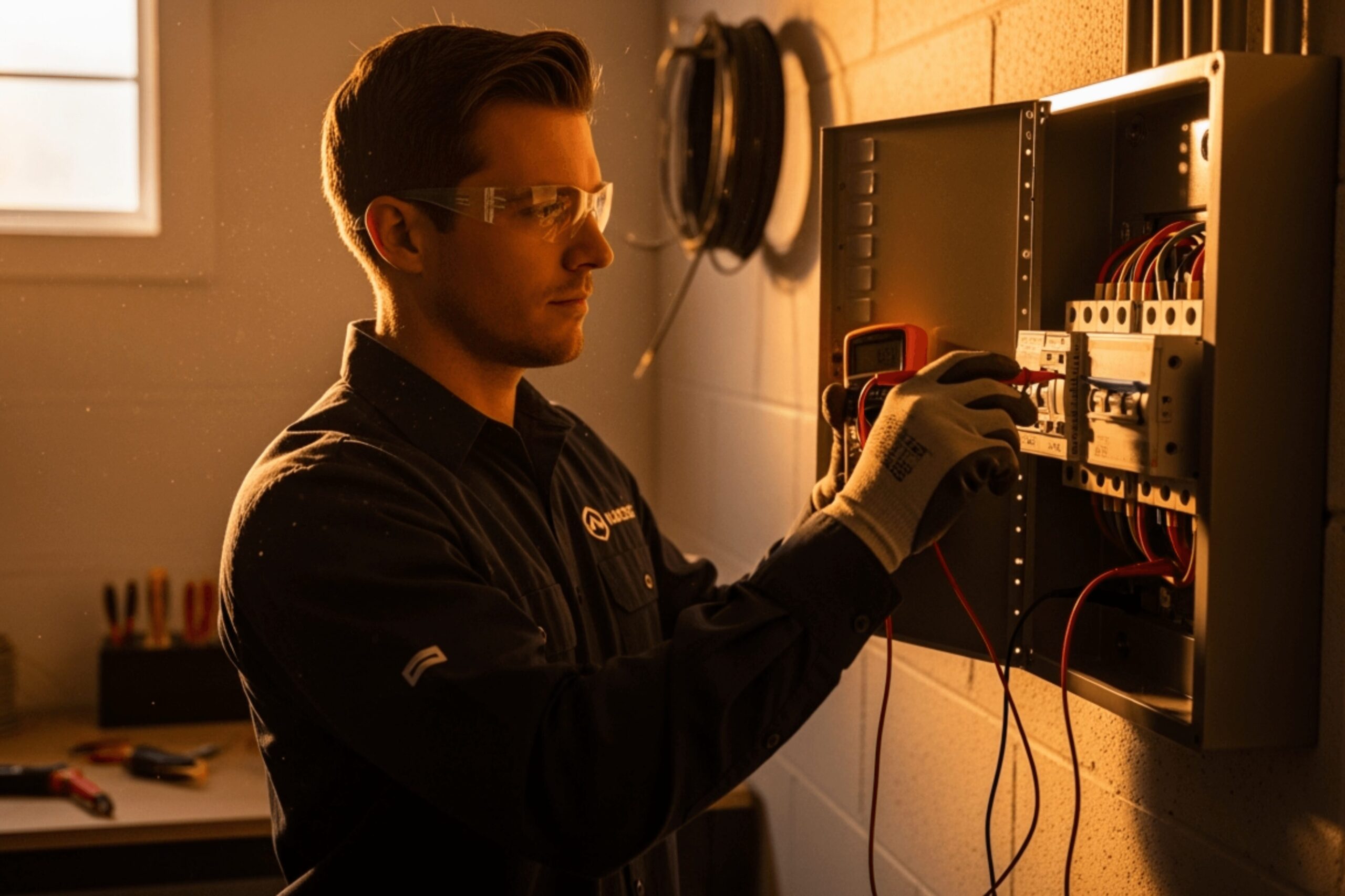
Because electrical codes and standards are regularly updated, it’s wise to consult a licensed electrician. Professionals have the expertise and tools to identify outdated components, recommend necessary upgrades, and ensure your system is compliant with local regulations. This step is essential not only for safety, but also for passing future inspections and protecting your investment. Addressing these issues early allows you to integrate necessary upgrades into your renovation project, avoiding surprises and ensuring your home is ready for the next phase.
Preparing for Modern Power Demands and Technology
The evolution of home technology has dramatically increased power demands. From streaming devices and home theaters to smart fridges and integrated security systems, today’s households require robust electrical infrastructure. A key aspect of successful remodeling is anticipating these needs—not just for today, but for the future as well.
Start by listing all current and planned devices, considering power-hungry items like induction cooktops, multiple screens, or dedicated home office equipment. This will help you and your electrician determine how many new circuits and outlets you’ll need, and where they should be located for maximum convenience and flexibility.
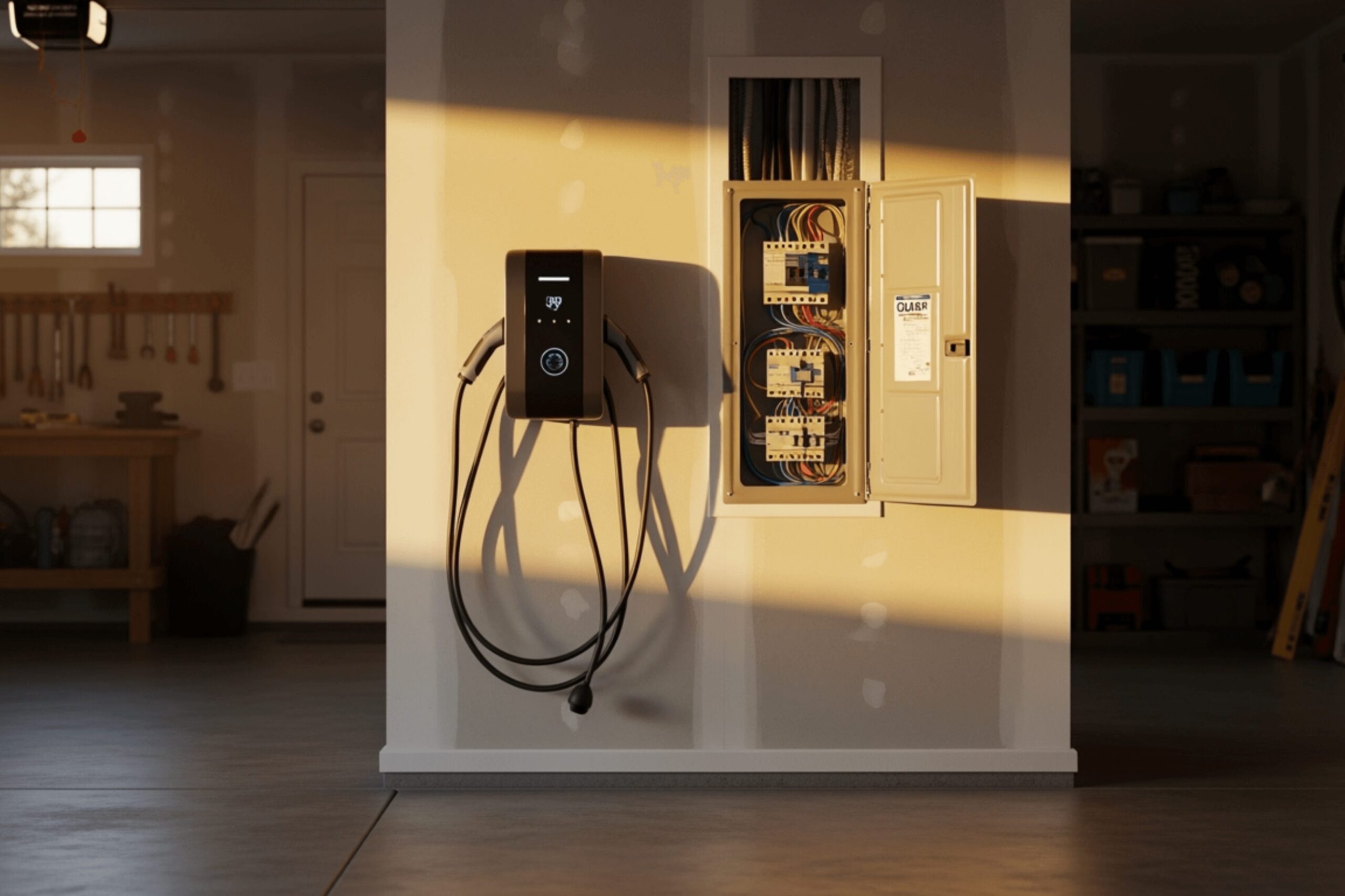
Upgrading your electrical panel is often necessary to accommodate these higher loads. If your current setup maxes out at 100 amps, but your renovation plans include an electric vehicle (EV) charger, additional air conditioning, or a heat pump, a panel upgrade to 200 amps or more may be required. This not only prevents overloading and frequent tripping but also ensures your system runs efficiently.
By planning for these power demands in advance, you’ll avoid the headaches of insufficient capacity or the need for disruptive upgrades later. An electrical system designed with modern living in mind supports smooth, safe, and efficient operation of all your home’s technology.
Ensuring Safety: Upgrading Outlets and Panels
Safety should always be at the forefront of any electrical upgrade, especially during a home remodel. One of the most important improvements you can make is the installation of Ground Fault Circuit Interrupter (GFCI) outlets. These outlets are designed to protect against electrical shocks in areas where water and electricity may come into contact, such as kitchens, bathrooms, laundry rooms, and outdoor spaces. GFCIs cut off power instantly if they detect a ground fault, drastically reducing the risk of injury.
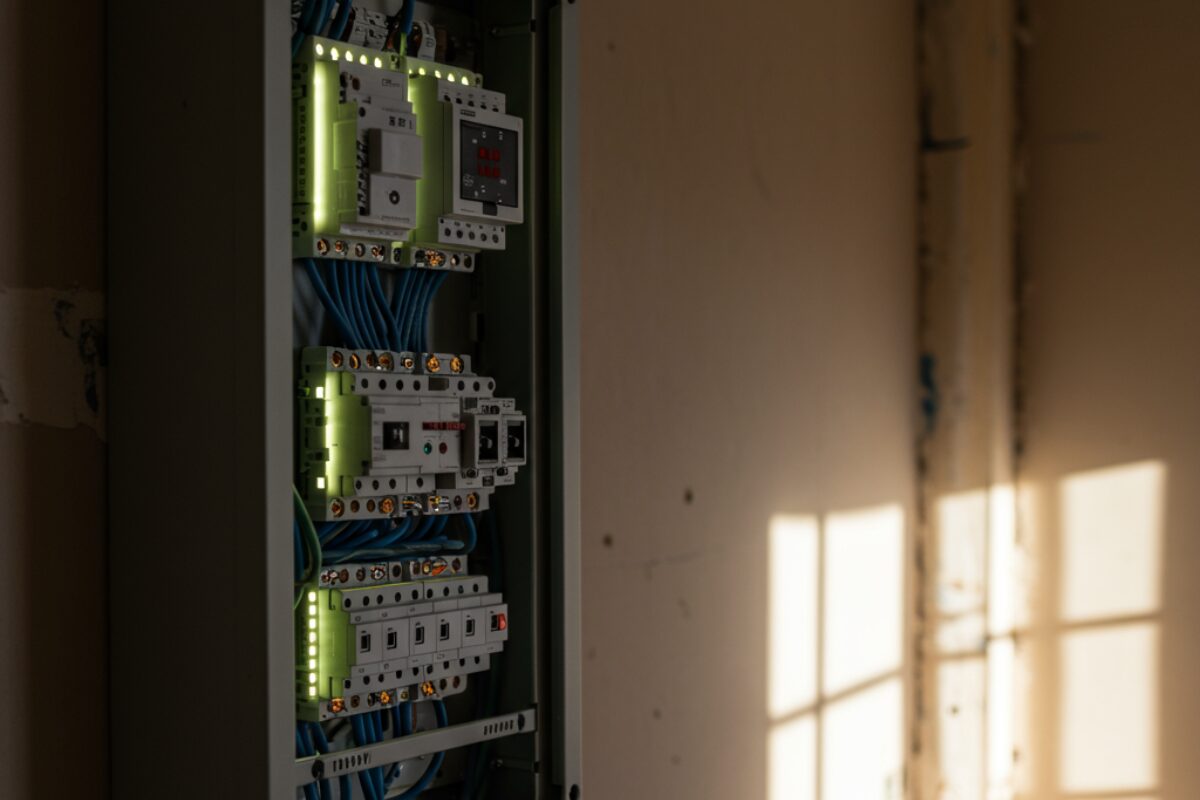
Another critical safety upgrade is ensuring your electrical panel is up to date. An old or undersized panel can be a serious fire hazard, especially when pushed beyond its intended capacity by new appliances or HVAC systems. Replacing or upgrading your panel as part of a renovation ensures that your home’s electrical foundation is strong, reliable, and compliant with modern codes.
Don’t overlook the condition of your outlets and switches. Over time, these can become worn, loose, or damaged, creating potential shock or fire hazards. Installing tamper-resistant outlets is also a smart move for homes with children. By prioritizing these safety upgrades, you protect your family and investment, while also ensuring your renovation passes inspection and meets all legal requirements.
Boosting Efficiency with Modern Lighting and Appliances
A successful home renovation is about more than just appearances—it’s also about how efficiently your space operates. Upgrading to LED lighting is one of the simplest ways to reduce energy consumption. LEDs use a fraction of the energy of traditional bulbs, last much longer, and are available in a range of styles to suit any décor.
Beyond lighting, selecting energy-efficient appliances can significantly lower your utility bills. Look for appliances with the ENERGY STAR label, which indicates they meet strict efficiency standards. Integrating smart thermostats and home automation systems can further optimize your energy use, allowing you to control heating, cooling, and lighting remotely for maximum convenience and savings.
Don’t underestimate the impact of a well-designed lighting plan. Layering ambient, task, and accent lighting creates a versatile environment that enhances both function and mood. For example, under-cabinet lighting in the kitchen improves safety and visibility, while dimmable living room fixtures add ambiance for entertaining or relaxing.
By focusing on efficiency during your renovation, you not only save money and reduce your environmental footprint, but also create a more comfortable, adaptable living space.
Future-Proofing Your Home: EV Chargers, Heat Pumps, and More
As technology continues to evolve, future-proofing your home is a wise investment. Even if you don’t own an electric vehicle or plan to install solar panels right away, pre-wiring for these upgrades during your renovation can save significant time and money later. Running the necessary cables and conduits while walls are open allows you to adapt your home to emerging technologies without the need for disruptive construction in the future.
Similarly, if you’re considering a heat pump or upgraded air conditioning, ensure your electrical system can handle the additional load. This may involve installing dedicated circuits or upgrading your service panel. Planning for these needs now ensures your home will be comfortable and efficient as your requirements change.
Don’t forget about data and communication lines. With more devices relying on high-speed internet, running extra Ethernet or fiber optic cables can improve performance and reliability for streaming, remote work, or smart home systems.
By thinking ahead, you position your home to easily accommodate new technology, expansions, or energy-saving solutions as they become available, making your investment more resilient and adaptable for the long term.
Working with Professionals for Reliable Results
No matter how extensive your renovation plans are, working with qualified professionals is essential for safe and successful outcomes. Licensed electricians bring the expertise needed to design, install, and upgrade electrical systems that meet the latest codes and safety standards. They can assess your specific needs, recommend the best solutions, and help you avoid costly mistakes that can arise from DIY attempts or inexperienced contractors.
Professionals also provide peace of mind by ensuring every aspect of your electrical system is properly installed and thoroughly tested. They coordinate with other trades to avoid conflicts with plumbing, HVAC, or structural elements, and they can offer insights on the latest energy-efficient technologies and smart home features.
Choosing to partner with experienced electricians means your renovation project runs smoothly from start to finish. Comprehensive planning and expert execution minimize disruptions and help ensure your remodeled space is reliable, safe, and tailored to your lifestyle—today and in the years to come.
Bringing It All Together: The Value of Thoughtful Electrical Upgrades
Thoughtful electrical planning is the backbone of any successful home renovation. By evaluating your current systems, preparing for increased power demands, prioritizing safety, and investing in energy-efficient solutions, you create a living space that’s not only beautiful but also functional, safe, and ready for the future.
These upgrades allow your home to keep pace with advancements in technology and shifts in how we live—whether that means charging an electric vehicle, adding a heat pump, or simply enjoying a well-lit, energy-efficient environment. Careful planning ensures your investment stands the test of time, adapts to new opportunities, and supports the needs of your family or business.
Ultimately, integrating electrical considerations into your renovation process isn’t just about meeting today’s requirements; it’s about building a foundation for years of comfort, safety, and innovation. By making these decisions with the guidance of experienced professionals, you maximize the value and enjoyment of your home or property for decades to come.