



Building a Strong Electrical Foundation: Why It Matters for New Homes
Establishing a robust electrical foundation is one of the most critical steps in new home construction. A well-designed system is not just about powering lights and appliances—it’s the backbone that ensures your household runs smoothly, safely, and efficiently. By prioritizing quality wiring and thoughtful design from the outset, homeowners can significantly reduce the risk of electrical fires, shocks, and costly repairs down the road.
Modern lifestyles require more power than ever, with households relying on a growing array of electronics, smart home devices, and high-efficiency appliances. Without a properly planned electrical system, you may experience frequent circuit overloads, inconveniently placed outlets, or difficulty adding new devices and upgrades in the future. A solid electrical infrastructure allows for straightforward enhancements, such as wiring upgrades, lighting upgrades, or adding a fire alarm system, all of which contribute to a safer and more functional living space.
Additionally, homes built to comply with the latest electrical codes are more attractive to buyers, making a well-executed electrical system a valuable investment. Ensuring your new home’s wiring meets or exceeds local requirements provides peace of mind, knowing your family and property are protected by the highest safety standards.
Strategic Planning for Modern Electrical Infrastructure
Effective electrical planning begins with a comprehensive assessment of your household’s current and anticipated needs. Consider how you’ll use each room: Which areas require extra outlets for electronics or charging stations? Where will you need dedicated circuits for heavy appliances or a future transformer installation? Mapping these requirements early ensures your electrical layout supports both everyday living and future upgrades, including tenant improvement projects or general electrical services.
Strategic placement of outlets, lighting, and switches enhances convenience and functionality. For example, adding USB outlets in bedrooms and home offices makes device charging effortless, while dimmer switches in living areas provide customizable ambiance and energy savings. Planning accent, task, and ambient lighting ensures each space is both practical and inviting.
Don’t overlook the integration of smart home technologies, such as programmable thermostats, smart lighting, or an automatic transfer switch for backup power. These features not only boost comfort and efficiency but also enhance your home’s resale value. Working closely with licensed electricians ensures your system meets Sudbury’s stringent codes, paving the way for a safe, future-ready home.
Essential Components: From Service Panels to Smart Wiring Upgrades
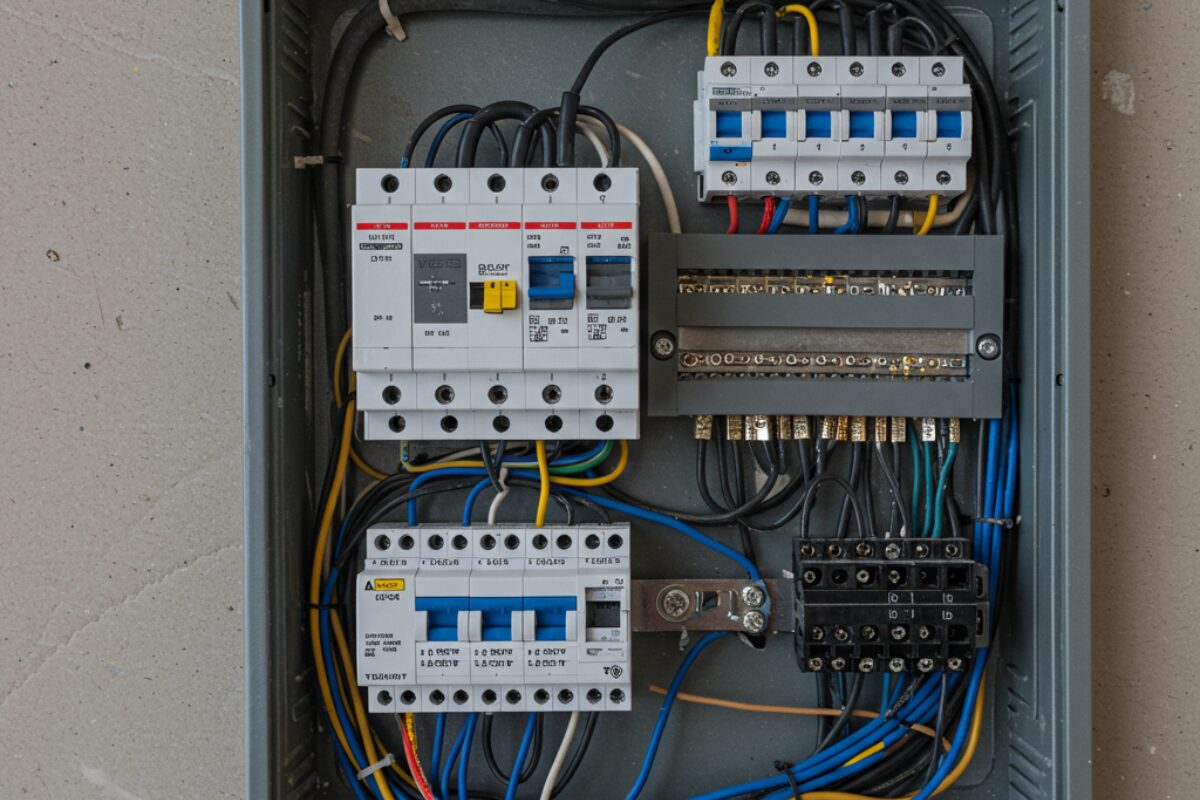
Understanding the key components of a modern home’s electrical system empowers homeowners to make informed decisions. At the heart of your system is the service panel, sometimes called the breaker box. This central hub distributes power throughout your home and should be easily accessible, with enough capacity to accommodate future electrical upgrades, like new charging stations or expanded lighting.
Copper wiring remains the gold standard for conductivity and long-term reliability. Discuss with your electrician the best wiring types for each application, especially if you plan on incorporating smart home devices or high-power appliances.
Outlets and switches deserve special attention. Their placement directly affects your home’s usability. Consider including outlets with built-in USB ports in key areas for easy device charging. Dimmer switches and smart controls offer both convenience and energy savings.
Lighting design should be layered to support various activities. Combine ambient light for general illumination, task lighting for workspaces, and accent lighting to highlight features. LED fixtures are highly recommended for their low energy consumption and longevity.
Safety features are non-negotiable. Ground Fault Circuit Interrupters (GFCIs) in kitchens and bathrooms, and Arc Fault Circuit Interrupters (AFCIs) in bedrooms and living spaces, offer essential protection against shocks and electrical fires.
Maximizing Energy Efficiency and Embracing Sustainability
Energy efficiency isn’t just about saving money—it’s about building a home that’s sustainable and future-ready. Start with easy wins like installing LED lighting, which consumes a fraction of the energy traditional bulbs require and lasts significantly longer. Energy Star-rated appliances further reduce electricity consumption, directly impacting your monthly utility bills.
If you’re considering renewable energy sources, such as solar panels, plan your electrical infrastructure accordingly. This includes ensuring your service panel and wiring can accommodate future energy inputs. Renewable solutions not only lower your carbon footprint but can also qualify you for local incentives, making them a smart financial and environmental choice.
Smart home devices, such as programmable thermostats, smart plugs, and energy monitors, offer precise control over your home’s energy use. These technologies enable you to identify consumption patterns, automate savings, and respond in real time to changing needs.
Sustainability is increasingly important to homebuyers and can set your property apart in the competitive Sudbury market. An energy-efficient, eco-friendly electrical system is an investment that pays dividends in comfort, savings, and resale value.
Partnering with Professional Electricians: Ensuring Code Compliance and Safety
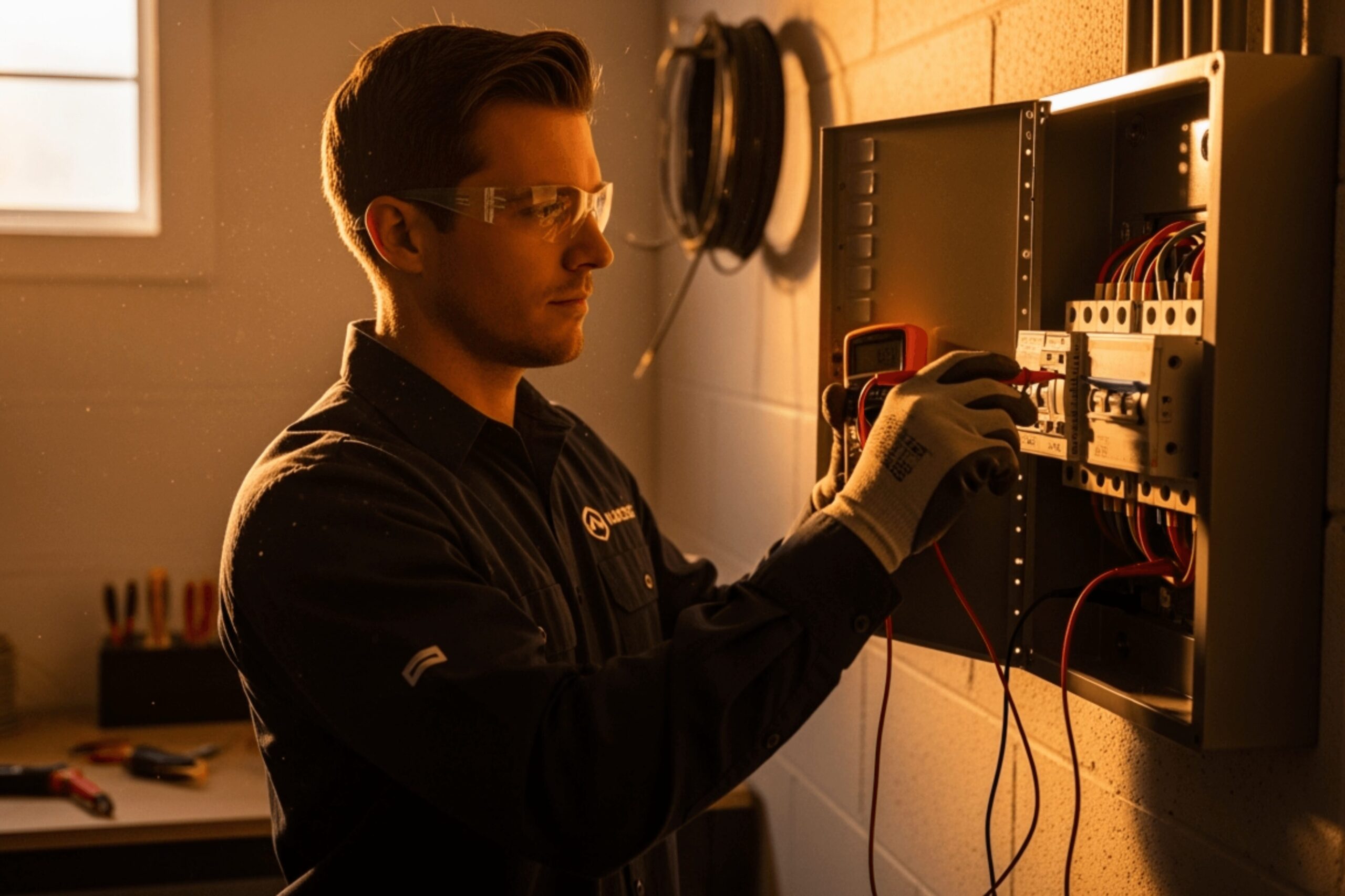
While DIY projects have their place, electrical work is best entrusted to experienced professionals. Certified electricians bring the expertise needed to design, install, and inspect systems that meet both your needs and Sudbury’s stringent regulations. Their knowledge ensures that every component—from wiring upgrades to fire alarm systems—is safely and correctly installed.
When selecting an electrician, prioritize those with proven experience, relevant certifications, and positive client reviews. Transparent pricing and open communication are hallmarks of reliable service providers; they’ll keep you informed throughout the project and address any concerns promptly.
Professional electricians are adept at navigating local electrical codes, ensuring your home passes required inspections at every stage. Their involvement helps avoid common pitfalls, such as improper grounding or inadequate circuit protection, which can lead to safety hazards and expensive rework.
By partnering with qualified electricians, you’re investing in the safety, efficiency, and long-term value of your home. Their guidance is invaluable, especially when planning advanced features like transformer installation or automatic transfer switches.
Future-Proofing and Technological Integration in Home Electrical Systems
Future-proofing your home’s electrical system is about more than meeting today’s needs—it’s about anticipating tomorrow’s. As technology evolves and electrical demands increase, a thoughtfully designed infrastructure will save you from costly, disruptive upgrades down the line.
Start by installing an oversized service panel and additional conduits during construction. This foresight allows for simple integration of new circuits, charging stations, or even a backup generator as your needs grow. Pre-wiring for smart home automation, including lighting controls, climate systems, and security devices, ensures seamless future installations with minimal disruption.
Ensure your wiring supports both power and data requirements, as modern homes rely on robust internet connectivity for everything from entertainment to security. Planning for the placement of network devices, wireless access points, and smart appliances helps maintain optimal performance.
By integrating these elements during the initial wiring phase, you’ll avoid the hassle and expense of opening walls or rewiring in the future. A future-ready electrical system enhances your home’s functionality, efficiency, and long-term value.
Navigating Common Wiring Challenges and Best Practices for Safety
Even the best-laid plans can encounter challenges during the wiring process. One common issue is underestimating the number or placement of outlets, which can lead to clutter from extension cords or inconvenient layouts. Early and thorough planning with your electrician helps ensure ample, well-placed outlets and circuits.
Compatibility is another concern, particularly with the integration of smart technologies. Not all devices work seamlessly together, so coordinate with your electrician to select components that align with your goals and existing infrastructure.
Safety is paramount. Schedule regular electrical safety inspections to catch potential issues before they escalate. Incorporate surge-protected power strips to safeguard sensitive electronics and install tamper-resistant outlets, especially if children are present.
Educate family members on emergency protocols, such as using fire extinguishers and understanding smoke detector alerts. Proactive safety measures and best practices reduce risks and keep your household protected.
Integrating Renewable Energy and Preparing for Advanced Installations
As renewable energy solutions become increasingly accessible, planning for their integration during the initial wiring phase makes future upgrades far simpler and more cost-effective. If solar panels or other renewable sources are in your future plans, ensure your service panel has adequate capacity and that wiring routes can accommodate these inputs.
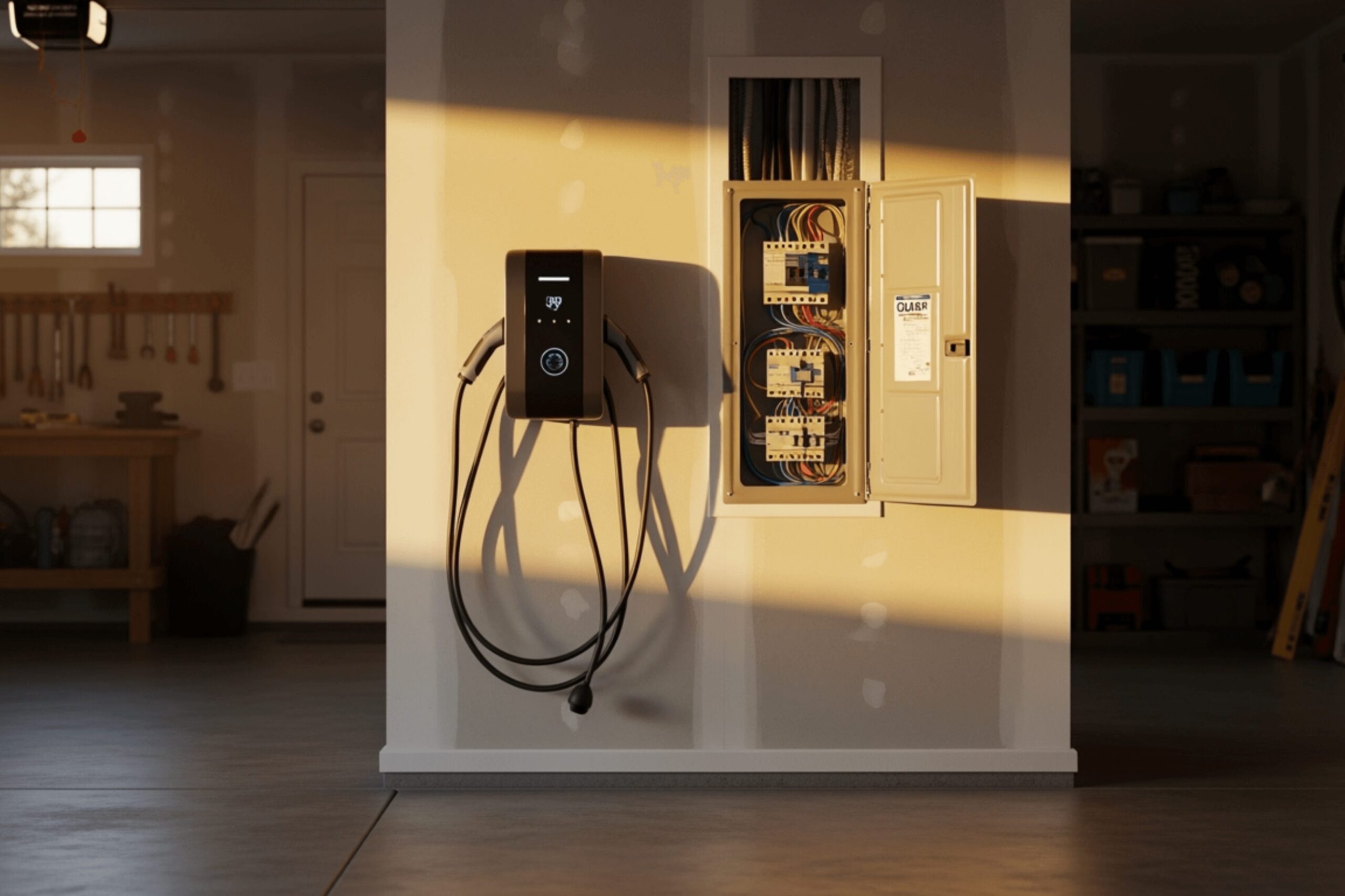
Installing dedicated conduits during construction allows for easy addition of solar wiring, battery storage, or other renewable technologies, without the need for invasive modifications later. Similarly, preparing your electrical system for advanced installations like EV charging stations or automatic transfer switches ensures your home is ready for emerging technologies.
Renewable energy not only reduces your carbon footprint but also offers substantial savings on energy bills. Homes equipped for these technologies are increasingly attractive to environmentally conscious buyers, further enhancing your property’s value and marketability.
Budgeting for Electrical Upgrades: Cost Factors and Considerations
Budgeting for a new home’s electrical system involves more than just initial installation costs. Factors such as the size of your home, the complexity of its design, and the materials selected (like copper wiring or premium fixtures) all influence the bottom line. Planning for future expansion—such as additional circuits, smart home features, or renewable energy sources—may require a larger upfront investment but pays off in long-term savings and convenience.
Prioritize essential upgrades that enhance safety and code compliance, such as GFCIs, AFCIs, and fire alarm systems. These features not only protect your home but can also lower insurance premiums. When seeking quotes, request detailed breakdowns and clarify the full scope of work to avoid surprises.
Remember to include ongoing costs for maintenance and electrical safety inspections. Regular checkups ensure your system remains in top condition, catching issues before they become expensive problems. Smart budgeting accounts for both immediate needs and future upgrades, ensuring your investment delivers lasting value.
Wrapping Up: Creating a Reliable, Efficient, and Safe Home Electrical System
Creating a reliable, efficient, and safe electrical system for your new home is an investment in both comfort and peace of mind. Through careful planning, collaboration with skilled electricians, and a commitment to safety and sustainability, you can build an infrastructure that serves your needs today and adapts to tomorrow’s innovations.
Professional guidance is invaluable, ensuring your system meets all code requirements and is equipped for future technologies. Strategic decisions—like integrating smart devices, planning for renewable energy, and installing advanced safety features—pay dividends in efficiency, convenience, and property value.
Don’t overlook ongoing maintenance and regular electrical safety inspections; these practices keep your system running smoothly and protect your household from potential hazards. With a strong electrical foundation in place, your home will remain a safe, comfortable, and future-ready haven for years to come.