



Vancouver, nestled between the Pacific Ocean and coastal mountains, is no stranger to gusty storms and inclement weather. These conditions often result in unexpected power outages that can last hours—or even days. For homeowners, a sudden loss of electricity means more than just inconvenience. Vital appliances and systems, such as refrigerators, freezers, sump or well pumps, and medical equipment, all rely on a steady power supply to function safely. If you’re among the growing number of residents working from home, a blackout can also disrupt your productivity, affecting both communication and income.
Generators offer a practical solution, bridging the gap when the grid goes down. With a backup generator in place, you can keep essential appliances running, preserve food, maintain lighting, and ensure your home’s heating or cooling system continues to operate—crucial during Vancouver’s chilly winters or summer heatwaves. More importantly, those who depend on electrically powered medical equipment can avoid dangerous interruptions in care.
Continuous access to power isn’t just about comfort; it’s a cornerstone of safety and security. By installing a properly sized generator, homeowners can protect their property from flooding (by powering sump pumps), prevent frozen pipes (with heated systems), and stay connected to emergency services. In short, a backup generator transforms a stressful power outage into a manageable event.
Balancing Needs: How Proper Generator Sizing Impacts Safety and Cost
When considering a backup generator, size truly matters—but not in the way you might think. The “size” of a generator refers to its power output, measured in watts. Determining the right wattage is critical to ensure your generator can handle your essential appliances without being unnecessarily large or small.
Using an oversized generator might seem like a safe bet, but it often leads to higher upfront costs, increased fuel consumption, and more expensive maintenance. On the other hand, an undersized generator can leave you in the dark, unable to run crucial systems, and may even damage appliances by overloading circuits or causing voltage drops.
A well-sized generator strikes the perfect balance—delivering enough power for your must-have devices while maximizing efficiency and minimizing waste. This means you’ll only spend what’s necessary and get the most reliable backup for your investment. For Vancouver homeowners, where outages can be unpredictable but impactful, this careful calculation provides peace of mind. By taking the time to assess your power needs and match them to the right generator, you protect your home, your wallet, and your well-being during every outage.
Identifying Critical Appliances and Calculating Your Power Needs
Before you can choose the right generator, it’s important to identify which appliances and systems are truly essential in the event of a power outage. Start by making a list of the devices you can’t do without—think about comfort, safety, and necessity.
Most Vancouver households prioritize appliances like refrigerators and freezers to prevent food spoilage, lighting for visibility in key areas, and heating systems to stay warm during cold snaps. Sump pumps or well pumps may be indispensable for preventing basement flooding or ensuring access to water. For many, keeping Wi-Fi routers and device chargers powered is vital for staying connected with family, work, and emergency services. If you rely on medical equipment that runs on electricity, this should be at the top of your list. And don’t forget about home office setups, which may require computers, monitors, and networking equipment.
Once you’ve identified your must-have appliances, find out each one’s power requirements. This information is typically listed on the device itself or in its manual, and is measured in watts. For example, a refrigerator usually needs about 600 watts, while an electric furnace can require anywhere from 3,000 to 5,000 watts. Add up the running wattage of all your essential devices—this total will serve as your baseline for choosing an appropriately sized generator.
Remember, the goal is to balance comfort and necessity. By focusing on critical appliances, you ensure your generator is both cost-effective and capable of supporting your household when it matters most.
Wattage Demystified: Understanding Running, Surge, and Safety Margins
Understanding how much power your household appliances require isn’t as straightforward as it might appear. Appliances typically have two wattage ratings: running (or continuous) wattage and surge (or starting) wattage. Running wattage is the amount of power a device needs to operate continuously. Surge wattage, on the other hand, is the higher amount of power needed for just a few seconds when certain devices—like refrigerators, sump pumps, or air conditioners—first turn on.
For example, a refrigerator may need 600 watts to operate but could require more than 1,000 watts momentarily when starting up. Similarly, air conditioners can surge to over 2,000 watts before settling back to their running wattage of around 1,000.
When calculating your generator size, it’s crucial to account for both types of wattage. Add up the running wattage of all essential devices, then identify those with significant surge requirements and include the highest surge wattage in your calculations. To ensure reliability, industry best practice is to add a safety margin—about 20% extra—to your total wattage estimate. This buffer accommodates situations where several high-draw appliances start at once or if you add new devices in the future.
For instance, if your essentials add up to 5,000 running watts, look for a generator rated at 6,000–6,500 watts. This approach ensures your generator won’t be strained during start-ups and has the flexibility to handle unexpected needs.
Portable vs. Standby Generators: Finding the Best Fit for Your Home
Choosing between a portable and a standby generator depends on your specific needs, budget, and how frequently you experience power outages. Each type comes with its own advantages and considerations.
Portable generators are popular for their affordability and flexibility. With output typically ranging from 3,000 to 8,500 watts, these units can handle a modest selection of essential appliances. They require manual setup and refueling, and are best suited for short-term or infrequent power interruptions. Portables are also handy for outdoor activities or worksites, but they do require you to plug in appliances directly or use a transfer switch for safe home connection.
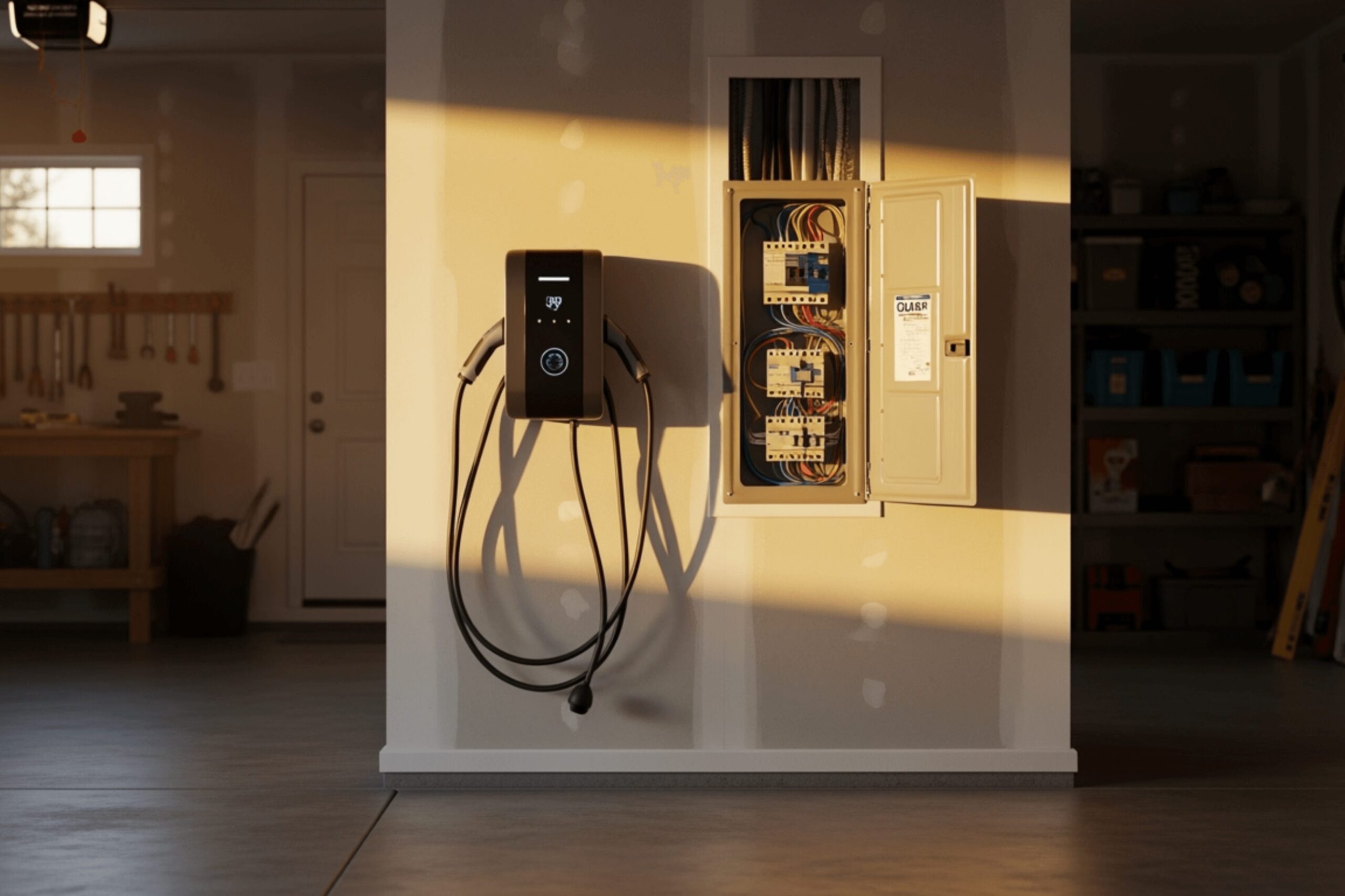
Standby generators, by contrast, are permanently installed outside your home and wired directly into your electrical system. They start automatically when a power outage is detected and can supply power to your entire house or selected circuits, depending on their capacity. Standby generators are ideal for homes that need uninterrupted power for medical devices, home offices, or heating and cooling systems. While the upfront investment is higher, they offer convenience, reliability, and greater peace of mind during long or frequent outages.
When choosing, consider your home’s power requirements, your comfort with manual operation, budget, and how critical continuous power is to your household.
Expert Tips for Selecting the Right Generator for Lasting Comfort and Security
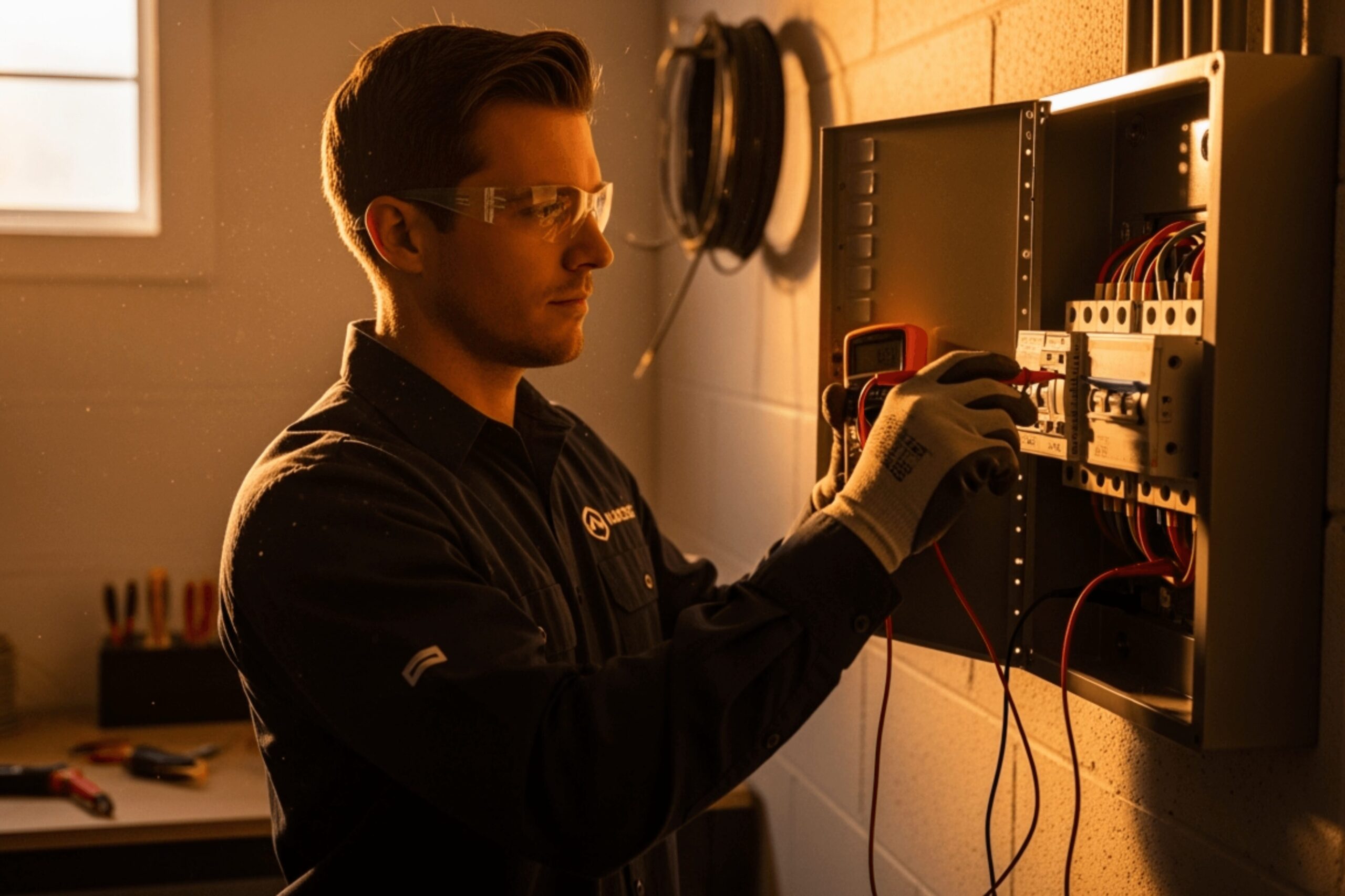
Selecting the perfect generator for your Vancouver home goes beyond simply tallying up wattages. For the best results, seek professional advice from a certified electrician to assess your unique home layout, appliance needs, and electrical system. An expert can recommend the optimal generator size, ensure safe wiring and installation, and help you navigate local codes and permitting requirements.
Keep your list of essential appliances up to date, especially if you renovate, upgrade to energy-intensive equipment like heat pumps or electric vehicle chargers, or establish a new home office. This proactive approach ensures your backup power solution always aligns with your household’s needs.
Safety should be at the forefront of your planning. Proper installation is critical—not just for the generator, but for transfer switches, wiring, and ventilation. Never operate generators indoors or in enclosed spaces, as this can lead to dangerous carbon monoxide buildup.
Plan ahead for future needs. It’s wise to choose a generator with a bit of extra capacity, allowing for new appliances or changes in household routines. Finally, regular maintenance—such as changing oil, checking fuel, and testing operation—will ensure your generator is ready when you need it most.
By taking these steps, you can rest assured that your home will remain safe, comfortable, and connected through every power outage Vancouver’s weather has to offer.