

The Shift Towards Clean Transportation: Why EV Charger Installation Matters
The movement toward electric vehicles (EVs) represents a significant shift in how we approach transportation, with a focus on reducing emissions and embracing sustainability. As governments and consumers alike seek greener alternatives, EVs are rapidly becoming a mainstay on Canadian roads. This transition isn’t just about driving cleaner cars—it’s about supporting an ecosystem that enables them to thrive. Central to this ecosystem is the installation of reliable EV chargers, which make owning and operating an electric vehicle practical and convenient.
For homeowners, installing an EV charger is more than a modern upgrade—it supports daily routines by ensuring a fully charged vehicle each morning. In commercial and industrial settings, providing charging infrastructure can enhance employee satisfaction, attract clients, and support fleet electrification. The convenience of charging at home or work eliminates range anxiety and encourages the adoption of EVs.
Reliable and accessible charging infrastructure is vital for the continued expansion of electric vehicles. As the number of EVs grows, so does the need for robust and safe charging solutions. Proper installation of EV chargers not only makes clean transportation feasible but also sets the foundation for a smarter, more sustainable future for both individuals and communities.
Evaluating Your Electrical System: Ensuring Capacity for New Demands
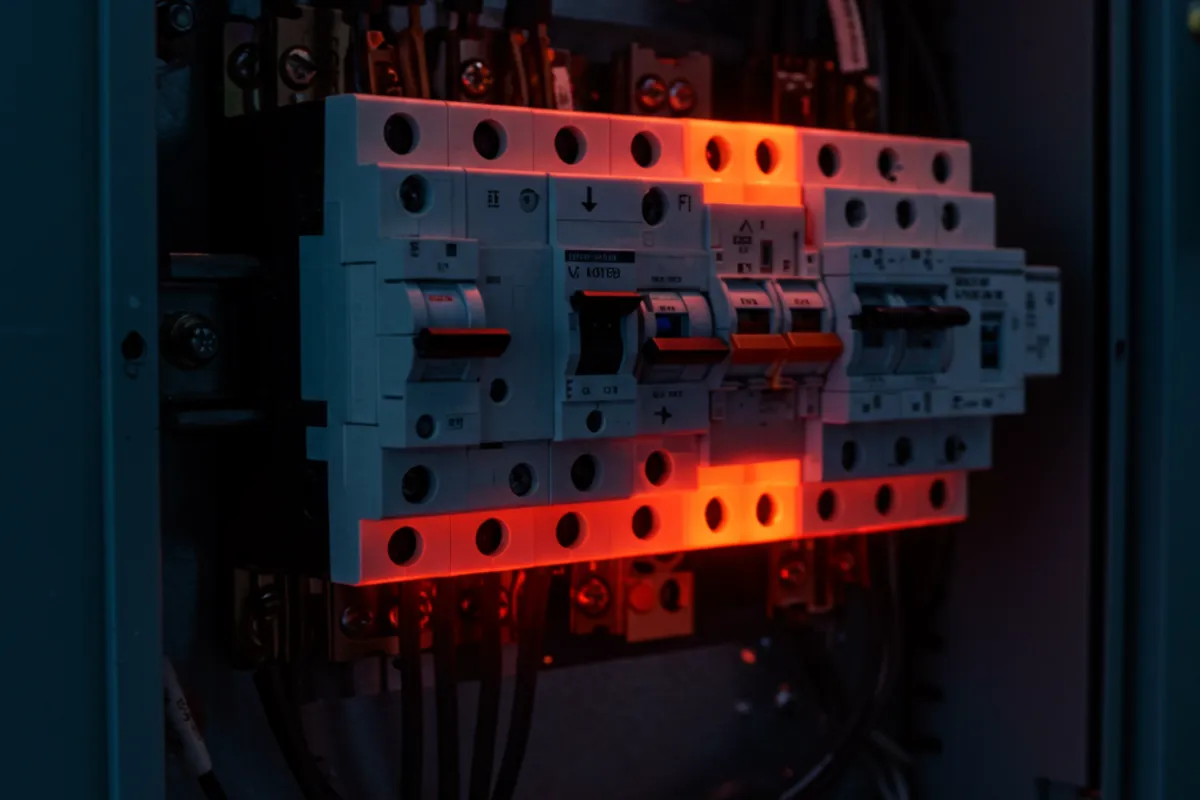
Before installing an EV charger, it’s crucial to evaluate your property’s electrical system to ensure it can safely handle the new demand. Many older buildings, whether residential, commercial, or industrial, may not have been designed with high-powered devices like EV chargers in mind. Installing a charger without assessing the electrical panel’s capacity can lead to overloaded circuits, tripped breakers, or, in the worst-case scenario, fire hazards.
A professional assessment involves reviewing the existing wiring, checking the panel’s amperage, and calculating the total electrical load. Licensed electricians use specialized tools to determine if there’s enough capacity for the charger, especially when other high-demand appliances like heat pumps or air conditioners are present. If your system is already near its limit, an upgrade—such as a panel or service upgrade—may be necessary to maintain safety and compliance.
This step is not just about meeting today’s needs; it’s about ensuring future reliability. Whether you’re considering a general renovation or planning for additional electrical loads down the line, confirming that your electrical infrastructure is up to par is an essential first move. By addressing these technical requirements upfront, you can avoid costly mistakes and keep your property safe.
Strategic Placement: Maximizing Convenience and Safety with Charger Location
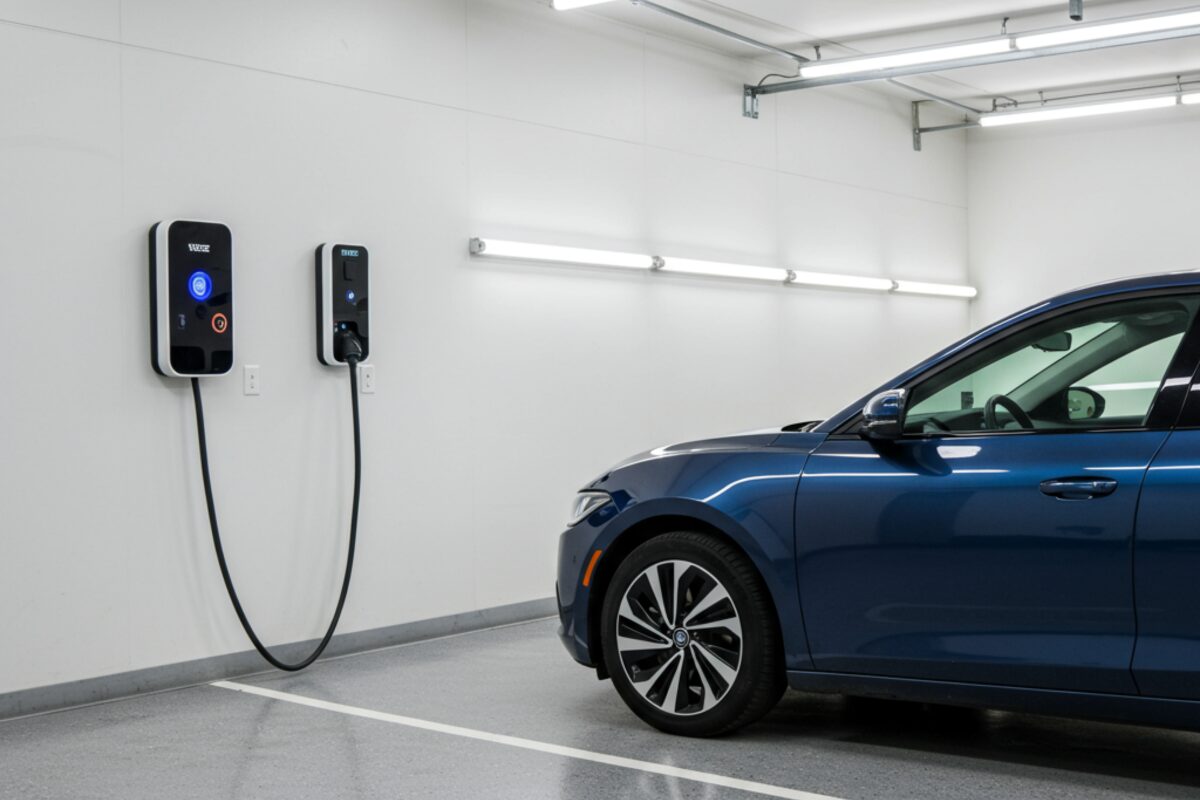
Where you install your EV charger is just as important as the installation itself. Strategic placement ensures that charging your electric vehicle is convenient, safe, and efficient. The best location is typically close to where you regularly park your vehicle, such as a garage wall or a dedicated parking spot in a driveway. This minimizes the distance you need to run charging cables, reducing trip hazards and wear-and-tear on both the charger and vehicle connector.
Accessibility is key—think about how the charger will be used in all seasons. In areas like Burnaby and Vancouver, where weather can be unpredictable, it’s important to install the charger in a spot sheltered from rain or snow when possible. Outdoor installations should use weatherproof equipment and be positioned to avoid pooling water or icy patches.
Proper cable management not only maintains a tidy appearance but also enhances safety by preventing falls and damage to the charging cord. Additionally, consider any potential changes to your parking arrangements. If you might add a second EV or change your parking configuration in the future, it makes sense to plan accordingly now.
By thoughtfully selecting your charger’s location, you ensure day-to-day convenience and safeguard against unnecessary risks, making the charging experience seamless for everyone who uses it.
Selecting the Right EV Charger: Compatibility and Performance Considerations
Choosing the correct EV charger for your needs is a crucial step that directly affects your overall experience. Not all chargers are created equal, and selecting one that doesn’t align with your vehicle’s requirements or your lifestyle can lead to frustration and inefficiency.
There are several types of chargers—Level 1 (standard 120V outlet), Level 2 (240V, faster charging), and DC fast chargers (for rapid charging, mostly in commercial settings). Most residential users opt for Level 2 chargers, as they can recharge a vehicle overnight. However, it’s essential to confirm that both your vehicle and your property’s wiring can support the chosen charger type.
Compatibility is another key consideration. While most modern chargers are designed to work with a wide range of EVs, certain models may require specific connectors or have unique charging requirements. Review your vehicle’s manual or consult an expert to ensure that the charger you select is fully compatible.
Additionally, consider features that enhance convenience, such as Wi-Fi connectivity, timers, or integrated safety monitoring. These smart features can help optimize energy usage and provide greater control over charging sessions.
Selecting the right charger with future flexibility in mind means you’ll be prepared for new EV models or additional vehicles down the line, making your investment both practical and future-ready.
The Importance of Professional Installation: Prioritizing Safety and Compliance
While DIY projects can be rewarding, EV charger installation is best left to certified professionals. Electrical work, especially when it involves high currents and complex systems, requires expertise to ensure both performance and safety. Attempting to install a charger without the proper know-how can result in code violations, electrical fires, or damage to your vehicle.
Licensed electricians are trained to adhere to local and national electrical codes, guaranteeing that all work meets rigorous safety standards. They will ensure that the charger is correctly wired, that grounding is adequate, and that all protective devices—such as circuit breakers and ground fault interrupters—are properly installed.
Professional installation also includes comprehensive testing and inspection. This process verifies that the system operates safely under load and that all components work as intended. In many jurisdictions, electrical permits and inspections are mandatory for EV charger installations, so working with a qualified professional helps avoid legal complications and potential liabilities.
In short, professional installation protects your investment, your property, and, most importantly, your safety. It’s a crucial step in making the transition to electric mobility both seamless and secure.
Planning for Growth: Future-Proofing Your Electrical Infrastructure
As electric vehicles become more common, it’s wise to plan for your future needs when installing a charger. While you may have only one EV now, additional vehicles—whether for family, employees, or business fleets—could be on the horizon. Installing scalable infrastructure today can save significant time and money later.
This might mean opting for a higher-capacity panel or running larger conduit and wiring that can accommodate an extra charger in the future. If you’re already undertaking a general renovation, heat pump, or AC wiring upgrade, it’s an ideal time to consider these enhancements. Integrating these upgrades into ongoing work can reduce labor costs and minimize disruption.
Future-proofing not only streamlines future installations but can also boost your property’s value. Buyers and tenants are increasingly seeking homes and commercial spaces equipped for electric vehicles. By preparing your electrical system now, you ensure your property remains attractive and relevant as transportation trends evolve.
Taking a forward-thinking approach helps you avoid the hassle and expense of redoing work, ensuring your investment in clean transportation continues to pay dividends for years to come.
Navigating Incentives and Regulations: Unlocking Savings and Compliance
One of the most overlooked aspects of EV charger installation is the array of incentives and regulations that can influence your project’s cost and complexity. Government programs at the federal, provincial, and municipal levels often offer rebates, tax credits, or grants to encourage EV adoption and infrastructure development. These incentives can significantly reduce out-of-pocket expenses.
Understanding and complying with local building codes and permitting requirements is equally important. Each municipality may have different standards for wiring, installation methods, and safety protocols. Failing to secure the proper permits or adhere to codes can delay your project and lead to costly corrections or even fines.
To maximize your savings, research all available incentives before starting your installation. Many programs require applications to be submitted in advance, and some have specific requirements regarding the type of charger or the installation process. Consulting with knowledgeable professionals or local authorities can help you navigate these complexities.
Staying current with evolving regulations ensures your installation remains compliant and eligible for future incentives. By taking advantage of these opportunities, you can lower your installation costs, ensure legal compliance, and contribute to the broader adoption of sustainable transportation.
Setting the Standard: Steps to a Safe and Successful EV Charger Installation
Achieving a safe and efficient EV charger installation is a multi-step process that pays dividends in convenience, safety, and cost savings. Start by thoroughly assessing your electrical system’s capacity and planning for both current and future needs. Thoughtful placement of the charger maximizes everyday convenience and safety, while selecting the right model ensures compatibility and optimal performance.
Professional installation by licensed electricians is non-negotiable—this step guarantees compliance with all relevant codes and provides peace of mind that your system is secure. By researching incentives and staying up to date with local regulations, you can also unlock valuable financial savings.
Don’t overlook the importance of routine maintenance and periodic inspections to keep your charging system operating reliably and safely. Proactive planning and expert guidance are essential, whether you’re upgrading a single-family home or a large commercial facility.
By following these best practices, you not only avoid costly mistakes but also contribute to the broader movement toward cleaner, smarter transportation—setting a standard for safety and sustainability in your community.