

The Rise of Electric Vehicles and Smart Charging Solutions
The shift towards electric vehicles (EVs) is reshaping how we think about transportation, energy consumption, and sustainability. With more people seeking to reduce their carbon footprint and embrace cleaner technologies, EVs have become a symbol of progress. However, owning an electric vehicle is only the beginning—how and where you charge it plays a critical role in your overall experience.
Home and commercial charging stations are at the heart of this transition, offering convenience and control over when and how your vehicle is powered. Beyond simple plug-ins, smart charging solutions now enable users to schedule charging sessions, monitor energy usage, and even take advantage of off-peak electricity rates. These features not only make charging more cost-effective but also support the broader goal of efficient energy management.
A well-installed EV charger ensures your vehicle is always ready to go, while also contributing to a greener planet. Proper installation is essential to fully realize the benefits of electric mobility, from reducing emissions to optimizing energy usage. As EV adoption accelerates, understanding the nuances of charger installation becomes vital for homeowners, businesses, and anyone committed to a sustainable future.
Evaluating Your Electrical System: Why Capacity Matters
Before installing an EV charger, one of the most critical steps is assessing your property’s current electrical capacity. Many homes and businesses, especially older buildings, may not have panels equipped to handle the extra load of a dedicated EV charger. Failing to evaluate this can result in overloaded circuits, frequent tripped breakers, or even electrical fires.
The process begins with a thorough examination of your electrical panel’s amperage and current load. This step helps determine whether your system can safely accommodate the charger’s requirements. For example, most Level 2 chargers require a dedicated 240-volt circuit and a specific amperage, which may exceed what your panel can provide without upgrades.
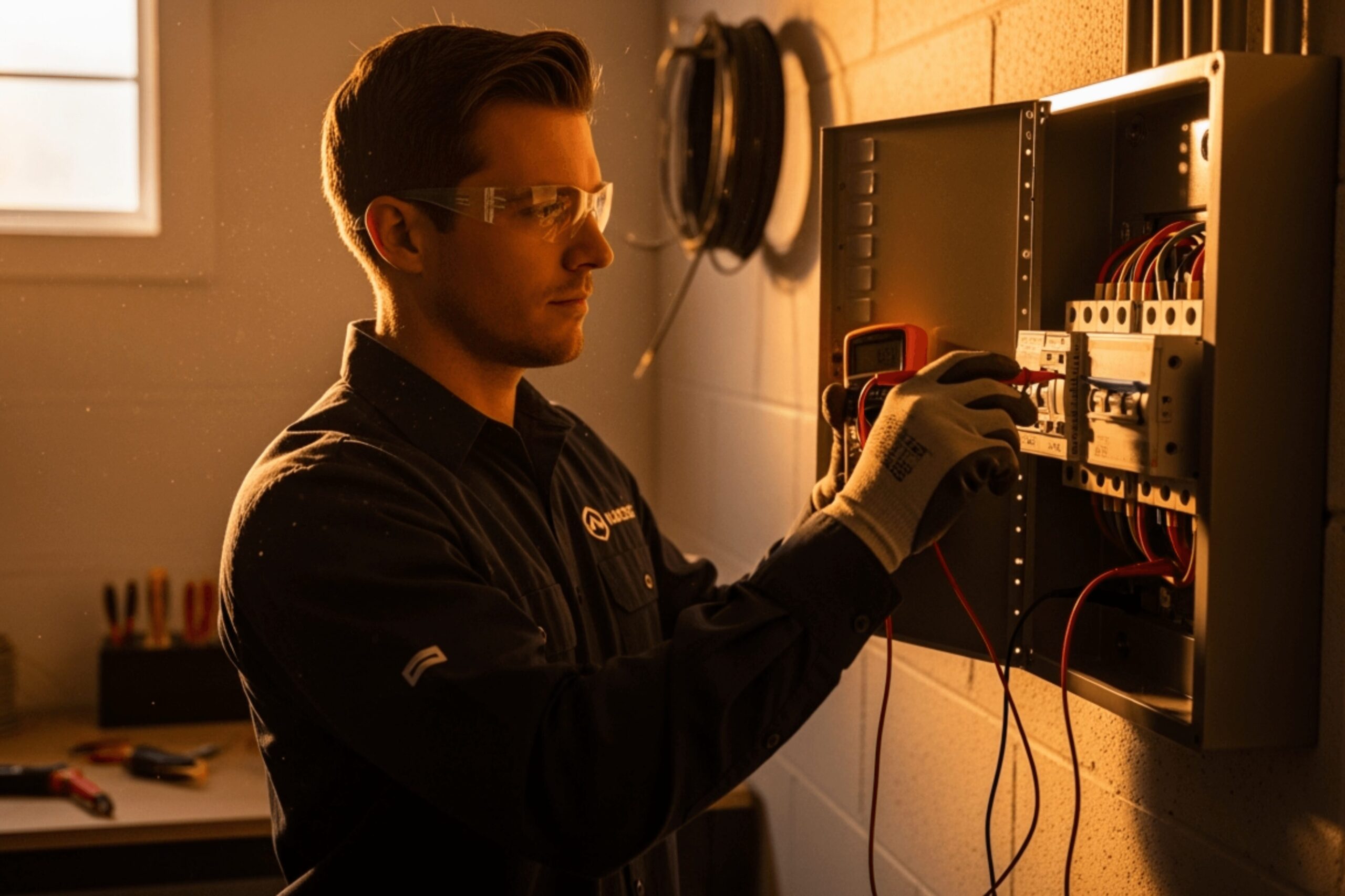
Professional electricians use specialized tools and calculations to assess load capacity, identify potential bottlenecks, and recommend necessary upgrades or adjustments. Attempting to bypass this evaluation can lead to expensive repairs down the road and compromise the safety of your entire electrical setup. Investing in a professional assessment not only ensures compliance with electrical codes but also guarantees the longevity and reliability of your EV charging system.
Navigating Local Codes, Permits, and Inspections for Installations
Adhering to local electrical codes and obtaining the necessary permits are non-negotiable steps in any EV charger installation. These regulations are designed to protect property owners, occupants, and the broader community by ensuring installations meet stringent safety standards. Skipping permits or cutting corners on code requirements can result in hefty fines, legal complications, and, most importantly, unsafe conditions.
The permitting process typically involves submitting detailed plans or specifications to local authorities, who then review the proposed installation for compliance. Inspections are required both during and after installation to verify that all work meets code. These inspections often check wiring, grounding, circuit breakers, and overall system integrity.
Non-compliance can have lasting consequences. Insurance claims related to electrical issues may be denied if the installation wasn’t permitted or failed inspection. Additionally, future property sales could be complicated by unapproved electrical modifications that must be remedied before closing. By following the permitting process and ensuring all work is inspected, property owners safeguard their investment and the well-being of everyone on the premises.
Selecting the Right EV Charger: Types, Compatibility, and Usage Needs
Choosing the correct EV charger is more than just picking a device off the shelf—it’s about matching the charger’s capabilities with your vehicle and lifestyle. The two primary types are Level 1 and Level 2 chargers. Level 1 chargers use a standard 120-volt outlet and are typically slower, providing around 5-8 kilometers of range per hour of charging. They’re suitable for light daily use or for plug-in hybrids with smaller batteries.
Level 2 chargers, on the other hand, require a 240-volt outlet and can deliver 25-50 kilometers of range per hour, making them ideal for most EV owners who drive regularly or need faster turnaround times. When selecting a charger, consider your vehicle’s charging port compatibility, battery size, and how often you drive.
It’s also wise to think ahead—if you plan to upgrade your vehicle or add more EVs to your household or business fleet, choosing a scalable charger now can save you time and money later. Consulting with an electrician or EV specialist ensures that the charger you choose meets both your current and anticipated needs, optimizing convenience and investment.
Strategic Placement: Ensuring Accessibility and Safety
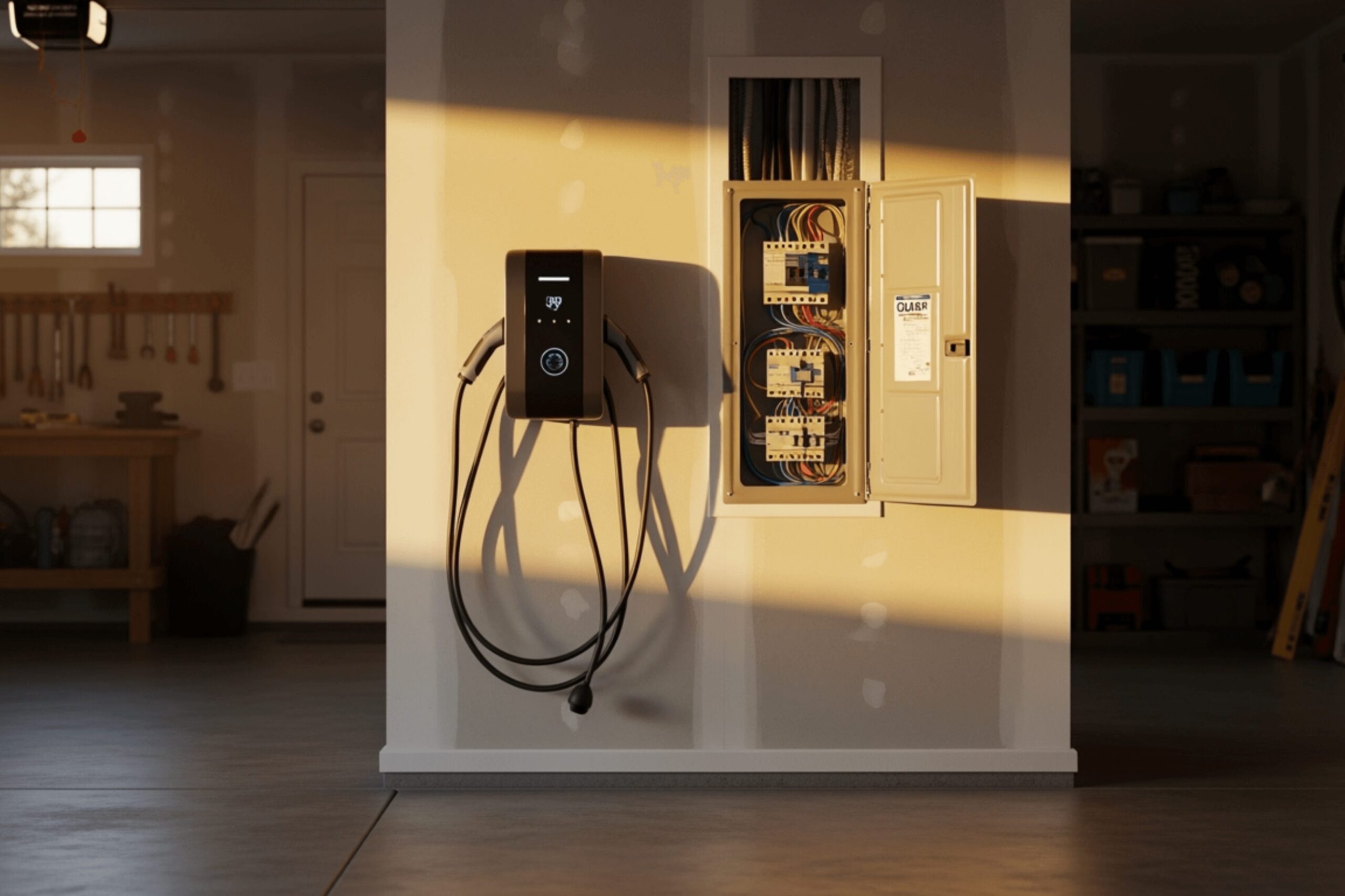
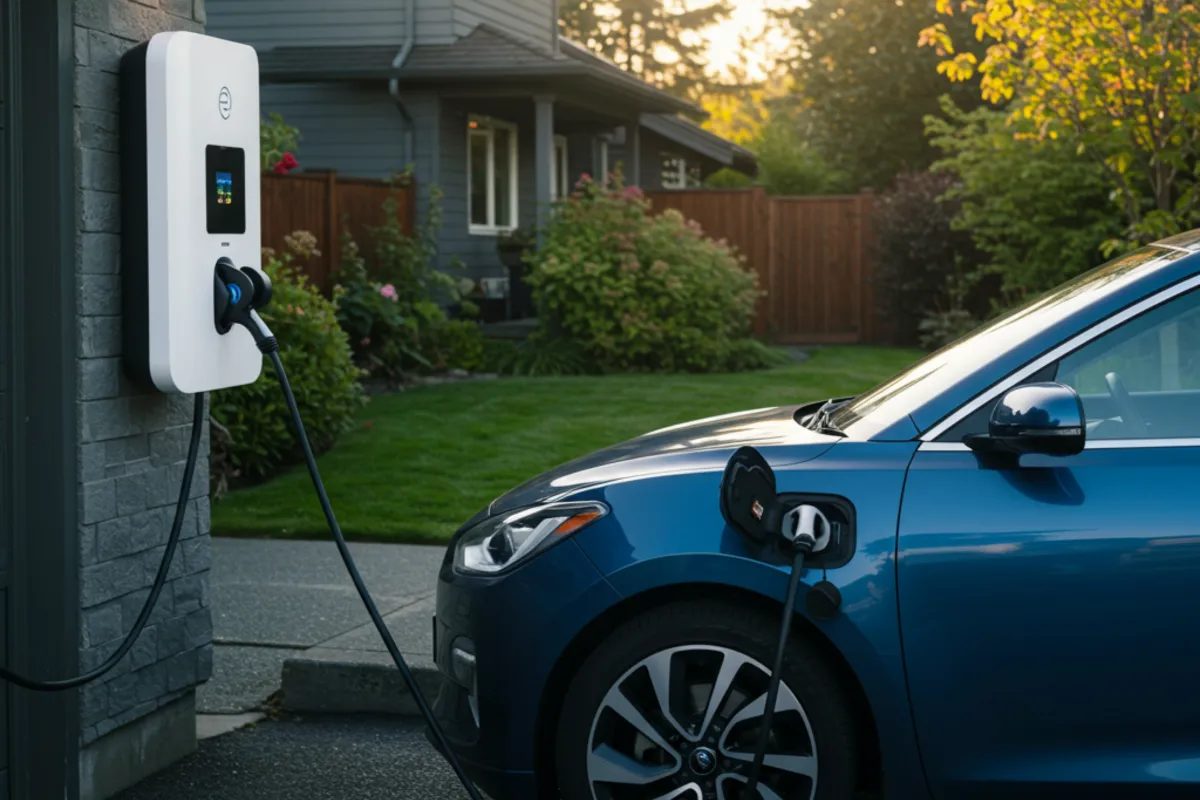
Where you install your EV charger can significantly affect its convenience, safety, and performance. An accessible location—close to where you park your vehicle—ensures you don’t have to deal with long charging cables or awkward setups. For residential installations, this might mean mounting the charger on a garage wall or a sheltered driveway spot. In commercial or industrial settings, accessibility for multiple users and vehicles becomes paramount.
Weather protection is another essential factor. Outdoor installations require chargers that are rated for exterior use, with weatherproof enclosures to prevent water or debris from damaging sensitive electronics. Even in covered areas, consider the impact of rain, snow, or extreme temperatures on both the charger and its users.
Additionally, minimizing cable runs by placing the charger near your electrical panel can reduce installation costs and energy loss. Thoughtful placement also helps prevent cable clutter and tripping hazards, creating a safer environment for everyone. Taking time to plan your charger’s location pays off in efficiency, longevity, and daily convenience.
Professional Installation vs. DIY: Weighing Risks and Benefits
While the DIY approach might seem appealing for those with basic electrical knowledge, EV charger installation is a job best left to experienced professionals. Attempting to handle complex wiring, breaker installation, and code compliance without the right expertise can introduce serious safety risks, including electrical shock, fires, and long-term system damage.
Licensed electricians bring not only technical skill but also a thorough understanding of local codes and best practices. Their work is typically covered by warranties and insurance, offering peace of mind that your investment is protected. Professional installation ensures that all connections are secure, the system is properly grounded, and the charger operates safely and efficiently.
Moreover, relying on experts can save money in the long run by preventing costly mistakes and future repairs. DIY installations that violate codes may lead to denied insurance claims or expensive retrofits if issues are discovered during inspections or emergencies. By choosing a reputable professional, you ensure your installation is safe, compliant, and built to last.
Planning for the Future: Scalability and Upgrade Considerations
A forward-thinking approach to EV charger installation can save property owners significant time and expense down the road. As electric vehicles become more common, households and businesses may find themselves adding more EVs to their fleet or requiring faster charging as battery technology evolves. Planning for scalability now means fewer headaches later.
Consider installing a charger with a higher amperage than your current vehicle requires, or running additional conduit and wiring to accommodate future needs. Some properties may benefit from multiple charging stations, especially in commercial or multi-unit residential environments. Designing your electrical system with extra capacity or flexibility allows for seamless upgrades without extensive rewiring.
Incorporating smart chargers or networked systems can further enhance scalability, enabling features like load balancing, remote monitoring, and integration with renewable energy sources. By thinking ahead and building in room to grow, you protect your investment and ensure your charging setup remains relevant as technology and your needs evolve.
Maximizing Safety and Savings Through Thoughtful EV Charger Installation
A successful EV charger installation hinges on careful planning, informed decision-making, and professional execution. By avoiding common pitfalls—such as neglecting electrical capacity, skipping permits, choosing the wrong charger, poor placement, attempting DIY installation, and failing to plan for the future—property owners can enjoy the full benefits of electric mobility.
Professional assessment and installation not only maximize safety but also deliver significant long-term savings by reducing the risk of electrical failures, code violations, and costly retrofits. Thoughtfully installed chargers are more efficient, reliable, and convenient, supporting a smooth transition to sustainable transportation.
As the world moves towards cleaner energy solutions, embracing best practices in EV charger installation helps individuals and businesses alike make a meaningful contribution to environmental stewardship. Seeking expert guidance ensures your system is tailored to your needs, meets all regulatory requirements, and stands the test of time—delivering safety, efficiency, and peace of mind for years to come.