

Stay Safe Around Electricity: Essential Rules and Tools Every Homeowner Should Know
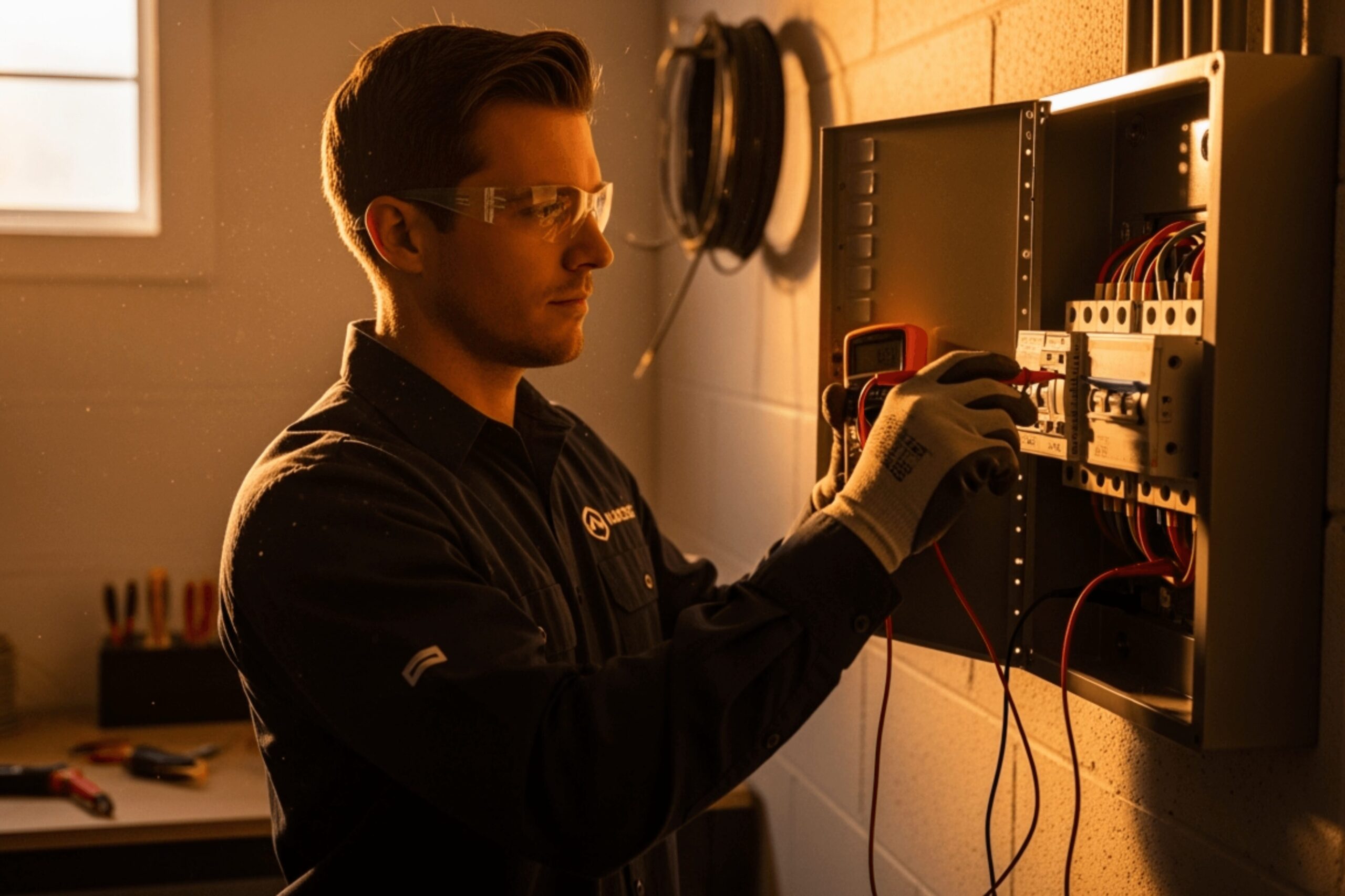
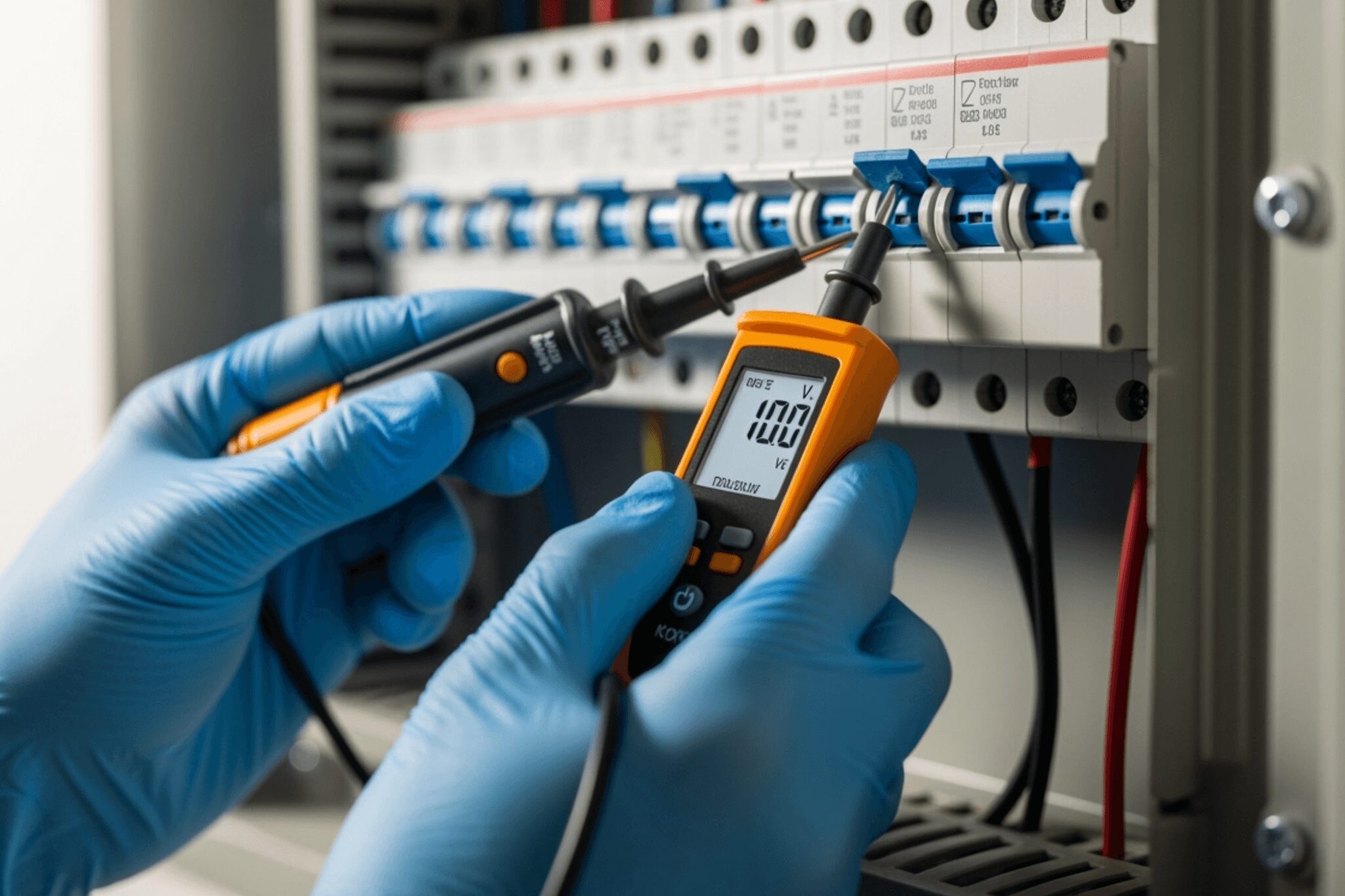
Working with electricity in your home provides both empowerment and responsibility. Safety is not just a recommendation—it’s a necessity. Before you even think about lifting a screwdriver, remember the golden rule: always switch off power at the breaker and double-check with a non-contact voltage tester. Never trust a light switch alone to cut power, and never skip this step, even for “quick” jobs.
Your toolkit should include a non-contact voltage tester, a multimeter for reading voltage and continuity, wire strippers, a set of insulated screwdrivers, and a circuit tester. These tools let you safely confirm circuits are dead, diagnose basic problems, and complete simple repairs. However, using these tools correctly is critical; always read instructions, wear protective gear, and work in dry conditions.
Being familiar with the Canadian Electrical Code is also essential. The Code outlines safe practices for installations, repairs, and upgrades, and some work—like panel alterations or sub-panel additions—must be inspected for compliance. If you’re ever unsure about your understanding of the Code, or about a wiring situation, pause your work and consult a licensed electrician.
Electrical work isn’t the place for guesswork. If you encounter burnt wires, water-damaged components, confusing wiring, or anything that makes you hesitant, call a professional immediately. The risks of fire, shock, and code violations are far too great to ignore. Your safety—and that of your household—should always be your first concern.
Simple DIY Electrical Installations and Repairs: Outlets, Lights, and Ceiling Fans
Many homeowners feel confident tackling minor electrical tasks, and with good reason—some jobs can be done safely with the right approach. Replacing an old outlet, for example, starts with turning off the correct breaker and validating it with a voltage tester. Once confirmed, unscrew the cover, take note of how wires are connected (a photo can help), and detach the old outlet. Standard connections are black (hot) to brass, white (neutral) to silver, and green or bare (ground) to the ground screw. Tighten connections firmly, reattach the cover, and only restore power once everything is secure.
For swapping a light fixture, the process is similar. Always switch off the breaker and verify the power is off. Remove the old fixture, then match black-to-black, white-to-white, and ground-to-ground wires, twisting wires together securely. Fasten the fixture to its mounting bracket, install bulbs, and turn the power back on to test.
Ceiling fan installation requires a few extra precautions. Besides turning off the power and removing the old fixture, confirm the electrical box is rated for fan support—it should be securely attached to a joist or brace, not simply a plastic or lightweight box. After installing the mounting bracket, assemble the fan as per the manufacturer’s instructions, matching wire colors as before. Secure the fan tightly to prevent wobbling and check for smooth operation.
Essential DIY tools for these projects include a non-contact voltage tester, screwdriver set, wire strippers, and a step ladder. If you encounter confusing wiring, loose or damaged conductors, or you’re uneasy about any step, it’s time to call in a licensed electrician. No job is worth risking your safety or the integrity of your electrical system.
Breaker Trips, Dead Outlets, and Panel Work: Troubleshooting vs. Calling a Pro
Frequent breaker trips or dead outlets are more than just inconveniences—they are signals from your electrical system. The most common causes of a tripped breaker include overloading (too many devices on one circuit), short circuits (wires touching that shouldn’t), ground faults, or an aging breaker itself. If a breaker trips, start by unplugging all devices on the circuit and resetting the breaker. If it immediately trips again or won’t reset, further investigation is needed.
For dead outlets, check whether other outlets nearby are also dead, as the problem may be with a tripped breaker or a Ground Fault Circuit Interrupter (GFCI) that’s been triggered. GFCI outlets, often found in kitchens and bathrooms, can be reset by pressing the “reset” button. If that doesn’t work, shut off power at the breaker and remove the outlet cover to inspect the wiring for loose or disconnected wires.
Using a multimeter can help you identify if the outlet or breaker is faulty. However, if you see signs of burning, melted insulation, or water damage, stop and call a professional.
Panel work—including replacing breakers, upgrading panels, or installing sub-panels—carries significant risk and must align with local codes. Always shut off the main breaker before opening a panel, but know that parts may still be energized inside. In British Columbia, panel and grounding work generally require a permit and professional inspection, and only a licensed electrician should carry them out. Attempting such work without expertise can result in electrical fires, code violations, and insurance issues. Your safety, and that of your home, depends on knowing when to put down the tools and make the call.
EV Charger Readiness and Wire Gauge Cheat Sheet for Circuit Upgrades and Rewiring
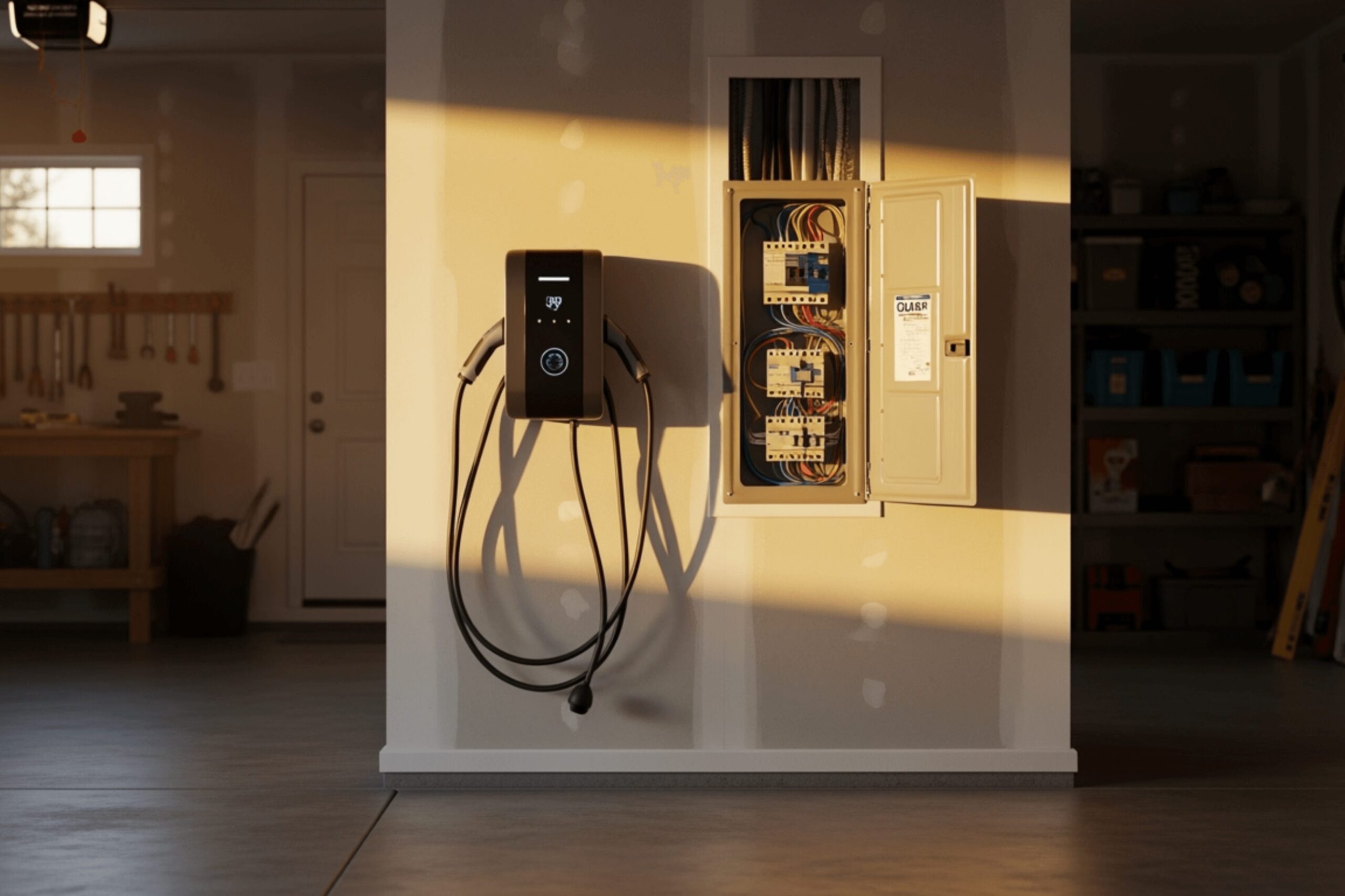
As electric vehicles become more popular in Vancouver and Burnaby, installing a dedicated EV charger at home is increasingly common—but it’s not your average DIY project. Preparing for an EV charger starts with checking your main panel’s available capacity: most Level 2 chargers require a dedicated 240V circuit with a breaker rated between 40 and 50 amps. The next step is selecting the correct wire gauge, which depends on the circuit’s amperage and length. For short runs, use this quick-reference:
Circuit AmperageMinimum Copper Wire Gauge15 amps14 AWG20 amps12 AWG30 amps10 AWG40 amps8 AWG50 amps6 AWG
Longer wire runs may require an even thicker gauge to prevent voltage drop, and all wiring decisions must comply with the Canadian Electrical Code.
Beyond wiring, EV charger installations demand proper grounding. Grounding connects your electrical system to a safe path into the earth, using a ground rod or approved water pipe. This is critical for safety—and it’s regulated. Any work involving new circuits, especially at the panel, should be completed by a licensed electrician and inspected as required.
Attempting an EV charger installation without the right expertise can risk fire, equipment damage, or failed inspections. For these reasons, a professional electrician should always handle EV charger circuits, ensuring your installation is safe, code-compliant, and ready for years of reliable use.
When Vancouver and Burnaby Homeowners Need an Electrician
While many electrical issues can be solved with simple troubleshooting or minor repairs, there are clear situations where only a licensed electrician will do. If your home needs a panel upgrade, sub-panel installation, system grounding, or EV charger setup, these projects require professional knowledge and compliance with codes. Similarly, persistent issues like recurring breaker trips, unexplained outages, or signs of electrical damage (burn marks, buzzing sounds, or hot outlets) are strong indicators that expert intervention is necessary.
Regular maintenance and scheduled inspections help prevent emergencies and support energy efficiency. Upgrading to LED lighting, adding dimmers, or installing smart thermostats not only lowers bills but often demands a professional touch to ensure safe integration with existing systems.
Remember, all electrical work in Vancouver and Burnaby must meet the Canadian Electrical Code and often requires an inspection. Never compromise on safety or code compliance. Partner with licensed, insured professionals for installations, repairs, and upgrades—your safety and peace of mind depend on it.
Quick-Reference Sidebar: Essential Safety Checklist
-
Always turn off power at the relevant breaker before starting electrical work.
-
Use a non-contact voltage tester to confirm the circuit is de-energized.
-
Wear insulated gloves and ensure your hands are dry.
-
Use tools rated for electrical work (e.g., insulated handles).
-
Keep a clear, dry workspace and avoid working alone.
-
Never attempt panel, grounding, or major circuit work without proper training.
-
Call a licensed electrician for complex, unfamiliar, or hazardous tasks.
By following these guidelines and knowing when to call a professional, you can tackle minor electrical tasks with confidence while keeping your household safe. For anything complex, A1 Arc Electric’s team of licensed electricians in Vancouver and Burnaby is ready to help, ensuring every job meets the highest standards for safety and reliability.