



A backyard hot tub sounds simple when you picture the finished result. Warm water. Steam on a cool evening. Patio lights on. Quiet after a long day.
The electrical side is not simple.
That part matters more than most homeowners expect, especially in Metro Vancouver, where wet weather, outdoor exposure, and municipal permit rules all shape the job. A hot tub pulls a serious electrical load. It also sits outside, close to people, water, and metal components. That combination leaves very little room for shortcuts.
If you are planning a new spa or replacing an old one, here is what actually matters during a hot tub electrical installation, why licensed electricians are worth it, and what can go wrong when the setup is rushed or undersized.
Why hot tubs need their own electrical plan
A hot tub is not just another backyard appliance. It has heaters, pumps, control systems, lights, and sometimes audio or circulation features running on a dedicated power supply. Many modern tubs need a 240V circuit, and a lot of them require 40A, 50A, or 60A service depending on the model.
That means the installation has to answer a few basic questions first:
- How much power does the unit require?
- Can the existing panel handle that load?
- Does the property need wiring upgrades or panel work?
- Where will the disconnect go?
- What kind of outdoor-rated equipment is needed for weather protection?
This is where homeowners sometimes underestimate the project. The spa itself might be ready for delivery, the pad might be poured, the landscaping might be finished, but if the electrical side was treated like an afterthought, delays start fast.
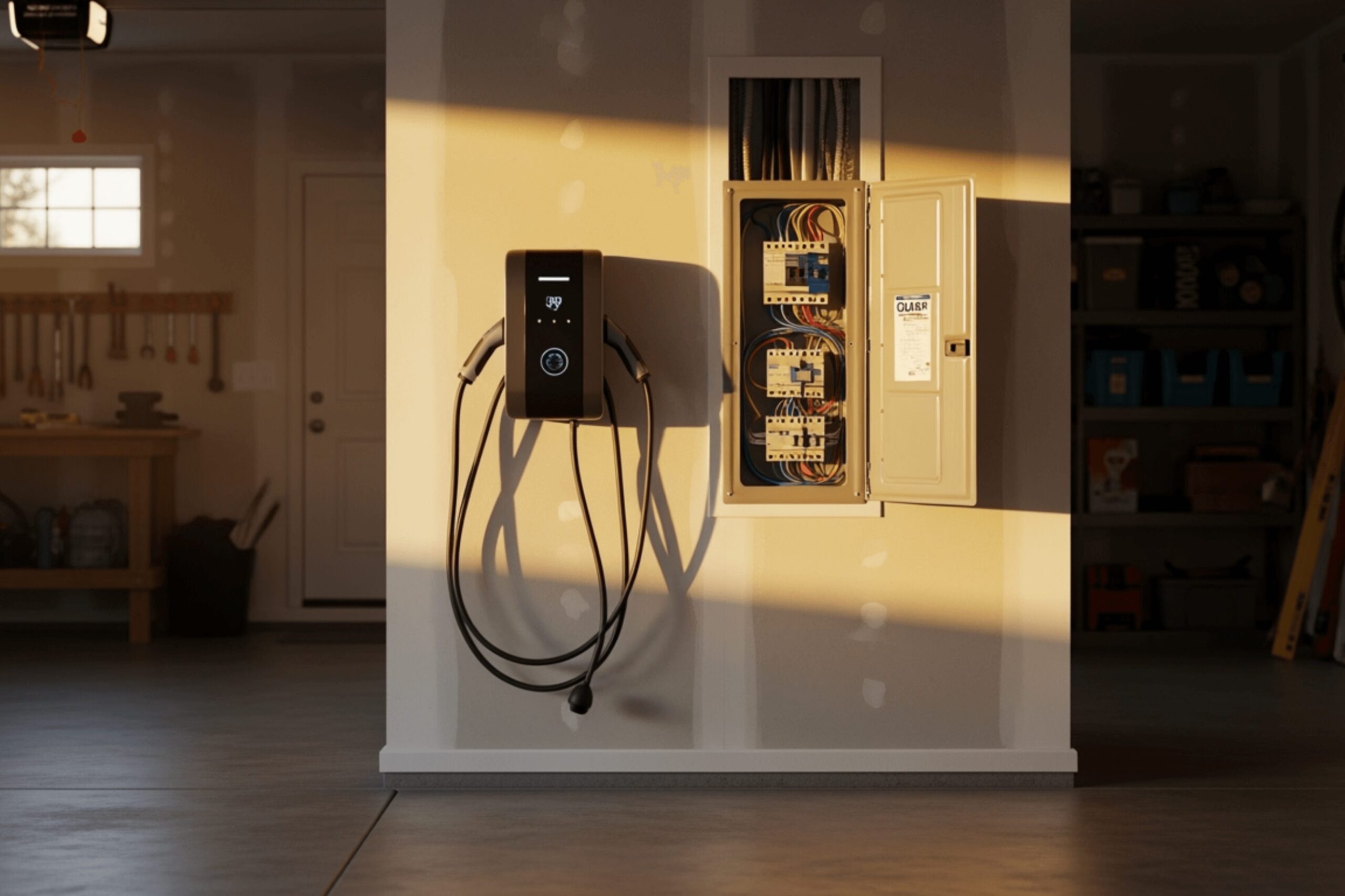
A proper installation is about more than turning the tub on. It is about making sure the wiring, breaker, GFCI protection, disconnect, conduit, grounding, and panel capacity all work together safely.
Why a licensed electrician matters
I think this is one of those jobs where DIY confidence can get expensive very quickly. Hot tubs involve high voltage, water, and outdoor conditions. That is already enough to make this specialized work.
Licensed electricians understand how to install a code-compliant setup that matches the manufacturer’s requirements and local rules. That sounds obvious, but it is where many problems start. If the breaker size is wrong, if the wire gauge is undersized, or if the disconnect is placed incorrectly, the hot tub may trip constantly, fail inspection, or create a real safety hazard.
A qualified electrician also knows when the spa itself is not the only issue. Sometimes the hot tub is just the thing that exposes an older electrical system. In older homes across Vancouver and the lower mainland, service panels may already be close to capacity because of added loads such as air conditioning, suite wiring, electric baseboards, or EV charger installation. A hot tub can push that system past what it should handle.
Licensed electricians are also the right people to spot less obvious issues, including:
- corroded or aging panel components
- lack of space for a dedicated breaker
- improper bonding or grounding
- unsuitable outdoor wiring methods
- poor placement of receptacles, switches, or disconnects near water
Insurance and permit compliance matter too. If something goes wrong, unpermitted or non-compliant work can create trouble with inspections, claims, resale, and repairs.
What a proper hot tub electrical installation includes
Every property is different, but a professional hot tub installation usually includes several core steps.
1. Site assessment
Before any wire is pulled, the electrician should review the hot tub specifications, the panel capacity, and the path from the electrical source to the spa. This is also when practical concerns get flagged.
For example:
- Is the run long enough that voltage drop becomes a factor?
- Will the wiring pass under a deck, across landscaping, or through finished spaces?
- Is the hot tub placed where disconnect access is safe and convenient?
- Will rain exposure or spray call for extra weatherproofing?
This part is not glamorous, but it saves headaches later.
2. Dedicated circuit installation
Hot tubs should have their own dedicated circuit sized to the manufacturer’s requirements. Sharing that load with other devices is a bad idea. A dedicated line reduces overload risk and prevents other household loads from interfering with spa operation.
This is one of the biggest reasons people look for residential electrical specialists instead of treating the job like general handyman work. Correct circuit design is the difference between stable performance and constant nuisance tripping.
3. GFCI protection and disconnect
Ground-fault protection is essential around water. The system also needs a properly located disconnect so power can be shut off safely for servicing or emergencies.
The exact setup depends on the equipment and local code requirements, but the principle is straightforward: if someone needs to service the tub or shut it down fast, they should be able to do that safely without standing in the wrong place or reaching through an unsafe area.
4. Panel review and possible upgrades
Sometimes the panel can accept the new breaker and load with no issue. Sometimes it cannot.
If the existing service is full or undersized, the project may require panel upgrades, subpanel work, or other wiring upgrades. This is common in older homes in the greater Vancouver area, especially where renovations have added more electrical demand over time.
No one loves hearing that the panel needs work. Still, it is better to hear it before the spa is delivered than after.
5. Outdoor-rated materials and weather protection
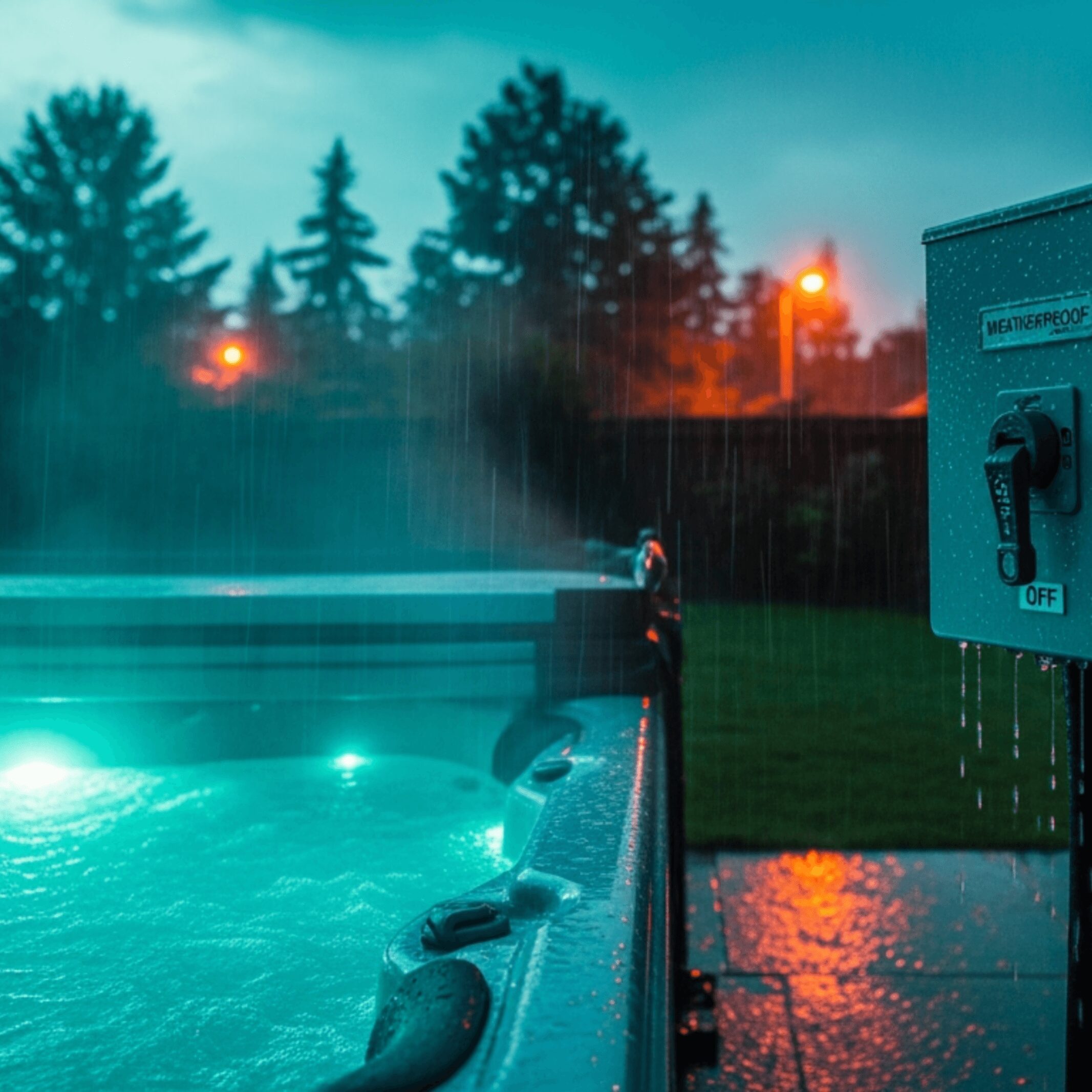
Metro Vancouver weather is hard on outdoor electrical equipment. Rain is obvious, but moisture, temperature swings, and long-term exposure matter too. Outdoor boxes, conduit, fittings, and disconnects need to be suitable for the environment.
A sloppy installation might work for a while. Then the first winter or a season of driving rain exposes every weak point.
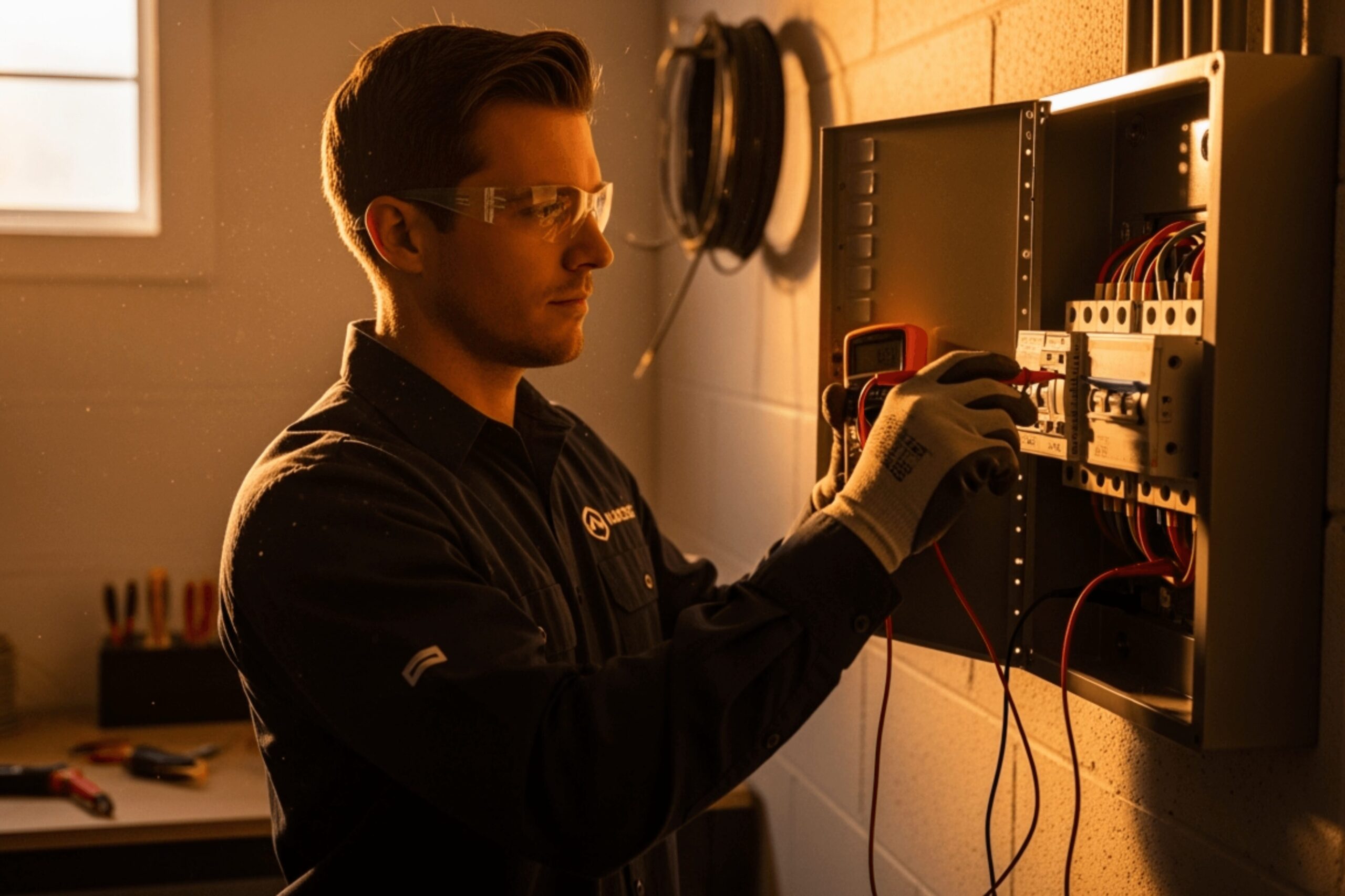
6. Testing and inspection
After installation, the system should be tested to confirm proper voltage, breaker function, GFCI operation, and overall safe performance. Depending on the jurisdiction, inspections may also be required before the setup is considered complete.
What to expect during the process in Metro Vancouver
Homeowners usually want a simple answer: how does this actually go from quote to soaking in the tub?
In real life, it usually looks like this.
First, the electrician reviews the spa specs and visits the site. They check the main electrical panel, confirm service capacity, plan the wire route, and talk through any obstacles. If the hot tub pad, deck, or landscaping is still being built, coordination with those trades matters a lot. This is especially true when conduit has to pass under concrete, through retaining walls, or around finished patio features.
Next comes permit planning. In Metro Vancouver, permit and inspection requirements can vary by municipality or by the authority handling the electrical work. Vancouver, Burnaby, Surrey, Richmond, Coquitlam, North Vancouver, West Vancouver, New Westminster, Port Coquitlam, and Port Moody may have slightly different processes. Good electricians account for that instead of guessing.
Then the installation starts. That may involve a new breaker, GFCI protection, a disconnect, conduit, outdoor-rated boxes, and final terminations at the spa. If the main panel is at capacity, there may be additional panel work before the spa circuit can be added.
After that, the system gets tested. If inspection is required, it happens before the job is signed off. Only then should the spa be energized for regular use.
If anything unexpected turns up, such as a packed panel, damaged existing wiring, or an unsafe previous backyard electrical setup, the timeline can stretch. That is frustrating, yes. It is still better than pretending those issues do not exist.
Common mistakes homeowners make
There are a few mistakes that show up again and again with hot tubs.
Assuming any outdoor outlet will do
It will not. A hot tub is not patio lighting or a small pump. It needs a dedicated power supply designed for its actual load.
Buying the tub before checking the panel
This is incredibly common. People choose the spa, schedule delivery, and only then ask whether the electrical system can support it. Sometimes that works out. Sometimes it means rushed panel changes under deadline pressure, which is never ideal.
Using undersized wiring
Undersized conductors can overheat, create voltage problems, or lead to poor hot tub performance. Even when they do not fail dramatically, they can cause equipment stress and recurring trips.
Skipping the disconnect or GFCI requirements
These are not optional details. They are part of safe operation around water.
Hiring someone who does “a bit of everything”
A hot tub electrical installation is not the place for vague experience. You want licensed electricians who regularly handle residential electrical work, outdoor circuits, wiring upgrades, and code-compliant installations.
Forgetting about future load growth
A home that is adding a hot tub today may also add an EV charger installation tomorrow, plus heat pumps, new appliances, or a renovation later. Looking at the full electrical picture is smart, especially in growing households.
How proper installation affects performance and longevity
People often think of electrical work as invisible infrastructure. Once the tub powers on, they assume the job is done.
Not quite.
A correct installation supports how the hot tub performs over time. Stable power helps heaters and pumps run as intended. Proper breaker sizing reduces nuisance tripping. Good voltage delivery helps protect control boards and motors from unnecessary stress. A clean, code-compliant setup also makes future servicing easier because technicians can isolate and inspect the equipment properly.
In plain terms, better electrical work often means fewer annoying problems.
That includes:
- fewer unexpected shutdowns
- less risk of breaker trips during heating cycles
- lower chance of component damage caused by unstable supply
- easier maintenance and troubleshooting
- more reliable use in colder months when the heater works harder
For homeowners thinking about energy efficiency, installation quality matters there too. A properly sized circuit and healthy electrical connection do not magically turn a hot tub into a low-energy appliance, but they do help it operate the way it was designed to. Pair that with a well-insulated cover, good programming habits, and regular maintenance, and the system usually runs more sensibly.
That fits broader energy-conscious habits many homeowners in BC are already adopting, even if the hot tub itself is still, let’s be honest, partly about comfort.
Local considerations in Vancouver and the lower mainland
Hot tub installations in the lower mainland have a few local realities that are worth keeping in mind.
Wet climate
This is the obvious one. Outdoor electrical gear needs to handle moisture well. Weatherproof enclosures, proper seals, and suitable routing matter more here than they might in drier places.
Older housing stock
Many homes in Vancouver and nearby municipalities have older electrical systems. Some have been upgraded in stages over the years. Others still have limited panel space or service capacity. A hot tub can expose those limits fast.
Permit variations
The greater Vancouver area is not one single permit desk with one single process. Requirements can differ, and it is worth checking before work starts.
Finished backyards
Hot tubs often go in after the patio, deck, fencing, and landscaping are already done. That makes the wiring route more complicated. It can still be done cleanly, but planning matters. Nobody wants trenching or visible conduit to ruin a finished outdoor space if better options exist.
Emergency support matters
Outdoor equipment does not always fail during business hours. If a disconnect trips, water gets into an enclosure, or a breaker issue shows up unexpectedly, access to 24/7 emergency service can be useful. You hope you never need it. Still, for outdoor power and water-related systems, it is a practical thing to ask about.
Questions to ask before hiring an electrician
A few direct questions can tell you a lot:
- Are you licensed and insured for this type of electrical work?
- Have you installed power for this hot tub model or similar ones before?
- Will the installation include a dedicated circuit, GFCI protection, and disconnect?
- Do you handle permits and inspection coordination if required?
- Can you confirm whether my panel has enough capacity?
- What outdoor-rated materials will be used?
- What happens if the panel needs upgrades?
- Do you offer emergency support if a problem comes up later?
You do not need a slick sales pitch. You need clear answers.
Final thoughts
A hot tub should feel relaxing. The electrical installation should not feel like a gamble.
In Metro Vancouver, a safe setup depends on more than just getting power to the spa. It takes proper load calculations, dedicated circuits, weather-resistant equipment, code-compliant protection, and attention to local permit rules. It also takes someone willing to say, “Your panel is fine,” or, when needed, “This needs upgrading before we proceed.”
That honesty matters.
If you are planning a hot tub in Vancouver or elsewhere in the lower mainland, treat the electrical work as part of the project from day one, not the last box to check after the landscaping is done. It is one of those details you barely notice when it is done right, and notice constantly when it is not.