

Why EV Charger Longevity Matters in Sustainable Communities
As Vancouver and Burnaby continue to champion sustainable living, the widespread adoption of electric vehicles (EVs) has become a hallmark of these forward-thinking communities. But the journey toward a greener future extends beyond simply driving EVs—it also hinges on the longevity and reliability of the charging infrastructure that supports them. For property owners, whether residential, commercial, or industrial, the lifespan of an EV charger directly influences the effectiveness of their investment in clean transportation.
Reliable EV chargers ensure that vehicles remain ready for use, supporting daily activities and business operations without interruption. When chargers last longer and require fewer repairs or replacements, property owners benefit from reduced maintenance costs and avoid the inconvenience of frequent downtime. Prolonging the life of EV chargers also aligns with the broader environmental goals of these communities by reducing electronic waste and conserving resources.
Moreover, properties equipped with robust, dependable charging solutions become more attractive to tenants, buyers, and employees who prioritize sustainability and convenience. This not only enhances property value but also demonstrates a commitment to supporting a cleaner, more efficient transportation ecosystem. By understanding and prioritizing EV charger longevity, Vancouver and Burnaby property owners play a vital role in nurturing a resilient, sustainable community infrastructure.
Understanding the Typical Lifespan of EV Chargers
When investing in an EV charger, one of the key considerations is its expected lifespan. On average, EV chargers are designed to last between 10 and 15 years. This range, however, is not set in stone—actual longevity can be influenced by several variables, such as how often the charger is used, where it’s installed, and how well it’s maintained.
Frequent use, especially in high-traffic commercial or industrial settings, can accelerate wear on the charger’s internal components. In contrast, chargers at single-family homes or lower-traffic locations may experience less stress, potentially extending their operational life. Environmental conditions also play a significant role—chargers exposed to harsh weather, fluctuating temperatures, or high humidity tend to degrade faster than those in protected, climate-controlled environments.
It’s important to note that even if an EV charger continues to function as it ages, its performance may gradually decline. This could manifest as slower charging speeds, inconsistent operation, or increased energy consumption. Property owners should factor in not just the upfront purchase and installation costs, but also the long-term expenses associated with repairs, maintenance, and eventual replacement. Understanding these dynamics helps in making informed decisions and optimizing the total cost of ownership for EV charging infrastructure.
Key Factors Impacting Charger Durability: Usage, Environment, and Maintenance
The durability of an EV charger is shaped by a combination of usage patterns, environmental exposure, and the level of ongoing maintenance it receives. High-frequency charging, especially at maximum power output, puts additional stress on the charger’s circuitry and connectors. Over time, this can lead to accelerated wear, with a single worn component potentially impacting the efficiency and safety of the entire system.
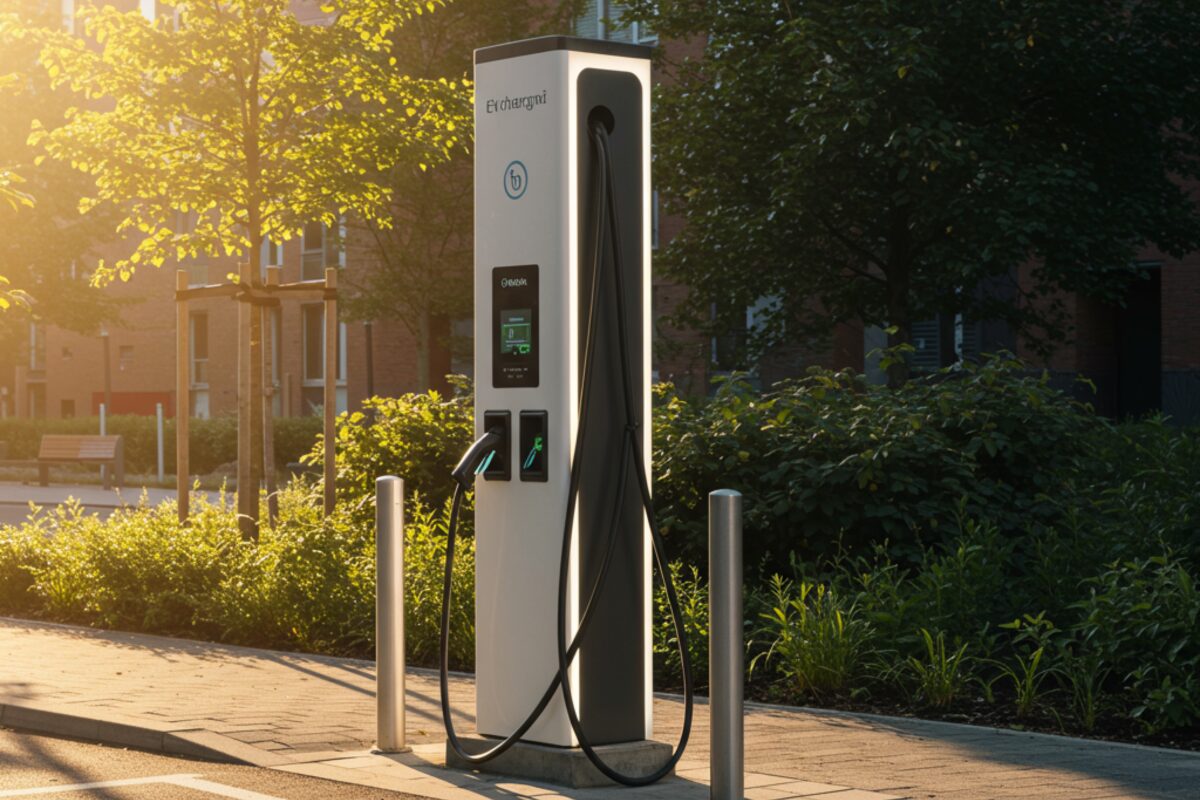
Environmental factors are equally influential. Chargers installed outdoors and exposed to rain, snow, direct sunlight, or temperature extremes are more prone to corrosion, rust, and electrical degradation. Moisture can seep into connectors, while UV rays may deteriorate plastic and rubber parts, leading to premature aging. Property owners can significantly extend a charger’s service life by situating it in a sheltered location, such as a garage or under a canopy, or by incorporating weatherproof enclosures.
Quality maintenance is the glue that holds everything together. Regular inspections, cleaning, and prompt attention to minor issues such as loose wires or surface rust can prevent small problems from escalating into major failures. Well-maintained chargers not only last longer but also provide more consistent performance, giving users peace of mind and maximizing the return on their investment.
Maintenance Best Practices to Extend Your Charger’s Life
Proactive maintenance is essential for extending the life of an EV charger and ensuring it operates safely and efficiently. Start by regularly cleaning the charger housing and connectors to prevent the buildup of dust, dirt, and moisture, which can cause overheating or electrical faults. Use a soft, dry cloth for basic cleaning, and avoid harsh chemicals that could damage sensitive components.
It’s also important to inspect the unit for signs of corrosion or rust, particularly on metal parts and connection points. These issues are especially common in damp or coastal environments and, if left unchecked, can compromise the structural integrity and safety of the charger. Examine all cables, plugs, and display panels for cracks, fraying, or discoloration—these are early indicators of wear that warrant attention.
Property owners should consider scheduling periodic inspections by licensed professionals. These experts can conduct in-depth assessments, test electrical connections, and make adjustments or repairs as needed to keep the system running smoothly. Addressing minor concerns promptly—such as tightening a loose connector or replacing a worn cable—prevents more costly repairs down the line. By following these maintenance best practices, EV charger owners in Vancouver and Burnaby can enjoy reliable performance and maximize the lifespan of their charging equipment.
Recognizing When It’s Time to Replace Your EV Charger and Seek Expert Advice
Even with diligent care, there comes a point when an EV charger no longer meets the needs of its users or presents potential safety risks. A clear sign that replacement may be necessary is a noticeable slowdown in charging speed or an overall drop in performance—vehicles take longer to charge, or the charger struggles to initiate or complete charging sessions reliably.
Another red flag is a spike in energy consumption, which can indicate internal inefficiencies or failing components. Modern chargers are designed to be more energy-efficient, so upgrading to a newer model can help lower electricity costs and reduce environmental impact. Additionally, technological advances mean that older chargers may lack important safety features or compatibility with the latest EV models.
Safety should always be paramount. If the charger exhibits symptoms such as overheating, unusual noises, warning lights, or visible damage, it should be taken out of service and assessed by a qualified professional. Electrical systems are complex, and attempting DIY repairs can pose serious risks. Consulting an expert ensures any issues are diagnosed accurately and resolved in compliance with safety standards. Professional evaluation also provides guidance on whether repair or replacement is the best course of action, helping property owners maintain reliable, efficient, and safe charging infrastructure.