

Why Infrared Scanning Matters for Modern Electrical Systems
In today’s fast-paced world, electrical systems are more complex and more essential than ever. Whether it’s powering machinery in an industrial facility, controlling lighting in a commercial building, or ensuring comfort in a home, modern circuits and control systems must operate reliably. This is where infrared (IR) scanning steps in as a game-changing tool for electrical maintenance.
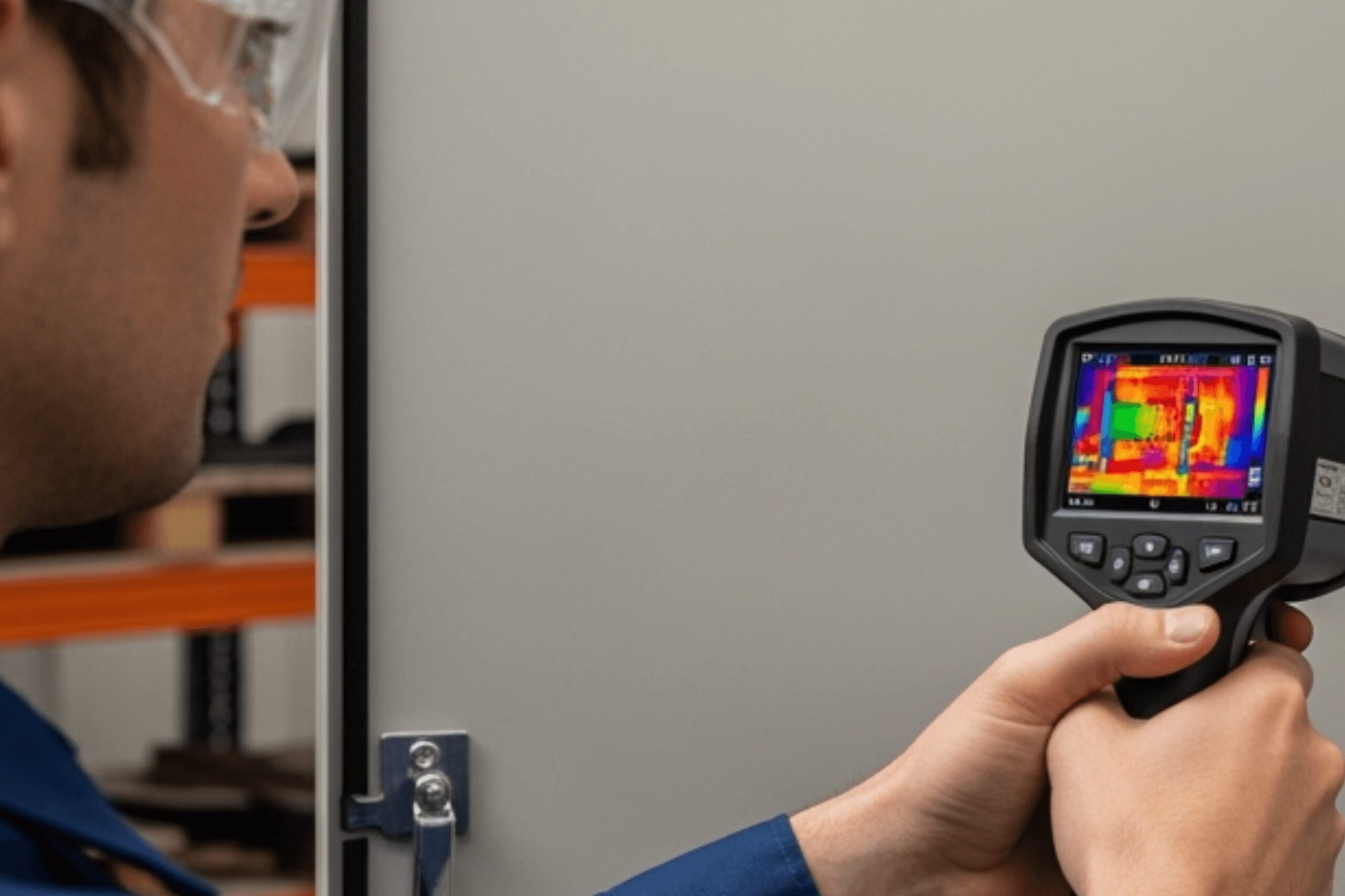
Infrared scanning uses thermal imaging technology to detect abnormal heat patterns in electrical equipment and wiring. When components such as connectors, circuit breakers, or relays begin to fail, they often generate excess heat—a clear warning sign that’s invisible to the naked eye. By capturing these thermal signatures early, IR scans allow property owners and facility managers to take corrective action before a minor issue becomes a major failure.
This proactive approach helps prevent costly downtime, reduces the risk of electrical fires, and extends the lifespan of equipment. It also supports compliance with evolving safety standards, which increasingly require routine preventative maintenance for high-risk installations. Whether overseeing the safety of a warehouse’s motor control panels or the integrity of a residential electrical system, regular IR scanning is an essential step in safeguarding people, assets, and productivity.
How IR Scanning Works in Panels, Motor Control, and PLC Automation
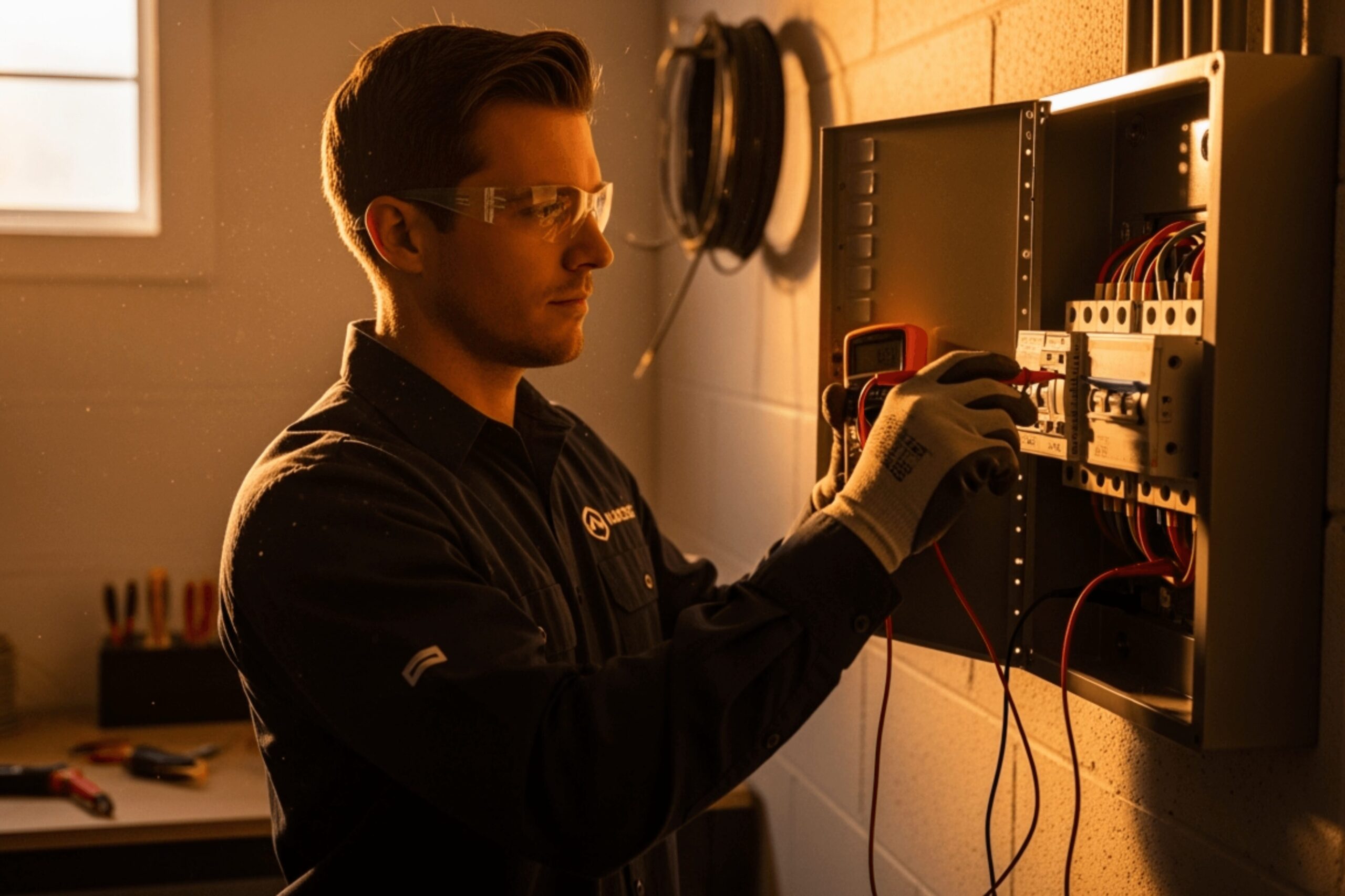
Infrared scanning is a non-invasive diagnostic technique that brings clarity to the inner workings of electrical systems. The process begins with a trained technician using a handheld IR camera to scan panels, wiring, and electrical enclosures while the equipment is energized and operating under normal load. This real-time analysis is vital for identifying components that are running hotter than their surroundings—a strong indicator of underlying issues.
In motor control centers (MCCs), IR scanning focuses on detecting loose cable terminations, overloaded wires, and failing contactors. These issues, if left unchecked, can lead to serious motor failures or even catastrophic electrical fires. Similarly, programmable logic controllers (PLC) and automation panels are packed with sensitive electronics. Overheating in these areas can disrupt automated processes, leading to unplanned downtime and financial losses.
The ability to detect such problems without dismantling equipment means less interruption to normal operations. Technicians can zero in on trouble spots and recommend targeted repairs, keeping everything from industrial pumps to commercial lighting controls running efficiently. This approach is also effective for residential panels, helping homeowners avoid unexpected power outages and costly repairs. IR scanning is a versatile tool in the preventative maintenance toolkit, suitable for any environment where electrical reliability and safety are paramount.
Finding Hidden Problems: Heat Signatures, Building Leaks, and Insulation Gaps
Infrared scanning excels at uncovering hidden problems that can compromise building performance and safety. Beyond electrical faults, thermal imaging is a powerful ally in building diagnostics. When a qualified technician sweeps an IR camera across walls, ceilings, roofs, and floors, the resulting thermal images highlight temperature variations that point to trouble spots.
For example, warm areas along an exterior wall may signal missing insulation, allowing heat to escape during winter or enter during summer. This not only drives up energy costs but also reduces occupant comfort. Similarly, cool streaks in unexpected places often indicate moisture infiltration from leaking roofs, windows, or plumbing—a precursor to mold growth and structural damage.
Air leaks around windows, doors, or ductwork are also quickly spotted with IR scanning. By pinpointing these gaps, building owners can target repairs that improve energy efficiency and indoor air quality. In commercial and industrial settings, the technology is equally valuable for maintaining the integrity of specialized spaces, such as cold storage or clean rooms.
Importantly, IR scans help property owners and managers prioritize their maintenance budgets. Instead of guessing where problems may be lurking, they receive clear, visual evidence of the most urgent issues. This data-driven approach ensures that repairs are made where they will have the greatest impact on safety, comfort, and cost savings.
From Emergency Repairs to Preventative Maintenance: Planning, Reporting, and Safety Compliance
Traditional electrical maintenance often relied on reactive strategies—waiting for something to fail, then rushing in to fix it. While this approach might work in the short term, it leads to unpredictable downtime, higher repair costs, and increased safety risks. Infrared scanning revolutionizes maintenance by making it preventive and predictive.
With regular IR scans, facility managers can spot early warning signs and plan maintenance activities well before failures occur. For example, a thermal anomaly in a breaker panel can be flagged for repair during the next scheduled shutdown, avoiding an unplanned outage. This shift from emergency response to scheduled maintenance reduces both operational and financial stress.
Every IR scan generates a detailed report that includes thermal images of problem spots, temperature data, and recommended actions. These reports serve multiple purposes: they guide repairs, support insurance claims, and provide documentation for regulatory compliance. Many safety codes and industry audits now require proof of ongoing preventative measures—IR scanning reports fulfill this requirement, helping organizations demonstrate their commitment to safety.
Furthermore, a data-driven maintenance program enables long-term planning. Facility managers can track recurring issues, evaluate the effectiveness of repairs, and allocate budgets more efficiently. In the end, investing in proactive IR scanning and reporting leads to safer environments, fewer disruptions, and more predictable maintenance costs across residential, commercial, and industrial properties.
Choosing Qualified Thermographers and Electricians for IR Scanning and Electrical Installation
The effectiveness of infrared scanning hinges on the skill and certification of the professionals performing it. Not all thermal scans are created equal—a poorly conducted scan can miss critical issues or generate misleading results. That’s why it’s essential to work with certified thermographers who understand both the technology and the intricacies of modern electrical systems.
Certification typically involves rigorous training in thermography, hands-on experience, and a deep understanding of how electrical heat signatures relate to real-world faults. These professionals interpret thermal images with precision, distinguishing between normal operating temperatures and warning signs of trouble. Their expertise extends to creating actionable reports that facility owners and managers can trust.
Equally important is choosing electricians who are not only skilled in installations and repairs but also fully licensed and insured. This ensures that all work meets local codes and safety standards, reducing liability and risk. When it comes to complex systems—like motor controls, PLC automation, and building-wide electrical installations—professional experience makes the difference between a job done right and one that leaves safety to chance.
When selecting a provider for IR scanning or any electrical service, look for clear credentials, a track record of reliability, and a commitment to ongoing training. Ask for references, request sample reports, and verify insurance and licensing. In the end, the right team combines technical knowledge with a customer-oriented approach, delivering peace of mind along with safer, more efficient electrical systems.