


From Simple Switches to Smart Systems: What Motor Control Really Means
Motor control has come a long way since the days of simple on-off switches. In today’s industrial and commercial environments, motor control encompasses a broad array of technologies designed to manage the operation of electric motors efficiently, safely, and intelligently. At its core, motor control refers to the methods and devices used to start, stop, regulate speed, protect, and monitor motors that drive everything from pumps to conveyors and HVAC systems.
Modern motor control systems are more than just a means of turning machines on or off. With the integration of advanced electronics and automation, facilities now benefit from programmable logic controllers (PLCs), variable frequency drives (VFDs), and networked sensors. These advancements allow for precise control over motor-driven equipment, resulting in significant improvements in energy efficiency and process optimization.
Safety is another critical benefit of modern motor control systems. Automated monitoring and protective features reduce the risk of equipment failure and electrical hazards, which is essential for maintaining workplace safety standards in busy commercial and industrial settings. For businesses in Burnaby and Vancouver, these systems support not just operational efficiency, but compliance with rigorous safety regulations.
In summary, motor control today is about smart management—a combination of technology and strategy that helps facilities run reliably, save on energy costs, and keep personnel safe. As electrified operations continue to grow more complex, understanding motor control becomes foundational for any commercial or industrial facility aiming to stay competitive and compliant.
Key Components: PLCs, VFDs, Pumps and Modern Industrial Automation
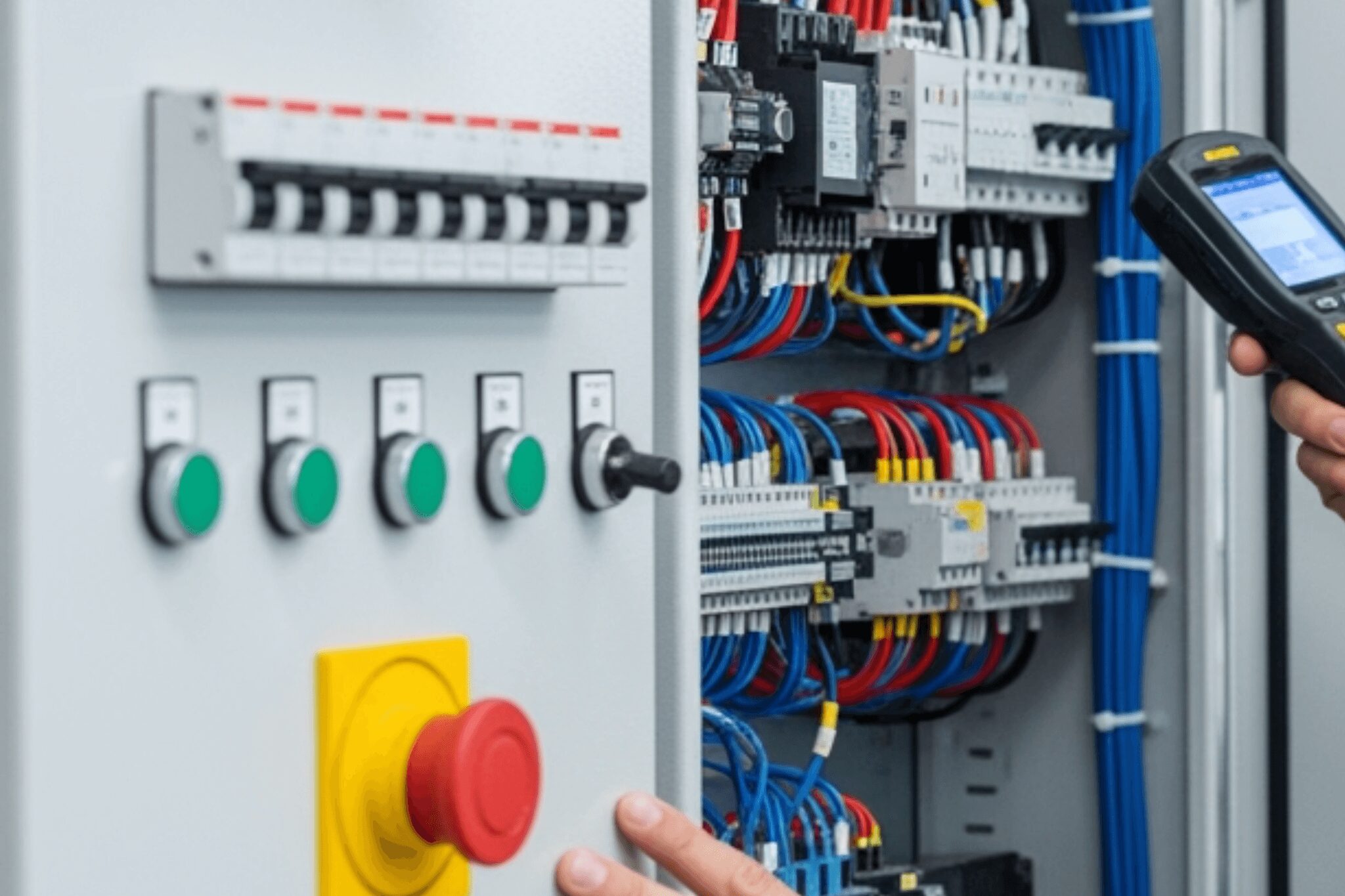
At the heart of every advanced industrial or commercial automation system are several key components, each playing a pivotal role in ensuring smooth and optimized operations. Programmable Logic Controllers (PLCs) act as the brains of many automated processes. These rugged, digital computers are designed to receive input from sensors, execute programmed logic, and control outputs such as motors, valves, and alarms. Their flexibility, reliability, and scalability make them indispensable for tasks ranging from simple machine control to complex, multi-stage manufacturing sequences.
Variable Frequency Drives (VFDs) are another essential component. They allow precise adjustment of motor speed and torque by varying the frequency and voltage supplied to electric motors. This capability not only enhances process control, but also results in considerable energy savings and reduced mechanical wear, especially in applications like HVAC systems, conveyors, and pumping stations.
Speaking of pumps, these are integral to countless industrial and commercial processes—circulating water, chemicals, or other fluids as required. When integrated with PLCs and VFDs, pump systems become highly responsive and can automatically adjust to demand, reducing waste and preventing costly breakdowns.
Bringing all these elements together is industrial automation. Modern facilities in Burnaby and Vancouver often use networked systems to monitor and control every aspect of production, energy use, and safety. Automated alarms, data logging, and remote monitoring are now standard, supporting both day-to-day efficiency and long-term reliability.
In the real world, these technologies enable everything from automated greenhouse irrigation to energy-efficient office buildings. By understanding how PLCs, VFDs, and pumps work in concert, facility managers and business owners can unlock significant operational improvements and prepare for future upgrades.
Designing Safe and Reliable Commercial & Industrial Electrical Installations
A successful commercial or industrial electrical installation begins with meticulous design, careful component selection, and skilled workmanship. Safety and reliability are non-negotiable priorities; even minor oversights can lead to operational disruptions, equipment damage, or hazards for staff and property.
Professional design ensures that every part of the electrical system—from switchboards to control panels—is properly sized, protected, and accessible. Licensed electricians bring not only technical expertise, but also a thorough understanding of local codes and regulations, which is especially important in regions like Burnaby and Vancouver where building and electrical standards are strictly enforced.
The choice of materials and components is equally critical. High-quality circuit breakers, wiring, enclosures, and motor starters are selected not just for performance, but for long-term durability in challenging industrial environments. For example, installations in damp or dusty areas may require specialized enclosures and corrosion-resistant fittings.
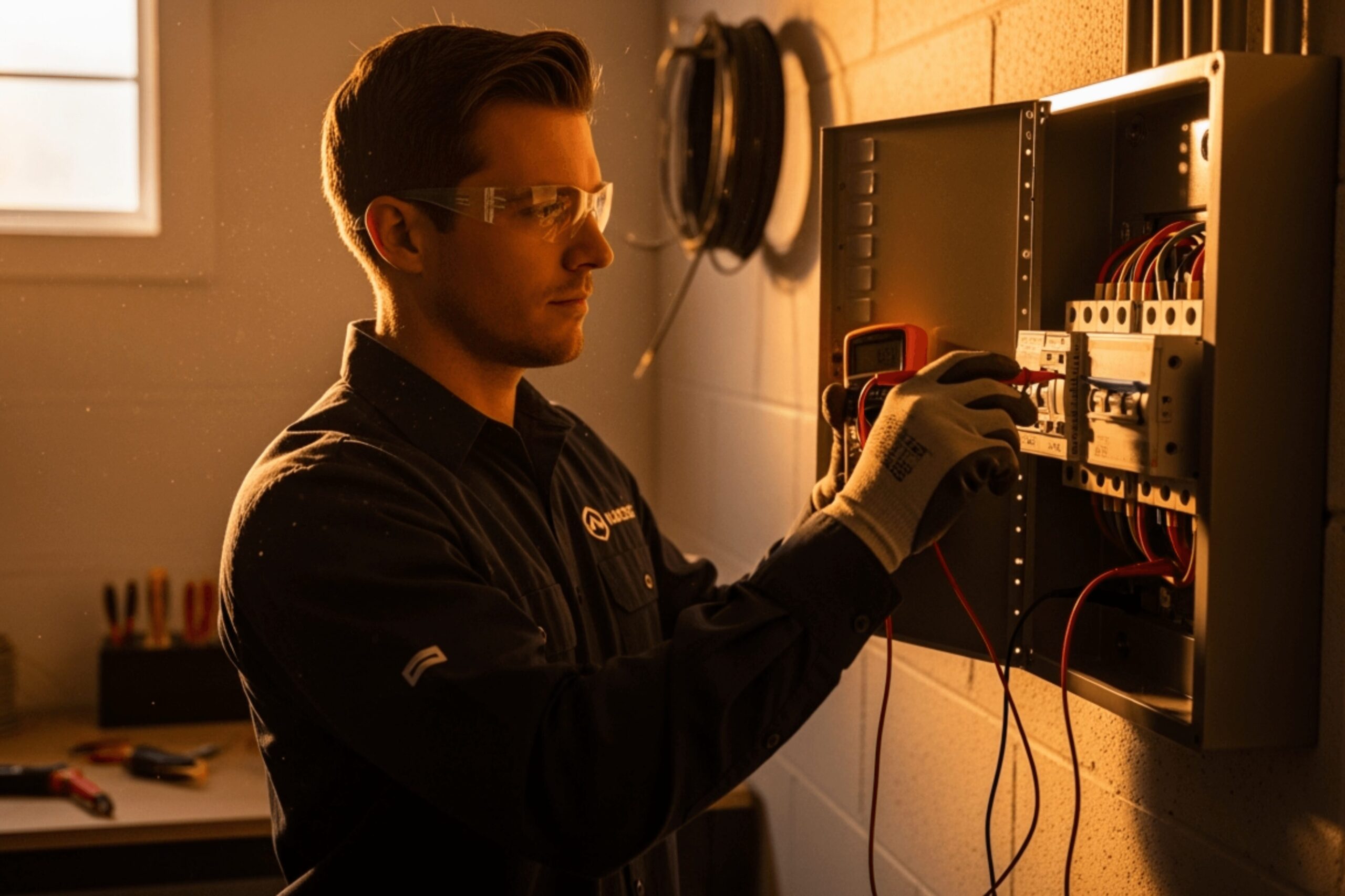
Safety protocols must be rigorously followed throughout the installation process. This includes lockout/tagout procedures, proper equipment grounding, and comprehensive system testing before any system is commissioned. Clear labeling and documentation are also essential so staff can quickly identify circuits and controls, minimizing response times in case of emergency.
Unique factors in the Lower Mainland, such as seismic activity and moisture, also influence installation practices. Electricians must design systems to withstand these regional challenges, ensuring that facilities remain safe and operational even in adverse conditions.
Ultimately, the foundation of reliable industrial automation and motor control is a properly designed and installed electrical system—one that stands up to everyday demands and supports future growth.
Preventative Maintenance Essentials: IR Scanning, Testing and Scheduled Service
Preventative maintenance is the cornerstone of safe, efficient, and cost-effective industrial operations. Unlike reactive maintenance, which addresses problems only after they occur, preventative strategies are proactive, aiming to identify and correct potential issues before they impact productivity or safety.
Regular inspections and testing of electrical systems are vital. Over time, even the best installations can develop loose connections, insulation degradation, or component wear. Scheduled maintenance allows trained professionals to detect and address these vulnerabilities early, preventing small issues from escalating into major failures.
One of the most valuable tools in modern preventative maintenance is infrared (IR) scanning. Using thermal cameras, technicians can “see” heat patterns in electrical panels, switchboards, and motor control centers. Hot spots may indicate overloaded circuits, loose connections, or failing components—all of which can be remedied before they cause costly downtime or fire hazards.
The benefits of a robust preventative maintenance program are substantial. Facilities experience fewer unplanned outages, extend the life of critical equipment, and reduce energy waste. Safety is also enhanced, as regular testing uncovers hidden dangers that could otherwise result in electrical shocks or fires.
Best practices include documenting maintenance schedules, maintaining detailed service records, and partnering with professionals who understand the unique needs of your facility. In environments with demanding workloads or harsh conditions, increased inspection frequency may be required.
For businesses in Burnaby and Vancouver, where reliability and safety are non-negotiable, preventative maintenance isn’t just a recommendation—it’s an essential investment in the long-term health and productivity of your operation.
Planning Your Next Upgrade: How to Prepare for New Automation and Motor Control Work
The decision to upgrade automation and motor control systems marks a significant step in boosting facility efficiency, safety, and adaptability. Whether prompted by aging equipment, increased demand, or advances in technology, a well-planned upgrade can yield impressive returns—but only if approached methodically.
Start by assessing your current systems. Take inventory of existing controls, motors, wiring, and automation components. Identify areas where performance lags, maintenance issues recur, or energy costs seem excessive. This groundwork helps clarify the primary goals of your upgrade, whether that’s enhancing energy efficiency, expanding production capacity, improving safety, or preparing for future technological advances.
Budgeting and timeline planning are crucial. Upgrades often involve both equipment costs and labor, so set realistic expectations regarding investment and downtime. Remember to factor in ancillary expenses, such as temporary shutdowns or employee training.
Engaging with professional electrical contractors early ensures the project is scoped accurately and aligns with both regulatory requirements and industry best practices. Experienced technicians can recommend the latest technologies—such as advanced PLCs and VFDs—and design systems that not only meet today’s needs but are also flexible enough to accommodate future demands.
Preparing for an upgrade also means planning for minimal disruption. Schedule major work during planned shutdowns or slow periods, and communicate clearly with all affected personnel. Develop a phased approach if necessary, so critical operations remain online as much as possible.
With careful assessment, clear goals, and professional guidance, your next automation or motor control upgrade can transform the productivity, reliability, and safety of your facility—keeping you competitive and future-ready in the rapidly evolving world of industrial electrification.