



Why Planning Your Fire Alarm System Matters for Safety and Compliance
Fire alarm systems are more than just another electrical component; they serve as a building’s first line of defense against fire emergencies. Careful planning is essential because a correctly designed and installed system can mean the difference between a controlled incident and a catastrophic loss. For both homes and businesses, failing to plan a fire alarm installation exposes property owners and occupants to significant risks, including injury, property loss, and even legal action if safety standards aren’t met.
A well-planned fire alarm system is essential for meeting legal obligations. For example, property and business owners in Burnaby and Vancouver are required by law to maintain adequate fire protection measures. Insurance policies often demand proof of compliant fire alarm systems, and claims can be denied if a system is found lacking or improperly installed. Beyond legal and insurance ramifications, the right fire alarm system plays a pivotal role in saving lives, alerting occupants quickly so they can evacuate safely.
Moreover, an updated fire alarm system can increase property value and support smooth business operations by minimizing downtime. Whether you’re managing a commercial facility with hundreds of employees or simply looking to protect your family home, investing time and expertise into planning your fire alarm system is a foundational step for long-term safety, compliance, and peace of mind.
Key Code, Permits, and Safety Standards in Burnaby and Vancouver
Adhering to key codes, permits, and safety standards is not optional—it’s a legal and moral imperative. In Burnaby and Vancouver, all fire alarm system installations must comply with the British Columbia Building Code and relevant sections of the National Fire Code of Canada. These codes outline where detectors are required, the types of alarms permitted, and how systems should be interconnected and powered.
Securing the proper permits before installation is critical. Municipalities typically require that property owners or their contractors submit detailed plans and obtain approval before any work begins. This process ensures that your system meets both provincial and local requirements, reducing the risk of costly modifications or penalties down the line.
Only licensed and insured electricians should handle these installations. Certified professionals are familiar with key standards such as CAN/ULC-S524—which governs fire alarm installation—and know how to navigate the complex permit process. After installation, city inspectors will review the work to ensure all components are up to code. Proper documentation, including system schematics and installation certificates, should be kept on file for future reference and insurance purposes.
Ultimately, meeting all necessary codes, permits, and standards helps safeguard not only your property but also the lives of everyone inside. It also shields you from fines, insurance claim disputes, and potential legal issues following an incident.
Designing the Right Fire Alarm System for Your Building
Every building is unique, and so is its ideal fire alarm system. Before installation, a thorough assessment of your property is essential: consider the size of the building, the number of occupants, and specific risks associated with how the space is used. For example, an apartment complex, a warehouse, and a retail storefront will each have different fire hazards, evacuation routes, and system requirements.
You’ll need to choose between conventional and addressable fire alarm systems. Conventional systems are cost-effective for smaller properties, while addressable systems, which allow pinpoint identification of the trigger source, are better for larger or more complex buildings. Modern systems can also be integrated with sprinklers, emergency lighting, and building management systems to optimize safety responses during an emergency.
Strategic placement of smoke detectors, heat sensors, and alarm sounders is critical. Detectors should be installed in every room, hallway, and key area according to code, ensuring comprehensive coverage and rapid detection. For specialized environments—such as industrial kitchens or rooms with heavy machinery—additional sensors may be necessary to detect specific hazards.
Customization is key: a residential fire alarm system differs from one designed for a sprawling industrial facility. Working with knowledgeable professionals ensures that your system is tailored to your building’s unique needs, maximizing protection for everyone inside.
Electrical Considerations: Wiring Upgrades, Power Supply, and Related Electrical Upgrades
A reliable fire alarm system depends on a robust electrical backbone. Before installation, it’s vital to evaluate your building’s current wiring and electrical capacity. Many older properties may require wiring upgrades to ensure that the fire alarm system operates without interruption or interference. Outdated wiring not only poses a fire risk but can also compromise the reliability of your safety systems.
Fire alarm systems must be connected to dedicated electrical circuits to prevent accidental shut-offs during maintenance or unrelated electrical faults. Power supply reliability is reinforced by installing battery backups or auxiliary power sources, ensuring that alarms continue to function during power outages—an essential safeguard in both residential and commercial settings.
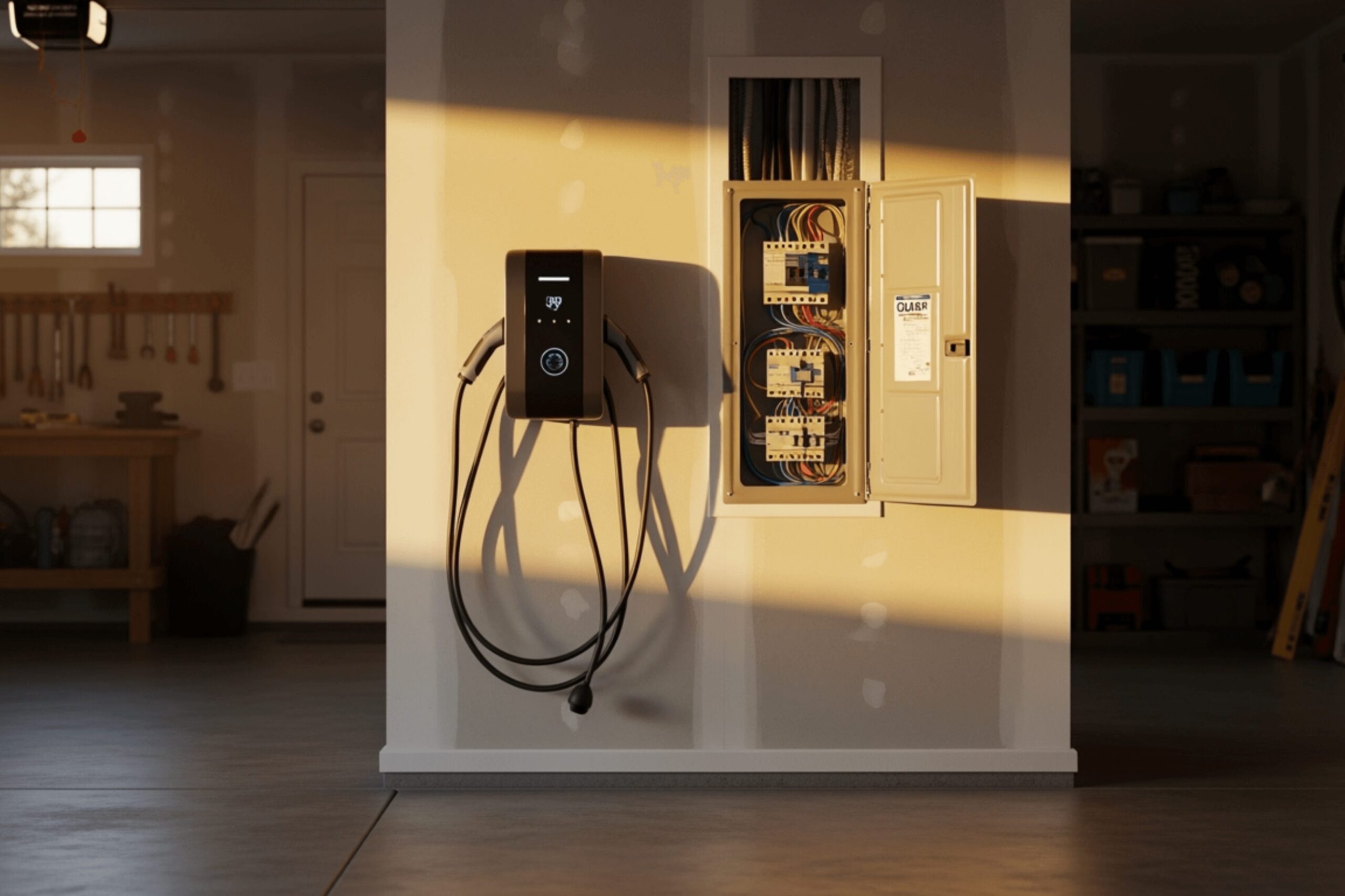
If you’re already considering electrical upgrades—such as lighting upgrades, tenant improvements, or new charging stations—it’s efficient to coordinate these projects. Bundling upgrades can minimize disruption, improve overall system integration, and save on labor costs. For example, modernizing your lighting can complement new fire alarm installations, enhancing safety and energy efficiency at the same time.
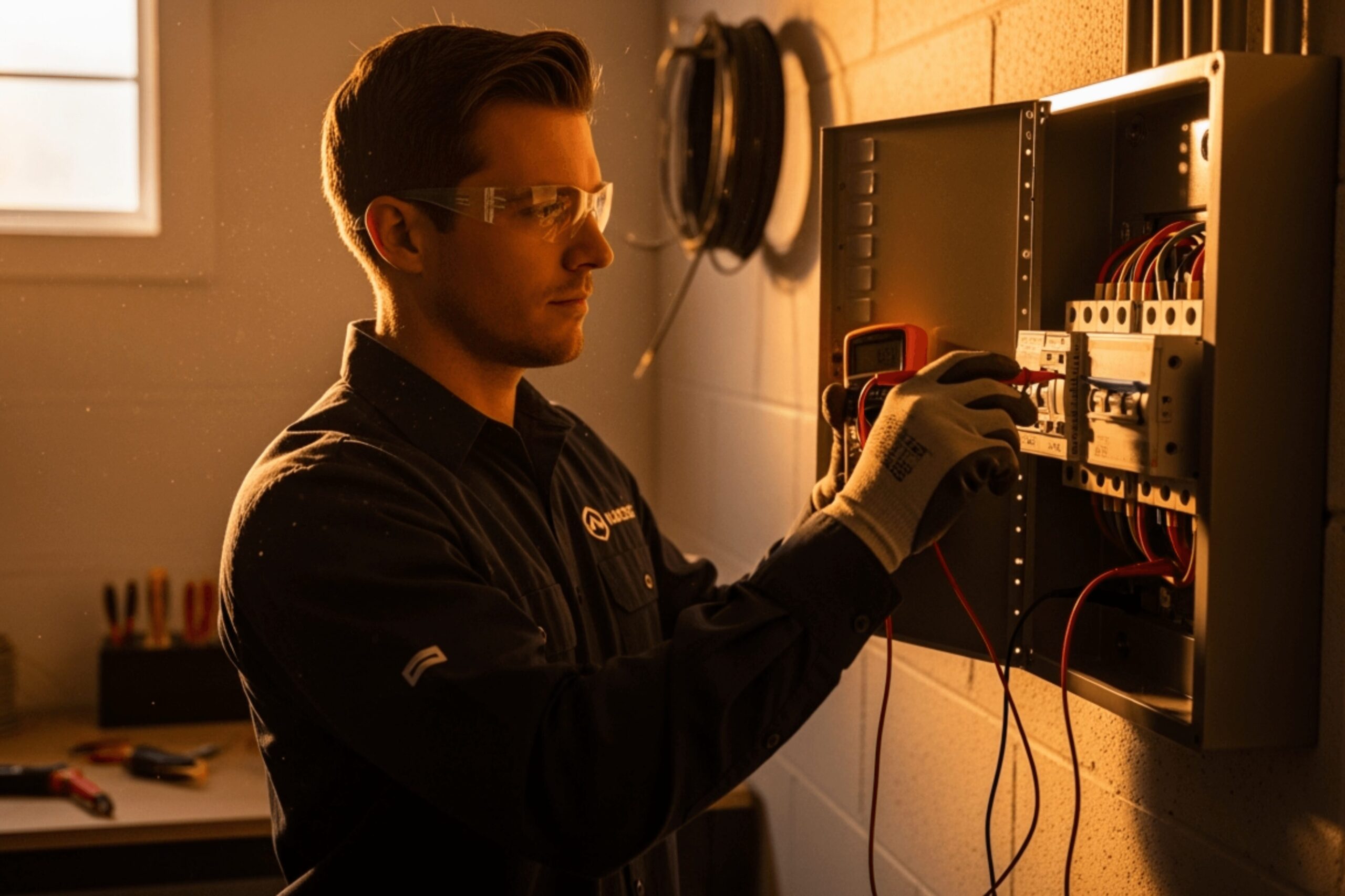
Professional installation by licensed electricians is critical. They can identify potential issues, ensure compliance with safety standards, and provide seamless integration with other building systems. Cutting corners on electrical work jeopardizes both the effectiveness of your fire alarm and the overall safety of your property.
After Installation: Testing, Maintenance, and Regular Electrical Safety Inspections
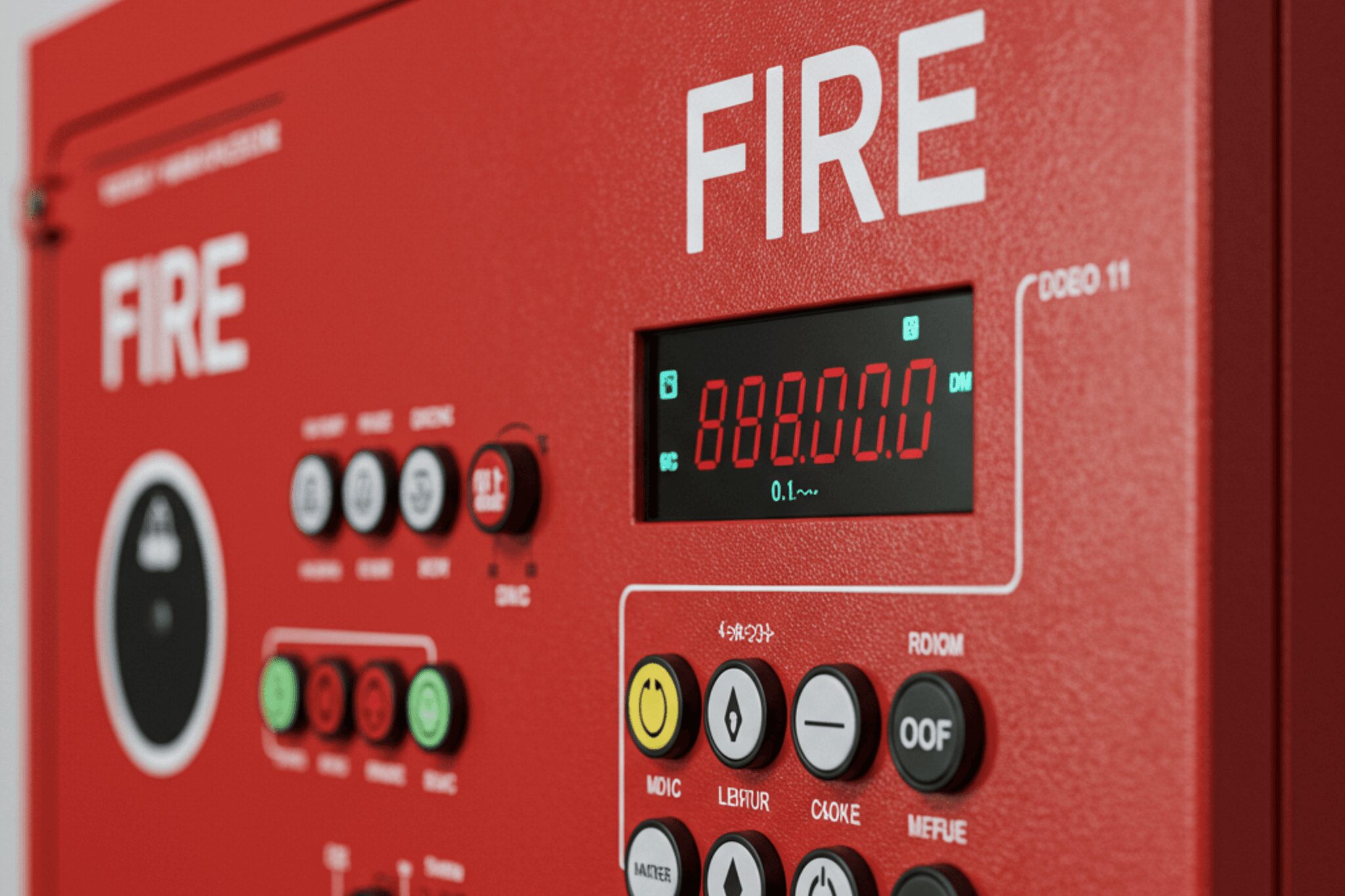
Installation is just the beginning—ongoing testing and maintenance are crucial to keep your fire alarm system functioning properly. After the initial setup, the system must undergo rigorous testing and commissioning to confirm that all detectors, alarms, and control panels work as designed. This initial validation provides a baseline for future performance.
Routine maintenance is necessary to address wear and tear, sensor drift, and battery replacements. Most codes require annual or semi-annual checks by qualified technicians, but high-risk environments may demand more frequent attention. Maintenance not only reduces false alarms but also ensures your system responds instantly when needed.
Regular electrical safety inspections are another cornerstone of ongoing protection. These inspections, conducted by licensed professionals, can spot potential hazards in your wiring, backup power systems, and other critical components. Issues like loose connections, degraded insulation, or aging circuits can be addressed before they compromise your fire alarm system.
Occupant training is often overlooked but is vital—everyone should know how to respond to alarms, where exits are located, and how to use manual pull stations. Keep thorough records of all system maintenance, upgrades, and inspections. This documentation is valuable for insurance, legal compliance, and future troubleshooting.
In summary, maintaining a fire alarm system isn’t a one-time event, but a continuous commitment to safety. With the right planning, installation, and ongoing care, you can ensure lasting protection for your property and everyone inside.