


Why Renovation Wiring Is More Complicated Than It Looks
Many property owners underestimate the complexity of renovation wiring, believing it’s a straightforward swap or upgrade. In reality, the process is fraught with hidden challenges, especially in older homes, businesses, or industrial sites in Vancouver and Burnaby. These buildings often conceal outdated wiring, such as knob-and-tube or aluminum systems, behind walls and ceilings. Such materials not only fall short of modern safety standards but can also be difficult to trace and upgrade without specialized equipment.
Renovation wiring is fundamentally different from wiring a brand-new property. Instead of starting with a blank slate, electricians must assess and work with existing circuits, which can be poorly documented or modified over the years. This increases the risk of surprises—like discovering overloaded panels or hidden junction boxes—midway through a project.
Another layer of complexity comes from local and national electrical codes that evolve regularly. What was compliant a decade ago may not be today. Meeting these codes is critical for legal approval, insurance coverage, and most importantly, safety. Attempting a DIY approach without up-to-date knowledge can put both people and property at significant risk, including fire hazards and electrical shock.
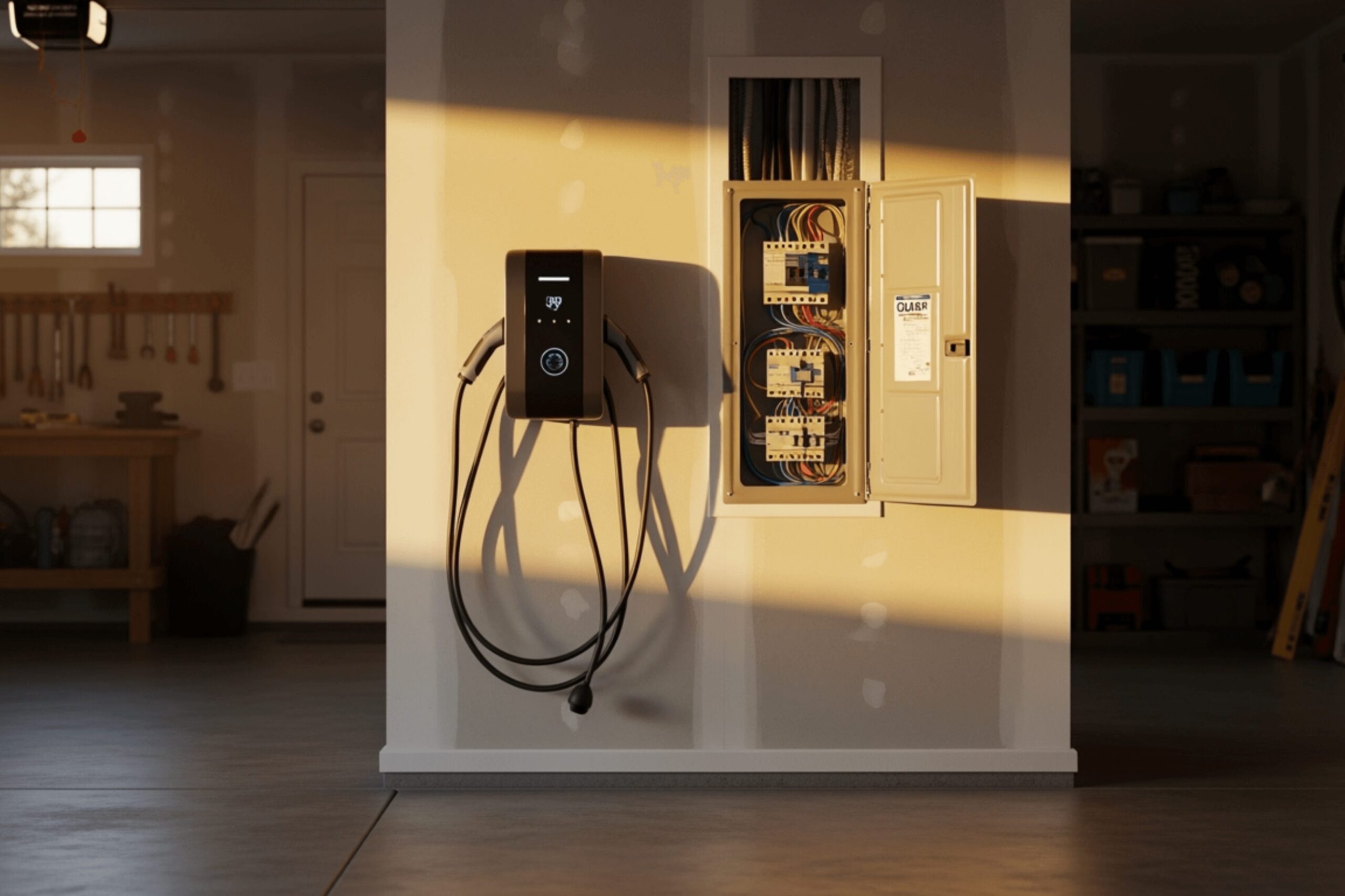
Finally, today’s renovations often aim to integrate new technologies, such as smart thermostats, EV chargers, or high-efficiency lighting. Ensuring these upgrades are compatible with the existing system, and installed safely, requires expertise that goes far beyond basic wiring knowledge. That’s why renovation wiring is a job best approached with professional planning and execution.
Evaluating Your Existing Electrical System Before You Renovate
Before embarking on any renovation, a comprehensive evaluation of your existing electrical system is essential. This first step is best handled by a licensed professional, who has the training and tools to spot issues that can go unnoticed by even the most diligent property owner.
A typical evaluation begins with identifying the type and condition of the existing wiring. In many older Vancouver and Burnaby properties, systems like knob-and-tube or aluminum wiring are still in use. These types are not only less efficient but can present serious safety hazards, such as increased risk of electrical fires or incompatibility with modern appliances.
Another key task during this assessment is checking the main electrical panel. Renovations often add new electrical loads, from kitchen appliances to computer networks or EV chargers. An outdated or undersized panel may struggle to keep up, leading to frequent breaker trips or overheating. Upgrading the panel ahead of your renovation can prevent frustrating power issues and ensure new installations operate safely.
Property owners should also be aware of warning signs that may indicate underlying problems: flickering or dimming lights, outlets that feel warm to the touch, or circuits that trip unexpectedly. These are often symptoms of overloaded, degraded, or improperly installed wiring.
Finally, an electrical evaluation is the perfect time to plan for your property’s future needs, not just current requirements. By anticipating additional loads—such as home offices, entertainment systems, or energy-efficient upgrades—you can design a system that remains safe and functional for years to come.
Designing Safe, Efficient Wiring for Renovations in Vancouver and Burnaby
A successful renovation demands more than simply replacing old wires—it calls for a thoughtful, tailored approach to electrical design. Each property type in Vancouver and Burnaby—whether residential, commercial, or industrial—has distinct needs that must be considered during the planning stage.
A key starting point is ensuring all work complies with current building codes and local bylaws. Electrical codes are designed to protect property and lives, mandating specifications for wiring sizes, circuit protection, and installation methods. Obtaining the necessary permits and inspections is not just a legal requirement, but a critical step for safety and insurance coverage.
Modern renovations also present opportunities to enhance energy efficiency and convenience. Integrating LED lighting, occupancy sensors, or smart thermostats can lower utility bills and add value to your property. However, these upgrades must be thoughtfully planned and properly installed to ensure compatibility and optimal performance. For example, smart devices may require dedicated circuits or data wiring that wasn’t present in the original design.
Quality matters at every stage. Using high-grade wiring, outlets, and breakers reduces the risk of failures and minimizes maintenance costs down the line. Moreover, a well-designed system should allow for flexibility—leaving room in the panel for future upgrades, or running conduit to facilitate adding circuits as needs evolve.
By prioritizing code compliance, energy efficiency, and scalability, property owners can ensure their renovation wiring not only meets today’s standards but is ready to accommodate tomorrow’s innovations.
When to Call Professional Electrical Services for Rewiring and Circuit Upgrades
There are clear signs that it’s time to bring in professional electrical services for your renovation. If your property experiences frequent power surges, circuit overloads, or you’re planning a major expansion—such as adding a suite, upgrading a commercial workspace, or installing high-demand equipment—expert help is essential.
Attempting DIY electrical work can be hazardous. Without a comprehensive understanding of electrical theory, safety codes, and proper installation practices, even well-intentioned property owners can create dangerous conditions, including electrocution risks or hidden fire hazards. Mistakes may not become apparent until months later, when a system fails or a fire starts behind the walls.
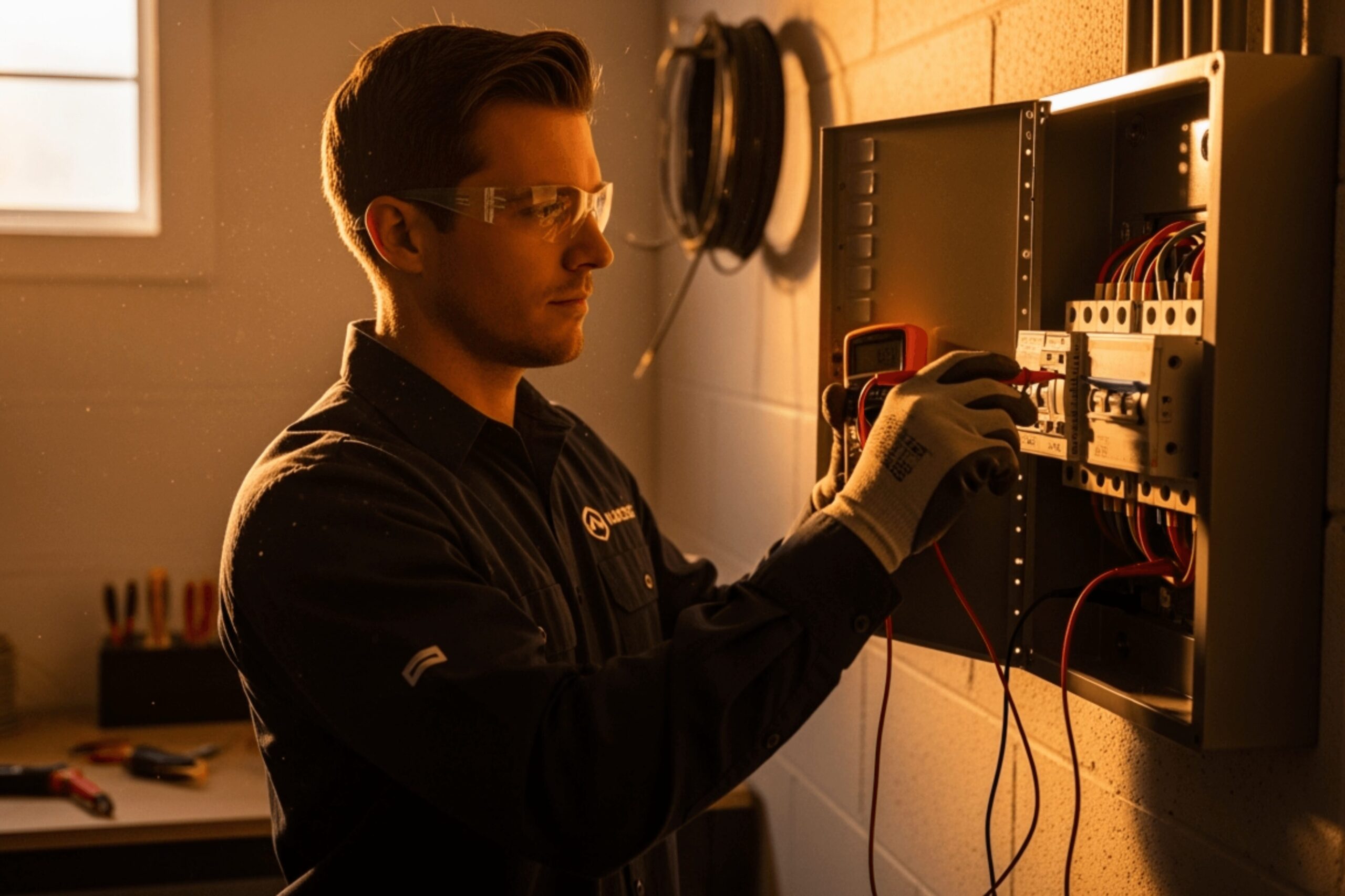
Professional electricians are trained to methodically assess your property, creating a customized plan for rewiring or circuit upgrades. They use specialized diagnostic tools to identify hidden faults, evaluate the true capacity of your panel, and ensure that all wiring is safe, efficient, and compliant with current standards. Licensed and insured professionals also undergo regular training to stay updated on evolving safety codes and best practices.
Another advantage of working with professionals is the peace of mind that comes with insurance and warranty coverage. Should any issue arise, reputable electricians will address it promptly and stand by their workmanship.
For unexpected emergencies—such as sudden power outages or dangerous electrical surges—many trusted electrical services in Vancouver and Burnaby offer 24/7 emergency response. This ensures that urgent issues are resolved quickly, minimizing disruption and protecting both people and property.
Safety-First Checklist for Your Next Renovation Wiring Project
A well-designed renovation wiring project starts, and ends, with safety at its core. Here’s a practical checklist to guide property owners in Vancouver and Burnaby through each phase of the process:
- Pre-Project Inspection: Always schedule an electrical inspection before any demolition or construction begins. This identifies outdated wiring, panel limitations, and hidden hazards early, enabling safer and more efficient planning.
- Code and Capacity Compliance: Make sure your wiring and main panel can safely handle additional circuits and appliances. Upgrades may be necessary to meet current electrical codes and to provide room for future expansion, especially if you’re adding high-demand equipment or planning further renovations.
- Quality Materials and Devices: Invest in high-grade, code-approved wiring, breakers, and outlets. Inferior materials may seem cost-effective up front but can lead to breakdowns, safety hazards, and additional costs over time.
- Energy Efficiency and Future-Proofing: When designing your new system, incorporate energy-efficient solutions, such as LED lighting and smart controls. Reserve extra panel space and run conduit for future upgrades to save time, money, and hassle later.
- Final Inspection and Documentation: After installation, arrange for a licensed inspector to review the completed work. Obtain all necessary documentation, including permits and inspection approvals, for insurance and resale purposes.
By following this checklist and relying on qualified professionals, property owners can achieve safe, reliable, and cost-effective electrical systems that stand the test of time—making every renovation investment a sound one.