

When renovating a home, the excitement often revolves around new floors, modern kitchens, or fresh paint colors. Yet, beneath the surface, the electrical system quietly powers every aspect of daily life—and is frequently overlooked. This oversight can lead to serious safety and functionality issues, especially in older homes where wiring and electrical infrastructure may not meet modern demands.
Outdated wiring, such as knob-and-tube or aluminum systems, can’t safely accommodate today’s appliances, smart devices, and high-powered electronics. Overloaded circuits are another common problem, especially as renovation projects add more outlets, lighting, and tech-savvy features. The result isn’t just inconvenience or annoyance—these issues represent real fire hazards and can cause costly electrical failures.
Warning signs like flickering lights, frequent breaker trips, or humming panels are often dismissed, but they should be taken seriously. These symptoms suggest the electrical system is struggling to keep up, risking both safety and long-term home value. Ignoring these fundamentals during a renovation can undermine all the hard work that goes into visual and structural upgrades, potentially leading to expensive repairs or failed inspections down the line.
In summary, while aesthetic upgrades capture attention, ensuring the electrical system is up to date is essential for a safe, functional, and valuable home. Recognizing and addressing these hidden hazards is the first step toward a successful renovation.
Common Electrical Mistakes That Compromise Safety and Value
Electrical mistakes during renovations are surprisingly common, often stemming from a desire to cut costs or simply from a lack of awareness. One of the most critical errors is keeping an outdated electrical panel—many older homes still operate with 100-amp panels installed decades ago. However, with the proliferation of home offices, high-powered appliances, and smart technology, modern households typically require at least a 200-amp panel to safely distribute the electrical load. Failing to upgrade can result in overloaded circuits, frequent blackouts, and, in the worst cases, electrical fires.
Another frequent misstep is ignoring old or DIY wiring. Older homes may have knob-and-tube or aluminum wiring, both of which are considerably less safe than modern copper wiring. DIY fixes may seem cost-effective but often fail to meet electrical codes, introducing hidden dangers behind walls and ceilings. Such shortcuts can cause failed home inspections, fines, and increased fire risk.
The temptation to save time or money can also lead to insufficient outlets. Relying on extension cords to bridge the gap not only clutters living spaces but also heightens the risk of overheating and fire. Strategic outlet placement—especially in kitchens, bathrooms, and living areas—improves both safety and convenience.
Failing to install GFCI outlets in kitchens and bathrooms is another critical oversight. These devices are essential in preventing electric shocks in areas where water is present. Their absence can lead to inspection failures and severe safety hazards.
Lastly, neglecting lighting placement can compromise the entire feel of a renovated space. Poorly planned lighting can make even the most beautifully renovated room feel uninviting or impractical. Layered lighting, dimmers, and smart controls are no longer luxuries—they’re essentials for modern living.
Essential Electrical Upgrades: Panels, Wiring, and Outlets
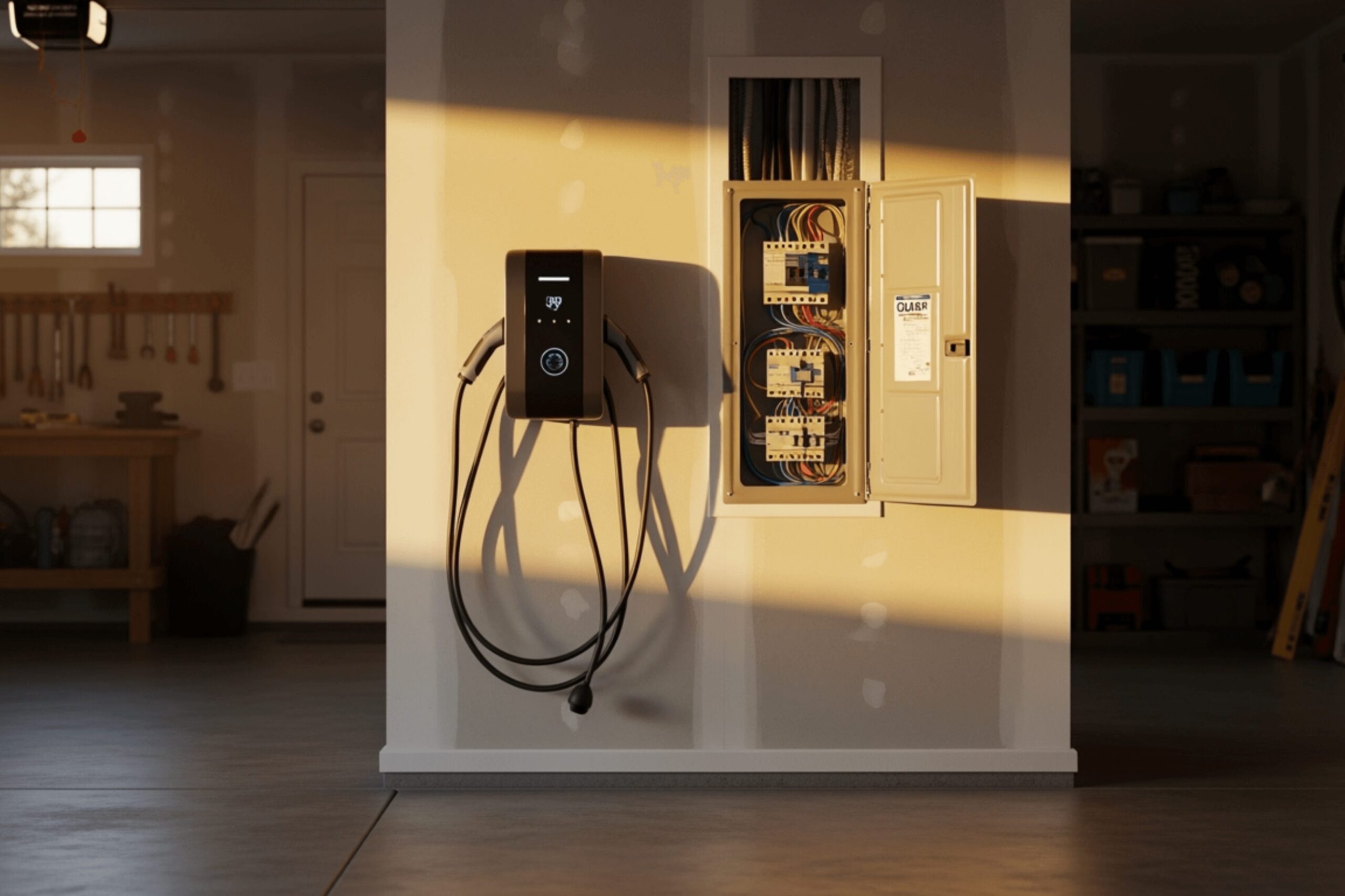
Renovations present the perfect opportunity to future-proof your home’s electrical infrastructure. One major upgrade is replacing outdated electrical panels. Moving from a 100-amp panel to a 200-amp (or higher) version ensures that your home can support current and emerging technologies—think EV chargers, heat pumps, and high-efficiency appliances. This upgrade not only safeguards against overloads and blackouts but also can increase your property’s market appeal.
Wiring is another crucial consideration. Many homes built before the 1970s use knob-and-tube or aluminum wiring, both of which are now considered fire hazards. Modern copper wiring is the industry standard, offering improved conductivity and safety. Professional upgrades also ensure minimal wall damage and full compliance with local electrical codes.
Reevaluating outlet placement and volume is equally important. Renovations are the ideal time to add more outlets in convenient locations, such as inside kitchen drawers for device charging, along bathroom vanities for hair tools, or in living rooms for floor lamps and entertainment systems. This not only reduces reliance on extension cords but also anticipates future needs, such as USB charging ports or smart home devices.
Integrating GFCI outlets in moisture-prone areas is a must for safety and compliance. These outlets automatically shut off power in the event of a ground fault, protecting users from electric shocks and meeting modern building codes.
Lastly, updating lighting can dramatically affect both ambiance and efficiency. Consider layered lighting—using a mix of recessed fixtures, under-cabinet lights, dimmers, and smart controls—to create spaces that are both functional and inviting. Modern lighting solutions also improve energy efficiency, reducing long-term operating costs.
The Importance of Professional Expertise in Electrical Projects
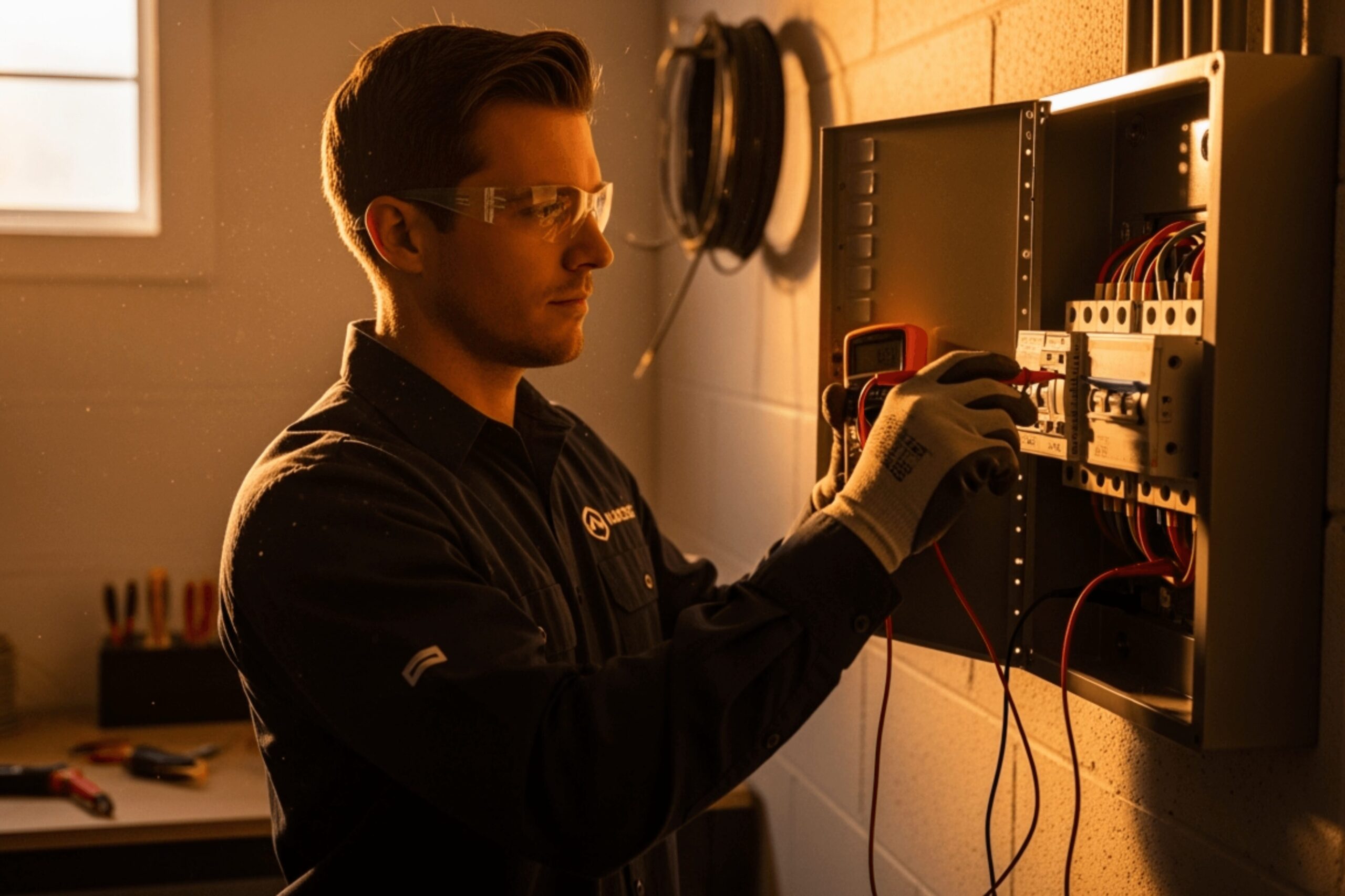
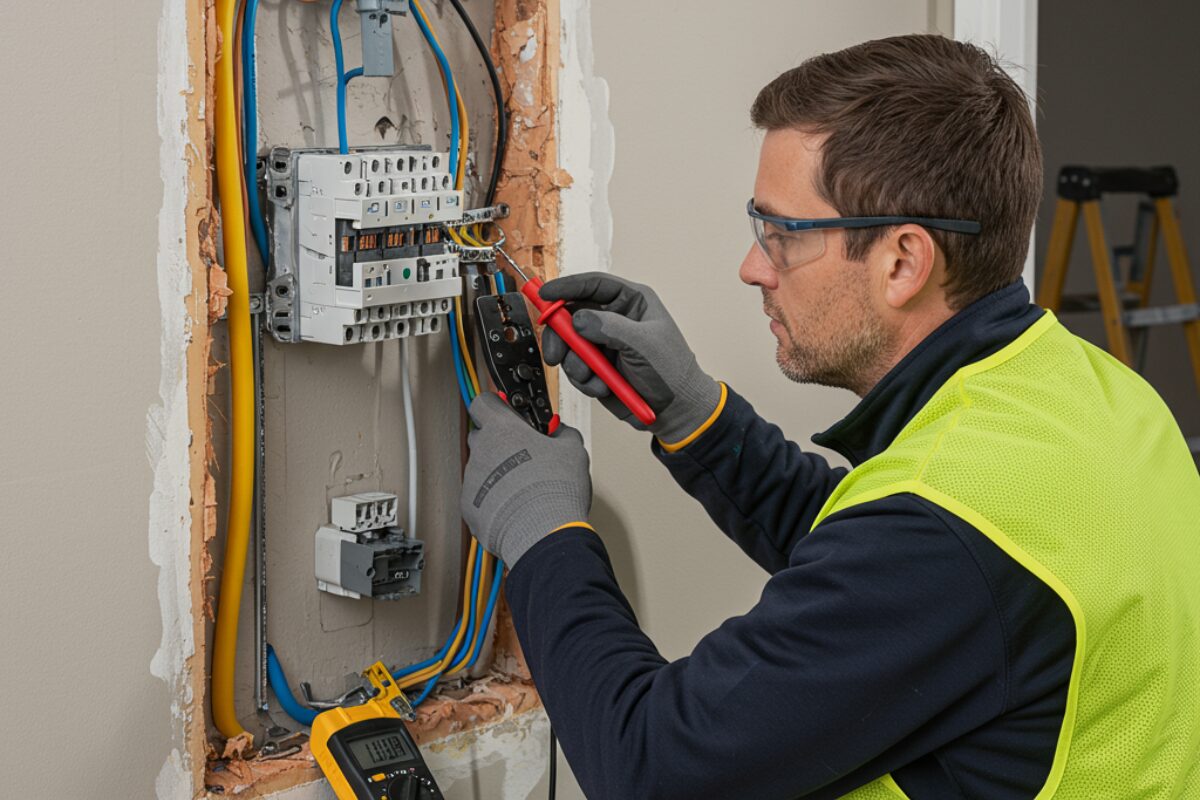
While some home improvement tasks are suitable for DIY enthusiasts, electrical work is rarely one of them. Licensed electricians are trained to navigate the complexities of electrical systems, ensuring every installation or upgrade meets stringent safety standards and complies with local regulations. Attempting major electrical work without proper training is not only dangerous—it can also void your home insurance, leaving you financially responsible for any accidents or damage that occur.
DIY electrical repairs or installations often fall short of code requirements, increasing the risk of fire, electrical shock, or system failure. For example, improper connections or the use of substandard materials can lead to hidden hazards that may not become apparent until it’s too late. Additionally, failed inspections can stall renovation projects and lower your home’s resale value.
Certain minor tasks—such as changing a light bulb or replacing a faceplate—are generally safe for DIY. However, anything involving wiring, panel upgrades, or circuit changes should be left to professionals. Licensed electricians have the expertise to diagnose underlying issues, recommend appropriate solutions, and execute work that stands the test of time.
Professional involvement isn’t just about safety—it’s about quality and future readiness. Electricians can provide valuable guidance on integrating new technologies, such as EV chargers or heat pumps, and ensure that your electrical infrastructure remains adaptable to future innovations. They also streamline the renovation process, coordinating with other trades to minimize disruptions and ensure a smooth, efficient project.
Building a Safer, More Functional Home Through Proper Electrical Planning
The key to a successful renovation lies in thorough planning—and that includes the electrical system. By making electrical upgrades a priority, homeowners can avoid the pitfalls that often plague DIY projects, such as hidden fire hazards, functionality issues, and failed inspections. Proper planning means more than just addressing immediate needs; it involves anticipating future demands, from additional appliances and smart home devices to evolving energy standards.
Engaging professionals for an assessment before starting renovations allows for a comprehensive review of the existing electrical infrastructure. Experts can identify outdated wiring, insufficient panel capacity, and suboptimal outlet placement, offering tailored solutions that enhance both safety and convenience. This proactive approach minimizes the risk of unexpected issues arising mid-renovation, which can lead to cost overruns and project delays.
Investing in quality electrical work pays dividends in multiple ways. A safe, modern electrical system supports the latest technologies—such as EV chargers, heat pumps, and smart lighting—while increasing energy efficiency and reducing long-term operating costs. Thoughtful design ensures that spaces are both beautiful and practical, with lighting and outlets placed exactly where they’re needed.
Ultimately, a well-planned electrical system is the backbone of a safe, functional, and future-ready home. By prioritizing professional expertise and comprehensive upgrades, homeowners can ensure that their renovations not only look great but also deliver lasting value and peace of mind.