

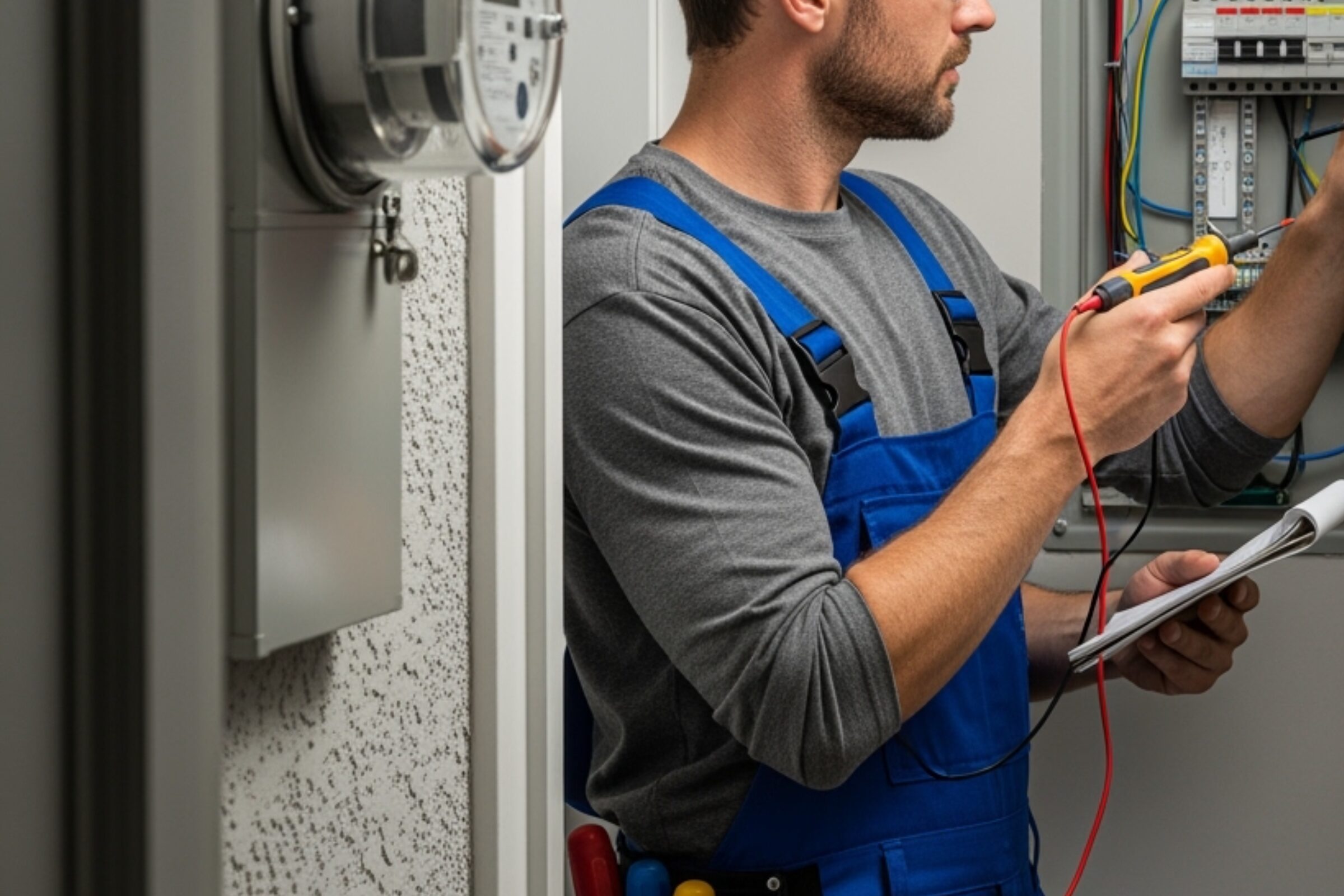

Power into Your Property: Why Understanding Service vs. Panel Upgrades Matters in Greater Vancouver
In the dynamic environment of Greater Vancouver and the Lower Mainland, property owners—whether residential, commercial, or industrial—face rapidly evolving electrical needs. With the rise of electric vehicles, modern appliances, and expanded living spaces, ensuring adequate and safe electrical infrastructure has never been more critical. Yet, confusion often arises when deciding between an electrical service upgrade and an electrical panel upgrade.
At its core, an electrical service upgrade refers to increasing the total amount of power your property can receive from the utility grid. In contrast, an electrical panel upgrade focuses on how that power is distributed and managed within the building. While these systems work together, each plays a distinct role in maintaining safe, reliable, and efficient power for your home or business.
Understanding the difference is far from academic. Installing an EV charger, adding a rental suite, or renovating your workspace often triggers the need for additional electrical capacity or smarter circuit management. Making the right upgrades at the right time can prevent overloaded circuits, tripped breakers, or even dangerous electrical hazards. For property owners in Vancouver and the Lower Mainland, where regulations and safety standards are strict, knowing whether you need a service upgrade, a panel upgrade, or both is fundamental to successful planning and peace of mind.
What Is Your Electrical Service? Capacity, Components, and When 100A Is No Longer Enough
The electrical service is the lifeline that connects your property to the broader power grid. This infrastructure includes the wires running from the street or alley (either overhead or underground), a meter base that measures your usage, and, if applicable, a weatherhead or service mast for overhead connections. The service capacity is measured in amperes (amps), indicating how much electricity can safely enter your property at once.
For decades, a 100-amp service was sufficient for most homes in Vancouver and the surrounding areas. However, as lifestyles and technology have evolved, so have our power requirements. Adding amenities like hot tubs, heated garages, central air conditioning, or especially EV chargers can quickly push your needs beyond the limits of a 100-amp service. Many newer or renovated homes now opt for 200-amp service to accommodate not only today’s devices but also future additions.
Recognizing when an upgrade is due is essential. Telltale signs include fuses or breakers tripping when multiple appliances run simultaneously, persistent dimming or flickering lights, or the installation of new high-load devices. For businesses and industrial clients, growth often involves more machinery or lighting, which can outpace the original service size. Upgrading your electrical service is a proactive step to ensure your property can handle new demands safely and reliably, eliminating the risk of overloading your incoming power supply.
Inside the Home: How Electrical Panels, Breakers, and Smart Technology Protect Your Circuits
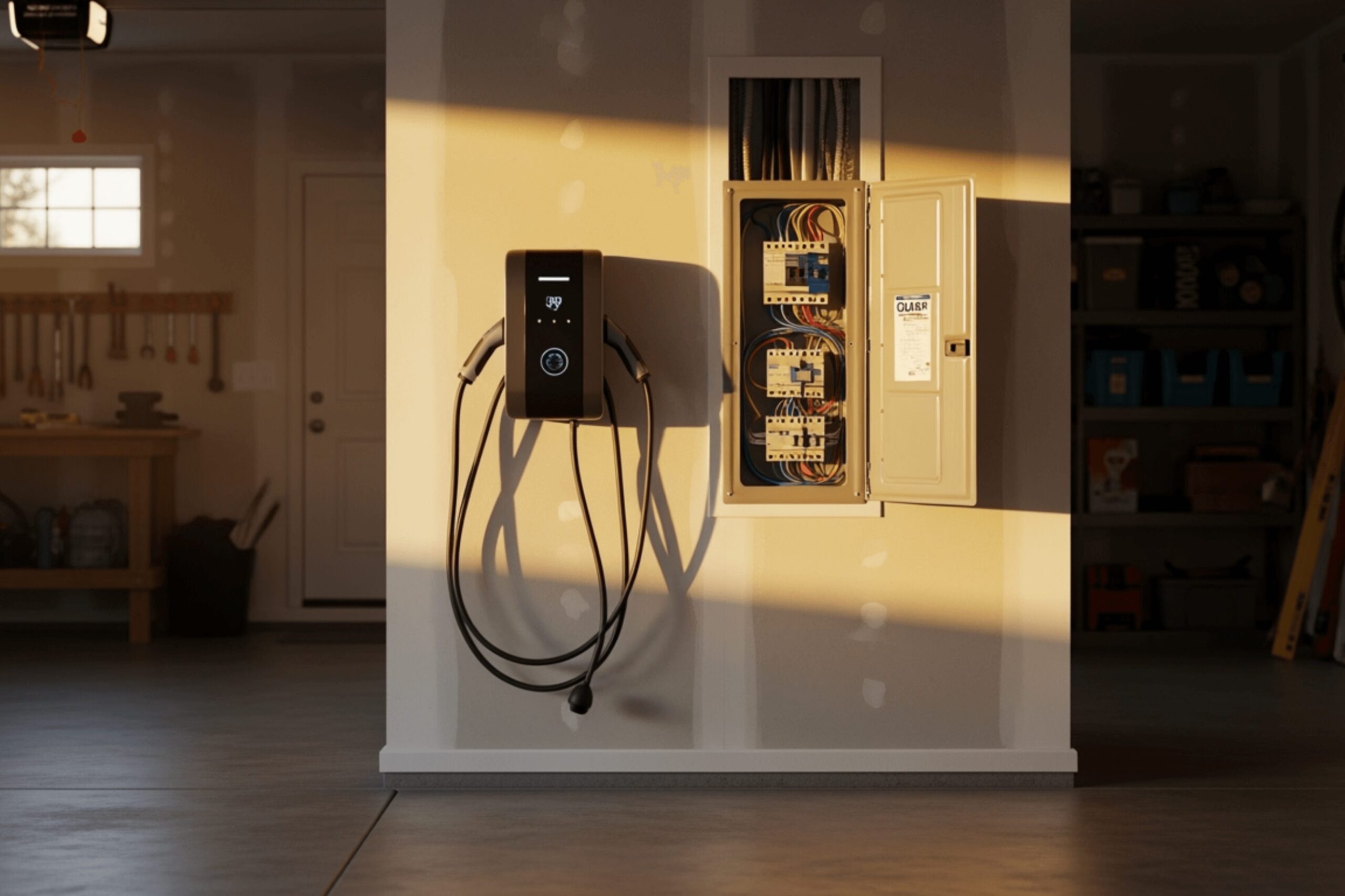
Once electricity enters your property, the electrical panel becomes the central hub for managing and routing that power. Think of the panel as a sophisticated switchboard, distributing electricity to various rooms, appliances, and outlets via branch circuits. Each circuit is protected by a fuse or, more commonly today, a circuit breaker, which automatically shuts off power if a fault or overload is detected—helping prevent electrical fires or damage to your equipment.
Crucially, your panel’s capacity must match the size of your electrical service. For example, if your utility provides 200 amps, your panel must be rated for 200 amps to safely handle the load. If your panel is undersized or outdated (as is common in homes with old fuse boxes), it can not only limit how many devices you can use but also pose significant safety risks.
Modern electrical panels have evolved far beyond basic breakers. Many now offer surge protection to shield your appliances from voltage spikes during storms or utility events. Others integrate smart technology, allowing you to monitor energy usage, detect which circuits are drawing the most power, and even control breakers remotely via smartphone apps. These features are especially valuable for property managers, businesses, and tech-savvy homeowners looking to optimize safety and energy efficiency.
When considering an upgrade, moving from fuses to breakers, adding more circuits for a new basement suite, or installing a smart panel can dramatically enhance your property’s electrical resilience and modern functionality.
Do You Need a Service Upgrade, a Panel Upgrade, or Both? Costs, Processes, and EV Charger / Renovation Planning
Deciding between a service upgrade, a panel upgrade, or both depends on your property’s current infrastructure and your future plans. If you are planning a renovation, installing an EV charger, or adding large appliances or a rental suite, it’s important to first assess whether your existing service can handle the new load. If not, a service upgrade is necessary to bring more power into the property from the grid.
The process for a service upgrade involves coordination with your local utility provider. Power is temporarily disconnected, old service conductors and the meter base are replaced, and, if needed, a larger weatherhead or service mast is installed. This work typically requires two electricians and can usually be completed in a day, with reconnection by the utility happening once everything meets code.
A panel upgrade, on the other hand, is needed if your current panel cannot safely distribute the increased capacity, or if you still have an outdated fuse box. This process involves shutting off the power, removing the old panel, installing a new one with breakers, and reconnecting all circuits. Many homeowners choose to add surge protection or opt for a smart panel at this stage for enhanced safety and usability. Panel upgrades are generally performed by a single electrician and also take about a day.
Cost is a practical consideration. Service upgrades in the lower mainland usually range from $1,600 to $3,100, based on wiring length, materials, and local fees. Panel upgrades typically cost $1,200 to $1,600, varying by panel size and number of circuits. Municipal or utility fees—such as for disconnect and reconnect—may be added. For those expanding their properties or planning major electrical enhancements, combining both upgrades at once can streamline the process and reduce overall disruption.
Planning Safe, Future‑Ready Electrical Systems: Key Takeaways for Residential, Commercial, and Industrial Clients in the Lower Mainland
The foundation of a safe and reliable electrical system is proper assessment and planning. Before embarking on any renovation, expansion, or the introduction of high-demand equipment such as EV chargers or commercial machinery, property owners should review both their incoming service capacity and the capabilities of their electrical panel. This ensures not only safe operation but also compliance with local codes, which are especially rigorous in the Greater Vancouver Area and the Lower Mainland.
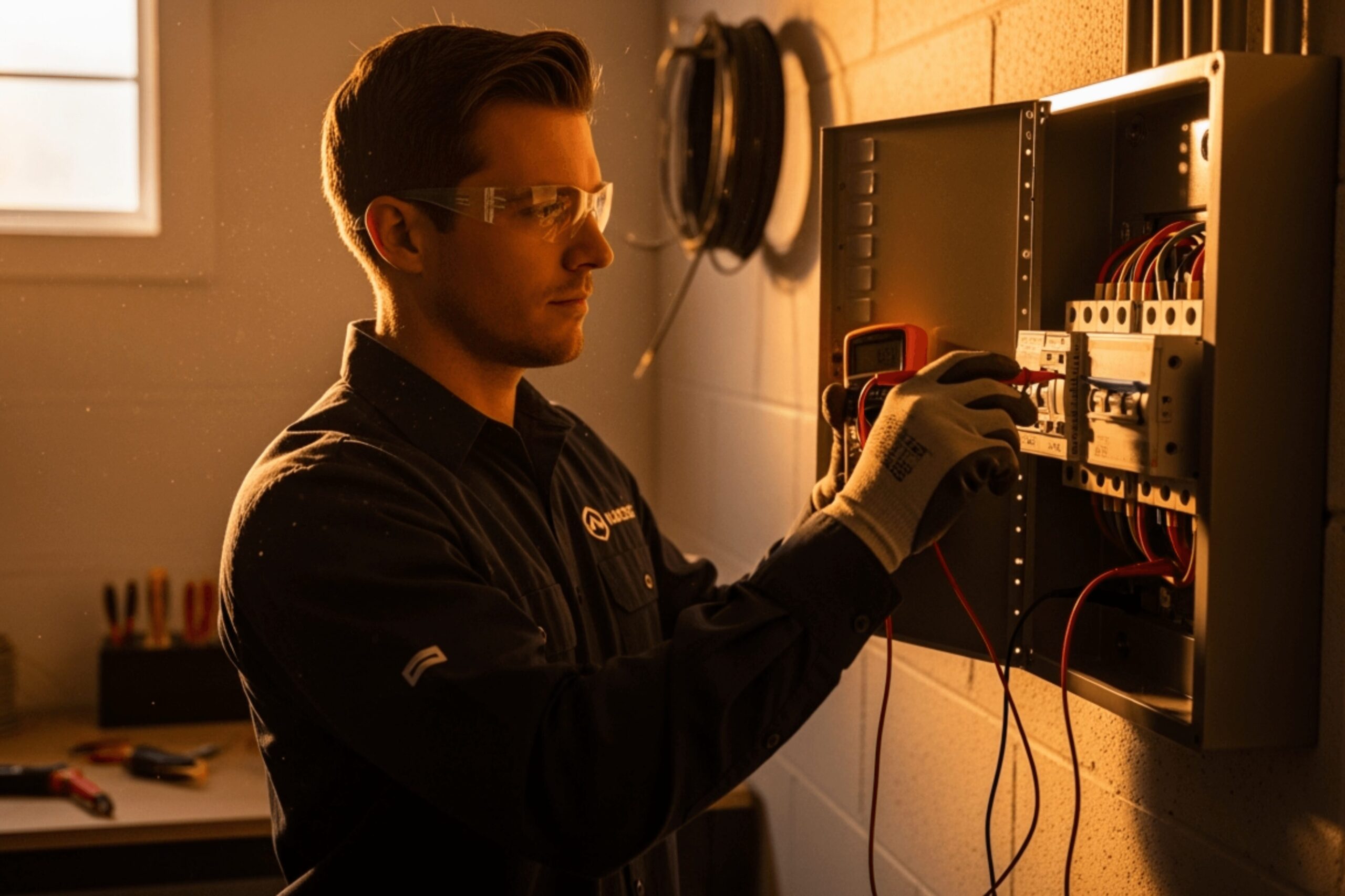
Working with licensed electricians who understand regional requirements and utility procedures is crucial. They can help you navigate the maze of permits, fees, and technical specifications needed for successful upgrades. This is particularly important given the utility coordination involved in service upgrades, and the potential for delays or additional costs if steps are missed.
If your property is already nearing its capacity, combining a service and panel upgrade can be more efficient than tackling them separately. In addition, investing in surge protection and smart panel technology can future-proof your infrastructure, offering real-time monitoring, fault detection, and even remote shutdown for added peace of mind.
Ultimately, whether you own a home, manage a commercial space, or operate an industrial facility in the Lower Mainland, understanding the difference between service and panel upgrades empowers you to make informed decisions. Thoughtful planning not only protects your property and its occupants but also sets you up for seamless expansion and the ability to embrace new technologies as your needs grow. Reliable, code-compliant electrical systems are the backbone of safe, modern living and working in Vancouver’s ever-evolving landscape.