

Understanding Infrared Thermography: A Game Changer for Electrical Safety
Infrared thermography has revolutionized the way property owners and facility managers approach electrical safety. At its core, this technique involves the use of specialized cameras that detect infrared energy, or heat, emitted from electrical components. Unlike the visible spectrum, infrared imaging allows technicians to “see” heat signatures that are invisible to the naked eye. This makes it a powerful diagnostic tool for identifying issues before they escalate into major problems.
One of the key advantages of infrared thermography is its non-invasive nature. Inspections can be performed without dismantling equipment or shutting down power, minimizing disruptions to daily operations. This is particularly beneficial in busy commercial or industrial environments, where downtime can have significant consequences.
Infrared scans are widely applied to critical systems such as wiring, circuit breakers, transformers, switchboards, lighting, and fire alarm systems. By quickly pinpointing anomalies—such as hotspots or uneven heating—technicians can target areas that require immediate attention. For anyone considering electrical upgrades, tenant improvements, or even routine maintenance, integrating thermographic inspections into safety protocols offers a proactive approach to risk management.
In summary, infrared thermography not only enhances the reliability and longevity of electrical systems but also serves as a crucial safeguard for property and occupant safety.
Why Early Detection Matters: Risks of Overlooked Electrical Issues
When electrical issues go unnoticed, the risks can be severe and far-reaching. Faulty wiring, overloaded circuits, and deteriorating connections are not just technical concerns—they are potential catalysts for electrical fires, equipment malfunctions, and even dangerous power outages. In residential, commercial, and industrial settings alike, the fallout from such incidents can range from property loss to costly business interruptions.
A common outcome of overlooked electrical faults is the increased likelihood of fire. According to national fire statistics, electrical failures are a leading cause of structural fires, many of which could have been prevented through early detection. Beyond fire hazards, faulty components like transformers or automatic transfer switches can fail unexpectedly, resulting in sudden blackouts that disrupt operations and compromise safety.
In addition to physical dangers, there’s the matter of regulatory compliance. Electrical safety codes in Canada require periodic inspections and maintenance, especially for commercial and industrial properties. Failure to adhere to these standards can lead to fines, insurance complications, and legal liabilities.
Early detection through methods like infrared thermography allows property owners to address minor issues before they escalate into major problems. By investing in regular electrical safety inspections, stakeholders not only protect their assets but also ensure the well-being of occupants and continuity of operations.
Top 5 Electrical Problems Infrared Scans Uncover
Infrared thermography excels at uncovering electrical issues that are otherwise hidden within walls, conduits, or equipment enclosures. Here are the top five problems that thermal imaging can reliably detect early:
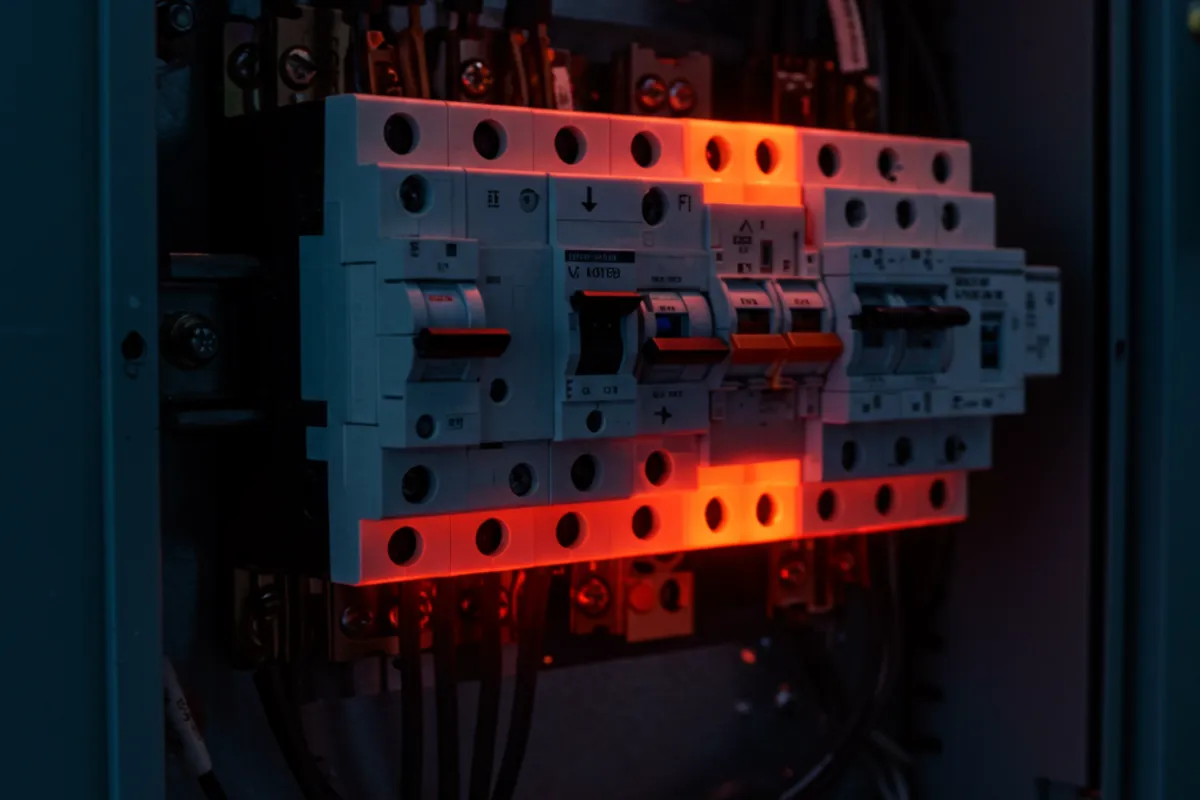
- Overheated Wiring and Loose Connections: Excessive resistance from loose or corroded connections generates heat, often manifesting as hot spots long before visible signs appear. Left unchecked, these can spark fires or cause outages.
- Overloaded Circuits and Panels: Circuits carrying more current than they’re rated for will heat up, especially at panel boards and distribution centers. Infrared scans reveal these overloads early, enabling timely upgrades or load balancing.
- Failing Transformers: Transformers play a vital role in voltage regulation for both residential and commercial properties. Infrared imaging identifies abnormal heat patterns that indicate insulation breakdown, winding faults, or impending failure.
- Faulty Circuit Breakers and Switches: Malfunctioning breakers or switches may not trip as intended, causing heat buildup that signals a potential hazard. Detecting these issues early prevents catastrophic failures.
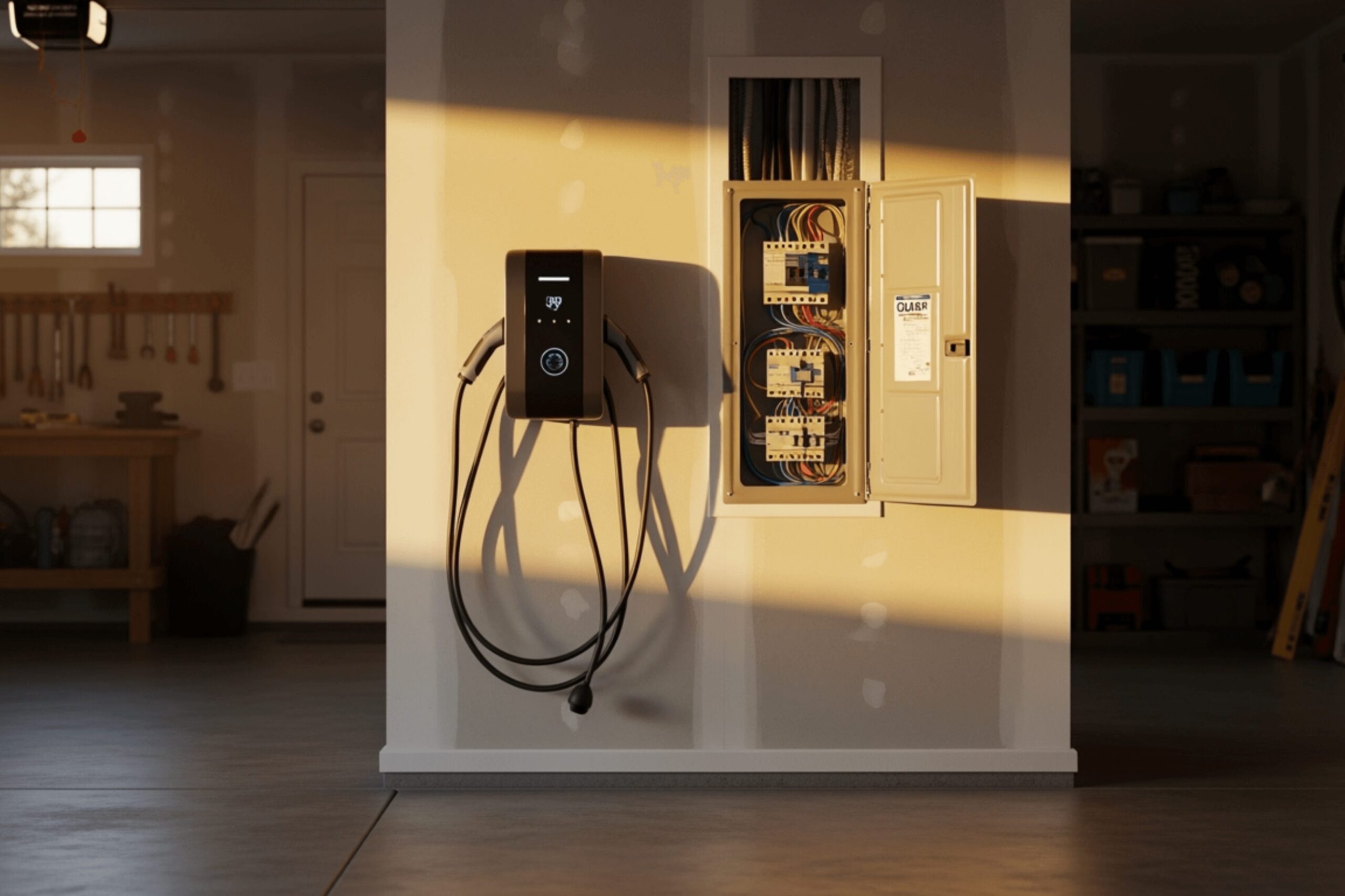
- Hot Spots in Lighting and Charging Station Systems: Modern lighting upgrades and EV charging stations can develop hotspots due to poor installation or component fatigue. Infrared inspections quickly highlight these vulnerabilities, supporting safe and reliable operation.
By catching these issues early, property owners save on costly repairs, reduce downtime, and enhance overall safety.
How Infrared Inspections Support Electrical Upgrades and Safety Initiatives
Infrared inspections have become invaluable for anyone planning electrical upgrades or safety enhancements. By providing a thermal map of an electrical system’s performance, these scans offer actionable insights that guide decision-making at every stage.
For example, before undertaking wiring upgrades or lighting improvements, an infrared scan can pinpoint existing weaknesses that need to be addressed. This ensures that upgrades are targeted and cost-effective, maximizing both safety and efficiency. Similarly, for facilities considering tenant improvements, thermal imaging can reveal legacy issues hidden within walls or ceilings, helping prioritize necessary interventions.
Fire alarm systems and life safety equipment benefit from thermal inspections as well. Detecting abnormal heat in control panels or power supplies helps maintain system reliability and ensures compliance with safety regulations. The same approach applies to transformer installations and automatic transfer switches—infrared scans help confirm proper operation post-installation and during routine maintenance.
Finally, regular thermal inspections support ongoing electrical safety initiatives by establishing a history of system health. This documentation can be crucial for regulatory compliance, insurance claims, and audit processes.
In sum, leveraging infrared thermography as part of a broader electrical safety strategy not only prevents hazards but also streamlines the path to modern, efficient, and compliant electrical systems.
Proactive Steps: Scheduling Your Next Electrical Safety Inspection
Taking a proactive approach to electrical safety is one of the most effective ways to protect your property, assets, and the people who depend on them. Regular electrical safety inspections, especially those utilizing infrared thermography, should be part of every maintenance plan for residential, commercial, and industrial properties.
Experts recommend scheduling annual inspections, or more frequently for high-demand environments or older installations. Major electrical upgrades—such as wiring upgrades, lighting improvements, or the addition of EV charging stations—are also ideal times to perform comprehensive infrared scans. This ensures that new installations are functioning safely and that existing systems remain in top condition.
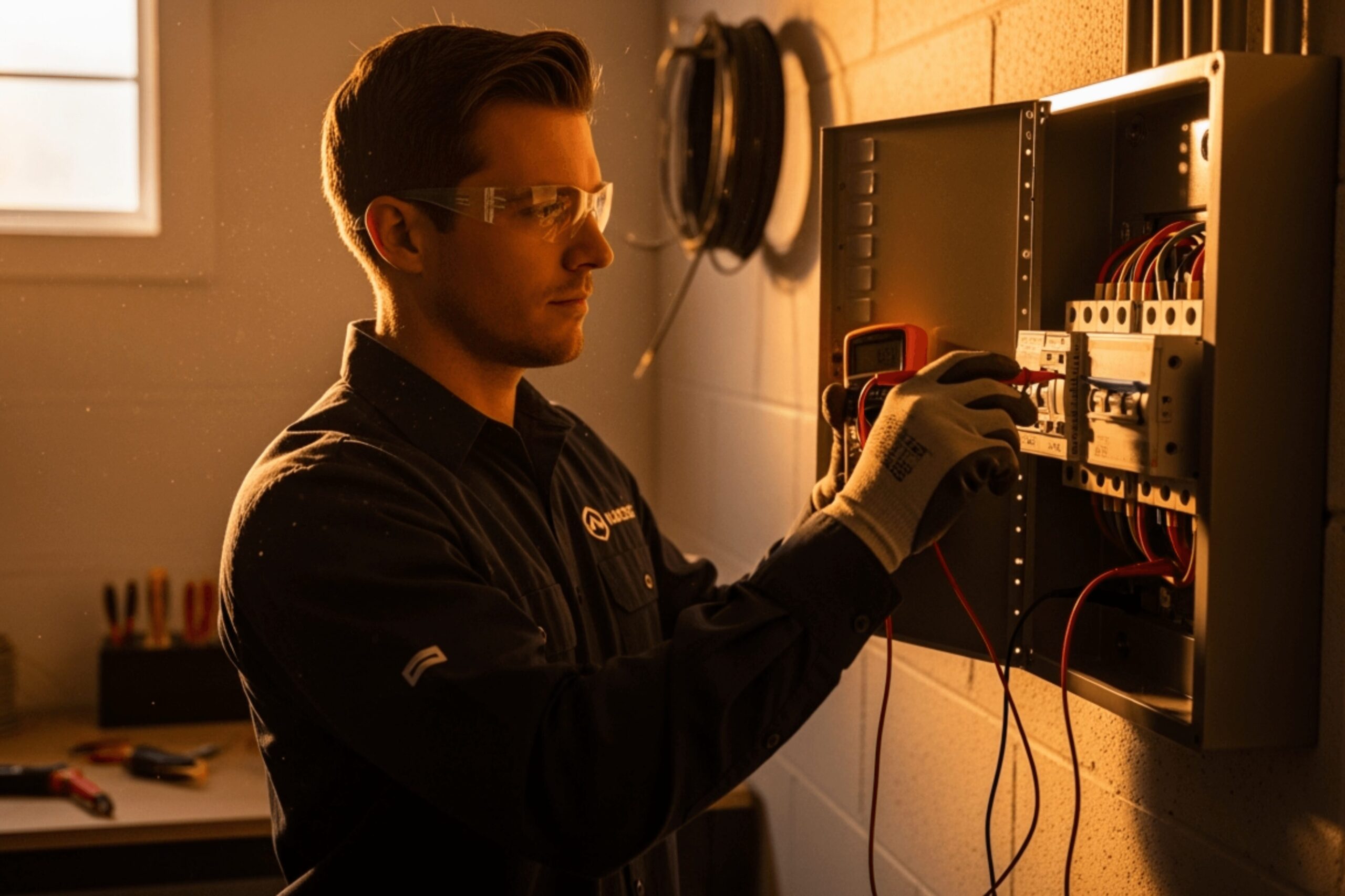
Choosing qualified and experienced professionals to conduct these inspections is crucial. Certified thermographers and licensed electricians bring the technical expertise required to interpret scan results accurately and recommend appropriate corrective actions.
Integrating regular infrared inspections with your overall electrical maintenance strategy offers multiple benefits: early detection of issues, minimized risk of costly failures, improved compliance with safety standards, and enhanced peace of mind. Ultimately, staying ahead of problems before they occur is the best investment in the long-term safety and reliability of your electrical systems.