

The electrical panel is the heart of any residential, commercial, or industrial building’s power distribution system. It’s responsible for managing and safely distributing electricity to all circuits throughout the property. When an electrical panel becomes outdated, it can no longer keep up with modern demands, leading to serious safety concerns such as overheating, power surges, and even fires. In fact, electrical failures are among the top causes of home fires in North America—a risk that increases with aging infrastructure.
Today’s lifestyles require far more power than those of previous generations. High-powered appliances, smart home devices, and electric vehicle (EV) chargers all add to a home’s electrical load. Older panels, especially those installed before 1985, were never designed to handle this level of demand. As a result, they may struggle to deliver consistent power, putting both your property and its occupants at risk.
Upgrading your electrical panel is not just about keeping up with technology; it’s about ensuring the safety, efficiency, and value of your property. Modern panels are equipped with advanced safety features, provide steady power for sensitive electronics, and protect against dangerous power surges. Regular professional inspections and timely upgrades are essential in maintaining a reliable electrical system—especially if you’ve noticed any warning signs of trouble.
Is Your Home Over 40 Years Old? Age-Related Electrical Risks Explained
If your home or building is over 40 years old, there’s a significant chance that its electrical panel is nearing—or has already surpassed—its intended lifespan, which typically ranges from 25 to 40 years. Properties constructed before 1985 are more likely to be equipped with panels that lack the capacity and safety features necessary for today’s electrical requirements.
Older panels and wiring simply weren’t built to support the sophisticated appliances, smart devices, and high-wattage equipment common in modern settings. This often results in overloading, which increases the risk of overheating and electrical fires—a concern substantiated by fire department statistics across North America. Moreover, homes from the 1960s and 1970s frequently used aluminum wiring, which is prone to loosening over time. As these connections degrade, they can create hotspots, arcing, and ultimately, fire hazards.
Routine electrical inspections—recommended at least every 10 years—are vital for identifying age-related issues before they escalate. Upgrading to a new panel provides not only safer, more reliable power distribution but also ensures compliance with current electrical codes. With a modern panel, you gain peace of mind knowing your property is better protected against electrical faults and prepared for future technology upgrades.
Frequent Breaker Trips, Fuse Boxes, and Other Red Flags to Watch For
One of the most obvious signs that your electrical panel needs an upgrade is the frequent tripping of circuit breakers. Breakers are designed to protect your electrical system by cutting off power during overloads or short circuits. However, if you find yourself constantly resetting them, it’s a strong indicator that your panel is either overloaded or its internal components are wearing out.
Another major red flag is the presence of a fuse box instead of modern circuit breakers. Fuse boxes, once the standard in residential construction, are now considered outdated and less safe. Unlike circuit breakers, which can be easily reset after a trip, fuses need to be physically replaced after burning out—an inconvenience that also leaves room for improper replacements and increased hazard.
Older panels often provide only 60 to 100 amps of power, which is far below the 200 to 400 amps common in newer installations. With today’s demand for air conditioning, home offices, kitchen appliances, and electric vehicles, insufficient amperage can leave your property vulnerable to power fluctuations, damage expensive electronics, and increase the risk of electrical fires.
Upgrading to a modern electrical panel not only improves safety and convenience but also ensures your property complies with the latest electrical codes. This investment helps protect everyone under your roof and keeps your home or business operating smoothly.
The Dangers Behind Flickering Lights and Burning Smells in Your Panel
Flickering or dimming lights might seem like a minor annoyance, but they’re often symptomatic of deeper electrical issues. When a panel struggles to evenly distribute power—due to overloaded circuits or failing breakers—you may notice lights that dim when appliances turn on or flicker unpredictably. This is especially common in properties with panels exceeding 40 years of service.
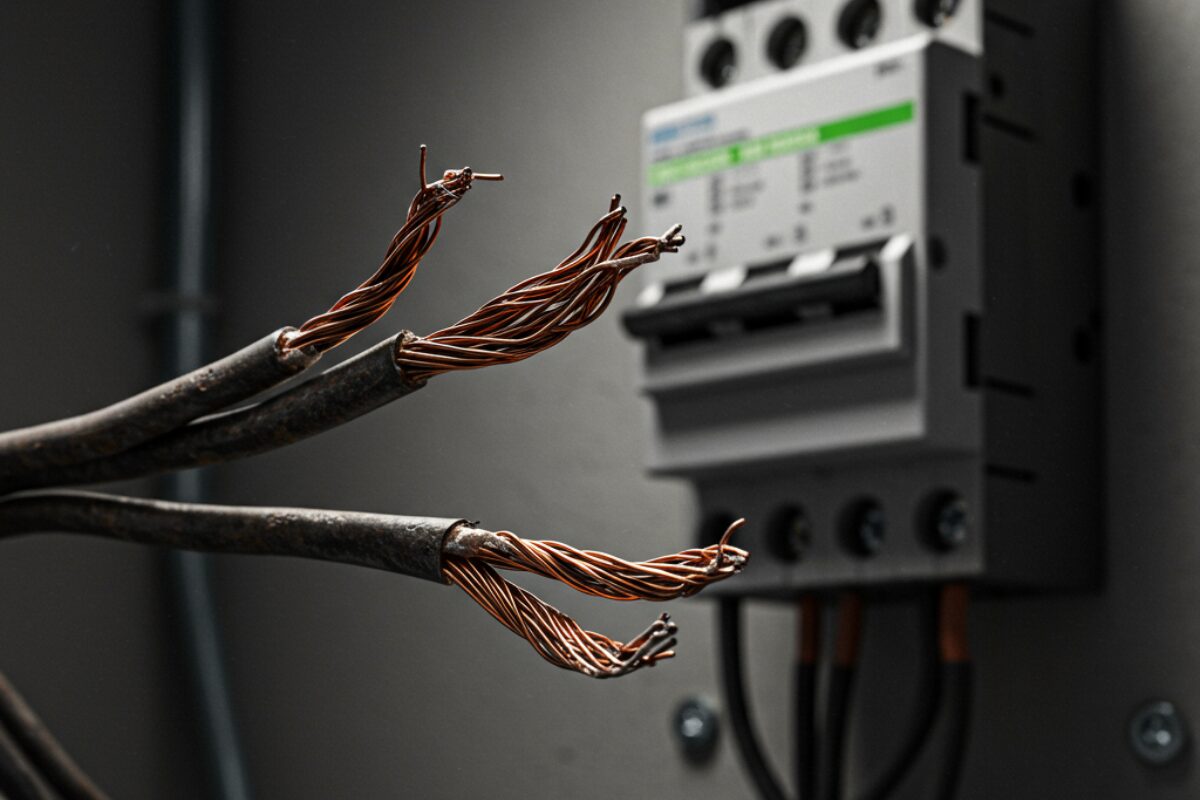
More alarming, however, are signs like sparks or burning smells emanating from your electrical panel. These are critical warning signs of serious electrical faults, such as overloaded circuits, deteriorating wiring, or worn-out panel components. In some cases, the use of aluminum wiring compounds the risk, as the metal expands and contracts with temperature changes, eventually causing loose connections and arcing.
Electrical arcing can generate intense heat, leaving scorch marks, melting wires, and sometimes leading to devastating fires. If you notice any sparks, unusual odors, or visible damage around your panel, shut off power immediately and seek professional assistance. Do not attempt to investigate or fix these issues yourself—timely intervention by a licensed electrician is vital to ensuring the safety of your property and those within it.
Preparing for the Future: Upgrades for Smart Homes, EV Chargers, and Solar
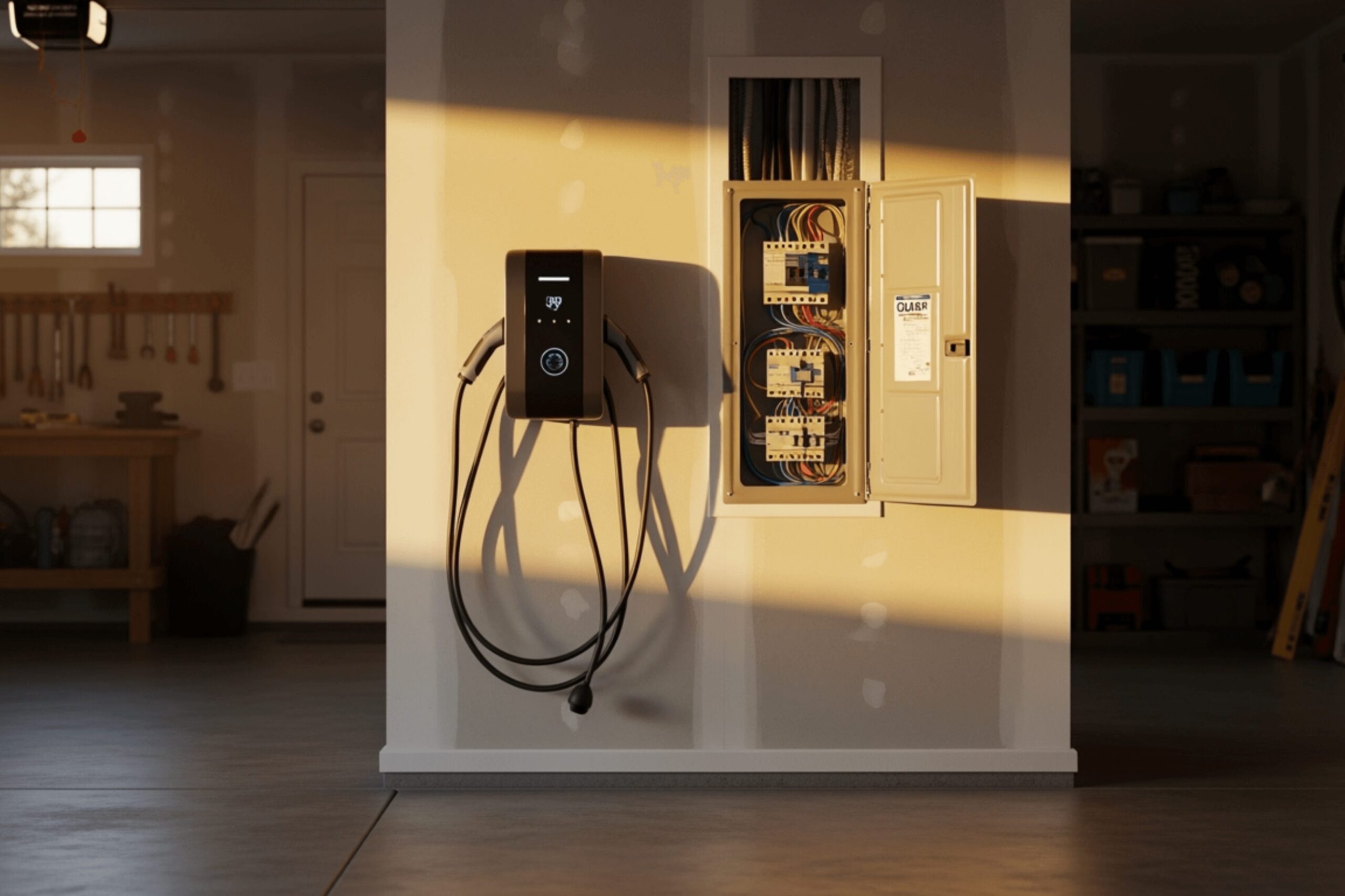
As technology continues to advance, the electrical needs of homes and businesses are evolving rapidly. Whether you’re considering installing smart thermostats, high-powered kitchen appliances, or an electric vehicle (EV) charging station, your electrical panel must be capable of handling increased loads safely and efficiently.
Older panels often lack the necessary capacity and protective features, such as ground fault circuit interrupter (GFCI) protection, which is essential for preventing electric shock and meeting modern safety codes. For those planning to embrace solar energy, most systems require a minimum of a 200-amp panel to support net metering and safely handle the influx of solar power. Attempting to connect advanced technologies to an outdated panel can result in power instability, code violations, and increased risk of electrical accidents.
Proactively upgrading your electrical panel ensures your property can accommodate today’s high-tech lifestyle while remaining flexible for future advancements. It’s a smart step for anyone looking to modernize their home, increase energy efficiency, and support new installations like EV chargers or solar panels. A professional inspection will help determine if your current system is up to the task or if it’s time for an upgrade.
Why Professional, Licensed Electricians Are Essential for Panel Upgrades
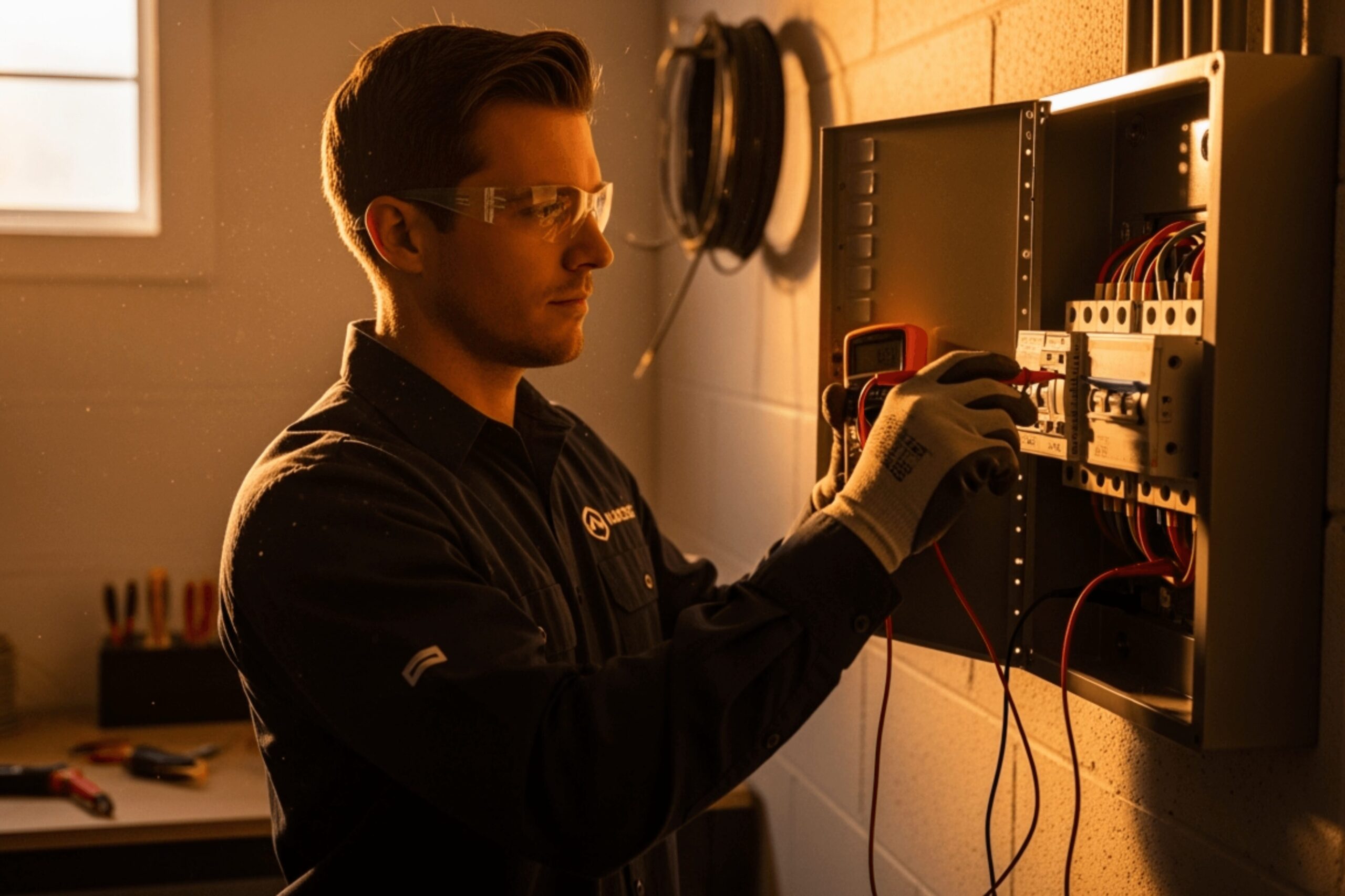
Upgrading an electrical panel is a complex and potentially hazardous job that should never be undertaken as a do-it-yourself project. Electrical systems are governed by rigorous local and national codes to ensure safety, and only licensed electricians have the training and expertise needed to meet these standards.
A professional electrician will properly assess your property’s unique power requirements, select the correct panel size, and ensure all wiring and components are installed to code. This meticulous process prevents future overloads, reduces the risk of fire, and safeguards your sensitive electronics and appliances.
Additionally, reputable electricians provide warranties on their work, giving you peace of mind that any issues will be addressed promptly. Documentation from a licensed upgrade is invaluable during resale, as it reassures potential buyers and inspectors that the property’s electrical system is up to date and safe.
In the greater Vancouver area and throughout the lower mainland, hiring a licensed electrician for panel upgrades is essential for compliance, safety, and long-term reliability—no matter if you’re managing a residential, commercial, or industrial property.
Boosting Home Value and Safety: What to Expect After an Electrical Panel Upgrade
An upgraded electrical panel offers a range of benefits that extend beyond mere convenience. First and foremost, it significantly enhances safety by reducing the chances of electrical fires, power surges, and equipment damage. Insurance companies often recognize this improved safety profile, which can translate into lower premiums for homeowners.
From a real estate perspective, a modern panel adds tangible value to your property. Prospective buyers are increasingly looking for homes that are not only safe but also ready for smart technology, EV charging, and solar power installations. A new panel can make your property more attractive and help it pass home inspections with ease.
Furthermore, a modern electrical system is built for reliability, delivering consistent power to all areas of your home or business and supporting future technology as it becomes available. Whether you’re concerned about safety, planning to sell, or simply want to future-proof your property, a professional electrical panel upgrade is a sound investment that pays dividends in both peace of mind and property value.