

Understanding the Factors Behind Rising Electricity Costs
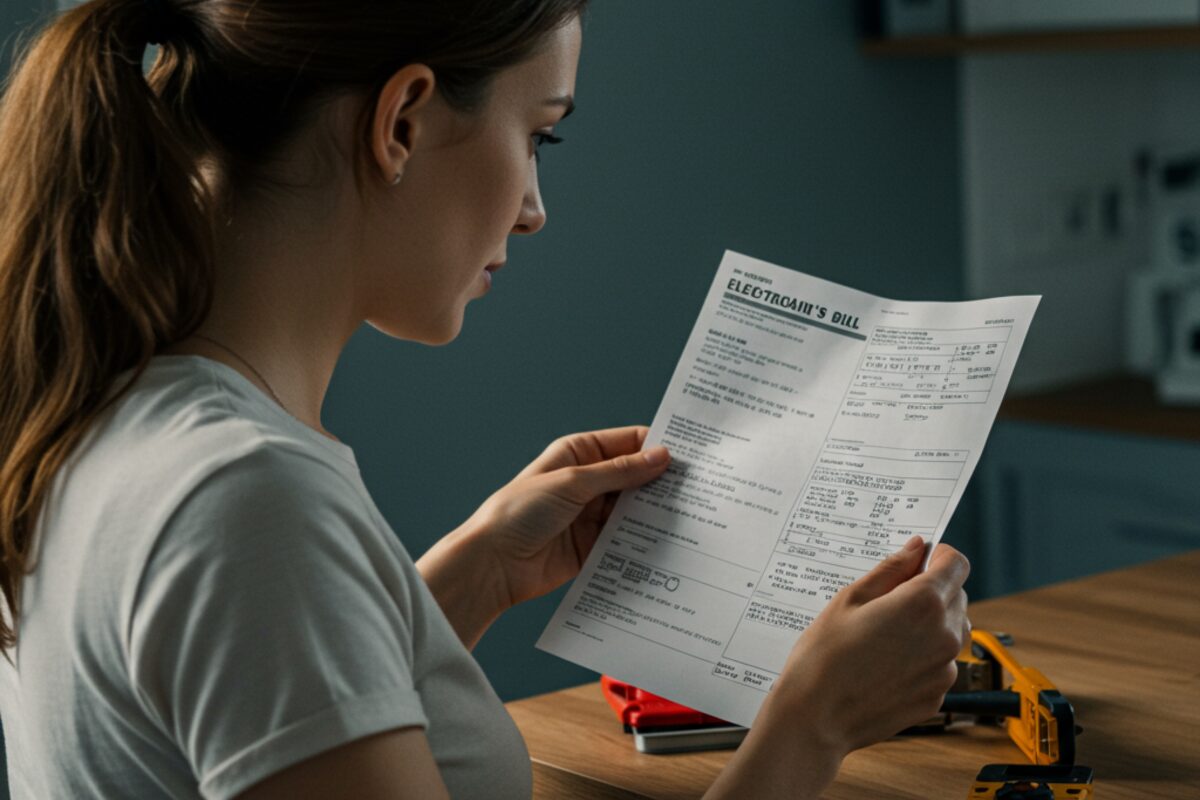
Electricity costs in Vancouver and Burnaby have been on the rise, leaving many property owners puzzled when faced with unexpectedly high utility bills. The first step to tackling these costs is understanding the broader factors influencing your energy expenses. Local electricity rates have gradually increased in recent years, a trend driven by maintenance and upgrades to the power grid, as well as growing demand across residential, commercial, and industrial sectors.
Seasonal changes play a significant role too. Cold winters and hot summers often lead to increased heating and cooling needs, which can substantially raise electricity usage. Even small changes in weather, such as a series of cloudy days, can prompt more indoor lighting and appliance use, impacting your monthly bill.
Lifestyle choices and daily habits also have a significant effect. For instance, leaving lights on, running appliances during peak hours, or using outdated equipment can all contribute to higher energy consumption. Each property type—whether a home, business, or industrial facility—has unique energy demands, with some requiring around-the-clock power for equipment and operations.
Lastly, local regulations and investments in grid infrastructure influence electricity pricing. Utility companies may adjust rates to cover the costs of modernizing their systems to meet safety and efficiency standards. By understanding these underlying factors, property owners can better identify where they can take control and reduce their monthly electric bills.
Common Electrical Issues That Spike Your Bill
Unexpectedly high electric bills are often linked to hidden electrical issues within a property. Faulty or aging wiring is a primary culprit, as it can leak energy or cause certain circuits to work harder, consuming more electricity than necessary. In some cases, outdated panels are not equipped to handle modern energy demands, resulting in inefficiencies that quietly add to your bill.
Power surges—whether from lightning strikes, grid fluctuations, or internal sources—can also escalate costs. Not only do surges risk damaging appliances, but repeated small surges can degrade electronic components, causing them to draw more power over time.
Appliances and electronic devices left on or even in “standby” mode are another source of wasted energy. This phenomenon, known as “phantom load” or “vampire power,” means that devices continue to consume electricity even when not actively in use.
Neglected repairs and lack of regular maintenance can further compound these issues. Small problems, like a flickering light or a tripping breaker, may seem minor but could indicate underlying faults that sap energy. By addressing these common electrical issues early, property owners can prevent unnecessary spikes in their electric bills and ensure their electrical systems operate efficiently.
How Outdated Wiring and Appliances Affect Energy Efficiency
Outdated wiring and appliances are significant contributors to energy inefficiency in homes and businesses. Older wiring systems, often found in properties built decades ago, may not meet current safety codes or be able to support today’s heavy electrical loads. Not only does this increase the risk of electrical fires, but it also means that energy is not being delivered or used as efficiently as possible, leading to higher utility bills.
Similarly, appliances that have seen better days tend to use far more electricity than their modern, energy-efficient counterparts. Refrigerators, air conditioners, and lighting fixtures manufactured years ago lack the technological advancements that allow for optimal power usage. Over time, wear and tear further degrade their efficiency, making them costly to operate.
Many property owners overlook the importance of energy efficiency ratings. Appliances with higher ratings use less power to perform the same functions, resulting in immediate and long-term savings. If you notice frequent breaker trips, flickering lights, or outlets that no longer work, these may be signs that your property needs rewiring or electrical upgrades. Addressing outdated components not only reduces your energy use but also enhances safety and reliability throughout your property.
Smart Upgrades and Maintenance Tips to Lower Your Bill
Embracing smart upgrades and a proactive approach to maintenance can make a significant difference in your monthly electric bill. One of the simplest and most effective improvements is switching to LED lighting, which uses a fraction of the energy consumed by traditional bulbs. Similarly, installing smart thermostats allows for precise control over heating and cooling, ensuring energy isn’t wasted when rooms are unoccupied.
Regular electrical maintenance is crucial for uncovering hidden inefficiencies before they become costly problems. Routine inspections can identify aging wiring, overloaded circuits, or appliances drawing excessive power. Upgrading your circuit panel or rewiring older sections of your property ensures your system can safely and efficiently meet your current energy needs.
Developing energy-saving habits is equally important. Simple steps like unplugging devices when not in use, using energy-efficient appliances, and setting timers on outdoor lighting can further reduce consumption. Scheduling periodic professional inspections provides peace of mind, knowing your electrical system is operating at peak efficiency and in line with safety standards. These smart upgrades and practices not only lower your electric bill but also contribute to a safer, more reliable property.
When to Seek Professional Help for Electrical Concerns
Knowing when to seek professional help is vital for maintaining both the safety and efficiency of your property’s electrical system. Warning signs such as frequent circuit breaker trips, persistent power surges, burning smells, or visible sparks are immediate red flags that should never be ignored. Attempting to resolve these issues yourself can be dangerous, as electrical work requires specialized knowledge and strict adherence to safety protocols.
Professional electricians are equipped to conduct thorough inspections, quickly identify the root causes of problems, and provide safe, code-compliant solutions. Their expertise ensures that complex issues—such as rewiring, circuit upgrades, or troubleshooting persistent electrical faults—are handled correctly, reducing the risk of future problems and additional costs.
In emergency situations, such as power outages, exposed wires, or electrical fires, it’s crucial to call for immediate professional assistance. Timely intervention not only protects your property but also safeguards occupants from harm.
In the long run, investing in professional electrical services translates to lower utility bills, improved energy efficiency, and enhanced peace of mind. Regularly scheduled inspections and maintenance can prevent small issues from escalating, ensuring your property remains safe, functional, and cost-effective.