

Vancouver’s EV Shift: What Growing Charging Networks Mean for Local Homes and Businesses
Vancouver is experiencing a rapid transformation as electric vehicles (EVs) become an increasingly common sight on city streets. This evolution is driven in no small part by a significant expansion of EV charging infrastructure, with new public and private charging stations springing up across neighborhoods, shopping districts, and workplaces. Such growth isn’t just a boon for early adopters of electric mobility—it’s also reshaping how homeowners, business operators, and property developers think about the electrical needs of their buildings and facilities.
Reducing range anxiety, a common concern among potential EV buyers, is a top priority. With more charging stations placed strategically throughout Vancouver, drivers can now confidently plan longer trips and daily commutes, knowing they’ll have convenient access to reliable charging. This convenience helps to promote broader adoption of EVs, making sustainable transportation an attainable goal for families and companies alike.
The ripple effects extend beyond transportation. For homeowners, installing EV-ready solutions can increase property value and future-proof their homes. Businesses, especially those in retail or hospitality, are beginning to see EV charging as an amenity that draws customers and tenants, enhancing their competitiveness. In the industrial sector, robust charging infrastructure signals a commitment to operational sustainability and forward-thinking technology.
Underpinning these changes is the critical role of efficient, safe, and modern electrical systems. Whether for a residential garage or a commercial parking lot, the shift to EVs necessitates not only more outlets but smarter, higher-capacity wiring and panels. As Vancouver accelerates toward a low-carbon future, embracing these upgrades is becoming essential for staying ahead in the evolving landscape of urban living and commerce.
From Level 2 to Ultra-Fast: Understanding Modern EV Charger Technology and Power Levels
Electric vehicle charging technology has come a long way from the slow, overnight trickle charges of the past. Today, Vancouver’s charging landscape offers a variety of solutions tailored to different user needs, from basic Level 1 chargers in private garages to ultra-fast public stations capable of replenishing a battery in minutes.
Level 1 chargers, which use a standard household outlet, provide a practical entry point for low-mileage users but require many hours for a full charge. Level 2 chargers, commonly installed in homes and workplaces, operate at higher voltage and current, reducing charging times to just a few hours—ideal for daily top-ups.
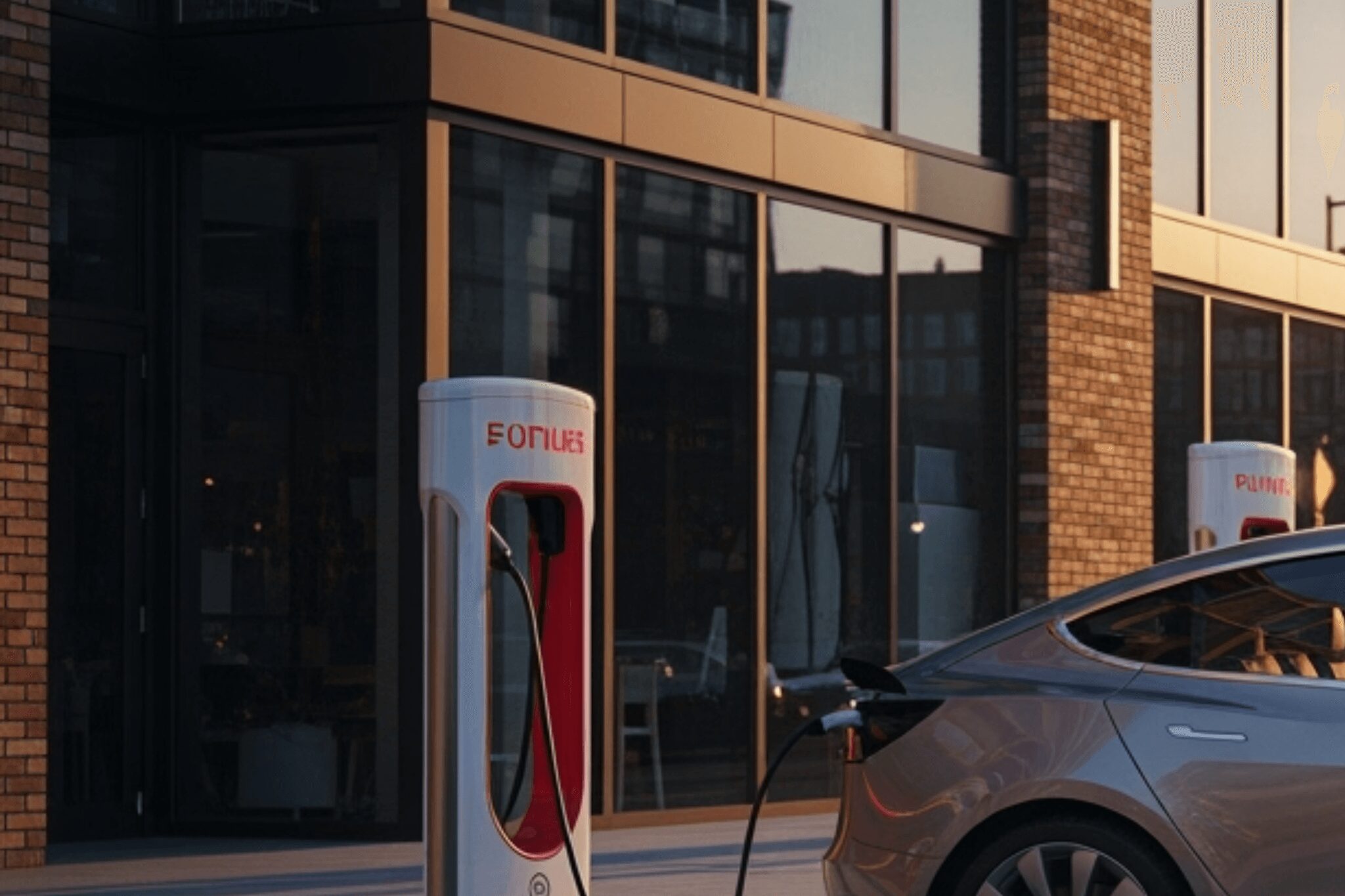
The real game-changer, especially for citywide networks and travel corridors, is the rise of DC fast chargers and ultra-fast charging stations. These high-powered units, delivering between 150 kW and 350 kW, can bring an EV’s battery up to 80% in as little as 20 minutes. This dramatic reduction in charging time makes long-distance EV travel feasible and appealing, while also supporting fleets and high-usage vehicles that need minimal downtime.
Deciding which charger suits a particular setting depends on expected demand and usage patterns. Residential installations typically favor Level 2 chargers for their balance of speed and affordability. Commercial locations—such as shopping centers, hotels, and multi-family residences—often mix Level 2 and DC fast chargers to accommodate a range of vehicles and visitor needs. Public stations equipped with ultra-fast chargers are strategically placed to minimize wait times and maximize accessibility, catering especially to owners of high-end or long-range EVs who value speed and convenience.
Understanding these options is crucial for property owners and managers planning electrical upgrades or renovations. By matching charger technology to user needs, they can offer a reliable, future-proof amenity that meets the demands of evolving travel habits in an electrified Vancouver.
Smarter, Cleaner Charging: Renewable Integration, Smart Controls, and Panel Upgrades
As Vancouver’s charging network grows, the emphasis is shifting toward making EV charging not only widespread but also smarter and more sustainable. A leading trend is the integration of renewable energy sources with charging infrastructure. Newer stations are being paired with solar panels, transforming parking lots and rooftops into micro power plants that feed clean energy directly into vehicles. When coupled with battery storage, these installations can store excess solar energy for use during periods of high demand or outages, improving both the sustainability and resilience of the city’s power supply.
But innovation doesn’t stop at the energy source. Smart charging solutions are revolutionizing how users interact with their EV chargers and how utilities manage electrical loads. Features like dynamic load balancing ensure that charging stations distribute available power efficiently, preventing overloads and optimizing energy use during peak and off-peak hours. Meanwhile, mobile apps and remote monitoring give EV owners real-time insights into their charging sessions, allow for scheduling based on electricity rates, and send notifications when charging is complete.
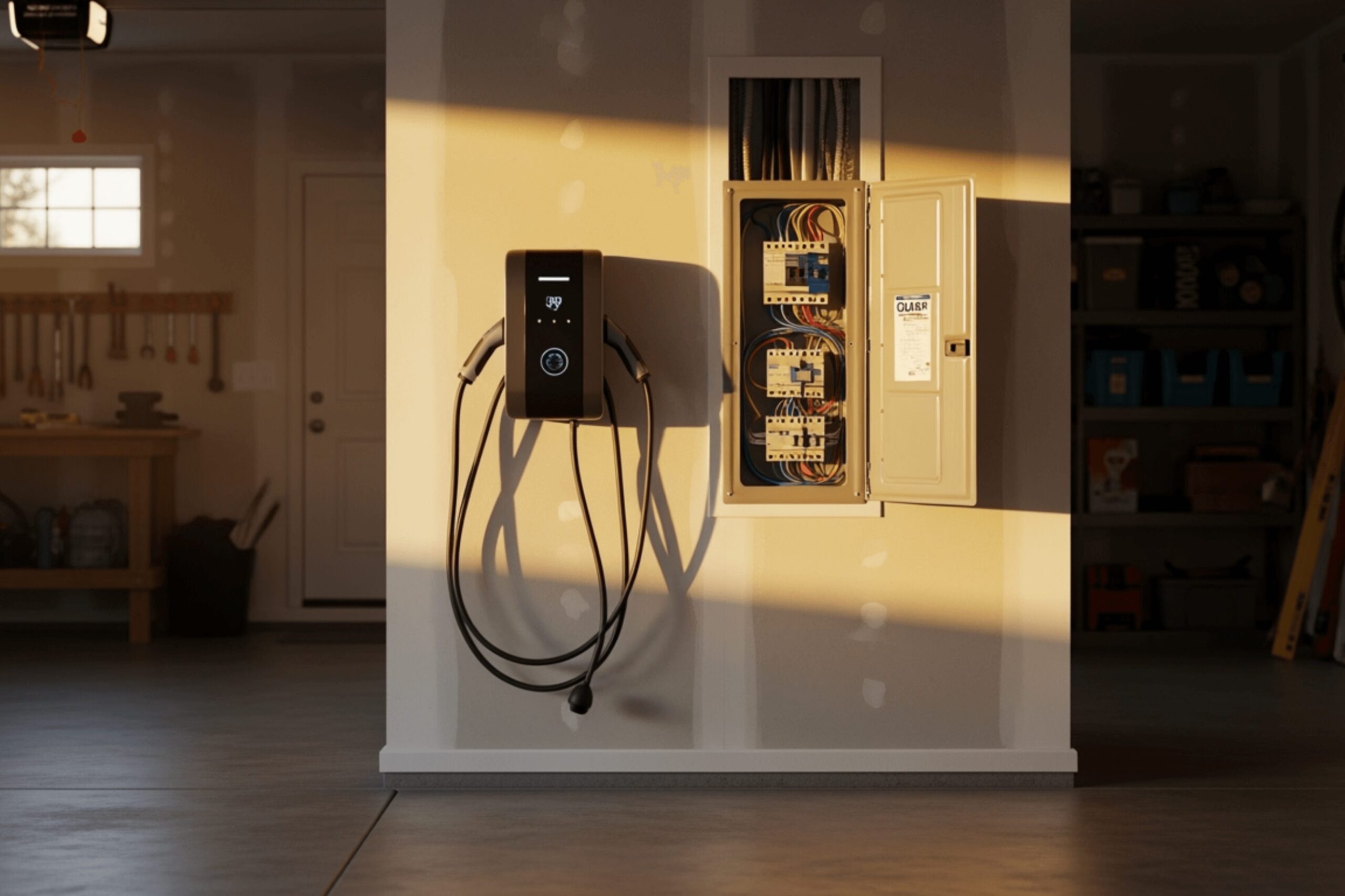
For property owners, integrating these technologies often requires upgrades to electrical panels and service. Modern EV chargers, especially those with higher output or multiple ports, demand greater capacity and more advanced safety features than legacy wiring can provide. Investing in panel and service upgrades is an important step, ensuring that homes, businesses, and multi-unit buildings can safely and efficiently support current and future charging needs.
Beyond convenience, these advancements play a key role in stabilizing the wider electrical grid. Smart chargers can be programmed to draw power when renewable generation is highest or when demand is lowest, helping to balance the grid and reduce reliance on fossil fuels. For Vancouver residents and businesses, this means every trip to the charging station can be a step toward a cleaner, more resilient city.
Public–Private Collaboration and Incentives: How Policies Support EV Chargers at Home, Work, and in High-Density Areas
The remarkable progress in Vancouver’s EV charging network is the product of more than just market demand—it’s the result of intentional collaboration between municipal leadership, utility providers, and private enterprise. By working together, these stakeholders ensure that charging stations are installed where they’re most needed, from bustling downtown parkades to community shopping hubs and new residential developments.
Public–private partnerships encourage innovation and streamline the often-complex process of expanding infrastructure. Utilities bring expertise in grid management and energy supply, while private companies contribute efficiency, customer perspective, and investment capital. Municipal policies often set ambitious targets for station deployment, while zoning and permitting processes are adjusted to support rapid rollout.
For residents and businesses, significant financial incentives are available to ease the transition to EV readiness. Rebate programs can offset a large portion of the cost for installing charging stations at home or at work, making these upgrades accessible to a wider audience. Some initiatives also support the purchase of EVs themselves, further lowering the financial barrier to greener transportation.
A critical focus has been placing chargers in dense urban areas, multi-family residences, and highly trafficked commercial properties. This strategy improves both the visibility and accessibility of EV charging, encouraging more people to consider electric vehicles as a viable option for daily commuting or business use. As more properties embrace these advancements, the city moves closer to making EV usage a mainstream, normalized part of urban mobility.
By combining smart policy, robust partnerships, and proactive incentive programs, Vancouver is not only meeting the current needs of its citizens but also preparing the groundwork for a fully electrified future.
Planning Ahead: Electrical Safety, Future-Ready Wiring, and Efficient Power Use in an EV-Ready Property
As interest in EVs accelerates and charging infrastructure becomes ubiquitous, property owners in Vancouver face pivotal decisions about how to prepare for an electrified future. Ensuring electrical safety and future-readiness is not only about meeting today’s needs—it’s about making investments that will pay dividends in property value, efficiency, and peace of mind for years to come.
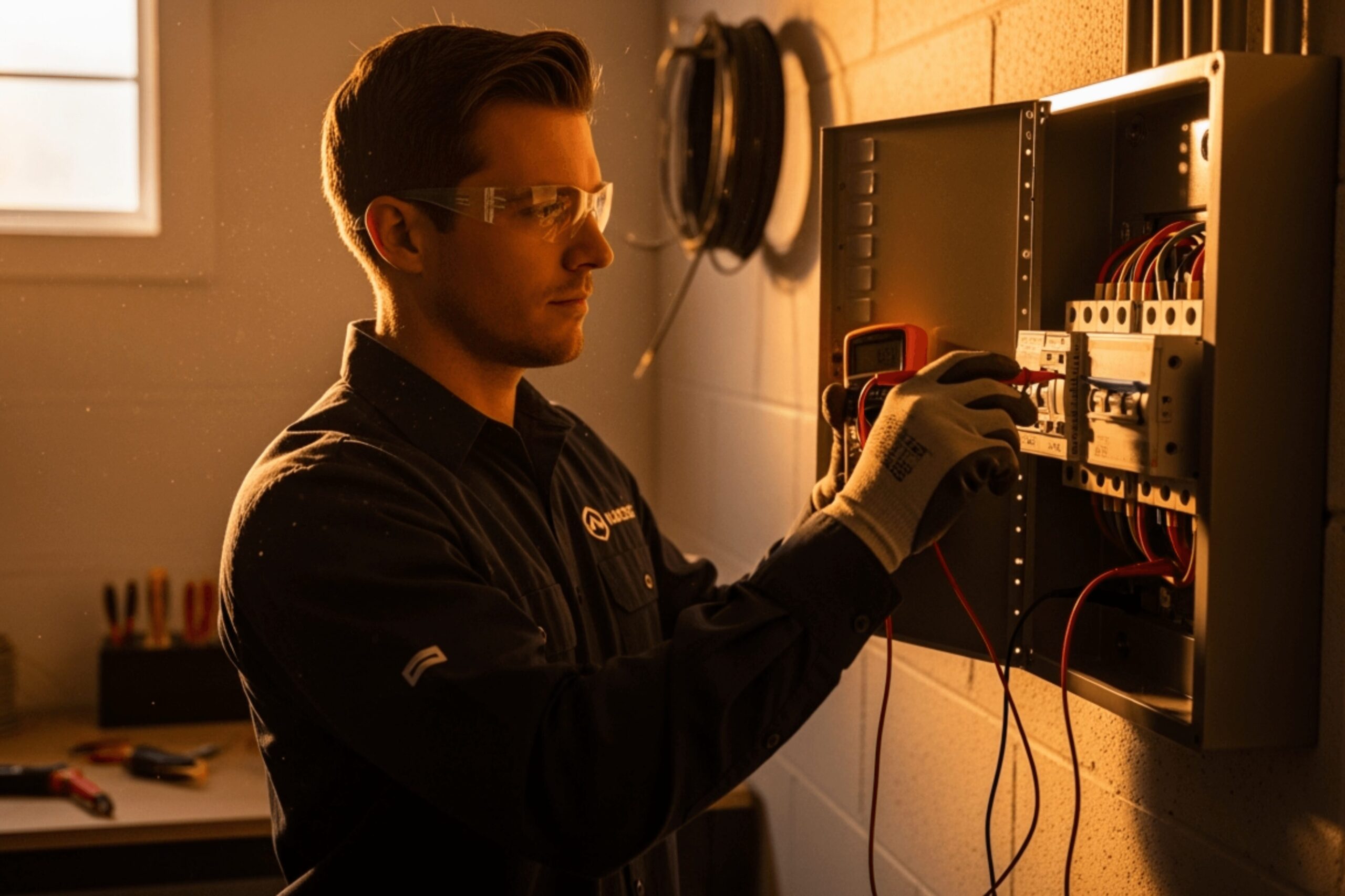
Professional installation is a non-negotiable starting point. Licensed electricians ensure that every EV charger is installed to strict safety codes, preventing hazards such as electrical fires, shock risks, or system overloads. This attention to detail is particularly critical when chargers are being integrated alongside other electrical upgrades, such as new lighting solutions, renovated kitchens, or heat pump and AC installations.
Upgrading wiring, panels, and circuit breakers is often necessary to accommodate the increased load from modern chargers, especially ultra-fast or multiple-unit installations. Choosing the right panel size and wiring gauge, as well as planning for future expansion, can save significant time and expense down the road. These upgrades also provide peace of mind that your property can safely support growing electrical demands, whether for EV charging, climate control, backup generators, or smart home features.
Optimizing power use is another key consideration. Smart charging systems can be programmed to take advantage of off-peak rates, reducing electricity bills and easing strain on the grid. Combined with high-efficiency lighting and HVAC systems, these strategies make it possible to operate a fully modern, electrified property without runaway costs.
Ultimately, preparing your home, business, or facility for EV charging is about more than just plugging in a new device. It’s about building a resilient, adaptable, and safe electrical system that can evolve alongside Vancouver’s rapidly changing urban landscape. By taking a proactive approach, property owners can ensure their spaces remain comfortable, competitive, and green for years to come.