

The rise of electric vehicles (EVs) in Vancouver and Burnaby mirrors a global shift toward cleaner, more sustainable transportation. With local and national incentives encouraging EV adoption, more property owners are making the switch from traditional gasoline vehicles. This change has driven a growing demand for practical, reliable charging options that fit seamlessly into daily life.
Many EV owners quickly realize the limitations of relying solely on public charging stations. Availability, wait times, and the inconvenience of having to plan trips around charging locations can be significant drawbacks. As a result, at-home charging has become a highly sought-after solution. It enables drivers to conveniently recharge their vehicles overnight or while at home, eliminating the need to search for available public chargers.
In addition to convenience, home charging aligns with the desire to reduce energy costs and environmental impact. Homeowners can take advantage of off-peak electricity rates, making EV ownership more affordable over time. Furthermore, as energy efficiency becomes a higher priority for both individuals and communities, installing a home charging station is seen as a proactive step toward embracing sustainable living. By supporting the transition to electric vehicles, home charging is playing a vital role in reshaping modern transportation and energy use.
Comparing Tesla Wall Connectors to Standard Outlets
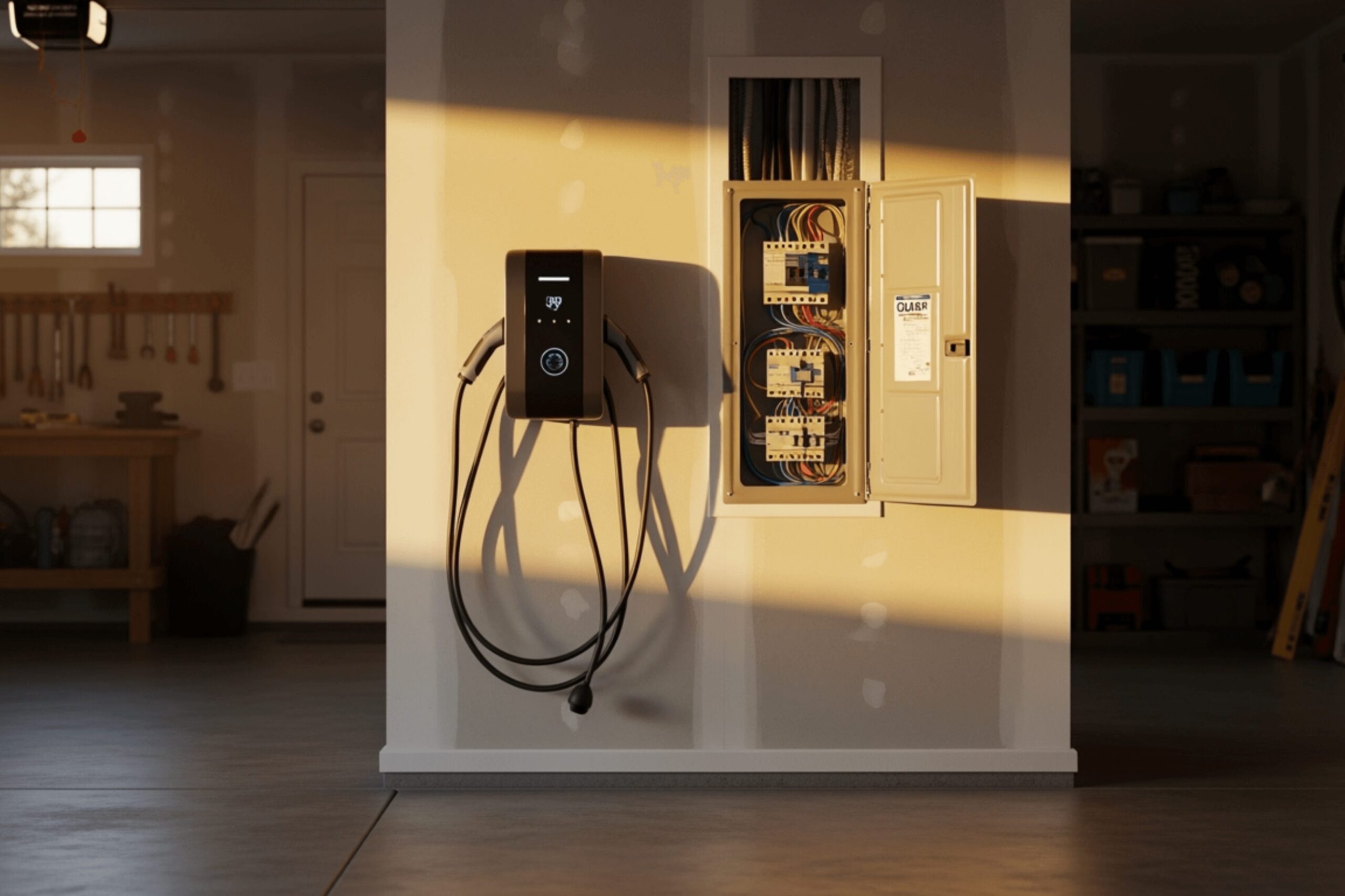
When it comes to charging an electric vehicle at home, not all options are created equal. The Tesla Wall Connector stands out compared to standard household outlets in several key ways. One of the most significant differences is charging speed. A traditional 120-volt outlet (Level 1 charging) typically provides just 3-5 miles of range per hour, which may suffice for very light daily use but falls short for most drivers’ needs.
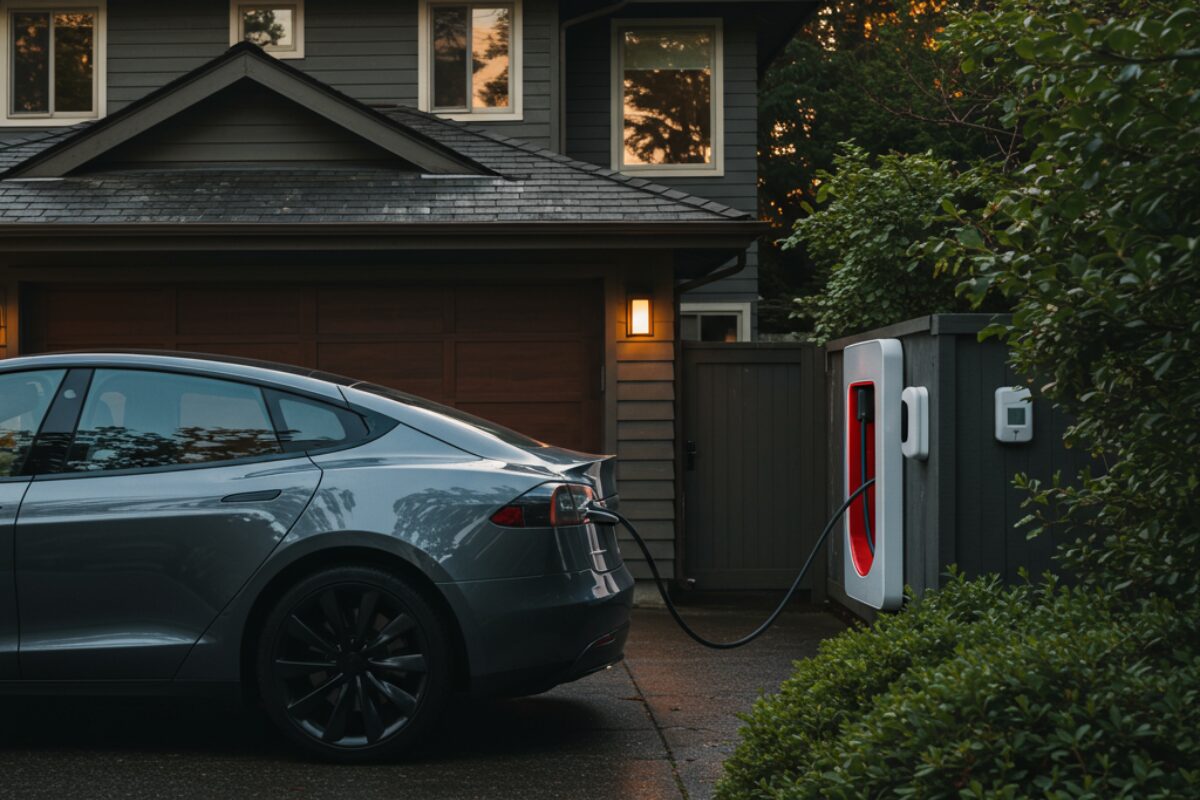
In contrast, the Tesla Wall Connector (a Level 2 charger) delivers up to 44 miles of range per hour, making it possible to fully recharge most EVs overnight. This increased charging rate can be a game-changer for busy households or anyone who relies heavily on their vehicle and wants to avoid the hassle of frequent charging stops.
Technical specifications aside, the Wall Connector also brings important safety and reliability benefits. It is designed specifically for high-capacity, continuous use and includes features that protect against overcurrent and electrical faults. This makes it a safer long-term solution compared to using extension cords or overloading standard outlets, which can pose fire hazards or lead to circuit failures.
Ultimately, while a regular outlet may be sufficient for occasional or low-mileage drivers, most EV owners in Vancouver and Burnaby find that a dedicated Wall Connector is essential for ensuring their vehicle is always ready to go. The investment in a proper charging station pays off in convenience, safety, and practicality.
Key Advantages: Speed, Convenience, and Energy Savings
A dedicated home charging station offers a suite of advantages that go well beyond simply plugging in your car. Speed is one of the most appreciated benefits. With the ability to add up to 44 miles of range per hour, the Tesla Wall Connector ensures that your vehicle is reliably topped up each morning, eliminating range anxiety and adapting seamlessly to your schedule.
Convenience is another major draw. Home charging means you can plug in your EV at the end of the day and wake up to a fully charged battery, without detours to public charging stations or waiting in line. This is especially valuable for families with multiple drivers or those with unpredictable routines.
Energy savings are also a significant perk. Many utility providers in Vancouver and Burnaby offer lower rates for electricity used during off-peak hours, typically overnight. By scheduling charging sessions during these times, homeowners can reduce their overall energy bills, making electric vehicle ownership even more cost-effective in the long run.
Modern charging stations often come equipped with smart features that provide additional energy management options. Users can monitor usage, schedule charging times, and even integrate their system with renewable energy sources like solar panels for further savings and reduced carbon footprint. All these factors combine to make home EV charging a smart investment for those looking to maximize both convenience and cost efficiency.
Enhancing Home Value and Embracing Sustainable Living
Installing a home charging station for an electric vehicle can have positive effects beyond personal convenience and savings—it can also enhance your property’s value. As more buyers and renters in Vancouver and Burnaby prioritize sustainability and future-ready amenities, homes equipped with EV charging stations are becoming increasingly attractive on the market.
A dedicated charging setup signals that a property is modern, energy-efficient, and well-prepared for the growing shift toward electric vehicles. For prospective buyers or tenants who already own an EV or are considering one in the future, this feature can be a deciding factor, setting your property apart from others.
The integration of EV charging stations with renewable energy systems, such as solar panels, further boosts a home’s green credentials. This not only reduces reliance on the grid but also allows homeowners to power their vehicles with clean energy, supporting a more sustainable lifestyle.
For property owners committed to sustainability, installing a home charging station is an actionable step toward reducing carbon emissions and supporting local environmental goals. By investing in these modern amenities, you not only improve your day-to-day life but also contribute to a greener community and a more resilient property market.
Important Considerations Before Installing a Tesla Charger
Before moving forward with the installation of a Tesla home charging station, it’s important to carefully evaluate your unique circumstances. Start by considering your daily driving habits. How many kilometers do you typically drive? Is an overnight charge necessary to meet your needs, or would a slower charging solution suffice? These questions will help determine whether the investment in a Wall Connector is justified.
Property ownership is another key factor. Homeowners generally have more flexibility to install permanent fixtures, while renters may need to seek approval from landlords or consider portable solutions. It’s also wise to review your property’s existing electrical system. Older homes may require panel upgrades or rewiring to safely handle the increased load of a Level 2 charger.
Budgeting for installation costs is essential. While the upfront expense can be significant—factoring in equipment, permits, and professional labor—the long-term savings from reduced fuel costs and increased property value often offset this initial investment. In some cases, rebates or incentives may be available to help lower the cost.
Finally, think about your access to public charging infrastructure. Even with a home charger, public networks can provide valuable backup, especially for long trips or unexpected needs. By weighing these considerations, you can make an informed decision that matches your lifestyle and budget.
The Role of Professional Electrical Installation for Safety and Compliance
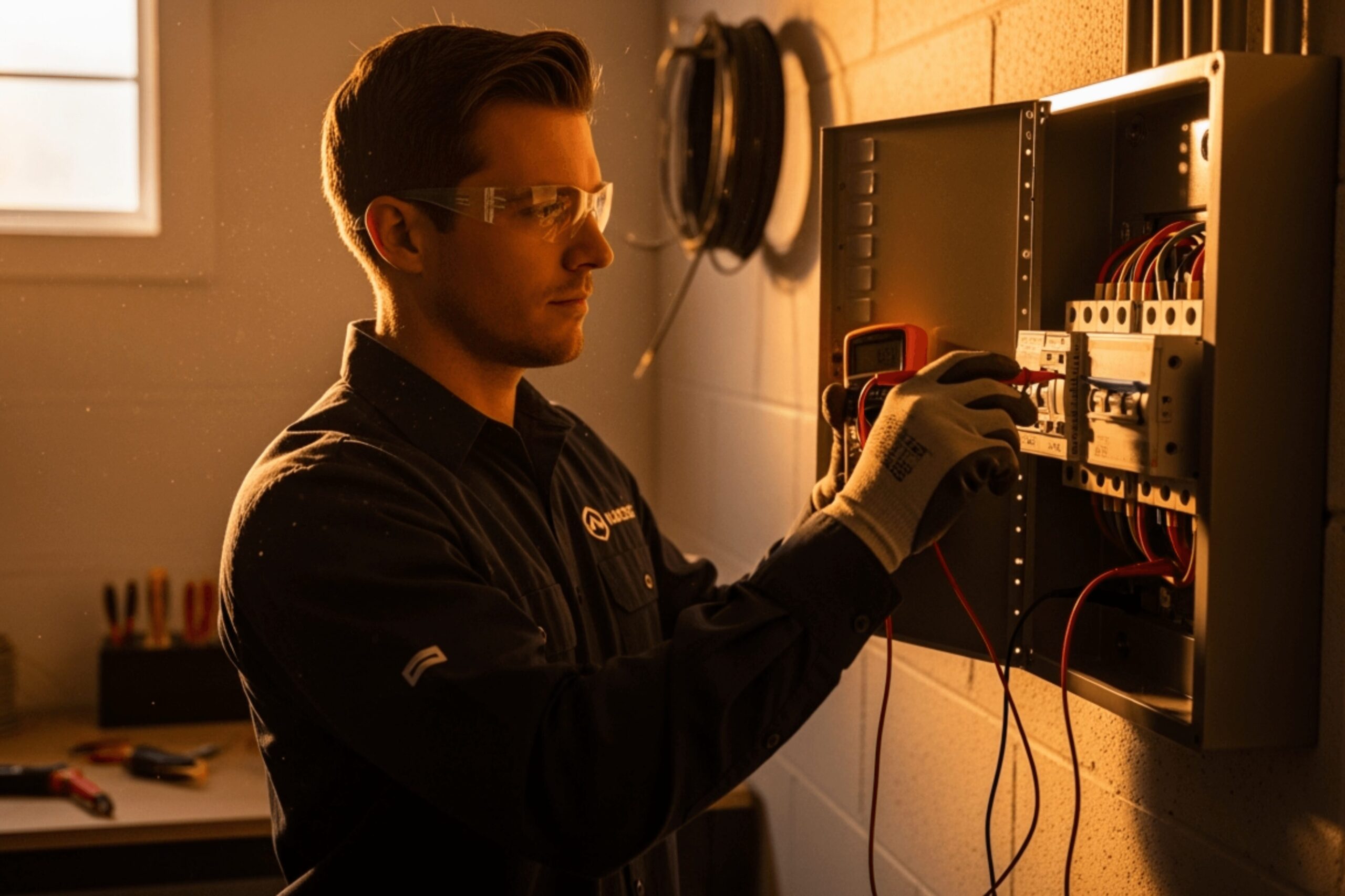
Installing a home charging station is a complex electrical project that requires expertise and careful planning. For safety and compliance, it is crucial to engage a licensed electrician familiar with local codes and standards in Vancouver and Burnaby. Professional installation ensures that your charger is correctly integrated into your home’s electrical system, reducing risks associated with improper wiring, overloading, or faulty connections.
A qualified electrician will assess your existing electrical panel, determine if upgrades are necessary, and ensure that circuits are properly sized to handle the continuous load of EV charging. This not only prevents nuisance tripping of breakers but also guards against overheating and potential fire hazards.
Compliance with municipal and provincial regulations is another essential aspect. Permits and inspections may be required, and only a licensed professional can guarantee that your installation meets all relevant safety requirements. This is especially important for insurance purposes and in the event of a resale, as improper installations can lead to costly remediation or legal issues.
By entrusting the job to an expert, homeowners gain peace of mind knowing their charging station is safe, efficient, and built to last. It’s a critical step in protecting your investment and ensuring reliable operation for years to come.
How Home Charging Complements Tesla Superchargers for Long Trips
While home charging stations provide unmatched convenience for daily needs, it’s important to understand how they fit into the broader ecosystem of electric vehicle charging options. Home chargers are ideally suited for regular overnight charging, ensuring your vehicle is always ready for commutes, errands, and local travel.
Tesla Superchargers, on the other hand, are designed for rapid charging during long-distance journeys. These high-powered stations can add hundreds of kilometers of range in under an hour, making them invaluable for road trips or situations where quick turnaround is essential. However, Superchargers are not intended for regular, daily use due to higher costs and potential impacts on battery health over time.
For most EV owners, the optimal strategy combines the best of both worlds. Home charging covers the bulk of everyday driving, maximizing cost savings and convenience, while Superchargers provide essential support for occasional extended travel. This approach minimizes reliance on public infrastructure while offering the flexibility to venture beyond the local area without worry.
By understanding the complementary roles of home and public charging options, EV owners can plan their energy use effectively, save money, and enjoy the freedom of electric mobility both within and beyond Vancouver and Burnaby.
Moving Toward a Greener Future with Smart Home Charging Solutions
The adoption of home electric vehicle charging stations is not just a matter of convenience—it’s a meaningful step toward a greener, more sustainable future. Modern charging solutions are equipped with smart features that allow homeowners to monitor energy use, schedule charges for off-peak hours, and even integrate with home energy management systems. These capabilities maximize efficiency and savings while reducing strain on the grid.
Increasingly, homeowners in Vancouver and Burnaby are pairing their charging stations with renewable energy sources, such as solar panels. By generating and using their own clean electricity, they further reduce their environmental impact and move closer to energy independence. This synergy between EV charging and renewable energy supports local and global efforts to combat climate change.
Beyond the personal benefits, widespread adoption of smart home charging contributes to broader sustainability goals. It helps reduce greenhouse gas emissions, supports the transition to renewable energy, and positions communities as leaders in the fight against climate change.
Looking ahead, advances in charging technology will continue to make home charging smarter, faster, and more integrated with other systems. By embracing these innovations now, property owners can future-proof their investments and play an active role in building a cleaner, more sustainable world.