


BC’s Changing Weather and Why Backup Generators Matter for Homes and Businesses
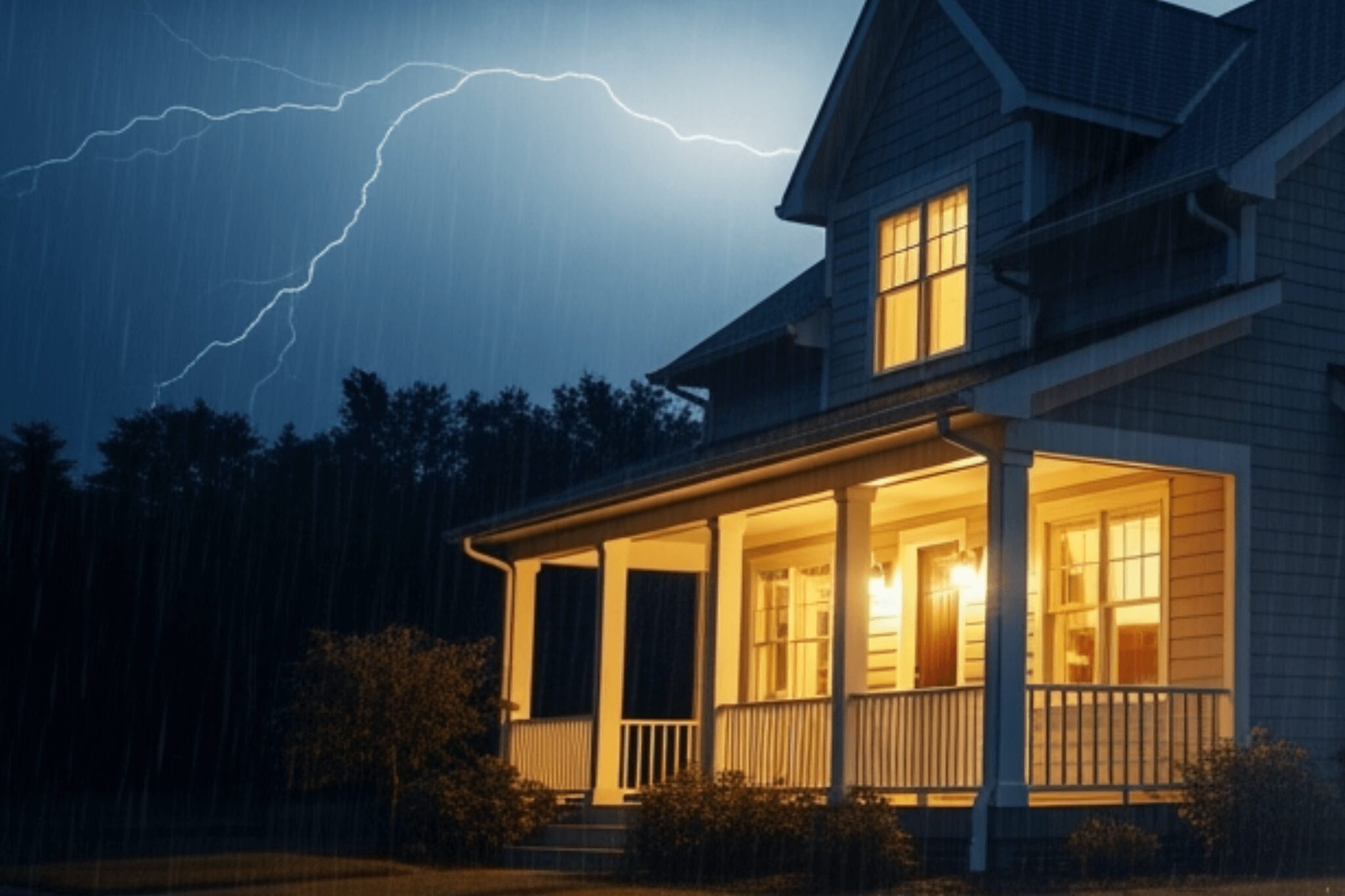
British Columbia’s weather has shifted dramatically in recent years. Residents of Burnaby, Vancouver, and the wider Lower Mainland are no strangers to windstorms, atmospheric rivers, and heavy snowfalls. These events aren’t just inconveniences—they’re catalysts for frequent, sometimes prolonged, power outages. When the lights go out, it’s more than just an annoyance: heating systems can fail on cold winter nights, refrigerators and freezers may stop protecting food, and everything from sump pumps to medical equipment becomes vulnerable.
For both homes and businesses, reliable power is no longer a luxury but a necessity. Remote work, so common today, requires constant connectivity. For businesses, a sudden outage can halt operations and result in significant losses. Homeowners face the risk of frozen pipes or flooded basements, translating to expensive repairs and insurance claims. Hospitals, care homes, and even small shops rely on uninterrupted power for safety and customer service.
A backup generator is the safeguard between routine life and chaos during a blackout. By automatically or manually supplying power when the grid fails, generators protect vital systems, keep families comfortable, and ensure businesses can continue serving the community. In an era where unpredictable weather is the norm, investing in a backup generator is an act of foresight that brings peace of mind and tangible protection against BC’s changing climate.
How to Size a Backup Generator: Essential Loads, Wattage, and the 20–30% Safety Buffer
Choosing the right size for your backup generator is a crucial step—one that directly impacts both safety and reliability. The most common mistake is sizing based solely on the square footage of your home or commercial space. Instead, focus on what you need to keep running during an outage. This means making a list of essential appliances and systems: heating units (especially vital during BC winters), refrigerators and freezers, core lighting circuits, life-saving medical equipment, and sump pumps to guard against basement flooding.
Each device has a specific running wattage, often listed on a label or in the user manual. Total these figures to determine your baseline power requirement. However, electrical loads don’t all start and run evenly—many appliances draw significantly more power at startup than during regular operation. That’s why industry best practices recommend adding a 20–30% buffer to your total wattage calculations. This margin ensures your generator can handle sudden surges, preventing overloads and extending the life of the equipment.
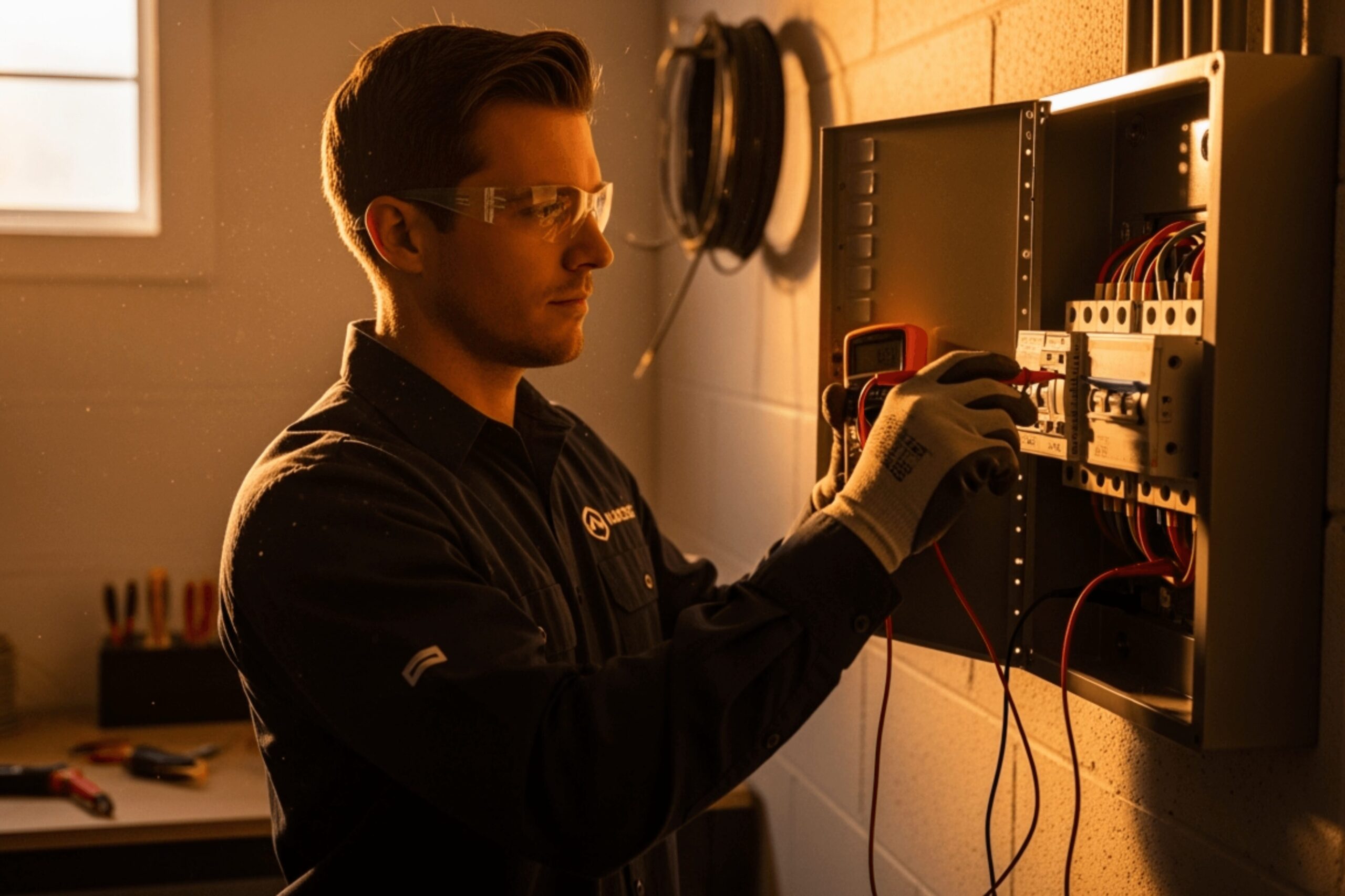
Given the complexities of load calculations—especially in homes with upgraded wiring, automatic transfer switches, or specialty equipment—seeking the expertise of a licensed electrician is essential. Electrical professionals familiar with BC’s unique climate and code requirements can help you accurately size your generator, ensure compatibility with existing electrical upgrades, and guide you toward the right solution for your lifestyle.
Installation in Burnaby and Vancouver: Permits, Safety, and Automatic Transfer Switch Requirements
The installation process for a backup generator in Burnaby or Vancouver is dictated by strict local codes and safety standards designed to protect both property and occupants. Before any work begins, homeowners and businesses must secure the necessary permits. These permissions confirm that the installation will comply with municipal building codes, electrical regulations, and, in many cases, local noise ordinances. Noise restrictions can be particularly significant in densely populated areas, so it’s essential that the chosen generator meets these requirements.
Safety is paramount. Generators produce carbon monoxide—a dangerous, odorless gas. To safeguard against this risk, placement guidelines mandate keeping generators well away from windows, doors, and ventilation intakes. This is true whether the property is a single-family home, a townhouse, or a commercial building.
A key feature in modern installations is the automatic transfer switch (ATS). An ATS detects when the main power supply fails and seamlessly switches your system to generator power. This not only prevents dangerous backfeeding into the utility lines but also provides convenience, as occupants aren’t required to manually intervene during an outage. For both residential and commercial settings, an ATS is a recommended upgrade alongside any generator installation.
Relying on a licensed electrician with local expertise ensures every detail—from permit application and placement to wiring, ATS integration, and adherence to safety codes—is handled professionally. Skipping steps or working with unqualified installers can expose property owners to risks, future headaches, and potential legal issues. When it comes to backup generators, cutting corners is never worth it.
Choosing the Right Generator and Electrical Upgrades for Your Property Type
Selecting the optimal generator for your home, business, or industrial property involves more than picking a brand or model. The first major consideration is the fuel source. In urban areas like Burnaby and Vancouver, natural gas is often the most practical choice, given its availability and relatively clean operation. Rural or remote locations may benefit more from propane or diesel options, which offer longer runtimes and can be stored onsite.
Next, determine whether a standby or portable generator best suits your needs. Standby generators are permanently installed units that automatically activate during a power failure. They’re ideal for properties prone to frequent or extended outages and can power multiple circuits through an automatic transfer switch. Portable generators offer flexibility and lower upfront costs; they’re well-suited to milder climates or for users who only need to protect a few essential appliances.
Noise is another important factor, especially in residential neighborhoods with strict bylaws. Newer models are engineered for quieter operation, but always verify local sound limits before purchasing. Additionally, environmental concerns are influencing generator design—low-emission models and efficient fuel systems can reduce your carbon footprint.
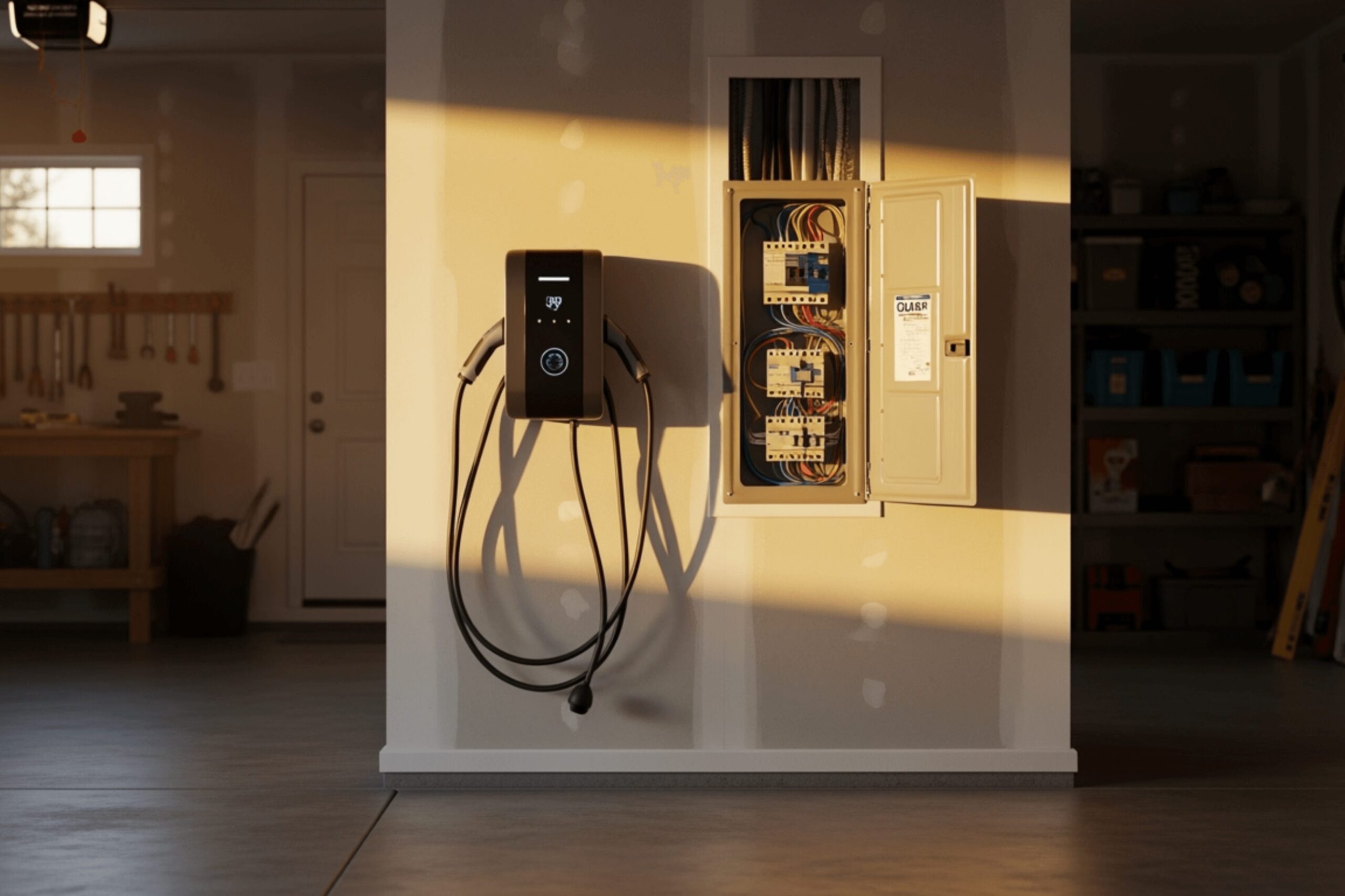
Finally, integrating your generator with existing or planned electrical upgrades—such as advanced wiring systems, lighting upgrades, or EV charging stations—can improve overall property resilience. Working with a professional ensures seamless coordination between your generator, automatic transfer switch, and other essential systems, protecting both your investment and your peace of mind.
Planning for Long-Term Value: Inspections, Maintenance, and Protecting Your Investment
A backup generator is more than an emergency convenience—it’s a long-term investment in your property’s safety, value, and resilience. Like any mechanical system, generators require regular maintenance to ensure they’re ready when needed. This includes periodic testing, fuel system checks, oil changes, and electrical inspections. Many manufacturers recommend annual professional servicing, especially in climates like BC’s, where extreme weather can challenge equipment reliability.
A professionally installed generator can significantly enhance a property’s marketability. Homebuyers are increasingly seeking out homes with robust emergency power solutions, viewing them as essential upgrades alongside energy-efficient appliances, lighting improvements, and safe, modern wiring. For businesses, the assurance of uninterrupted operations can be a strong selling point for tenants and customers alike.
Beyond resale value, the true measure of a generator’s worth is in the problems it prevents: burst pipes during winter blackouts, spoiled inventory after a commercial refrigeration failure, or costly flood remediation from a disabled sump pump. Pairing a generator with other electrical upgrades—like surge protection, modern fire alarm systems, and up-to-date wiring—creates a comprehensive safety net for your property.
When planning your backup power solution, be sure to weigh the upfront investment against the long-term advantages. Not only can a generator save you from expensive emergency repairs, but it also delivers peace of mind, knowing you’re prepared for whatever BC’s evolving weather throws your way. For optimal results, always engage with licensed professionals for installation, inspections, and ongoing care, safeguarding both your investment and the well-being of those who rely on your property.