


Why a Backup Generator Matters for Homes and Businesses in the Lower Mainland
The Lower Mainland, including the greater Vancouver area, is no stranger to sudden power outages. Prolonged windstorms, heavy rainfall, and even routine maintenance on the power grid can leave homes, businesses, and industrial facilities without electricity—sometimes when it’s least expected. For residential clients, a loss of power means no heating on cold nights, spoiled food, and the risk of medical equipment failure. For commercial and industrial operations, the costs can escalate quickly, as downtime disrupts workflow, halts production, and endangers sensitive data or inventory.
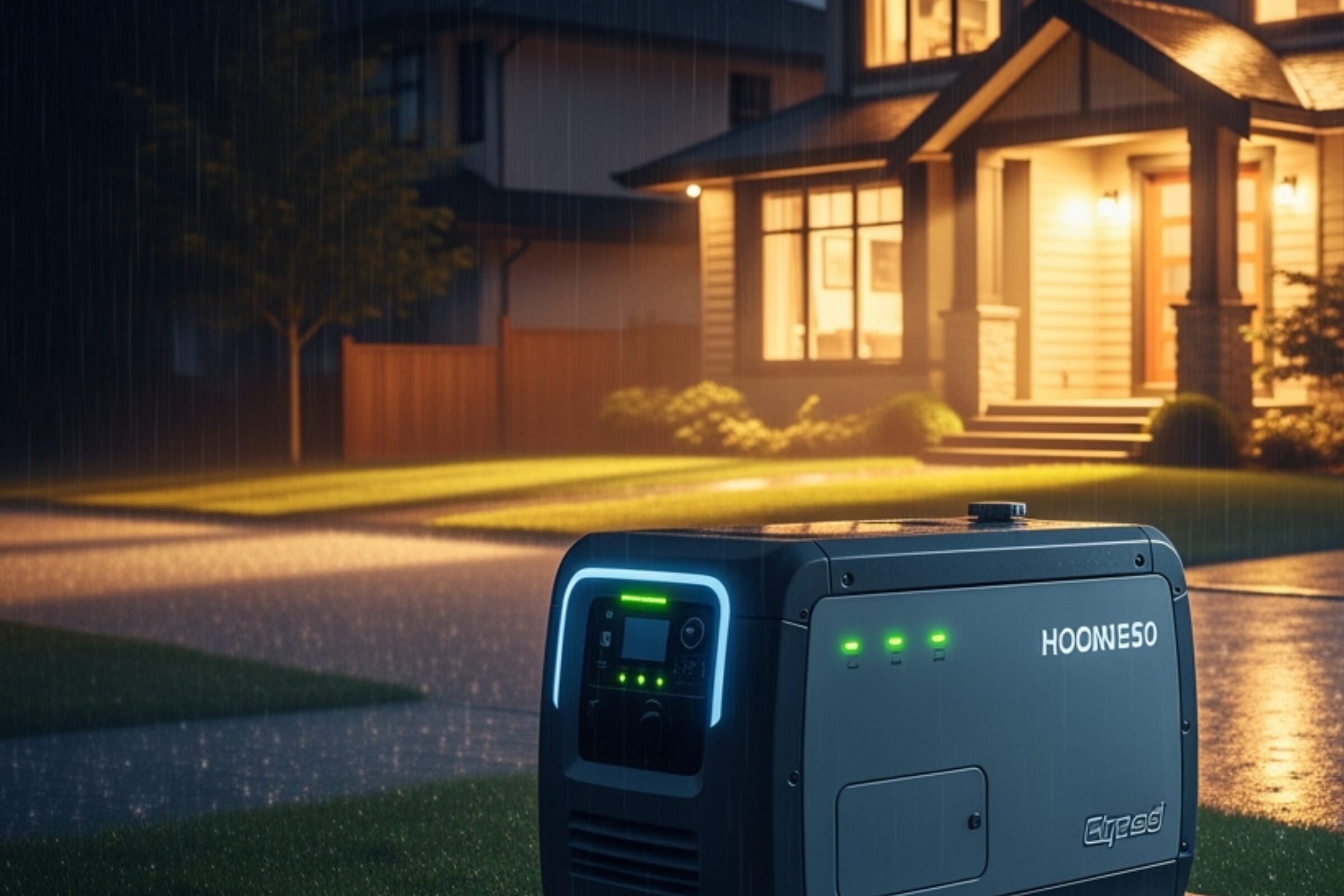
A backup generator acts as an insurance policy against these risks, providing uninterrupted electrical service when the primary grid fails. Whether you’re safeguarding a family home, a retail store, or a manufacturing plant, having a reliable generator in place ensures essential functions stay operational. Security systems remain active, lighting stays on, refrigeration keeps running, and critical business operations continue without pause. For many in Vancouver and the Lower Mainland, the unpredictable climate and complex electrical infrastructure make a backup power solution not just a convenience, but a necessity. With the right system in place, you can protect what matters most, avoid costly disruptions, and maintain peace of mind, no matter what the weather brings.
Planning Your Generator Installation: Sizing, Location, and Safety Requirements
Before investing in a backup generator, thoughtful planning is crucial. First, it’s essential to assess the electrical load you want to support during an outage. For residential users, this might include lighting, heating systems, refrigerators, and key appliances. Commercial and industrial clients should audit their critical systems, from security and IT infrastructure to specialized machinery or HVAC units. Licensed electricians can help calculate the total wattage needed, ensuring your generator is neither undersized (which risks overloading and damage) nor oversized (which incurs unnecessary costs).
Next, choosing the appropriate generator fuel type—natural gas, diesel, or propane—depends on what’s readily available and safest for your property. Location is equally important. Generators must be installed in areas with adequate ventilation, away from windows and doors to prevent carbon monoxide buildup, and accessible for maintenance. In the greater Vancouver area, local by-laws and safety codes may dictate minimum clearances and noise restrictions, as well as requirements for weatherproofing and flood resilience.
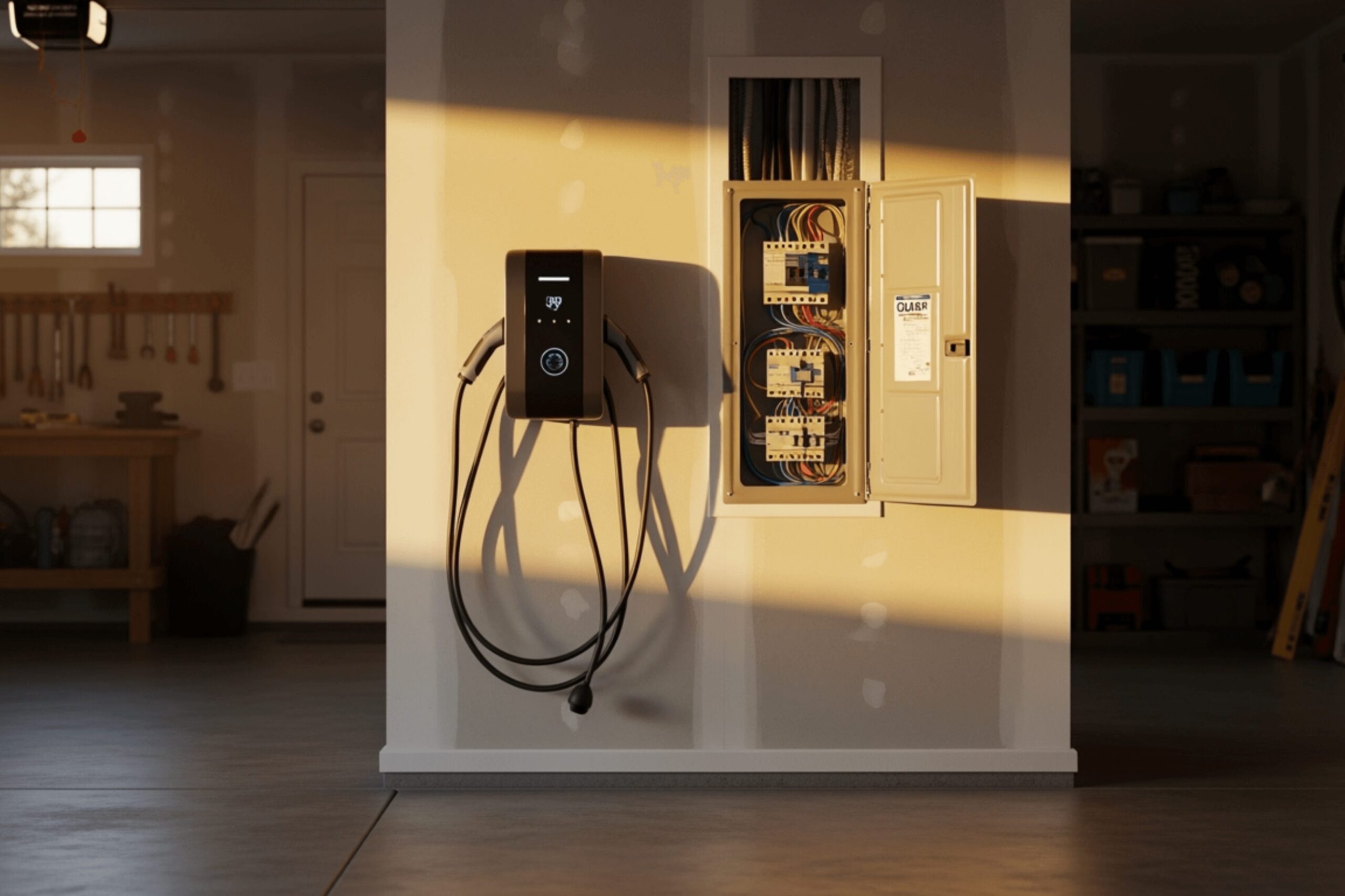
It’s wise to consider future upgrades during this planning stage. If you anticipate adding high-draw appliances, expanding your property, or installing EV chargers, account for these changes now. A comprehensive site evaluation by a licensed electrician ensures your generator installation aligns with local regulations and adapts to your evolving electrical needs, safeguarding your investment over the long term.
Professional Installation: What Licensed Electricians Do to Keep You Code-Compliant
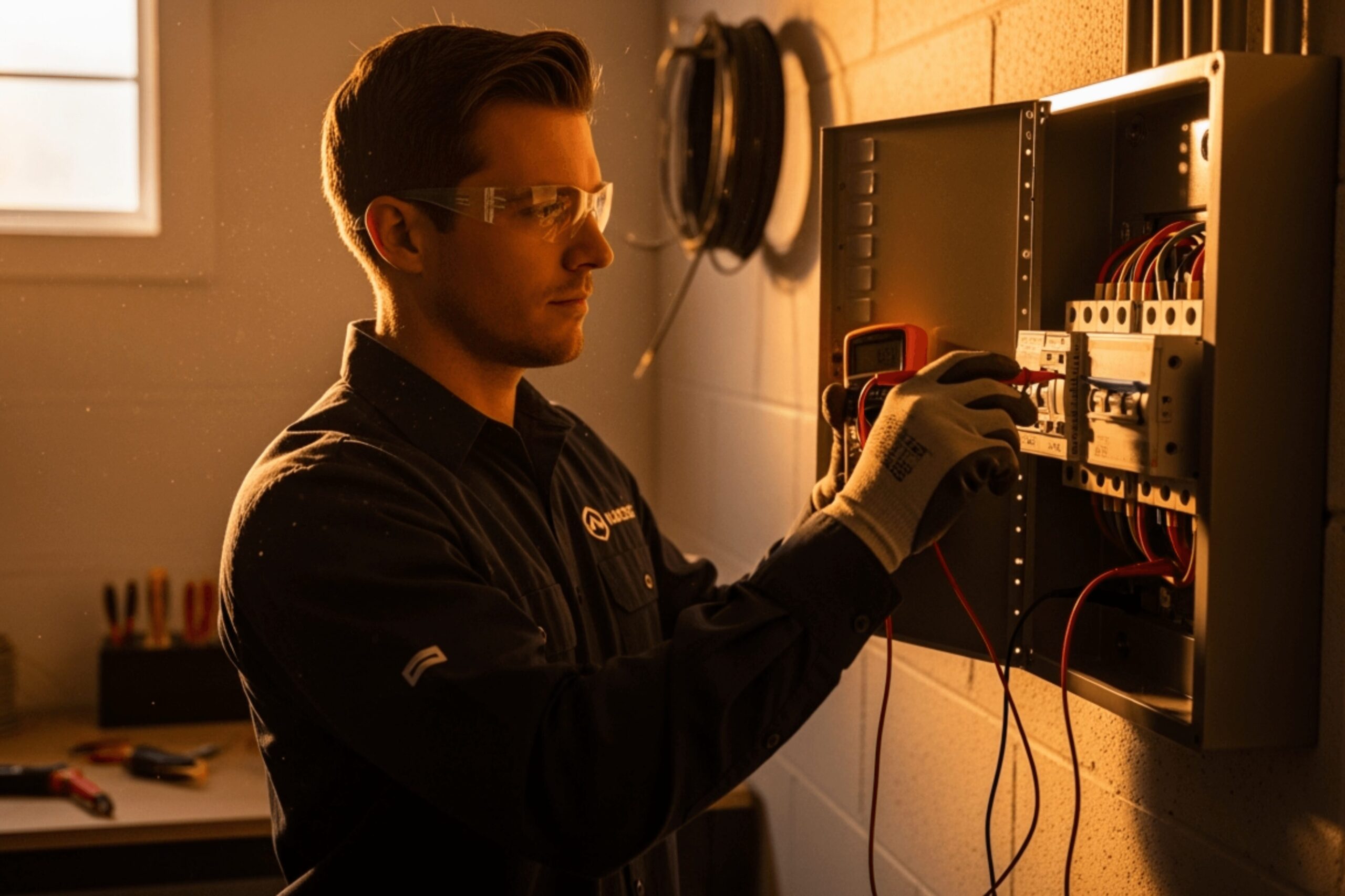
A generator is only as reliable as its installation. That’s why enlisting licensed electricians is non-negotiable for homeowners and businesses alike. Professional installers in Vancouver and the Lower Mainland have a deep understanding of provincial and municipal electrical codes, ensuring every component of your backup system meets rigorous safety and legal standards. From the outset, electricians will secure the necessary permits and manage all inspections required by local authorities.
The installation process involves more than simply placing the generator on a pad and connecting a few wires. Licensed professionals carefully integrate the generator with your property’s main electrical panel, often employing transfer switches that automatically detect outages and safely shift power. This seamless setup prevents backfeeding, which can endanger utility workers and damage sensitive electronics. Electricians also ensure that wiring upgrades, grounding, and surge protection measures are thoroughly addressed, minimizing fire hazards and electrical faults.
Attempting a DIY installation or hiring an unlicensed contractor might seem cost-effective but can lead to serious risks—ranging from insurance voidance to dangerous code violations. By working with certified experts, you gain peace of mind knowing your generator will perform as expected when you need it and that your property remains compliant with the latest electrical safety standards.
Routine Generator Maintenance: Checklists to Ensure Power When You Need It
Once your generator is installed, regular maintenance is the key to dependable performance. Like any complex machinery, generators require routine attention to ensure they’re ready during emergencies. Homeowners and businesses should start with simple visual inspections—checking for leaks, corrosion, or loose connections. Keep the area around the generator clear of debris and ensure all ventilation paths are unobstructed.
Periodic testing is essential. Most manufacturers recommend exercising the generator under load at least once a month to keep internal systems lubricated and to spot potential issues early. Scheduled service intervals are equally critical; this generally includes changing the oil, replacing air and fuel filters, inspecting spark plugs, and testing the battery. Neglecting these basics can lead to costly breakdowns, diminished efficiency, or outright failure when the generator is needed most.
Detailed record-keeping makes it easy to track service dates, parts replaced, and any repairs performed. For added reliability, consider professional maintenance contracts, where licensed electricians or specialized technicians handle inspections and tune-ups. This approach is especially beneficial for commercial and industrial clients who can’t afford downtime. In the Vancouver area’s demanding climate, a well-maintained generator is your best defense against the unexpected.
When to Call 24/7 Emergency Service and How to Choose the Right Electrical Contractor in Vancouver
Even with the best planning and regular upkeep, electrical emergencies can strike without warning. Common red flags include generators that fail to start, emit unusual noises, leak fuel, or cause power fluctuations in your property. Situations like burning smells, visible sparks, or frequent tripped breakers warrant immediate attention—these are not DIY fixes and require urgent professional intervention.
Having access to 24/7 emergency electrical services is invaluable for both residential and commercial clients across the lower mainland. Reliable contractors respond quickly, diagnose the issue, and implement safe repairs to restore power and prevent further damage. This rapid response can mean the difference between a minor inconvenience and a major disruption to your home or business.
When selecting an electrical contractor in Vancouver for generator work, prioritize those with certified, insured, and experienced professionals. Look for transparent pricing, positive reviews, and a track record of compliance with local codes. Don’t hesitate to ask about the company’s experience with generator installation, maintenance of various brands, and their approach to safety and customer care. By choosing wisely, you ensure your property has not just a backup generator, but a trusted partner in maintaining electrical resilience year-round.