

Understanding the Role of Your Electrical Panel
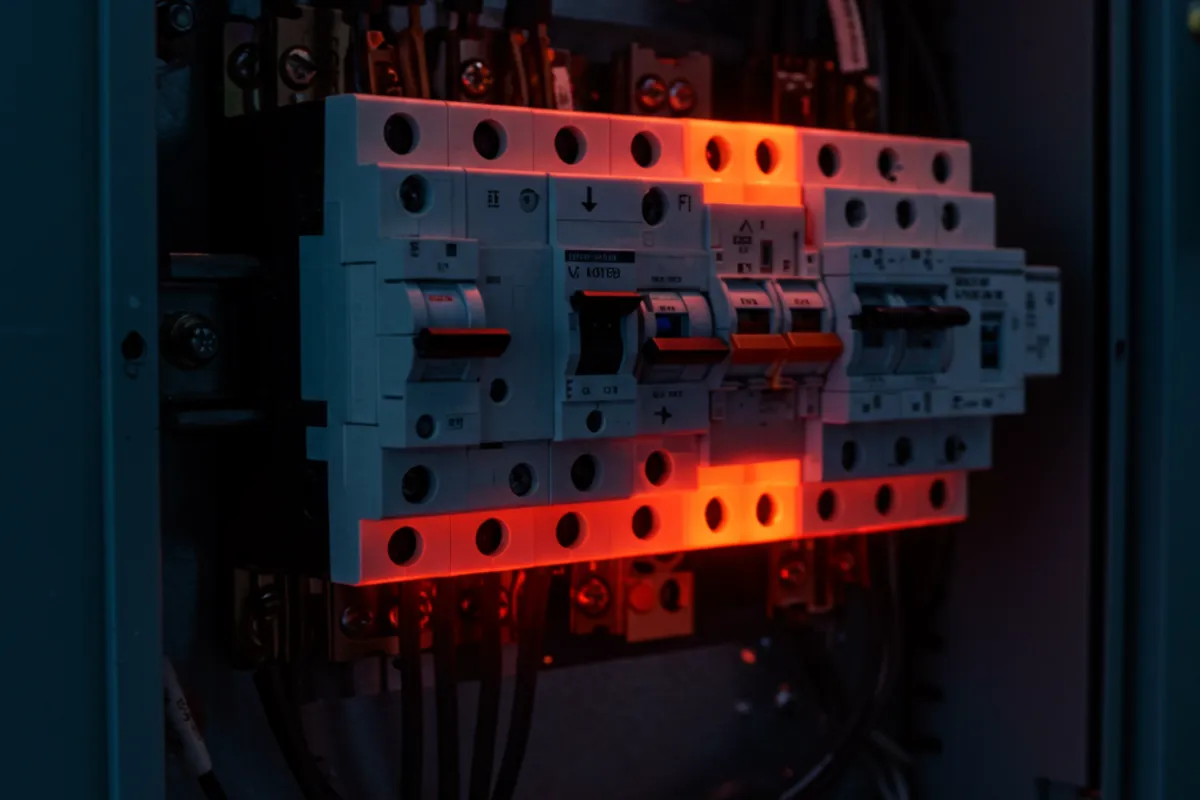
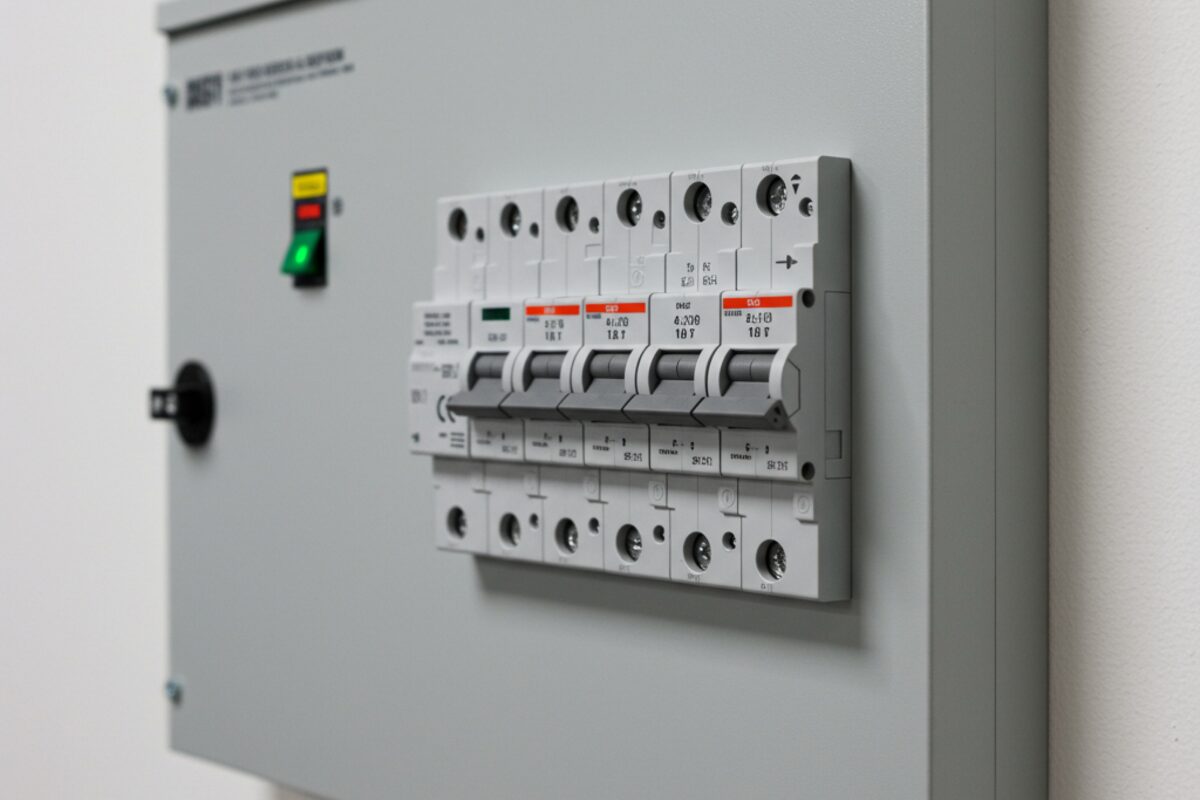
The electrical panel, often referred to as the breaker box or fuse box, is the unsung hero of every property’s power system. Acting as the central distribution point, it receives electricity from the utility and channels it safely throughout your home, business, or industrial facility. Each circuit in your building—whether it powers lighting, computers, heavy machinery, or kitchen appliances—is managed and protected by the panel.
Modern panels use circuit breakers, while older ones may rely on fuses. Both are designed to prevent overloading and electrical fires by interrupting the power supply when a problem arises. However, as technology advances, so does our reliance on electronics. From residential EV chargers and energy-hungry commercial equipment to complex industrial controls, today’s electrical demands far outpace those of past decades.
A robust, up-to-date electrical panel is essential for supporting this growth. It not only ensures the safe operation of all your devices but also protects your wiring and infrastructure from damage. In short, your electrical panel is the heart of your property’s power system—keeping everything running smoothly, safely, and efficiently.
Warning Signs Your Panel Needs an Upgrade
Not all electrical issues are obvious, but certain warning signs indicate your panel may be struggling to keep up. One of the most common red flags is frequent breaker trips or blown fuses, especially when multiple appliances are in use. This suggests your system is overloaded—a sure sign the panel can’t handle your property’s current electrical demand.
Another telltale symptom is flickering or dimming lights. This often occurs when large appliances, such as air conditioners or industrial machines, draw power and the panel can’t distribute it evenly. If your lights consistently react to appliance use, it’s time to investigate further.
If your building still relies on a fuse box rather than a modern breaker panel, upgrading is crucial—not only for safety but for compatibility with new technologies like EV chargers. Older panels often lack the capacity or safety features required by today’s standards.
Physical signs should never be ignored. If your panel feels warm to the touch, makes buzzing sounds, or emits a burning smell, shut off power immediately and call a licensed electrician. These symptoms point to serious hazards, such as overheating or electrical arcing, which can lead to fires.
Lastly, struggling to add new appliances, circuits, or EV charging stations without overloading your system is a clear sign your panel is due for an upgrade. Modern living and working require more power than ever, and your panel needs to keep up.
Risks of Outdated Electrical Panels in Residential, Commercial, and Industrial Spaces
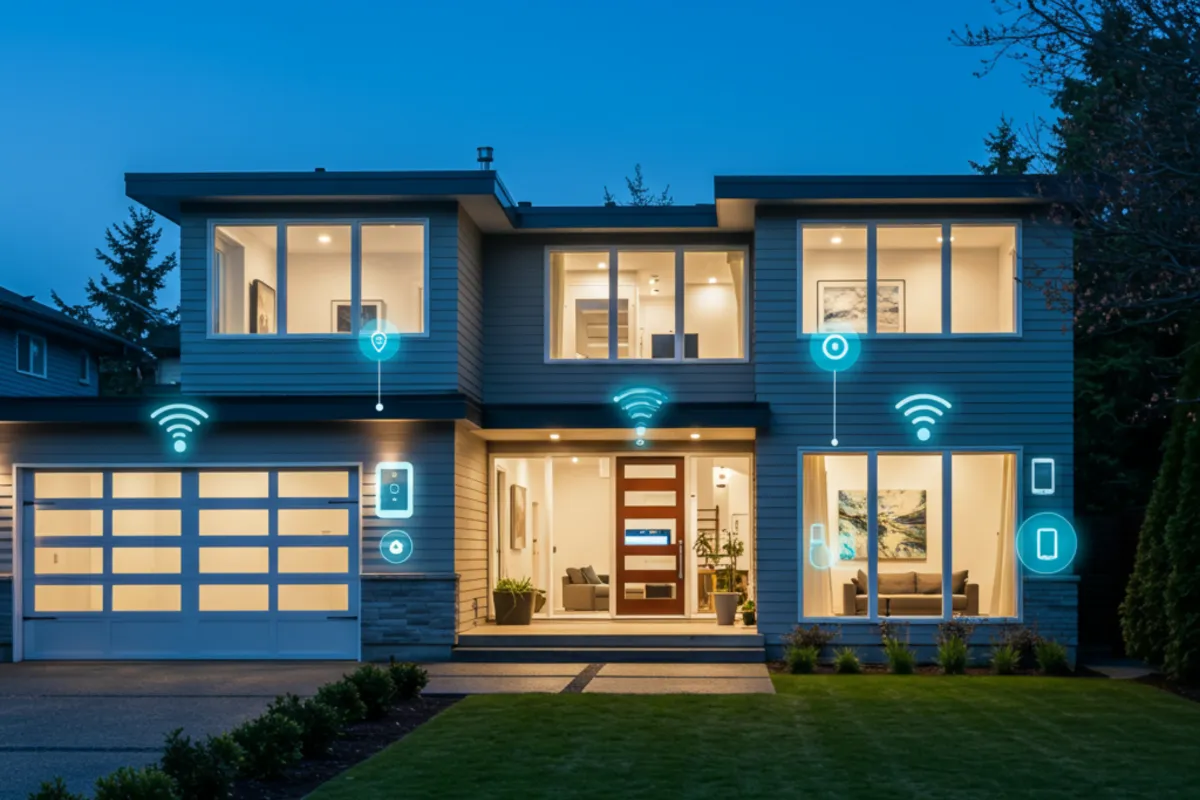
Continuing to rely on an outdated electrical panel exposes your property and occupants to significant risks. In residential settings, overloaded circuits and aging wiring dramatically increase the risk of electrical fires. Many older panels were installed decades ago and weren’t designed to handle today’s appliances, smart home devices, or high-powered electronics.
Commercial and industrial facilities face even greater hazards. Outdated panels can cause frequent power interruptions, damaging sensitive equipment and causing costly downtime. Inefficient power distribution can also lead to higher utility bills, as the system struggles to deliver electricity efficiently.
Another concern is compliance. Electrical codes have evolved to address modern safety and performance standards. An old panel may not meet current regulations, potentially affecting insurance coverage and property value. In some cases, insurance providers may even refuse coverage for properties with obsolete panels.
Perhaps most importantly, outdated panels can limit your ability to install new technology—such as EV chargers, advanced lighting, or automated manufacturing equipment. Without sufficient capacity, these upgrades become difficult or impossible, hindering your ability to modernize or expand.
The risks are universal—affecting homes, offices, factories, and commercial properties. Proactively upgrading your electrical panel isn’t just about convenience; it’s a critical step in safeguarding your property, people, and investments.
Benefits of Upgrading: Safety, Efficiency, and Future-Proofing
Upgrading your electrical panel delivers a host of advantages for homes and businesses alike. The most crucial benefit is enhanced safety. Modern panels are equipped with advanced circuit breakers that quickly shut off power in the event of a fault, drastically reducing the risk of electrical fires and shocks. Updated wiring and components further protect your property and its occupants.
Efficiency is another significant gain. New panels distribute electricity more effectively, minimizing wasted energy and reducing the likelihood of voltage drops or brownouts. This not only helps lower utility bills but also extends the lifespan of your appliances and electronic devices.
Perhaps the most exciting benefit is future-proofing. Upgrading your panel gives you the capacity to support new technologies and growing power needs. Whether you’re planning to install an EV charger at home, add new machinery to your business, or expand your industrial operations, a modern panel ensures you have the power infrastructure to do so safely and reliably.
Compliance is also addressed. Meeting the latest electrical codes not only keeps your property legal but can be a requirement for insurance coverage and property sales. A new panel demonstrates your commitment to safety and responsible property management.
Finally, upgraded panels can increase property value and give you peace of mind, knowing that your electrical system is up to date, secure, and ready for whatever the future holds.
Preparing for an Electrical Panel Upgrade in the Lower Mainland
If you’re considering an electrical panel upgrade, preparation is key—especially in the Greater Vancouver area, where residential, commercial, and industrial needs can be unique. Begin by evaluating your current energy usage and projecting future demands. Think about upcoming renovations, plans to add an EV charger, or expanding business operations that may require additional circuits or higher capacity.
Next, consult with licensed electricians who are experienced with local codes and regulations. Vancouver and the Lower Mainland have specific safety standards, and working with a knowledgeable professional ensures your upgrade meets all requirements and runs smoothly.
Selecting the right panel matters. Choose a size and configuration that not only accommodates your current needs but also leaves room for future expansion. Features such as surge protection or integrated smart technology can offer added benefits, especially for commercial or industrial applications.
During installation, plan for possible power interruptions and coordinate with your electrician to minimize disruption to your household or business. Clear communication and scheduling can help ensure a smooth transition.
Finally, after the upgrade is complete, commit to regular maintenance and safety checks. Keeping your panel in top condition ensures ongoing safety, efficiency, and reliability—giving you confidence that your property’s power system is ready for today and tomorrow.