

Soaking Safely: Why Proper Hot Tub Wiring Matters in Greater Vancouver
Hot tubs promise relaxation and wellness, but their installation comes with significant safety stakes—especially in Greater Vancouver’s damp, ever-changing climate. Mixing water and electricity always demands caution, and with the Lower Mainland’s frequent rain and humidity, reliable wiring becomes even more critical. Improperly installed hot tub wiring can lead to electric shocks, fires, or costly damage to property and equipment. Local building codes are strict for a reason: they’re designed to protect residents and property owners from these hazards.
Many homeowners and business operators may be tempted to tackle hot tub wiring on their own, perhaps as a cost-saving measure. However, DIY electrical work poses serious risks. Most insurance policies and product warranties require proof of professional installation, and failing to comply can result in denied claims or voided warranties. In contrast, a professionally installed system ensures that your hot tub operates safely, efficiently, and in full compliance with municipal and provincial regulations.
Another key consideration is the impact on your property’s value. Real estate inspectors and potential buyers look for professionally executed electrical work—especially on high-value features like hot tubs. It’s worth understanding that regulations and permit requirements can vary across Greater Vancouver’s municipalities. By prioritizing expert installation, you ensure peace of mind every time you step into your hot tub, regardless of season or weather.
Key Electrical Requirements for Hot Tub Installation (Residential, Commercial, and Industrial)
Hot tubs draw substantial electrical loads, so the installation must be carefully planned to avoid overloading circuits and creating hazards. The starting point is a dedicated circuit—meaning your hot tub is supplied by its own breaker with no other devices sharing the line. For most residential hot tubs, a 240V circuit rated at 40-60 amps is standard, but commercial installations may require even more power depending on the tub’s size and features.
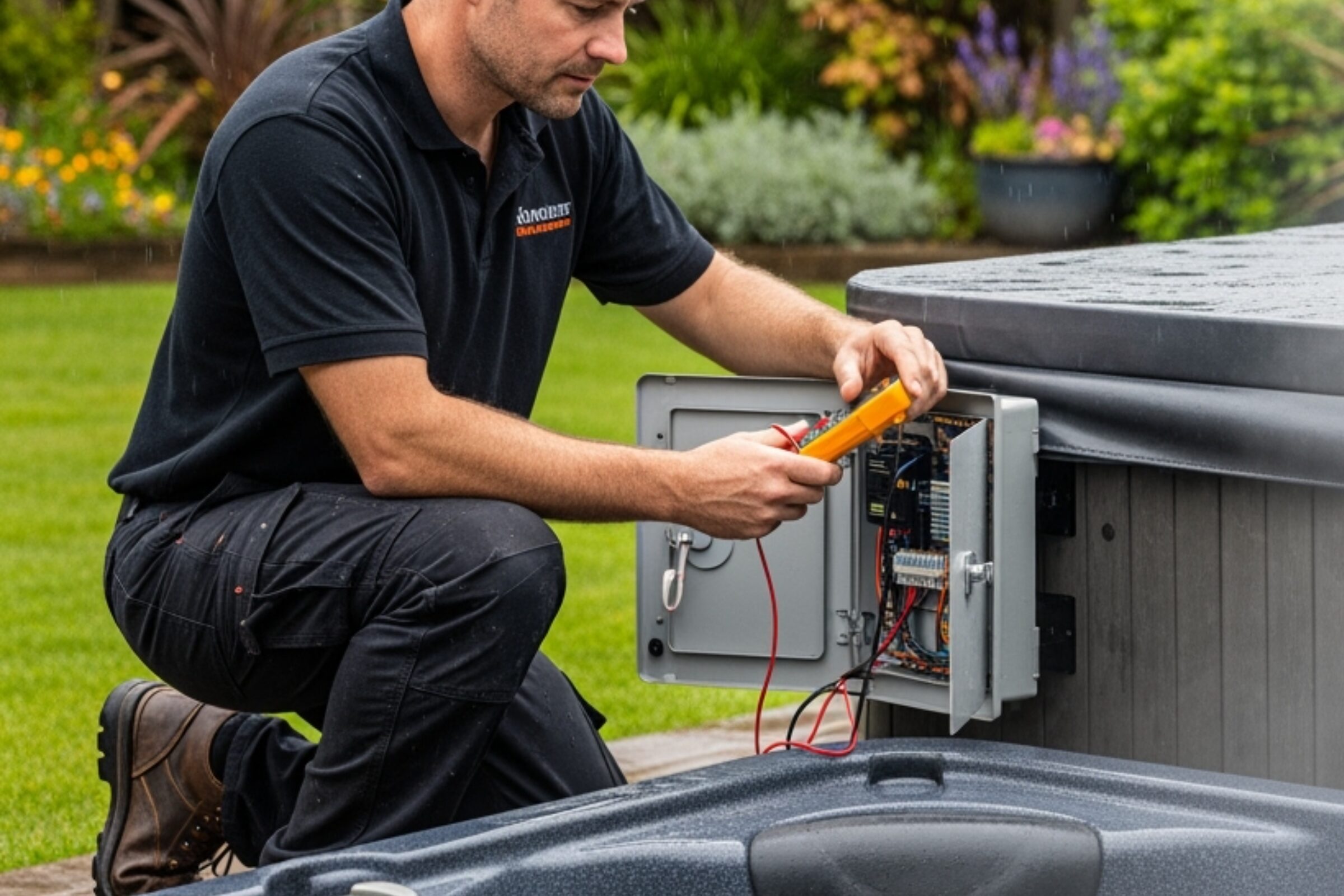
Ground Fault Circuit Interrupters (GFCIs) are a non-negotiable safety feature, mandated by Canadian Electrical Code for any hot tub installation. GFCIs monitor the flow of current and instantly cut power if a fault is detected, protecting users from electric shock. These breakers should be installed in a weatherproof panel, easily accessible but at a safe distance from the tub itself—typically at least 1.5 meters away.
Outdoor wiring must be rated for wet locations, shielded from UV exposure, and buried at a proper depth if running underground. In commercial or industrial settings, additional factors come into play: electrical loads may be higher, and there may be zoning or accessibility requirements. Industrial spas, gyms, or hotels often require custom panel upgrades or specialized wiring to handle multiple hot tubs or integrated systems. For all settings, precise load calculations and careful planning are essential to ensure efficient, code-compliant operation.
Hiring Licensed Electricians in the Lower Mainland: Permits, Codes, and Safety Checks
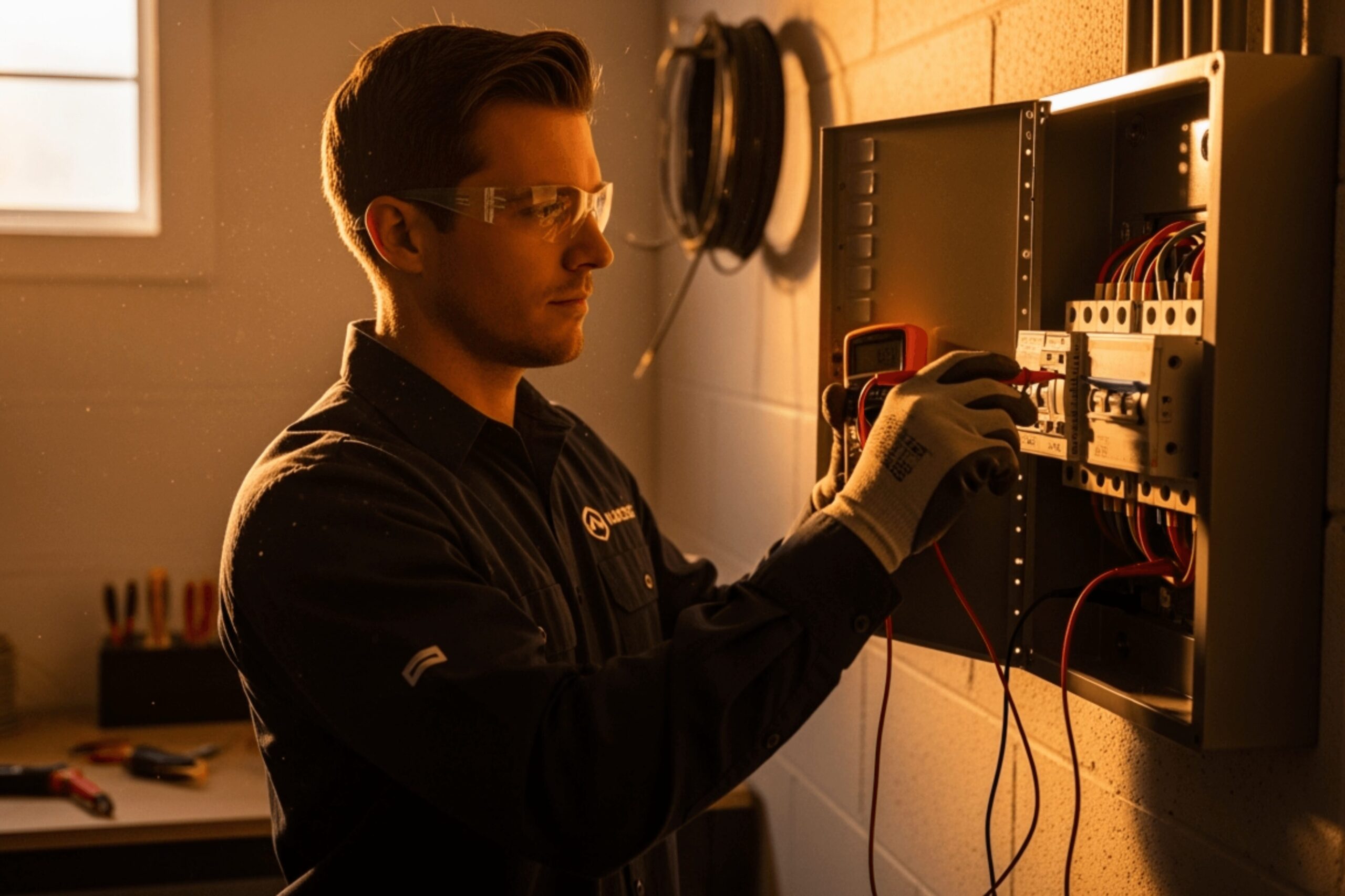
Entrusting hot tub wiring to a licensed electrician is the best way to guarantee both safety and legal compliance. In the Lower Mainland, electrical contractors must hold proper provincial licensing and insurance, which protects you from liability in case of accidents or unexpected issues. Licensed electricians are well-versed in the latest codes and safety standards—including the Canadian Electrical Code and specific municipal bylaws that govern installations in Vancouver and surrounding areas.
Most hot tub installations require electrical permits, and these can only be obtained by licensed professionals. The permitting process ensures that the work is reviewed and approved by qualified inspectors, who check everything from panel capacity to wiring methods and GFCI function. If your installation is missing the appropriate permits, you risk fines, insurance issues, and potential safety hazards that could go unnoticed.
A reputable electrician will also provide you with documentation upon completion: this includes inspection reports, permits, and warranties for both labour and materials. This paper trail is invaluable if you ever sell your property or need to make an insurance claim. Hiring unlicensed or uninsured contractors, on the other hand, may leave you exposed to costly errors and legal headaches. Relying on professionals who uphold the region’s high safety standards is a sound investment for your wellbeing and property.
Integrating Hot Tub Wiring with Other Electrical Services: Panels, Wiring Upgrades, and EV Chargers
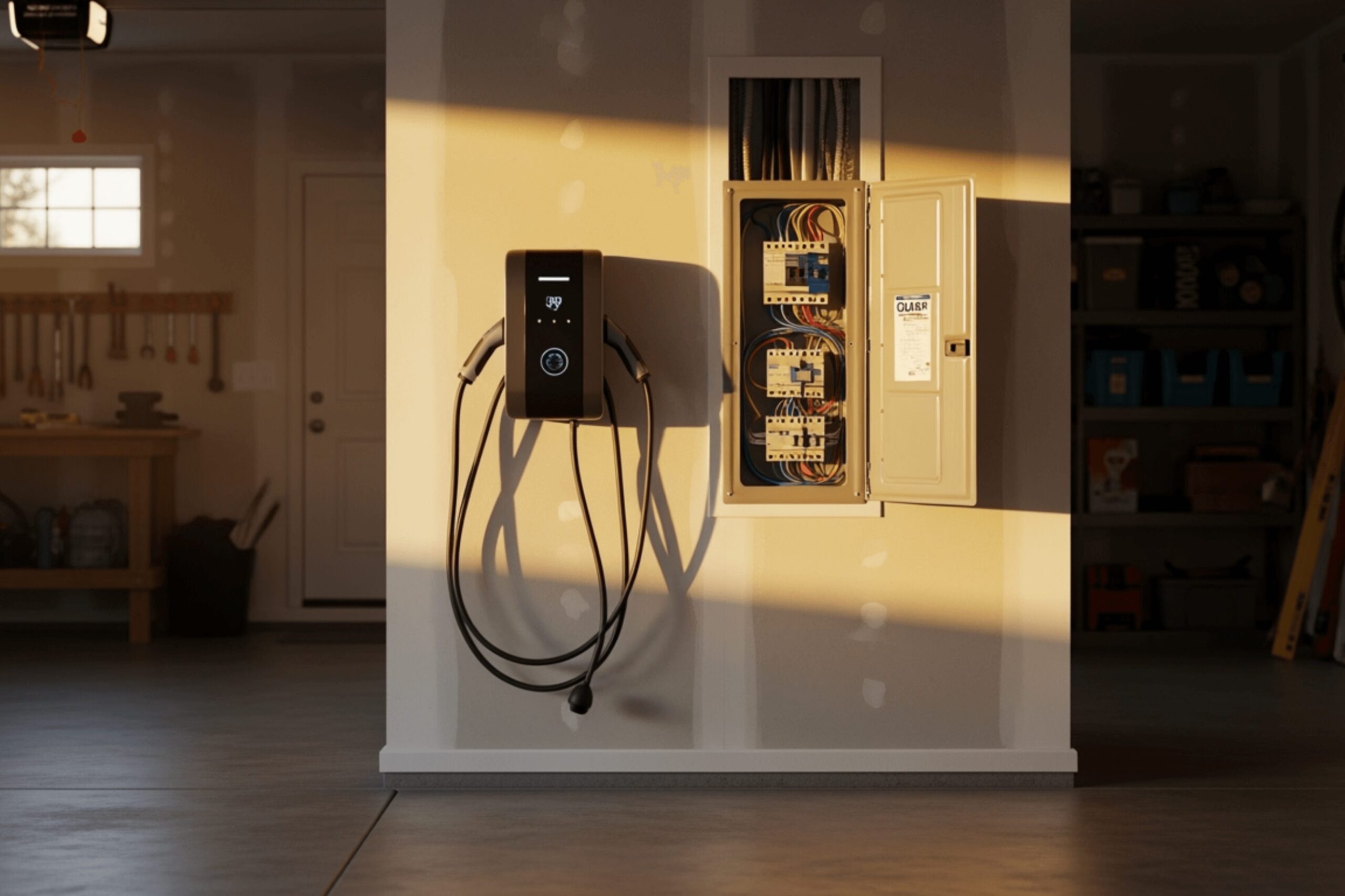
A new hot tub installation is a great opportunity to assess and upgrade your property’s wider electrical infrastructure. Hot tubs, like electric vehicle (EV) chargers and HVAC systems, draw significant power. Before installation, a licensed electrician will evaluate your main panel’s capacity to ensure it can safely handle the additional load. If your panel is outdated or nearing its maximum rating, an upgrade may be necessary to avoid tripped breakers or fire risks.
Panel upgrades and new wiring not only support hot tub operation but also boost overall system reliability and efficiency. Modern wiring materials are more robust and energy-efficient, and upgrading now can save money on future maintenance or emergency repairs. If your property already features—or plans to add—other high-demand devices like EV chargers, integrating these upgrades ensures your electrical system is balanced and compliant with all local regulations.
Adopting a holistic approach to electrical services also offers opportunities for smart controls, remote monitoring, and seamless integration with renewable energy systems. Well-planned wiring and panel upgrades aren’t just about supporting today’s needs; they create a safer, future-proof foundation for tomorrow’s technologies.
Long-Term Safety: Maintenance Tips, Warning Signs, and When to Call 24/7 Emergency Service
Even with professional installation, maintaining hot tub wiring is critical for ongoing safety. Regular inspections should include checking the GFCI breaker, inspecting visible wiring for wear or moisture, and ensuring weatherproof covers remain intact. Test your GFCI at least monthly using the built-in test button—a simple step that could prevent a serious accident.
Be alert for warning signs of electrical trouble. Frequent breaker trips, buzzing or crackling sounds from electrical panels, or components that feel unexpectedly hot all signal underlying issues. Moisture intrusion from Vancouver’s rainy seasons can exacerbate these problems, making it vital to act quickly if anything seems amiss. Never attempt to troubleshoot significant electrical problems yourself; even minor faults can escalate rapidly in wet environments.
Prompt intervention helps protect not just your hot tub, but your property and everyone using it. By prioritizing maintenance and rapid response, you ensure your hot tub remains a safe haven in every season.