
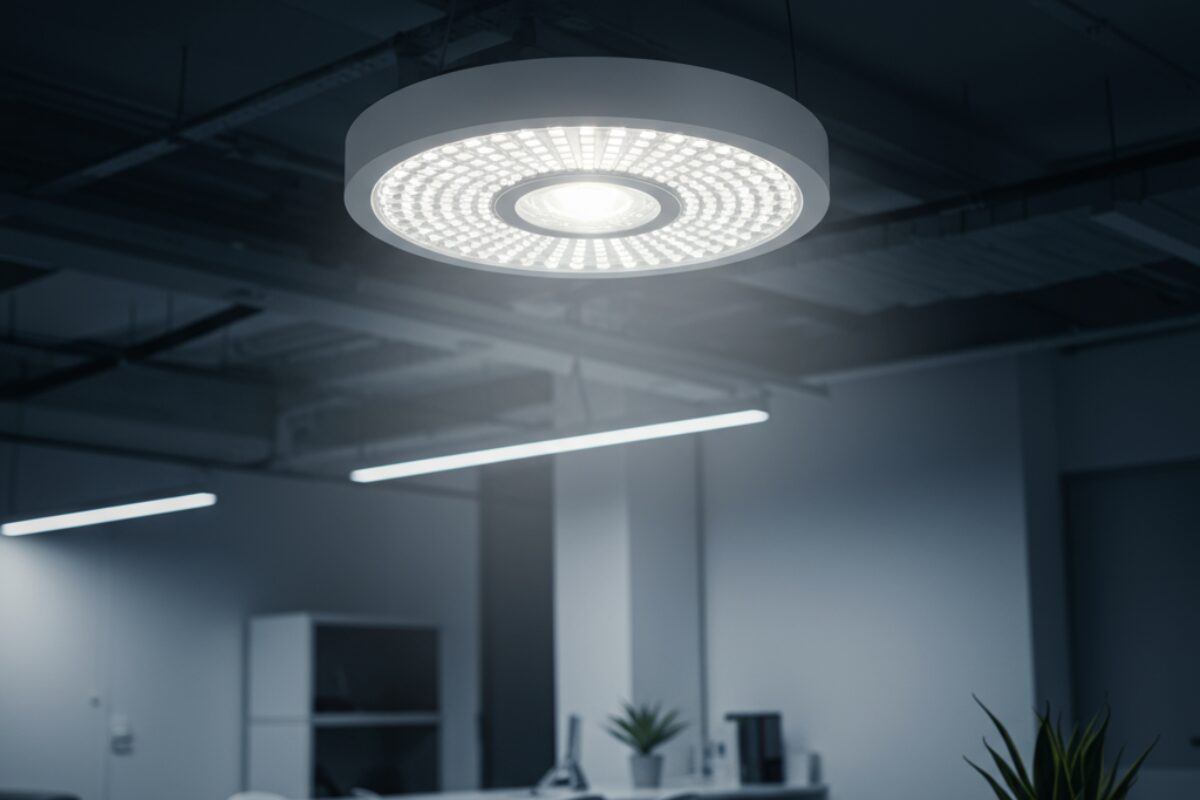

Upgrading commercial lighting offers a range of compelling benefits that make it an attractive investment for businesses of all sizes. One of the most immediate advantages is the significant reduction in energy consumption. Older lighting systems, especially those using incandescent or fluorescent bulbs, are notorious for their inefficiency. By transitioning to modern, energy-efficient solutions, businesses can observe noticeable drops in their monthly utility bills.
Improved lighting quality is another major perk. Modern lighting systems provide better illumination, which enhances visibility, reduces eye strain, and can even contribute to increased employee productivity and safety. A well-lit workspace also creates a more inviting atmosphere for both staff and clients, boosting the overall appeal and perception of the property.
From a property management perspective, upgraded lighting can add tangible value to commercial spaces. Prospective tenants or buyers are often attracted to buildings that have up-to-date, efficient systems in place, as this signals a commitment to quality and cost-effectiveness.
Sustainability is an increasingly important consideration for businesses aiming to reduce their environmental footprint. Energy-efficient lighting systems play a crucial role in supporting these green initiatives. Additionally, many local utilities and government programs offer rebates or incentives for making the switch, further offsetting the upfront investment and accelerating the return on investment.
Starting with a Lighting Audit: Identifying Opportunities and Inefficiencies
The journey toward an optimized lighting system begins with a thorough lighting audit. This process involves a detailed assessment of the current lighting infrastructure throughout your commercial space. Trained professionals examine the types of fixtures in use, their placement, and their operational schedules. The goal is to identify outdated or inefficient components that may be driving up energy consumption and costs.
During the audit, precise measurements are taken to gauge energy usage and lighting levels in different areas of the facility. This data reveals where lighting might be excessive, insufficient, or uneven—issues that can affect both operational costs and occupant comfort. For instance, over-lit hallways or under-lit workstations are common findings that signal opportunities for improvement.
A lighting audit also pinpoints specific fixtures or circuits that are prime candidates for replacement or reconfiguration. By understanding exactly how and where energy is being used, businesses can prioritize upgrades that deliver the greatest impact. The audit’s findings form the basis for a customized upgrade plan, outlining recommended changes, anticipated savings, and a timeline for implementation.
Ultimately, conducting a lighting audit lays the groundwork for a strategic, data-driven approach to lighting upgrades. This ensures that every dollar invested translates into measurable efficiency gains, improved lighting quality, and reduced operating expenses.
The Power of LED Lighting: Energy Savings, Longevity, and Rebates
Switching to LED lighting is often the cornerstone of any commercial lighting upgrade, and for good reason. LEDs are far more efficient than traditional incandescent or fluorescent bulbs, consuming up to 90% less energy to produce the same amount of light. This dramatic reduction in energy use translates directly into lower utility bills, offering immediate and ongoing savings.
Another standout feature of LEDs is their impressive longevity. While standard bulbs may need replacing every year or so, LEDs can last up to 50,000 hours or more. This means less frequent maintenance, fewer disruptions, and reduced costs associated with purchasing and installing new bulbs.
LEDs also emit significantly less heat compared to older lighting technologies. This not only makes the workplace safer and more comfortable, but it can also reduce the load on air conditioning systems, further cutting energy expenses during warmer months.
Financial incentives add to the appeal. Many utilities and government agencies offer rebates or grants to encourage businesses to adopt energy-efficient lighting. These programs can help offset the upfront costs of new fixtures and installation, making the investment even more attractive.
Beyond the financial and operational benefits, LEDs provide superior light quality, with options for a wide range of color temperatures to suit different environments. Their reduced environmental impact—thanks to lower energy consumption and the absence of hazardous materials like mercury—supports broader sustainability goals as well.
Integrating Smart Controls: Motion Sensors, Dimmers, and Daylight Harvesting Explained
Modern lighting upgrades are about more than just swapping out old bulbs for new ones—integrating smart controls can take energy savings and user experience to the next level. Motion sensors, for instance, automatically turn lights on when someone enters a space and off when the area is vacant. This simple technology can dramatically reduce wasted energy in areas like restrooms, storage rooms, and corridors.
Dimmers provide the flexibility to adjust lighting levels based on the specific needs of a space or time of day. For example, boardrooms may benefit from brighter light during meetings but softer illumination during presentations. Adjusting light intensity also extends the lifespan of fixtures and further reduces energy consumption.
Daylight harvesting systems are another powerful tool. These systems use sensors to monitor ambient natural light and automatically adjust artificial lighting in response. When ample daylight is available, overhead lights dim or turn off, ensuring optimal lighting levels while minimizing electricity use.
By combining these smart controls, businesses can cut lighting-related energy use by anywhere from 35% to 75%. Automation also enhances convenience and comfort for building occupants, creating a responsive environment that adapts to usage patterns and changing conditions.
The adoption of smart controls not only maximizes the efficiency of upgraded lighting systems but also lays the groundwork for future integration with broader building automation and energy management strategies.
Designing an Efficient Lighting System: Placement, Color Temperature, and Natural Light
Creating an effective lighting system extends beyond hardware choices—it also involves thoughtful design. Strategic fixture placement is essential to ensure even illumination throughout the workspace, minimizing dark spots and shadows that can hinder productivity or safety. Properly positioned fixtures also help reduce glare and create a more visually comfortable environment.
Color temperature selection plays a crucial role in shaping the ambiance and functionality of each area. Cooler color temperatures (4000K–5000K) are ideal for offices and task-oriented spaces, as they promote alertness and clarity. Warmer tones (2700K–3500K) may be better suited for break rooms or reception areas, where a welcoming atmosphere is desired.
Natural light is a valuable asset in any commercial setting. By maximizing daylight through window placement, skylights, or open-plan layouts, businesses can decrease reliance on artificial lighting during daytime hours. Incorporating daylight sensors and adjustable shading further enhances the efficiency and comfort of the space.
A well-designed lighting plan also considers the unique needs of each business. For example, retail environments may require accent lighting to highlight merchandise, while manufacturing facilities need robust, high-intensity lighting for safety and precision.
Finally, compliance with local building codes and industry regulations ensures that lighting upgrades meet safety and accessibility standards, supporting both operational goals and occupant well-being.
Ensuring a Seamless Upgrade: The Importance of Professional Project Management
Successfully upgrading a commercial lighting system requires more than just selecting the right fixtures—effective project management is key to a smooth transition. Professional oversight ensures that every aspect of the upgrade, from procurement to installation, is meticulously planned and executed.
Coordinating multiple trades and stakeholders is often necessary, especially when lighting upgrades are part of broader electrical improvements, such as wiring upgrades, fire alarm system installation, or transformer installation. Clear communication and scheduling are essential to avoid delays and minimize disruptions to daily business operations.
Experienced project managers ensure that all work is performed in compliance with local building codes and stringent safety standards. This diligence is critical not only for the long-term reliability of the new system but also for the safety of staff and visitors.
Logistics management covers the procurement of materials, delivery coordination, and sequencing of installation activities. By handling these details, professionals can prevent costly mistakes, reduce downtime, and ensure the upgrade stays on budget and schedule.
Finally, when unexpected challenges arise—such as hidden wiring issues or outdated electrical infrastructure—skilled project managers are equipped to adapt quickly, finding effective solutions that keep the project moving forward.
Long-Term Gains: Financial Savings and Sustainable Business Practices
Investing in a commercial lighting upgrade yields dividends well beyond the initial installation. The most immediate and measurable benefit is the ongoing reduction in energy and maintenance costs. By consuming less power and requiring less frequent replacement, modern lighting systems free up resources that can be allocated elsewhere in the business.
The financial case is further strengthened by the availability of utility rebates and government incentives, which can significantly lower the upfront costs and accelerate the return on investment—often within just two to three years. These savings are particularly compelling for businesses operating on tight margins or seeking to maximize operational efficiency.
Sustainability is another major driver. Energy-efficient lighting helps businesses meet their environmental goals, lowering carbon footprints and contributing to a healthier planet. This commitment to green practices can also enhance a company’s reputation among customers, clients, and partners who increasingly value responsible business conduct.
Upgrades also ensure compliance with ever-evolving energy and safety regulations, reducing the risk of penalties or costly retrofits down the line. And with a robust, modern lighting infrastructure in place, businesses are better positioned to embrace future technological advancements, such as smart building automation, advanced energy management systems, or electric vehicle charging stations.
In sum, upgrading commercial lighting is not just a technical improvement—it’s a strategic investment in the financial health, sustainability, and long-term success of any business.