

Why Older-Home Electrical Systems in Greater Vancouver Need Modern Upgrades
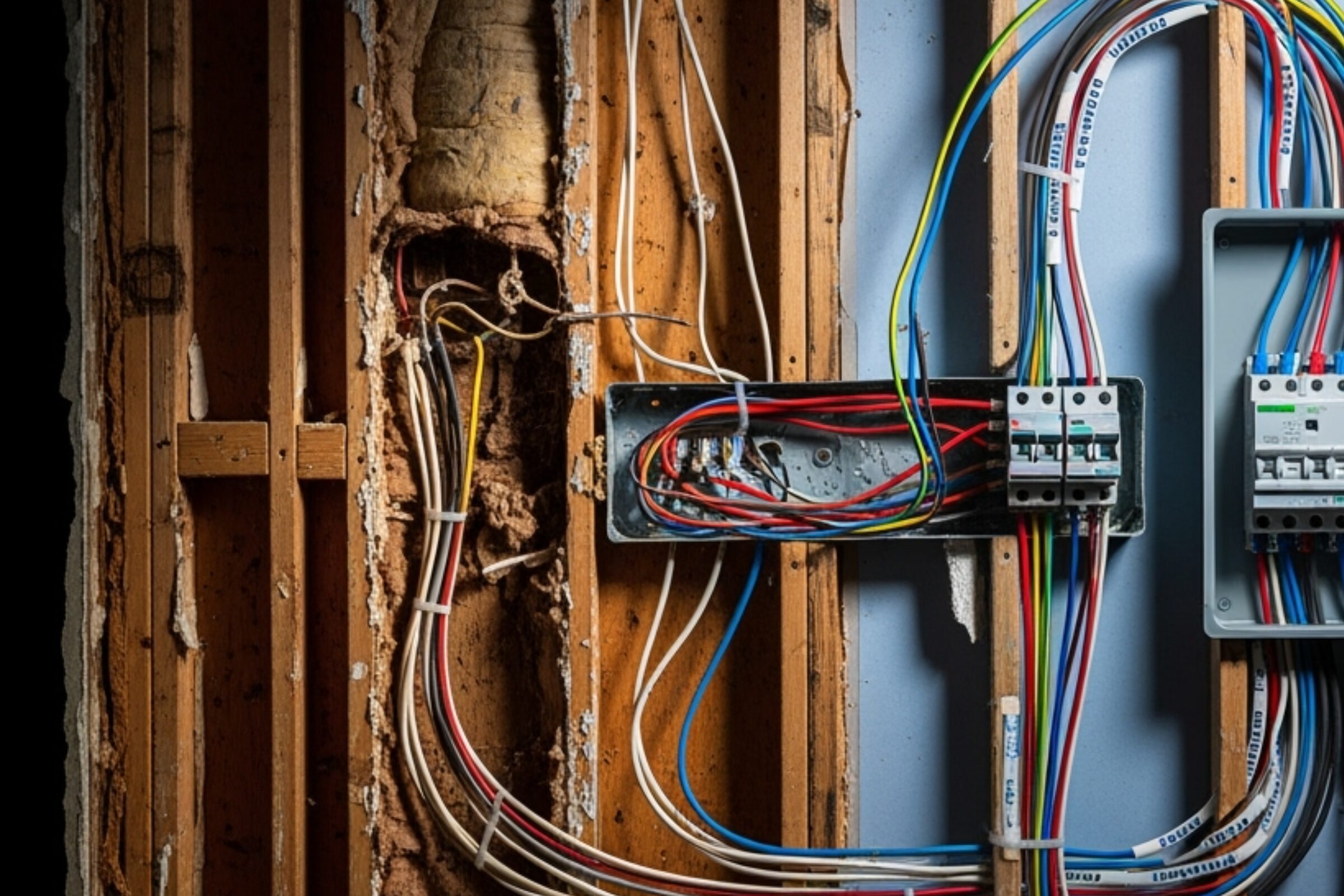
The character and charm of older homes in the Lower Mainland and Greater Vancouver often go hand in hand with aging electrical systems. Many houses built decades ago still rely on wiring methods like knob-and-tube or aluminum, both of which can deteriorate over time and present increased risks of electrical fires or shorts. As these materials age, their insulation becomes brittle, connections loosen, and their capacity to safely carry power diminishes significantly.
Compounding the problem, the electrical demands of modern living are vastly different from those of the past. Where a family once needed only a few circuits to power basic lighting and a handful of appliances, today’s households depend on high-powered kitchen tools, entertainment systems, computers, HVAC, and increasingly, electric vehicle (EV) chargers. This mismatch often leads to overloaded circuits, frequent breaker trips, and even flickering or dimming lights.
What’s more, older systems typically lack critical safety features like Ground Fault Circuit Interrupters (GFCIs) and Arc Fault Circuit Interrupters (AFCIs). These devices are now standard in new construction, providing vital protection against electrical shock and arc-fault fires, especially in moisture-prone areas like kitchens and bathrooms.
Vancouver’s unique weather further underscores the importance of electrical reliability. With heavy rains and storms common, power surges pose a real threat to both the home’s wiring and sensitive electronics. Without proper surge protection and robust wiring, homeowners face higher odds of costly appliance damage or worse, electrical fires.
Ultimately, upgrading the electrical system in an older home isn’t just about convenience—it’s a matter of safety, efficiency, and protecting the value of your investment. Modernizing wiring and panels not only helps preserve these classic homes for future generations but ensures they’re ready to meet the needs of today and tomorrow.
Essential Residential Wiring Upgrades for Safety, Efficiency, and EV Readiness
Upgrading the wiring in an older Vancouver home is a comprehensive process that addresses both immediate safety concerns and prepares the property for future technology. The following upgrades are especially important for safety, efficiency, and accommodating new electrical loads like EV chargers.
Full Rewiring: Replacing outdated knob-and-tube or aluminum wiring with code-compliant copper wiring is foundational. Copper offers superior conductivity, durability, and safety, significantly reducing the risk of overheating and electrical fires. While a full rewire is an investment, it is often the most effective way to ensure long-term reliability and compliance.
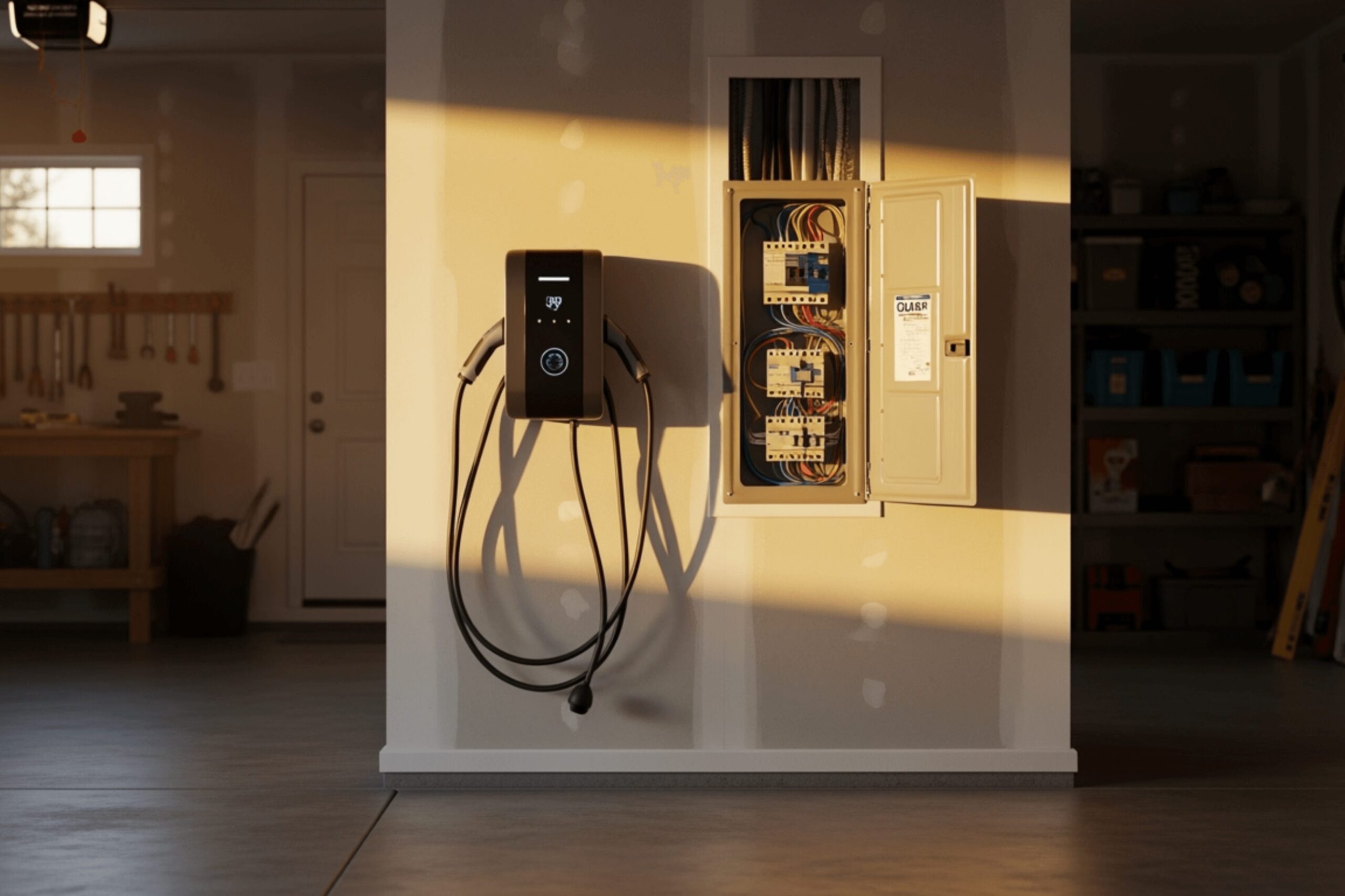
Electrical Panel Upgrades: Many heritage homes still operate with 60-amp or 100-amp service panels, which fall short of modern power requirements. Upgrading to a 200-amp panel not only supports additional circuits and appliances but is critical if you plan to install an EV charger or other high-load devices.
GFCI and AFCI Protection: Modernizing outlets and breakers with GFCI and AFCI devices helps prevent shock and arc-fault fires. GFCIs are especially vital in kitchens, bathrooms, garages, and outdoor spaces, while AFCIs protect against dangerous electrical arcs throughout the home.
Whole-Home Surge Protection: By installing a surge protector at the main panel, you defend your entire electrical system and connected devices from damaging voltage spikes—common during storms or utility events in the Lower Mainland.
Adding More Outlets: Older homes were not designed for the dozens of gadgets we use today. Installing additional outlets, including USB ports for phone and tablet charging, reduces reliance on extension cords and power strips, which can be hazardous if overloaded.
Lighting Upgrades: Swapping old fixtures for energy-efficient LED lighting not only slashes energy bills but also enhances visibility and ambiance. Dimmable and smart lighting options provide flexibility and programmable control for convenience and savings.
Smart Home Technology: Programmable thermostats, automated lighting controls, and integrated security systems can be incorporated during upgrades. These solutions help manage energy use, heighten comfort, and improve security.
Dedicated Circuits: High-draw appliances like washers, dryers, HVAC systems, and EV chargers should have their own dedicated circuits. This ensures safe operation, minimizes the risk of tripping breakers, and protects the longevity of your equipment.
By tackling these essential upgrades, homeowners can transform an aging electrical system into a safe, efficient, and future-ready foundation.
Key Benefits of Professional Electrical Services for Aging Homes
Investing in professional electrical services to upgrade an older home offers a wide range of benefits that go well beyond basic functionality.
Enhanced Safety: The foremost advantage is a dramatic reduction in the risk of electrical fires, shocks, and other hazards. Modern wiring, grounded outlets, and advanced circuit breakers (GFCI/AFCI) all work together to protect residents and property. With professional upgrades, you can rest assured that hidden dangers like deteriorating insulation, loose connections, and overloaded circuits are eliminated.
Improved Energy Efficiency: Aging electrical systems are often inefficient, leading to unnecessary energy waste and higher utility bills. Upgrades to wiring, LED lighting, and smart devices streamline power usage, ensuring energy goes where it’s needed and nothing is lost to outdated technology. Over time, these improvements pay dividends in the form of reduced operating costs.
Increased Home Value: Homebuyers in Greater Vancouver and the Lower Mainland are savvy, often seeking properties that are safe, efficient, and ready for modern living. An updated electrical system is a strong selling feature, signaling that the home has been thoughtfully maintained and is less likely to surprise a new owner with costly repairs. This can translate to a higher resale value and faster sale.
Greater Convenience: Upgraded homes offer the ease of more outlets right where you need them, USB charging ports, improved lighting, and the comfort of smart home controls. By minimizing the use of extension cords and adaptors, day-to-day living becomes safer and more seamless.
Future Readiness: Preparing your home for tomorrow’s needs—like EV charging stations, large appliances, or new tech innovations—requires a robust and flexible electrical infrastructure. Upgrading today means avoiding costly, piecemeal improvements down the line.
Protection from Power Surges: Vancouver’s stormy weather can bring unpredictable power surges. Whole-home surge protection shields your valuable electronics from damage, sparing you the inconvenience and expense of replacement.
Peace of Mind: Knowing your home’s electrical system is up to standard offers a unique reassurance. Professional work brings reliability, compliance with local codes, and the confidence that your home is safe for your family now and into the future.
How to Choose Licensed Electricians in the Lower Mainland for Wiring Upgrades
Selecting the right electrician is critical when upgrading the wiring in an older home. A licensed, experienced professional ensures your project complies with safety standards, runs smoothly, and delivers lasting value.
Licensing and Insurance: Always choose electricians who are fully licensed and insured for residential, commercial, or industrial electrical services. This protects your investment and ensures the work meets regulatory standards.
Local Experience: Electricians based in the Lower Mainland bring vital knowledge of local building codes, climate considerations, and the unique challenges presented by older homes in Vancouver’s diverse neighborhoods. Experience with both heritage properties and modern upgrades is essential.
Reputation and References: Research online reviews and ask for references from recent projects. A reputable contractor should have a track record of successfully upgrading older-home electrical systems and be willing to share examples of similar work.
Specialized Skills: Ensure your chosen electrician has direct experience with the specific upgrades your home needs. This includes full rewiring, panel replacements, surge protection, and integrating smart home features. The right technician will be able to spot hidden issues and address them proactively.
Transparency: A trustworthy electrician provides detailed, itemized estimates, breaking down labor, materials, and any additional fees. Clear communication about project timelines, potential challenges, and required permits is a sign of professionalism.
Warranties and Guarantees: Inquire about the warranties offered on both materials and workmanship. Strong guarantees reflect confidence in the quality of the work and provide you with peace of mind after the project is complete.
Community Commitment: Supporting local professionals not only strengthens community ties but also ensures better access to ongoing maintenance and emergency service when you need it most.
Taking the time to find the right electrician sets the stage for a safer, more efficient, and future-proof home.
Action Plan: Next Steps to Make Your Older Home Safer and Power-Future Ready
Ready to modernize your older Vancouver home’s electrical system? Here’s how to get started:
Inspect Your Current System: Begin by evaluating the existing wiring type, the capacity and condition of your electrical panel, and whether safety features like GFCI and AFCI protection are present. Also, check if you have enough outlets to safely accommodate your current and future device needs.
Prioritize Safety Issues: Any signs of antiquated wiring (e.g., knob-and-tube, brittle insulation), overloaded circuits, or the absence of proper grounding should be addressed urgently. These are the most significant sources of fire and shock hazards in older homes.
Plan for Phased Upgrades: If a comprehensive rewire isn’t feasible upfront, start with the most critical improvements—upgrading the panel, installing whole-home surge protection, and adding or upgrading outlets in high-use or moisture-prone areas. Safety and code compliance should take precedence.
Pair with Energy Efficiency Improvements: As you upgrade wiring and fixtures, it’s the ideal opportunity to install LED lights, smart thermostats, and other energy-saving devices. Over time, these choices can help offset the initial investment in electrical work.
Get Multiple Quotes and Clear Plans: Reach out to several licensed electricians with a proven track record in older-home upgrades. Request detailed, written quotes that itemize labor, materials, and timelines to ensure there are no surprises.
Ask the Right Questions: Confirm experience with heritage properties, ask about project examples and references, and ensure the contractor is familiar with the specific electrical codes and challenges in your part of the Lower Mainland.
By following these steps, you can protect your home, your family, and your investment—while preparing for a future of safer, more efficient, and more convenient living.