



Understanding Home Rewiring: What It Means for Modern Properties
Home rewiring is a comprehensive process that involves replacing outdated or worn electrical wiring throughout an entire property. Over time, the original wiring in many homes—especially those built decades ago—can deteriorate, posing significant safety and efficiency concerns. The core objective of rewiring is to remove these aging wires and install new, safer, and more efficient electrical systems that can handle the demands of modern living.
The process begins with a thorough inspection of your home’s electrical infrastructure, identifying wires, outlets, and panels that may no longer meet current safety codes. The old wiring is systematically removed and replaced with new cables, upgraded electrical panels, and modern outlets and switches. This not only brings your home in line with the latest safety standards but also equips it for today’s technology, appliances, and energy needs.
In addition to safety, home rewiring plays a pivotal role in updating a property’s overall functionality, making it suitable for smart home installations and high-energy appliances. Whether you own a single-family residence, a commercial building, or an industrial space, rewiring ensures your electrical system is robust, reliable, and ready for future upgrades. Ultimately, investing in complete home rewiring is a crucial step in modernizing your property, enhancing its value, and ensuring the safety of everyone within.
Why Rewiring Is Essential: Safety, Efficiency, and Property Value
The necessity to rewire a property often stems from three fundamental concerns: safety, energy efficiency, and property value. Outdated electrical systems are not just inconvenient; they can be hazardous. Old or damaged wiring increases the risk of electrical fires, power surges, and electrical shocks. According to safety authorities, homes with antiquated wiring face a higher likelihood of electrical fires, making rewiring a crucial investment in your family’s well-being.
Modern electrical systems are designed to reduce energy loss, which can translate into noticeable savings on your utility bills. New wiring ensures that power is distributed efficiently throughout your home, minimizing wasted electricity and supporting the latest in energy-saving technology. This efficiency is especially crucial for homeowners who wish to integrate smart thermostats, LED lighting, or electric vehicle charging stations.
Additionally, rewiring significantly enhances the market value of your property. Prospective buyers or tenants are increasingly aware of the importance of up-to-date electrical systems, and a recently rewired home is often seen as a safer, more attractive investment. Moreover, ensuring your property meets current electrical codes and standards is not only a legal requirement but also a strong selling point. Ultimately, rewiring positions your property for today’s needs and tomorrow’s innovations, protecting both its occupants and its market worth.
Signs Your Home Needs a Wiring Upgrade
Recognizing when your home needs a wiring upgrade is essential for maintaining both safety and functionality. There are several warning signs that indicate your electrical system may be outdated or no longer safe for use. One of the most common red flags is frequent power surges or circuit breakers that trip regularly. These issues often suggest that your current wiring cannot handle the household’s electrical demands.
Another clear indicator is the presence of flickering or dimming lights, especially when using multiple appliances simultaneously. This symptom points to insufficient wiring or overloaded circuits. Similarly, if you notice that outlets or switches are warm to the touch, emit a burning smell, or appear discolored, it’s vital to address these issues immediately, as they can signal potentially dangerous wiring faults.
Older homes may also feature outdated two-prong outlets, lack ground fault circuit interrupters (GFCIs) in wet areas, or have visibly frayed wires. These features not only compromise safety but also fail to meet modern electrical codes. If your home’s wiring is several decades old, or if you’re unsure of its condition, it’s wise to schedule a professional inspection. Timely upgrades can prevent electrical hazards, reduce the risk of fire, and ensure your home is equipped to support today’s technology and appliances.
What to Expect During a Whole House Rewiring Project
Embarking on a whole house rewiring project is a significant undertaking, but understanding the process can help set realistic expectations and minimize disruption. The first step is a comprehensive electrical inspection, during which professionals assess the condition of existing wiring, outlets, switches, and electrical panels. This evaluation helps create a tailored plan that outlines the scope of work, timeline, and any necessary upgrades.
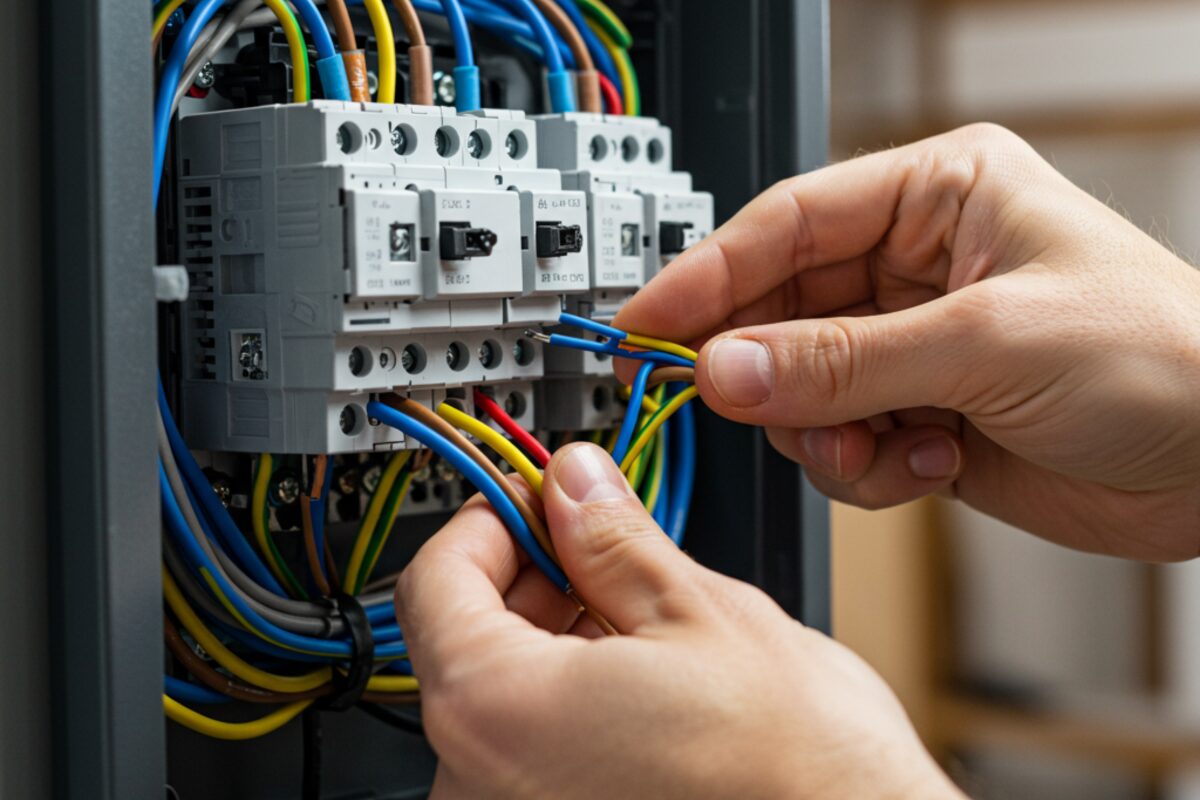
Once planning is complete, the actual rewiring begins. Technicians carefully remove old wires from walls, ceilings, and floors, taking care to minimize damage to the home’s structure. In many cases, this involves temporarily removing drywall or paneling to access hidden wiring. New, code-compliant wires are then installed, along with upgraded electrical panels, energy-efficient outlets, and modern switches. If needed, additional circuits may be added to support high-demand appliances or future smart home installations.
Throughout the project, safety and attention to detail are paramount. Licensed professionals ensure all work adheres to current electrical codes, reducing the risk of future hazards. Homeowners should expect some temporary inconvenience, such as limited access to certain rooms or short-term power outages, but the result is a vastly improved electrical system. With professional guidance, the rewiring process can be completed efficiently, leaving your home safer, more functional, and ready for future innovations.
Long-Term Benefits: Future-Proofing Your Home’s Electrical System
Investing in a whole house rewiring project offers a range of long-term advantages that go far beyond immediate safety improvements. One of the most significant benefits is the dramatic reduction in the risk of electrical fires or shocks, providing peace of mind for property owners and occupants alike. Modern wiring is built to withstand higher loads and is less prone to the wear and tear that leads to dangerous faults.
New electrical systems are also inherently more energy efficient. By minimizing energy loss and supporting advanced technologies such as LED lighting and smart home devices, homeowners can enjoy lower utility bills and a reduced environmental footprint. This efficiency is especially valuable as more households adopt electric vehicles and energy-hungry appliances.
From a financial perspective, a recently rewired home is more attractive to potential buyers and renters. Updated electrical systems are a strong selling point, signaling that the property is well-maintained and compliant with current safety standards. Furthermore, a modernized electrical infrastructure makes it easier to integrate future technological advancements, from home automation to renewable energy solutions. Ultimately, rewiring your home is an investment in safety, efficiency, and adaptability—ensuring your property remains secure, comfortable, and valuable for years to come.