


Staying Cool Safely: Why Proper AC and Heat Pump Wiring Matters
When the summer heat hits or winter brings its chill, many turn to air conditioning and heat pump systems for comfort. However, the performance and safety of these systems hinge on something often hidden behind walls: the electrical wiring. Improperly installed or outdated wiring can lead to significant safety hazards, including electrical fires, shocks, or complete system failures. For clients in Burnaby and Vancouver, ensuring your AC and heat pump wiring is up to code is not just about comfort – it’s about safety and efficiency.
Proper wiring directly affects how efficiently your cooling and heating systems operate. Incorrect or undersized wiring can cause components to overheat, decrease energy efficiency, and shorten the equipment’s lifespan. Moreover, Canadian electrical codes have strict requirements to ensure all installations are safe and reliable. These standards exist to protect residents, employees, and property from the dangers of electrical faults.
Another key aspect is professional installation. Licensed electricians use their expertise to match your system’s power needs with the appropriate wiring and protection devices. Whether you own a home, manage a business, or oversee industrial operations, relying on professional electrical services ensures peace of mind and compliance with safety regulations. Ultimately, investing in quality wiring is an investment in your safety, your property, and the longevity of your AC and heat pump systems.
Key Electrical Components in Modern AC and Heat Pump Systems
Modern air conditioning and heat pump systems are more than just compressors and fans; they rely on a network of electrical components working in harmony. Understanding these parts helps homeowners and business operators appreciate the complexity and the need for precision in wiring.
The heart of any system’s electrical safety is the circuit breaker, which protects against dangerous overloads and short circuits. Alongside this, contactors and relays act as switches, controlling the flow of power to the compressor and fan units. These parts require robust wiring, sized correctly to handle the current load without overheating or causing voltage drops.
Disconnect switches and fuses provide another layer of protection. These ensure that, during maintenance or in an emergency, power can be quickly and safely cut off to the system. Fuses act as the last line of defense, breaking the circuit if excessive current is detected, which helps prevent equipment damage or fires.
Thermostats and the associated control wiring are responsible for communication between the indoor and outdoor units, as well as with heat pump reversing valves, which change the system from heating to cooling mode. The integrity of this low-voltage wiring is crucial for responsive and reliable system performance.
Selecting high-quality, appropriately-rated wires and components is vital. Substandard materials can lead to premature failures and safety hazards. This is why professional electricians prioritize reputable brands and ensure every connection is secure and up to code, keeping your system running smoothly and safely.
Planning Wiring for Renovations: Panels, Circuits, and Load Calculations
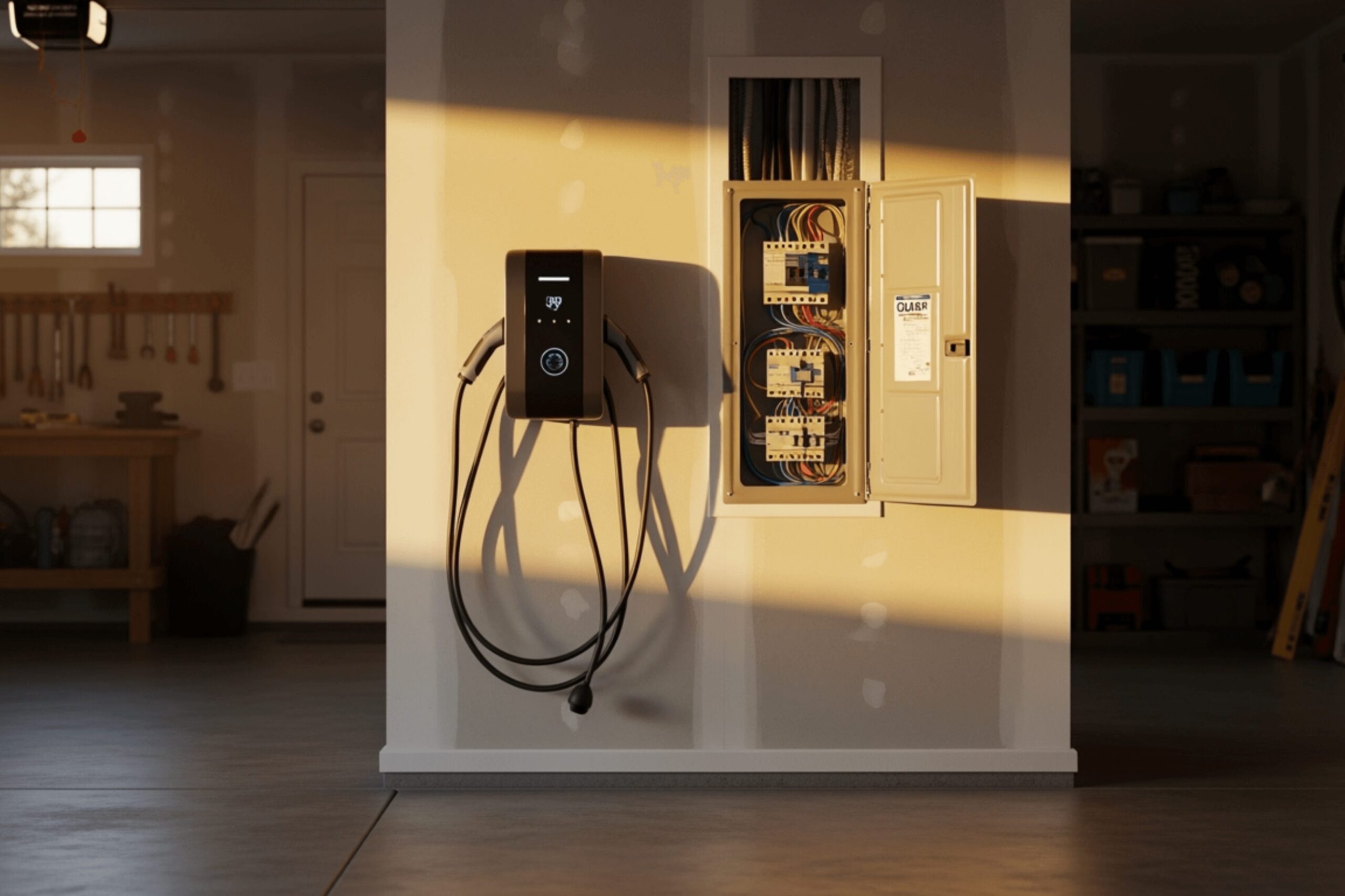
Renovating a home or commercial space is the perfect opportunity to evaluate and enhance your electrical system, especially when installing or upgrading air conditioning and heat pump equipment. One of the first steps is to assess the current electrical panel and service capacity. Older panels may struggle to handle the increased load of modern HVAC systems, lighting solutions, or the addition of EV chargers.
Determining the number and type of new circuits needed is a critical aspect of this process. Each major appliance—such as an AC or heat pump—typically requires a dedicated circuit to ensure safe and reliable operation. This isolation helps prevent overloads and allows for easier maintenance.
A careful load calculation must be performed before any new wiring is installed. This involves adding up the anticipated electrical demand from all appliances and fixtures to ensure your panel can support the load. Overloading a panel can lead to frequent breaker trips, overheating, and even fires—risks that are easily avoided with proper planning.
Sometimes, these assessments reveal that an upgrade to a larger electrical panel or even an increase in service size from the utility company is necessary. This is especially true if you plan on adding more high-demand devices in the future, like expanded lighting, backup generators, or EV chargers. By planning with future upgrades in mind, you can save time and money, preventing the need for repeated disruptive electrical work.
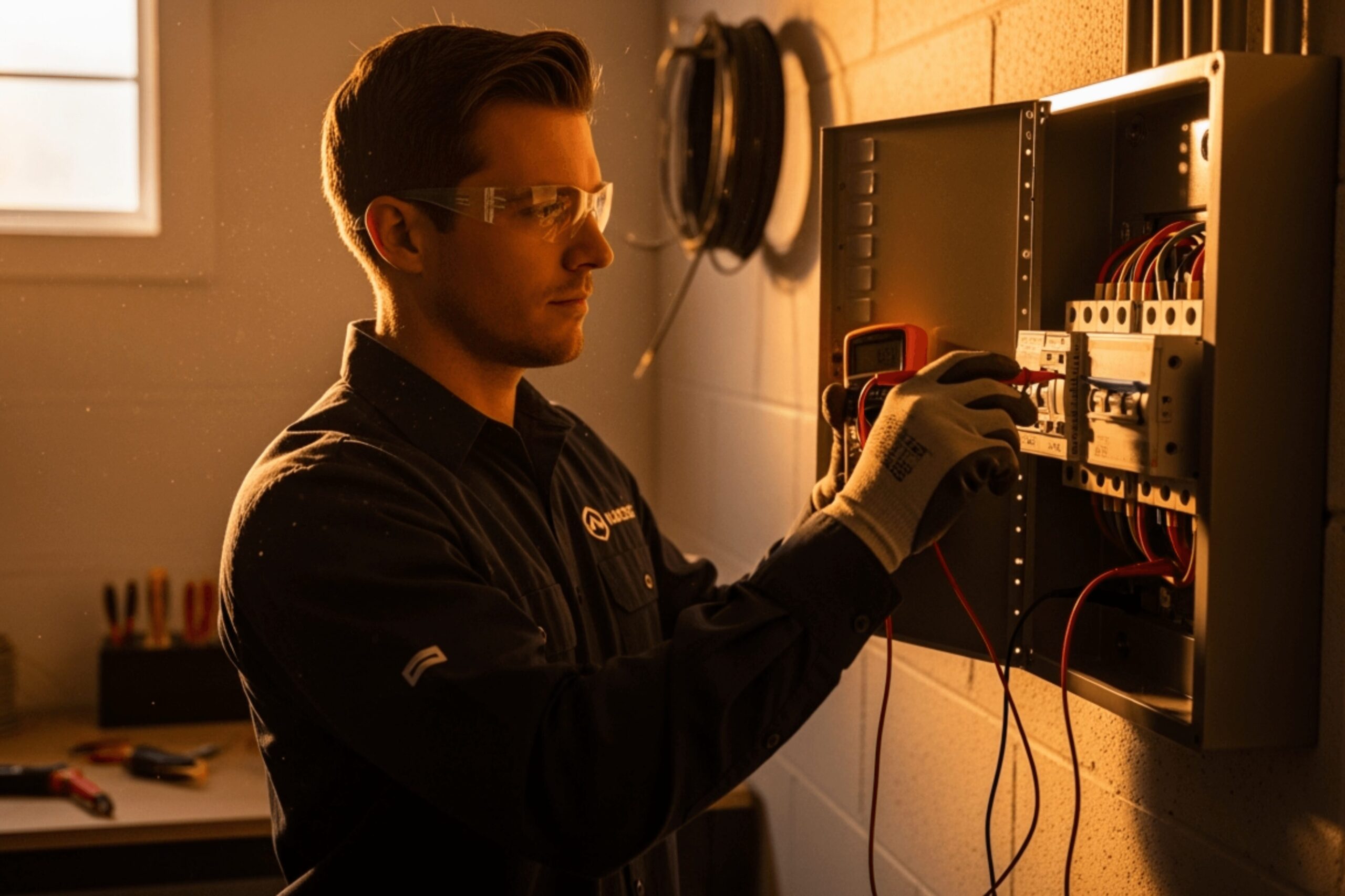
Working with a licensed electrician ensures these calculations and upgrades are done safely and in compliance with local codes, protecting your investment and your property for years to come.
Best Practices for Safe AC, Lighting, and EV Charger Wiring
Safe wiring practices are the foundation of reliable and efficient electrical systems, whether you’re dealing with air conditioning, lighting, or EV chargers. The first rule is strict adherence to the Canadian Electrical Code and any local municipal bylaws. These standards exist to keep residents and properties safe from avoidable hazards.
Selecting the right wire gauge and type is crucial. Air conditioning units, heat pumps, and electric vehicle chargers often require heavy-duty wiring to accommodate higher currents. Undersized wires not only reduce efficiency but can overheat, posing serious fire risks. Likewise, outdoor lighting and landscape features need weatherproof wiring and proper grounding to withstand the elements.
A professional installation will ensure all wiring is secure, neatly routed, and clear of potential damage from pests or accidental contact. This tidiness isn’t just about aesthetics—messy or tangled wires are more prone to wear and faults. Labeling each circuit in your panel can also streamline future troubleshooting, allowing for faster, safer maintenance and upgrades.
Routine inspections are another best practice that’s often overlooked. Over time, connections can loosen, insulation can degrade, and new safety standards may come into effect. Scheduling periodic checks with a licensed electrician helps catch small issues before they lead to bigger, costlier problems.
Finally, when adding new devices or appliances—be it smarter lighting, EV charging stations, or additional AC units—it’s essential to revisit your wiring setup. Ensuring every new addition is integrated safely maintains system reliability and keeps your home, business, or industrial facility running smoothly.
Final Checklist: When to Call a Licensed Electrician for Upgrades and Repairs
Knowing when to seek professional help can make all the difference in maintaining a safe, efficient electrical system. There are several telltale signs that your wiring may need attention. If you notice flickering lights, frequently tripped circuit breakers, or outlets and switches that feel warm to the touch, these could indicate underlying issues. Similarly, if your air conditioning or heat pump system struggles to operate reliably, outdated wiring might be to blame.
Planning for new equipment—such as a high-efficiency heat pump, updated lighting schemes, or an EV charger—almost always requires a panel or service upgrade. These projects aren’t just about running a new wire; they often need dedicated circuits and sometimes a complete overhaul of your existing electrical infrastructure.
Major renovations or additions to your home or business are also a signal to call in a licensed electrician. Canadian law requires that many types of electrical work, especially those involving major appliances or panel upgrades, be performed by qualified professionals. This not only ensures the work is up to code but also protects your insurance coverage in the event of an incident.
The benefits of working with a licensed, insured electrician extend beyond compliance. You get the peace of mind that comes with expert troubleshooting, high-quality materials, and installations that stand the test of time. Whether you’re making a small repair or a major upgrade, professional electrical services safeguard your investment and, most importantly, your safety.