
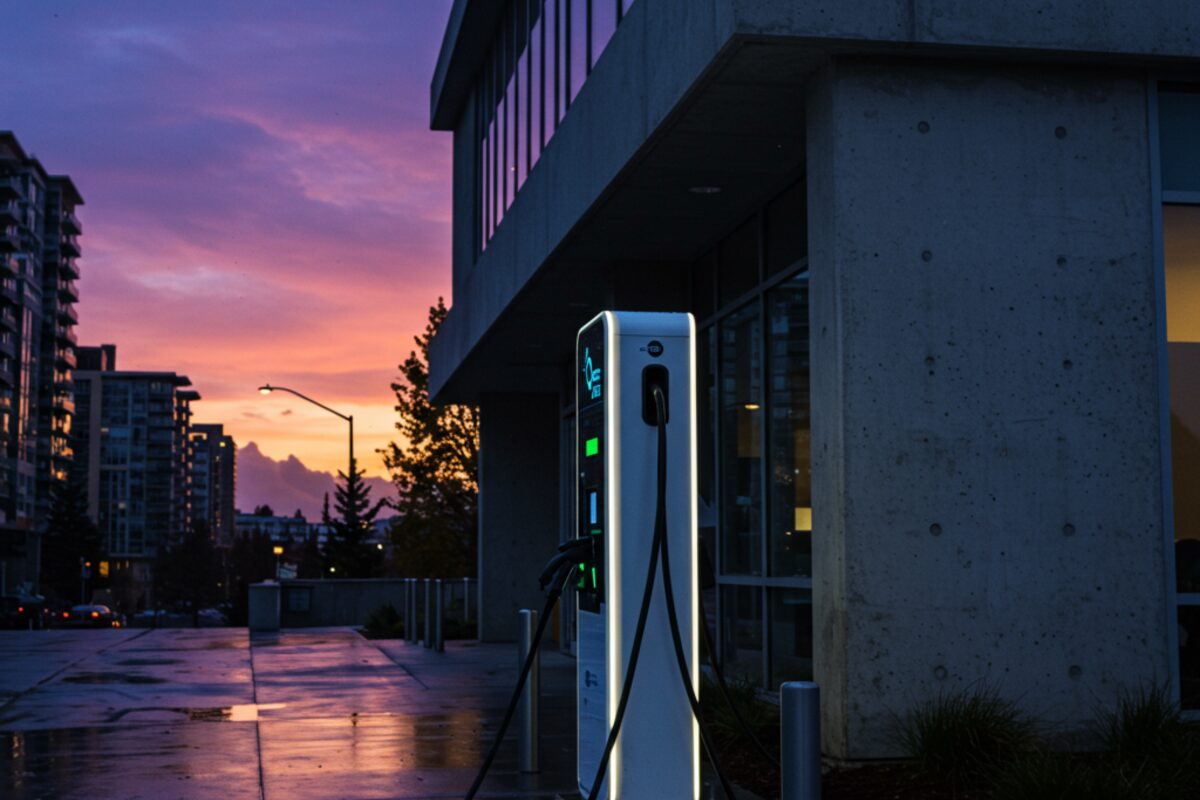

Why EV Charging is Becoming Essential for Vancouver Businesses
The shift toward electric vehicles (EVs) is rapidly transforming Vancouver’s transportation landscape. With the city’s ambitious climate goals and a growing population of EV owners, installing commercial EV charging stations has become more than just a trend—it’s a necessity for businesses aiming to remain competitive and future-focused. Vancouver’s local government is actively promoting the expansion of public charging infrastructure through updated business licensing requirements and curbside charging programs, making it easier for property owners to support sustainable mobility.
As demand for EVs surges, commercial entities—ranging from office complexes and retail centers to light-industrial facilities—are recognizing the value of providing on-site charging. These amenities not only attract environmentally conscious tenants, employees, and customers but also align with broader corporate social responsibility and sustainability targets.
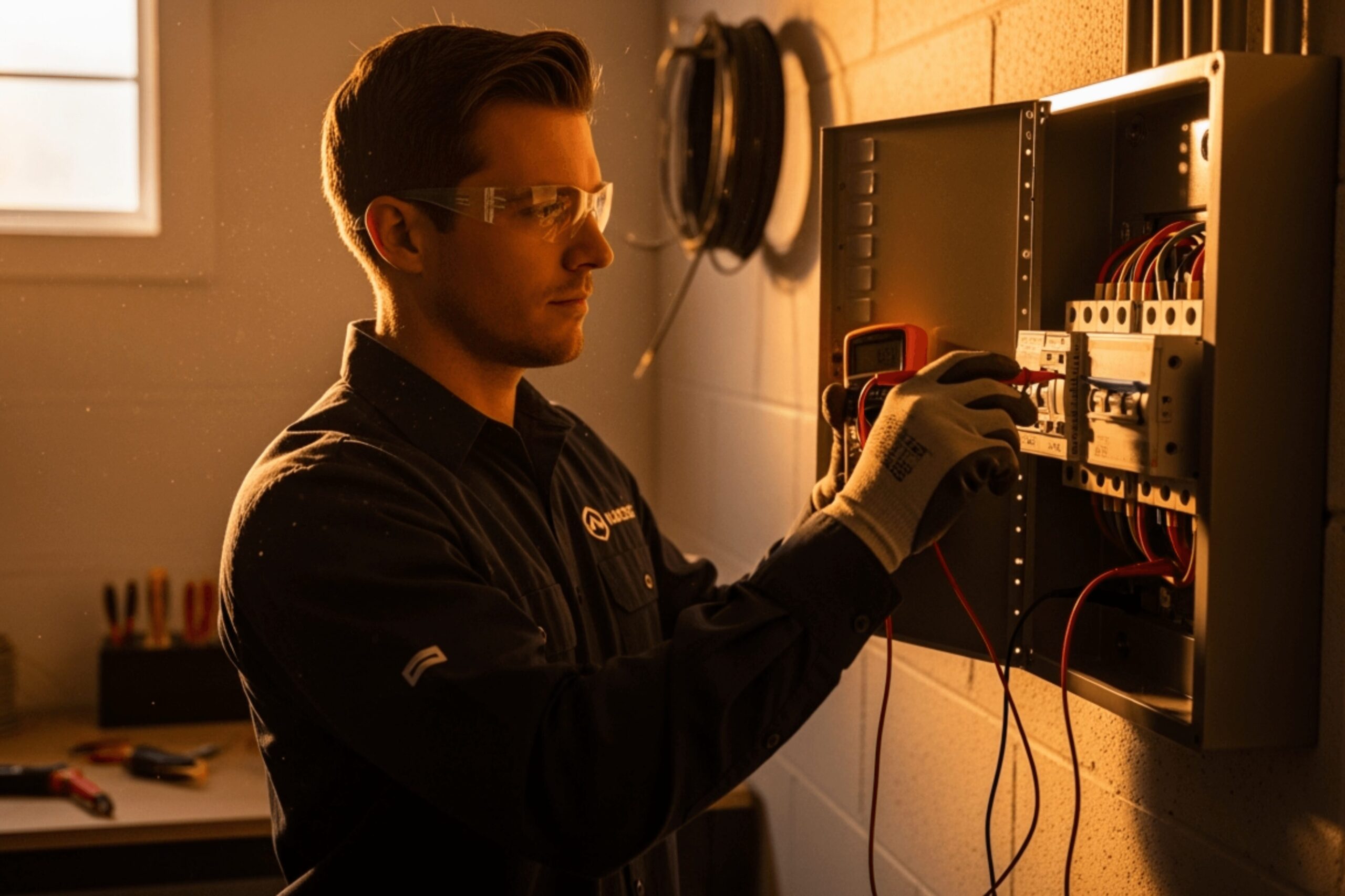
For businesses, the transition to EV charging is closely tied to ensuring safe and reliable electrical systems. Upgrading wiring, enhancing electrical panels, and conducting thorough safety inspections are critical steps that lay the foundation for successful charging station installations. By embracing these changes, Vancouver businesses can take an active role in supporting the city’s clean transportation future while reaping tangible operational and reputational benefits.
Understanding Commercial EV Charger Options: Level 2, DC Fast, and Beyond
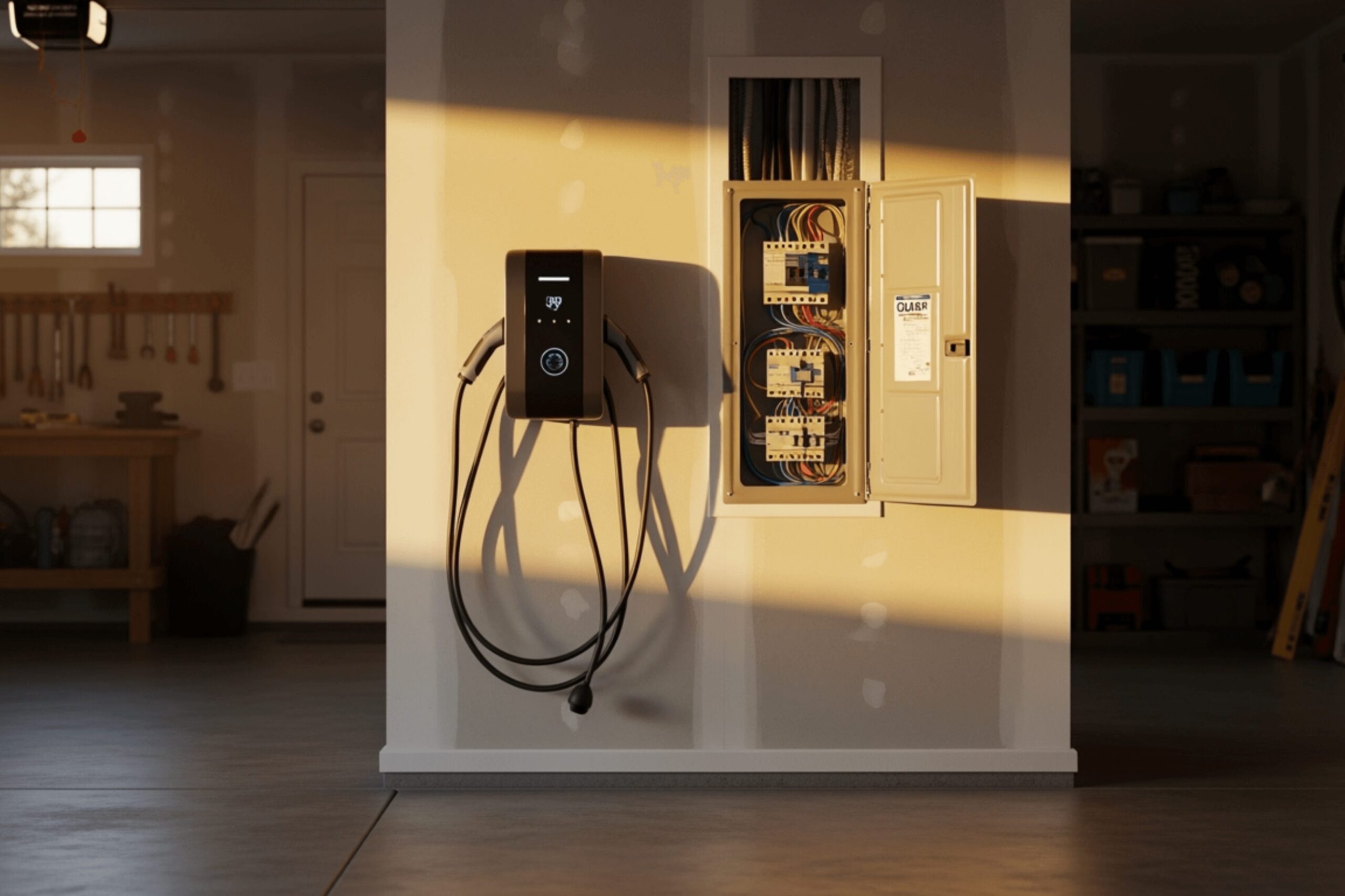
When considering commercial EV charging solutions, it’s important for businesses to understand the spectrum of charger types and their implications. The most common option for workplaces and commercial properties is the Level 2 (AC) charger. These units offer a practical balance between charging speed, installation cost, and electrical load—making them ideal for locations where vehicles are parked for several hours, such as offices and shopping centers.
For high-traffic environments or locations where quick turnaround is essential, DC fast chargers are a compelling choice. These high-powered units can deliver an 80% charge in as little as 30 minutes, making them suitable for public charging stations, fleet depots, or hospitality venues with frequent visitors. However, DC fast chargers require significant electrical upgrades, such as transformer installations and advanced load management systems, to support their energy demands safely and efficiently.
Selecting the right mix of charging solutions involves careful consideration of business needs, anticipated usage patterns, and the existing electrical infrastructure. Resources from organizations like Natural Resources Canada provide valuable guidance on charger terminology, equipment standards, and planning best practices. Ultimately, investing in the appropriate EV charging technology not only enhances operational efficiency but also ensures the long-term reliability and scalability of your electrical system.
Six Key Benefits of Installing Commercial EV Charging Stations
Integrating commercial EV charging stations delivers a cascade of benefits for Vancouver businesses, going far beyond simple convenience:
- Attract Tenants, Employees, and Customers: On-site charging is a visible amenity that differentiates properties, making them more appealing to eco-conscious tenants, top talent, and customers. For retail and hospitality businesses, EV chargers can encourage longer visits and repeat business, while thoughtful installation—safe placement, good lighting, clear signage, and accessible cable management—enhances the user experience.
- Lower Ownership Friction and Support Sustainability Targets: Providing charging on-site helps reduce range anxiety for EV drivers, making it easier for staff and visitors to transition to electric vehicles. Supporting EV adoption aligns your business with Environmental, Social, and Governance (ESG) objectives and helps meet internal and external sustainability targets. Standardizing equipment and reporting across multiple sites simplifies management and demonstrates environmental leadership.
- Align with Local Policy and Permitting Expectations: Vancouver has clear requirements for charger installations, mandating certified equipment and licensed contractors. Participating in city programs, such as curbside charging or public network expansion, can increase your property’s value and community profile. Professional electricians manage the permitting process and ensure compliance with Technical Safety BC and municipal codes.
- Reduce Fleet Fuel Time and Streamline Operations: Businesses with vehicle fleets—such as delivery services, municipal operations, and service providers—benefit from on-site Level 2 chargers. Fleet vehicles can recharge during scheduled downtime, improving operational efficiency and reducing reliance on off-site fueling. Proper planning, including load management and off-peak scheduling, optimizes both energy use and cost.
- Future-Proof Capacity and Minimize Downtime Risks: As demand grows, electrical panels can become overburdened. Professional load calculations, electrical upgrades, and dynamic load management systems help ensure your infrastructure can accommodate both current and future charging needs. Sequenced upgrades minimize operational disruptions, which is especially important for older buildings and multi-tenant facilities.
- Access BC Rebates and Advisory Support: Programs like CleanBC Go Electric provide substantial rebates for workplace charging, covering a significant portion of installation costs. Early involvement of a qualified electrician ensures compliance with rebate requirements and maximizes financial incentives. Advisory services are available to help businesses plan and select the right equipment, making the process smoother and more cost-effective.
Navigating Permits, Rebates, and Compliance for Safe Installations
Installing EV charging stations in a commercial setting involves a series of regulatory steps designed to ensure safety, reliability, and compliance. In Vancouver, all installations must be performed by licensed electrical contractors using certified equipment. The permitting process is overseen by both city authorities and Technical Safety BC, ensuring adherence to strict standards that protect both property and users.
Proper documentation, including written load studies and detailed plans for future expansion, is essential. Early engagement with certified electricians not only streamlines the permitting and inspection process but also secures eligibility for valuable rebates like those offered by the CleanBC Go Electric program. These incentives often require pre-approval and the use of specific, certified hardware—details that must be addressed well before installation begins.
Timelines for installation vary based on project complexity. Simple Level 2 charger setups can be completed within a few days after approvals, while more intricate projects—such as those involving panel upgrades, transformer installations, or multiple charging stations—may take longer. Throughout the process, a focus on electrical safety inspections and clear communication with permitting agencies minimizes surprises and ensures a smooth rollout.
Selecting the Right Electrical Contractor for Your Charging Station Project
Choosing the right electrical contractor is a crucial step in ensuring your EV charging station project is successful, safe, and scalable. Look for a contractor with demonstrated experience in commercial projects, particularly those involving EV infrastructure. Client references and a portfolio of previous installations can provide confidence in their ability to deliver on complex requirements.
Expertise with Vancouver-specific permitting processes and Technical Safety BC regulations is essential. Your contractor should provide comprehensive load studies, plan for future expansion, and develop clear strategies for managing downtime during installation—minimizing disruption to your day-to-day operations.
Hardware selection is another key consideration. A reputable contractor will help you evaluate options such as Level 2 versus DC fast chargers, cable management systems, and appropriate signage—all tailored to your specific business needs and site conditions. Additionally, ensure your contractor is familiar with current rebate programs and can assist with all necessary documentation to maximize financial incentives.
By prioritizing these criteria, you can partner with a contractor who not only delivers a compliant and efficient installation but also positions your facility for future growth and evolving technology standards.
Building a Future-Ready Facility: Next Steps for Vancouver Businesses
As Vancouver continues its journey toward a sustainable, electrified future, integrating commercial EV charging stations is becoming a defining factor for forward-thinking businesses. EV charging is no longer just a perk but a strategic asset that enhances property value, supports sustainability commitments, and meets the evolving expectations of tenants, employees, and customers.
To build a truly future-ready facility, businesses should approach EV charging with a mindset of scalability. Begin with a few well-placed Level 2 chargers, but invest in the wiring upgrades and conduit infrastructure necessary to easily expand as demand grows. Regular electrical safety inspections and proactive upgrades ensure your system remains robust, safe, and compliant as new technologies emerge.
Stay informed about evolving incentive programs, such as rebates and advisory services, which can substantially reduce upfront costs and provide valuable planning guidance. Finally, work closely with experienced, licensed professionals who can navigate the complexities of permitting, compliance, and installation. By taking these steps, Vancouver businesses can not only meet today’s needs but also lay a strong foundation for tomorrow’s sustainable success.