


Why Winter Puts Extra Stress on Your Electrical Service Panel
As temperatures drop across Vancouver and the Lower Mainland, your electrical service panel becomes one of the most critical components in your home, business, or industrial facility. Winter brings a spike in electrical demand; furnaces, space heaters, heat pumps, and electric fireplaces are all drawing more power to keep spaces warm. Add to this the use of holiday lights and other seasonal appliances, and it’s no surprise that panels experience higher stress.
This extra load can lead to overloaded circuits and more frequent breaker trips. Service panels not designed or maintained to handle these demands may develop issues such as overheating or premature component wear. Moisture is another winter culprit—condensation can seep into panels, especially in garages and basements, increasing the risk of corrosion and electrical shorts.
The winter months also see more severe storms and the possibility of longer power outages. When power is restored after an outage, a sudden surge can strain old or faulty panels, making them even more vulnerable. Additionally, cold temperatures can cause wiring and electrical connections to contract, potentially loosening fittings and exposing weak spots in the system.
Understanding these unique winter challenges is the first step to ensuring your electrical system remains safe and reliable throughout the season.
Warning Signs Your Service Panel Needs Attention in Cold Weather
Cold weather puts your electrical system to the test, and your service panel will often display warning signs when it’s under strain. One of the most common red flags is flickering or dimming lights, especially when larger appliances are turned on. This symptom may indicate that your panel can’t handle the increased demand, or there’s a loose connection somewhere in the system.
Listen closely for unusual sounds—buzzing, hissing, or crackling noises coming from the panel can suggest dangerous arcing or faulty breakers. If you notice your circuit breakers tripping frequently, or if you’re blowing fuses more often than usual, it’s a clear indication that your system is either overloaded or experiencing short circuits. These issues are especially common during winter when electrical loads are at their peak.
Physical signs are equally telling. If your service panel feels warm to the touch, shows scorch marks, or has a burnt smell, it’s time for immediate intervention—these are signs of overheating and a potential fire hazard. Finally, check the age and capacity of your panel. Older panels may lack the capability to support modern electrical demands, particularly with additions like EV chargers or increased heating equipment.
Recognizing these signs early and acting promptly can prevent more serious electrical failures and ensure the safety of everyone in your property.
Best Practices for Safe Panel Installation and Repair in Winter Conditions
Installing or repairing a service panel in winter isn’t just about technical know-how—it requires planning and adherence to best practices that address seasonal hazards. Begin with a comprehensive site inspection. Identifying potential moisture sources, poorly insulated spaces, and existing electrical issues is vital before any work starts.
When installing or repairing panels, using weatherproof and insulated materials is non-negotiable. Moisture-resistant enclosures and conduit fittings are essential to prevent water intrusion, which is common during Vancouver’s wet winters. Electricians must also take extra care to keep all connections dry, sometimes employing portable heaters or tarps to shield the workspace from dampness.
Scheduling work during optimal daylight hours ensures better visibility and safer working conditions. In winter, daylight is limited, so planning ahead prevents rushed jobs and exposure to freezing temperatures, which can make tools and wires brittle.
Every connection should be double-checked for security and dryness. Loose or damp connections increase the risk of shorts and corrosion. Strict adherence to the latest local codes and electrical standards helps guarantee that installations withstand the toughest winter conditions. By following these best practices, both homeowners and businesses can trust that their electrical systems are ready for the demands of the season.
How Licensed Electricians Protect Residential, Commercial, and Industrial Properties in the Greater Vancouver Area
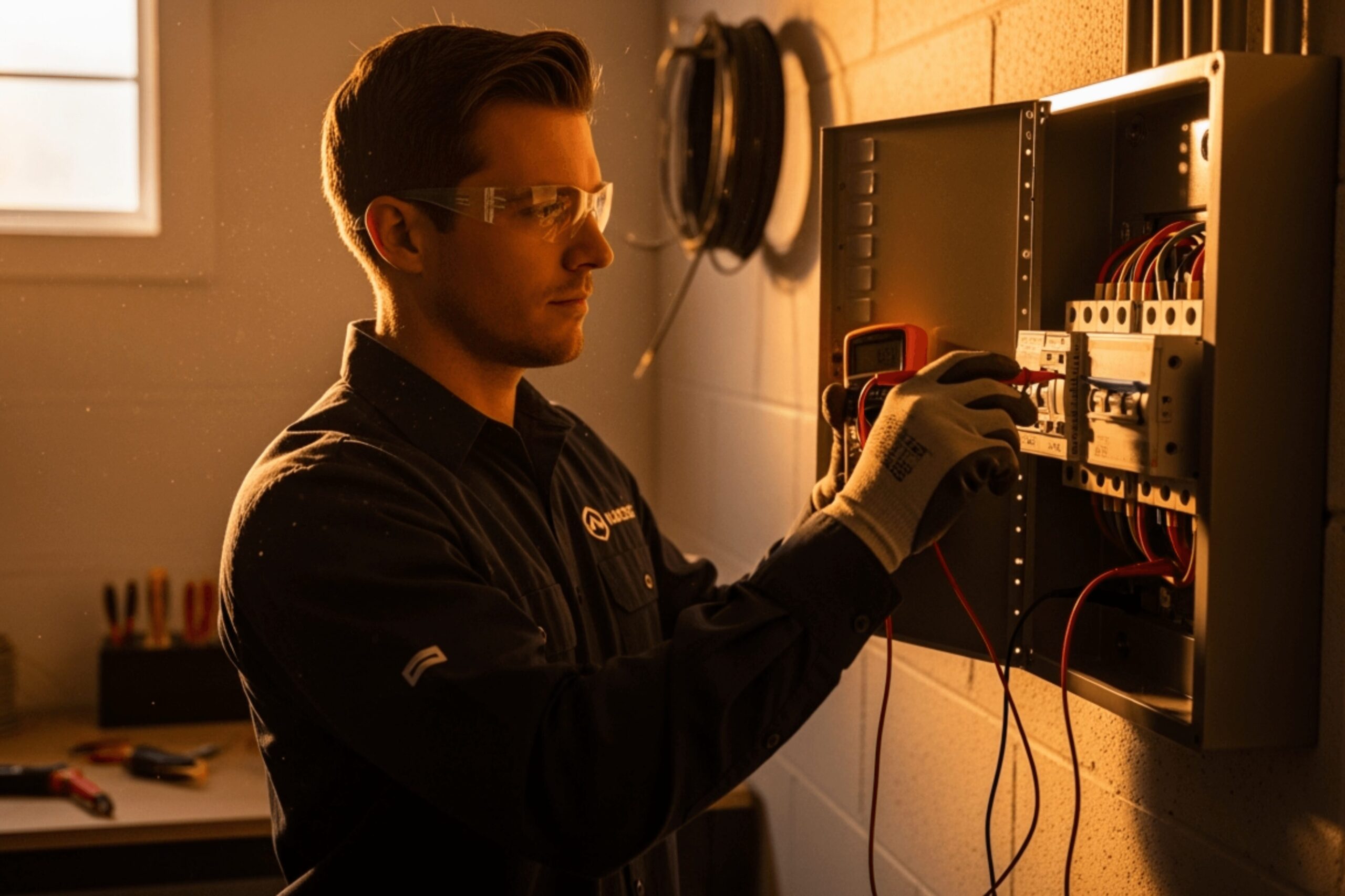
The unique electrical needs of residential, commercial, and industrial clients in Vancouver and the Lower Mainland require a level of expertise that only licensed electricians bring. These professionals tailor their approach based on the specific demands of each property type. For example, industrial facilities may require higher-capacity panels and complex wiring, while homes prioritize safe, discreet installations.
Licensed electricians stay current with the latest safety codes and regulations, ensuring every installation or repair meets (or exceeds) regional requirements. This is especially important in winter, when code compliance is crucial to prevent cold-weather hazards like condensation buildup and overloads.
Quality matters—licensed electricians use certified, durable materials that withstand Vancouver’s damp, chilly winters. From weather-sealed breakers to corrosion-resistant wiring, every component is chosen for longevity and safety.
Another advantage is rapid response: many electricians in the region provide 24/7 emergency services. Whether it’s a sudden panel failure during a snowstorm or a power outage late at night, prompt assistance can be a lifesaver for homes, businesses, and industrial sites alike.
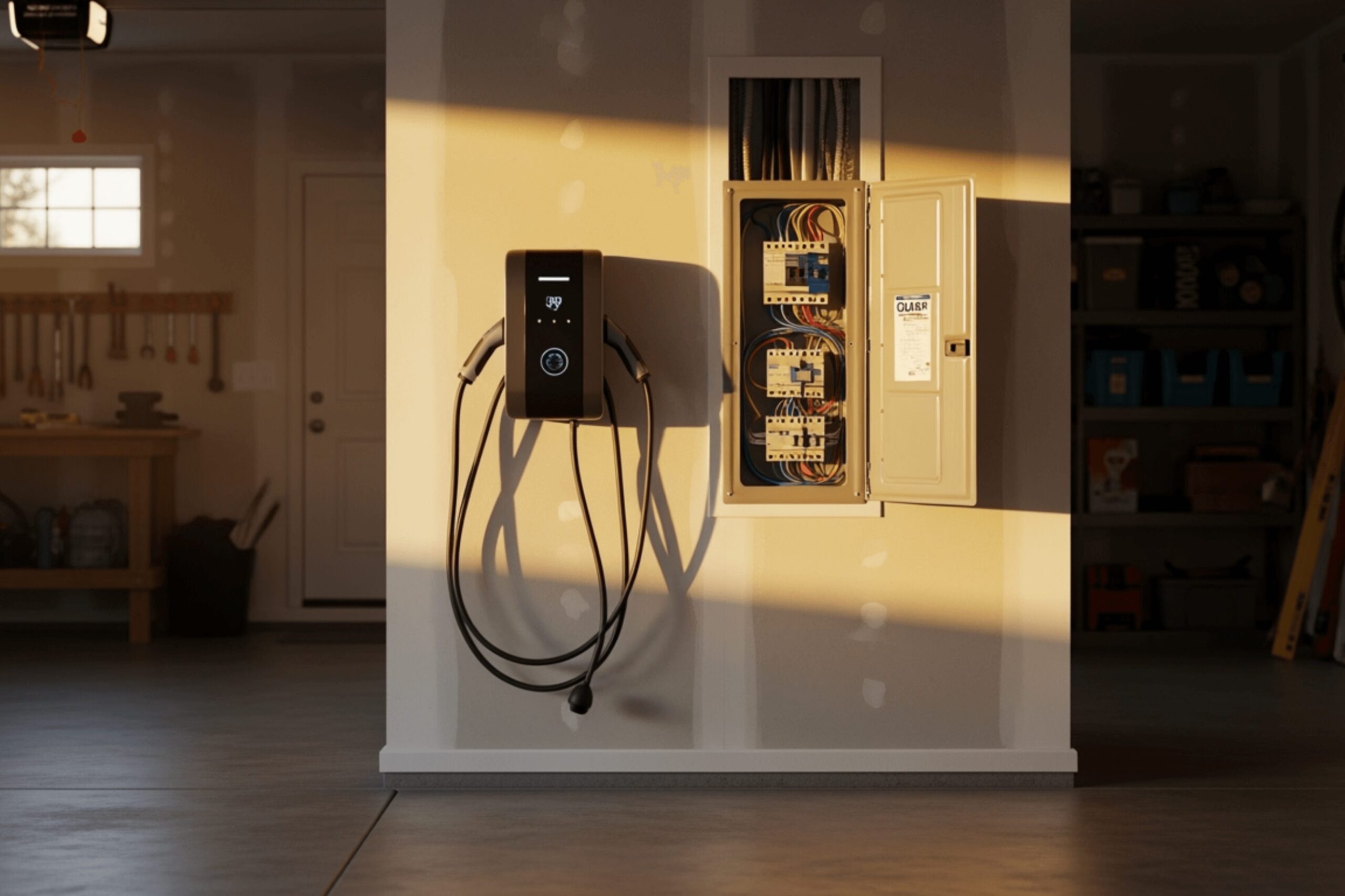
As electrical demands evolve—think EV charger installations and major wiring upgrades—licensed electricians design custom solutions. Their expertise ensures new technologies integrate smoothly with existing systems, keeping properties safe, efficient, and ready for the future.
Planning Ahead: Winter Electrical Safety Checklist for Lower Mainland Homes and Businesses
Preparation is key to staying safe and comfortable during Vancouver’s winter months. A proactive approach starts with scheduling a comprehensive electrical inspection by a licensed professional. This check-up will uncover any hidden issues and verify that your service panel and wiring can handle increased seasonal demands.
Take the time to test all circuit breakers. Clearly label each one so you can quickly identify and address issues during an outage or emergency—a simple step that can save critical minutes in stressful situations.
Regularly inspect the area around your panel for moisture, rust, or corrosion. Addressing these problems early prevents more severe electrical faults or even fires. With modern homes and businesses increasingly relying on high-powered devices like EV chargers and advanced heating systems, ensure your panel has the capacity to support these additions without risk of overload.