

Understanding the Role of Emergency Lighting in Fire Safety
Emergency lighting is a specialized system designed to provide illumination automatically when regular power supplies fail, ensuring that building occupants can safely navigate exits and escape routes during emergencies such as fires or power outages. In both commercial and residential environments, these lights play a pivotal role in the overall fire safety infrastructure, forming a critical line of defense against accidents and injuries that might occur in low-visibility conditions.
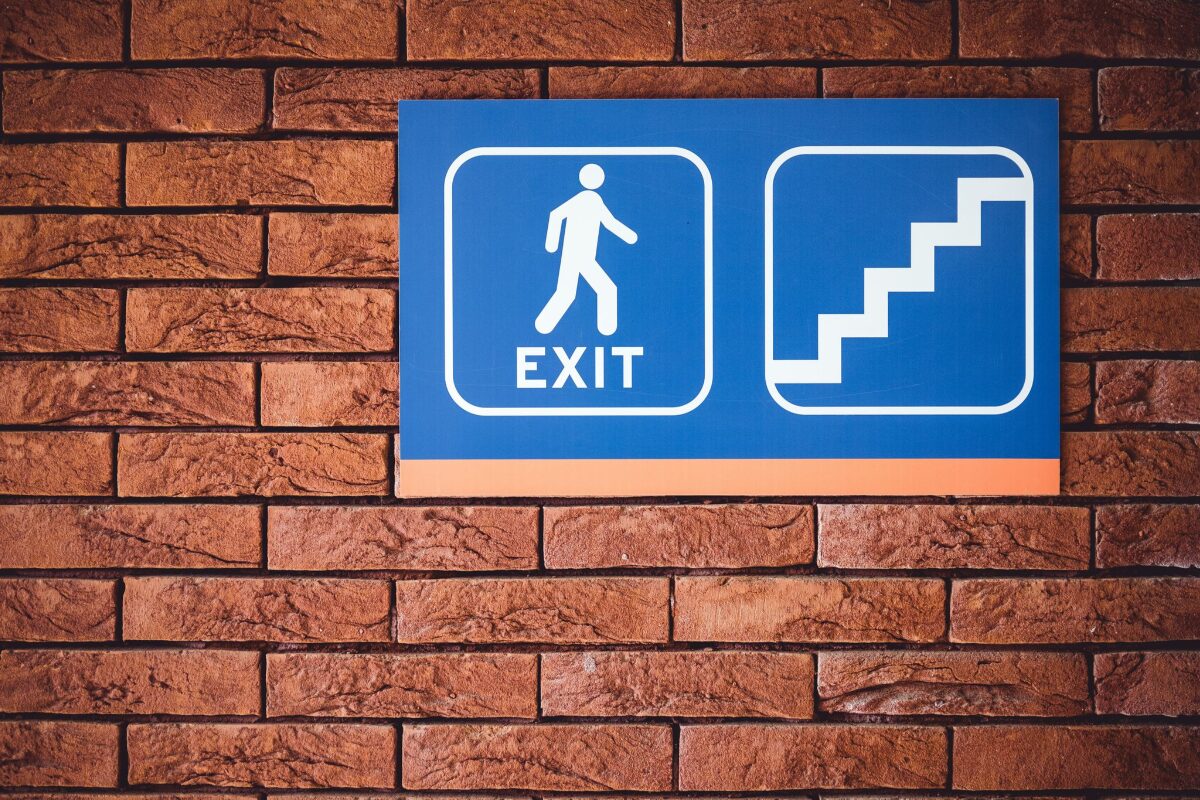
The primary function of emergency lighting is to guide people to safety when normal lighting fails, reducing the risk of panic and confusion. In commercial buildings, where large numbers of people may be present, well-illuminated exit paths are essential for a swift and orderly evacuation. Residential complexes also benefit from emergency lighting, particularly in high-rise buildings or multi-unit dwellings where stairwells and corridors can quickly become hazardous in the dark.
Emergency lighting systems are typically integrated with other safety measures, such as fire alarm and detection systems, to create a comprehensive emergency response plan. Without reliable emergency lighting, occupants may struggle to find exits, leading to dangerous delays and increased risk of injury. Furthermore, the absence or malfunction of these systems can have serious legal and ethical consequences for property owners, reinforcing the importance of proper installation and upkeep.
How Inspections Safeguard Occupants During Emergencies
Routine inspections of emergency lighting systems are essential for maintaining their readiness and reliability. These inspections, typically conducted on monthly and annual schedules, are designed to uncover any damages, battery failures, or other issues that may compromise the system’s performance during critical moments. By identifying and addressing these problems proactively, property owners can ensure that emergency lighting will function as intended when it is needed most.
During a fire or power outage, the effectiveness of emergency lighting can mean the difference between a safe evacuation and a chaotic, hazardous situation. Inspections help verify that all units are operational, batteries are charged, and bulbs are intact, preventing sudden failures that could leave occupants stranded in the dark. This is especially important in buildings with complex layouts, multiple exits, or high occupancy, where clear guidance is vital for a swift and orderly escape.
Furthermore, the knowledge that emergency lighting systems are regularly inspected and maintained offers peace of mind to building occupants, whether they are employees, residents, or visitors. It fosters a sense of safety and trust in the environment, which is crucial during stressful situations. Ultimately, thorough and consistent inspections are a key component of any effective fire safety strategy, directly contributing to the well-being of everyone within the building.
Meeting Compliance: Navigating Fire Safety Codes and Regulations
Fire safety codes and regulations are established to ensure that buildings provide a safe environment for all occupants, especially in emergencies. These codes, which vary by region but are universally stringent, mandate the installation, regular inspection, and testing of emergency lighting and illuminated exit signs. Adhering to these standards is not optional—it is a legal requirement for property owners and managers.
Regular inspections are a fundamental part of compliance. Authorities require that emergency lighting be tested monthly for basic operation and annually for its ability to function during extended outages, often for up to 90 minutes. Detailed documentation of these inspections, including any maintenance or repairs, is crucial. This record-keeping demonstrates due diligence and readiness during official inspections or audits.
Failure to comply with fire safety codes can result in significant penalties, including fines, the closure of buildings, or even criminal liability in the event of injury or loss of life due to non-functioning emergency systems. Beyond legal consequences, non-compliance can damage reputations and erode trust within the community. Regular, well-documented inspections not only help ensure the safety of occupants but also provide tangible proof of a property owner’s commitment to upholding the highest standards of safety and responsibility.
Reducing Liability Through Preventive Maintenance
Maintaining fully operational emergency lighting is not just a regulatory obligation—it is a prudent risk management practice that significantly reduces liability for property owners. When emergency lighting systems are regularly inspected and properly maintained, the likelihood of accidents, injuries, or property damage during emergencies is greatly diminished.
A well-lit escape route is essential in minimizing panic and confusion during power outages or fires. Without adequate lighting, occupants may trip, fall, or become disoriented, potentially leading to serious injuries. In the aftermath of such incidents, building owners could face lawsuits, increased insurance premiums, or costly settlements if it is determined that neglected maintenance contributed to the harm.
Preventive maintenance through routine inspections ensures that potential issues are detected and resolved before they escalate into hazards. It also reinforces a culture of safety and due diligence, which can be invaluable in legal proceedings. Demonstrating a consistent record of inspections and repairs provides strong evidence that reasonable steps were taken to protect occupants, thereby reducing exposure to liability.
Ultimately, investing in preventive maintenance is a proactive strategy that safeguards both people and property. It not only ensures compliance with safety regulations but also offers long-term financial benefits by avoiding the far greater costs associated with accidents, legal claims, and emergency repairs.
Maximizing Emergency Lighting Performance: Inspection Best Practices
To ensure the highest level of safety and reliability, emergency lighting systems should be inspected following a set of best practices. Effective inspections involve both visual checks and functional testing. Visual inspections are used to identify obvious issues such as damaged fixtures, blocked lights, or missing signage. Functional testing, on the other hand, confirms that lights activate properly during simulated power failures and that batteries can sustain illumination for the required duration.
Common problems discovered during inspections include depleted batteries, burnt-out bulbs, corroded connections, and physical damage to fixtures. Addressing these issues promptly is essential for maintaining system integrity and readiness. It is recommended to conduct basic operational checks monthly, with more comprehensive testing—such as a full-duration test—performed annually.
Clear documentation of each inspection, including any faults found and corrective actions taken, is vital for ongoing maintenance and regulatory compliance. Moreover, property owners should ensure that access to emergency lighting fixtures remains unobstructed and that any replacements use components compatible with the existing system.
By adhering to these inspection best practices, building owners can maximize the effectiveness of their emergency lighting systems. This not only upholds safety standards but also extends the lifespan of the equipment, reduces long-term maintenance costs, and ensures that occupants always have a clear and safe path to exit during emergencies.