

Navigating Vancouver’s Evolving Electrical Safety Landscape
Vancouver stands at the forefront of a transformative period in electrical safety as it approaches 2025. The city’s unique blend of rapid urban growth and ambitious climate targets is reshaping how residents and businesses interact with electricity. With a strong focus on reducing carbon emissions, electrifying transportation, and modernizing infrastructure, Vancouver’s electrical landscape is evolving to meet future demands.
These changes are not happening in isolation. Advances in technology, stricter regulations, and the rising adoption of electric vehicles (EVs) are influencing how energy is generated, distributed, and consumed. Homeowners looking to renovate, upgrade wiring, or install new lighting solutions must navigate a landscape where safety is paramount, and innovation is constant. Likewise, businesses and industrial facilities face new standards and opportunities as smart technologies and resilient infrastructure become the norm.
By understanding the latest trends and innovations, Vancouverites can make informed choices—whether upgrading a panel, installing an EV charger, or planning for a heat pump. This blog will break down the key electrical safety trends for 2025, highlighting how technological advancements, regulatory changes, resilient infrastructure, public education, and the electrification boom are shaping a safer and smarter city for everyone.
Smarter Grids and Smart Homes: Transformative Technologies in Action
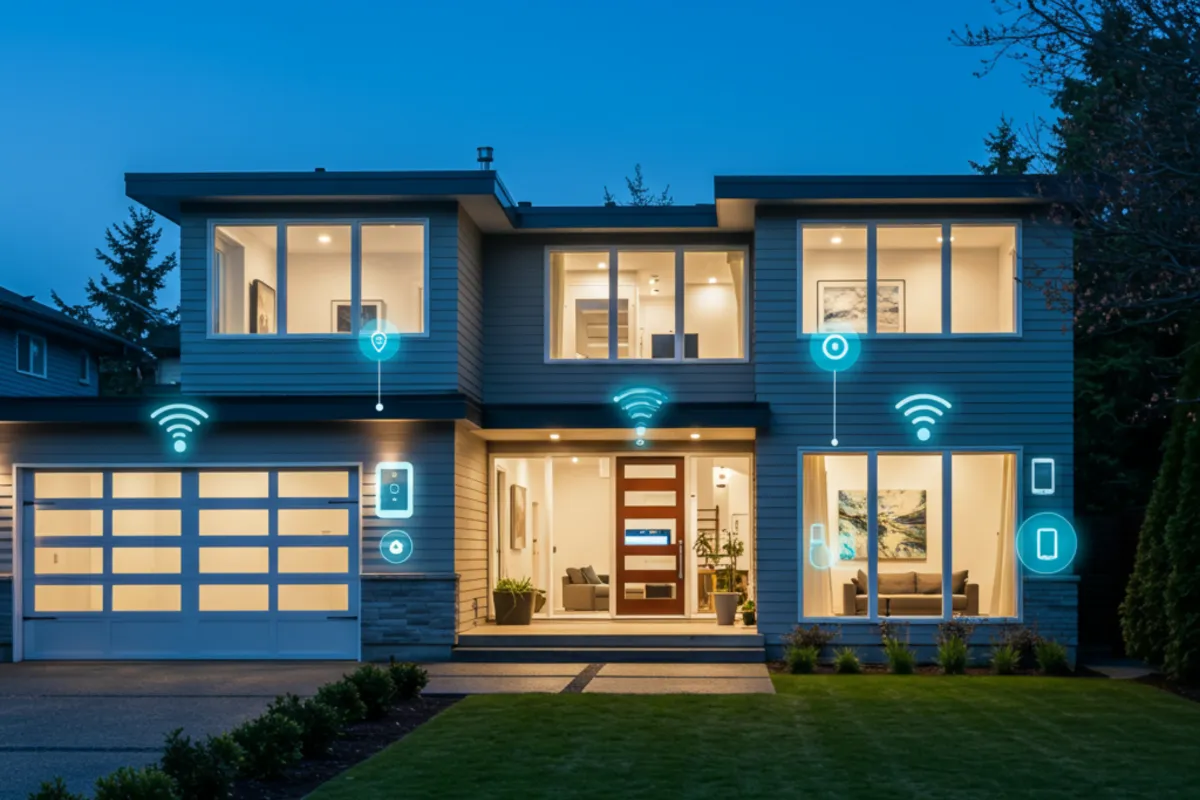
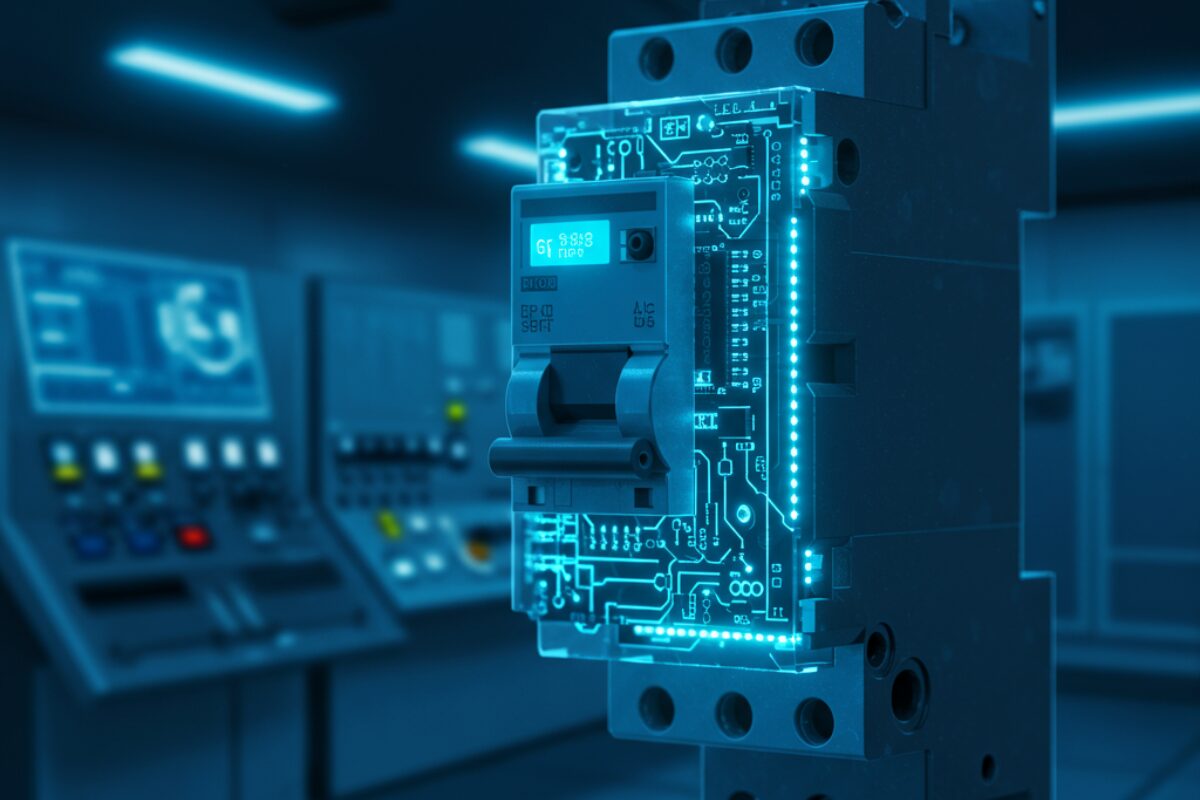
Technological innovation is rapidly transforming Vancouver’s electrical grid and the homes connected to it. Smart grids—powered by Internet of Things (IoT) sensors and artificial intelligence—are being rolled out to modernize the city’s energy infrastructure. This new digital backbone allows utilities to monitor voltage in real time, predict equipment failures before they happen, and respond more swiftly to outages, significantly reducing downtime for residences and businesses alike.
One of the most visible changes is the integration of smart reclosers and self-healing grid features. These systems can isolate faults and reroute electricity automatically, minimizing the impact of outages, especially as more electric vehicles and charging stations come online. For homeowners, this means less disruption and a safer, more reliable supply of power—an essential consideration when wiring renovations or upgrading to accommodate high-demand appliances like heat pumps and air conditioners.
The push toward renewable energy systems is also gathering pace. Solar panel installations in Vancouver are expected to rise considerably, driven by both environmental goals and incentives. However, the adoption of these systems brings new safety challenges. Regulations now require features such as anti-islanding inverters (to prevent back-feeding the grid during outages) and lockable disconnect switches for emergency isolation. Battery storage solutions, such as those used in backup power systems, must comply with strict fire safety standards, including thermal runaway detection and proper enclosure clearances to prevent hazards.
With so many connected devices, cybersecurity is a growing concern. Vancouver’s utilities and homeowners alike are investing in AI-driven intrusion detection, multi-factor authentication for EV charging stations, and blockchain-secured smart meter data to protect against the rising tide of cyberattacks.
Strengthening Safety Standards: Key Regulatory Changes for 2025
Regulatory updates are a cornerstone of Vancouver’s approach to electrical safety in 2025. The recent adoption of the 2024 Canadian Electrical Code brings a host of new requirements for both residential and commercial properties. Homeowners and professionals planning general renovations or wiring upgrades must now incorporate advanced safety technologies to comply with these standards.
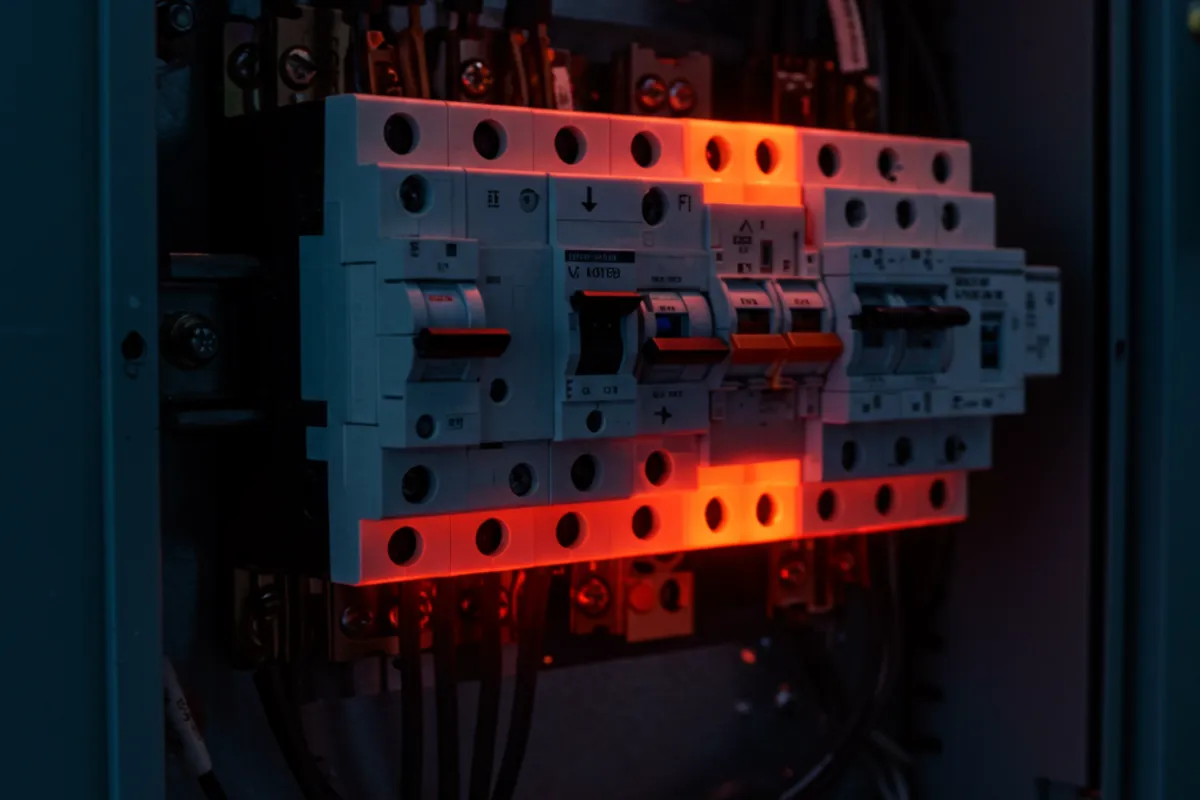
One of the most significant changes is the expansion of Arc-Fault Circuit Interrupters (AFCIs) into kitchens and laundry rooms—areas prone to electrical fires due to high appliance usage. Ground-Fault Circuit Interrupters (GFCIs) are now mandatory for all outdoor receptacles, including those used for holiday lighting, reducing the risk of electrical shock in wet environments.
Another key update is the requirement for whole-home surge protectors in new constructions. Vancouver’s exposure to storms—and the resulting $50 million annual damage from surges—has made this a critical safeguard. For properties planning to install EV chargers, new regulations mandate dedicated circuits for Level 2 chargers in residential parking spots, and adherence to the SAE J1772 standard in commercial hubs, ensuring compatibility and safety.
Battery storage systems, increasingly popular for backup power, are now subject to stricter fire codes. Rooms housing lithium-ion batteries must be classified as hazardous, with enhanced ventilation and heat-activated sprinkler systems. Fire departments across the city are also being trained in specialized containment methods to handle battery-related incidents, reflecting a city-wide commitment to both innovation and safety.
Building Resilient Infrastructure: Preparing for Climate and Urban Challenges
Vancouver’s electrical infrastructure is being reimagined to withstand the growing threats posed by climate change and urban densification. Severe weather events—such as floods, ice storms, and even urban wildfires—can have a devastating impact on power systems. To address these risks, significant investments are being made in both new and existing infrastructure.
Flood-prone neighborhoods, including areas near the Fraser River and low-lying parts of the city, are seeing the installation of underground power lines. This approach not only reduces the risk of storm-related outages but also minimizes the dangers associated with downed overhead wires. Where overhead lines remain, new spider-armored conductors are replacing traditional wires, which can reduce ice-storm outages by up to 40%.
Substations in vulnerable zones are being elevated and outfitted with flood-resistant features to ensure critical services remain online during extreme weather. Meanwhile, Vancouver’s Circuit Renewal Program is targeting neighborhoods with aging wiring—particularly those with installations predating 1980. These upgrades involve replacing old cables with modern, heat-resistant insulation (such as XLPE), which stands up better to higher electrical loads from today’s appliances and systems like heat pumps, air conditioners, and EV chargers.
For anyone considering a renovation or service upgrade, these infrastructure improvements mean safer, more reliable electrical systems. By choosing up-to-date wiring and panels, residents can better protect their properties while supporting a resilient Vancouver.
Empowering Communities: Education, Workforce, and Public Safety Initiatives
Empowering the community is a key strategy in Vancouver’s electrical safety initiative for 2025. As more residents take on DIY projects—whether installing new lighting, wiring home offices, or adding EV chargers—public education campaigns stress the importance of permits and safe installation practices. These efforts help prevent common hazards, such as overloaded circuits, improper wiring, and unsafe connections, which can lead to fires or electrical shocks.
Social media platforms serve as vital channels for spreading awareness. Posts and videos highlight real-world risks, from the dangers of plugging multiple high-wattage devices into a single outlet to the potential for hidden wiring faults in older homes. These educational resources empower homeowners and renters to recognize warning signs and seek professional help when necessary.
Behind the scenes, Vancouver is investing heavily in its electrical workforce. Grants and new training programs are funding the certification of hundreds of electricians each year, with a focus on emerging technologies like EV infrastructure and smart home automation. Institutions now offer specialized courses, ensuring that professionals are equipped to handle the latest systems and safety standards.
Virtual Reality (VR) training is also making a difference. By simulating hazardous scenarios—such as arc-flash incidents—VR allows both seasoned electricians and newcomers to hone their skills in a safe environment, leading to a measurable reduction in jobsite injuries. Together, these initiatives are building a culture of safety and expertise that benefits the entire community.
Meeting Electrification Demands: EV Charging, Renovations, and Emerging Risks
The transition to a low-carbon future is accelerating electrification across Vancouver, with far-reaching implications for homes, businesses, and the city’s electrical grid. The push to install 100,000 public EV chargers by 2025 exemplifies this trend, but it also brings new challenges—particularly for multifamily buildings and older commercial properties.
Condominiums and apartments, which make up a significant portion of Vancouver’s housing stock, often lack sufficient panel capacity to support large-scale EV charger installations. As a result, there’s growing demand for load-sharing systems, panel and service upgrades, and rewiring projects that can safely accommodate the additional electrical load. When planning general renovations, it’s increasingly standard to include provisions for future EV charging, as well as wiring for heat pumps and air conditioning units—both crucial for energy efficiency and comfort in a changing climate.
With increased electrification comes new risks, such as the potential for wildfires caused by vegetation contacting power lines. To mitigate these dangers, utilities are deploying drones equipped with LiDAR to monitor and manage vegetation, reducing the likelihood of fire outbreaks in urban areas. These proactive measures, combined with robust safety standards and public awareness, help keep Vancouver’s electrification journey on a safe path.
For residents and businesses considering upgrades—whether it’s a new lighting solution, generator backup, or advanced EV charger installation—remaining vigilant about electrical safety is more important than ever. Proactive inspections, adherence to the latest codes, and employing qualified professionals are key steps in safeguarding people and property.
Looking Ahead: Key Takeaways for a Safer, Smarter Vancouver
As Vancouver advances toward 2025, the city’s approach to electrical safety is undergoing a profound transformation. Driven by the demands of urbanization, the realities of climate change, and the rapid adoption of new technologies, the electrical systems that power homes and businesses are becoming smarter and more resilient.
For property owners and managers, the imperative is clear: staying informed about the latest safety standards, investing in appropriate wiring and panel upgrades, and planning for future needs—such as EV charging and energy-efficient appliances—are essential steps toward a safer environment. The integration of smart technologies not only improves reliability but also introduces new responsibilities, particularly in areas like cybersecurity and system maintenance.
The collective efforts of regulators, educators, and skilled professionals ensure that Vancouver remains a leader in electrical safety and innovation. By embracing ongoing education, supporting workforce development, and prioritizing safe practices in every renovation or upgrade, the city is well-positioned to meet the challenges and opportunities of an electrified future.
Ultimately, the path to a smarter, safer Vancouver depends on collaboration and proactive engagement from everyone—residents, businesses, and policymakers alike. By making safety the foundation of every electrical decision, Vancouver can continue to thrive as a model for modern, resilient, and sustainable urban living.