


Understanding Variable Frequency Drives: The Basics of Motor Control
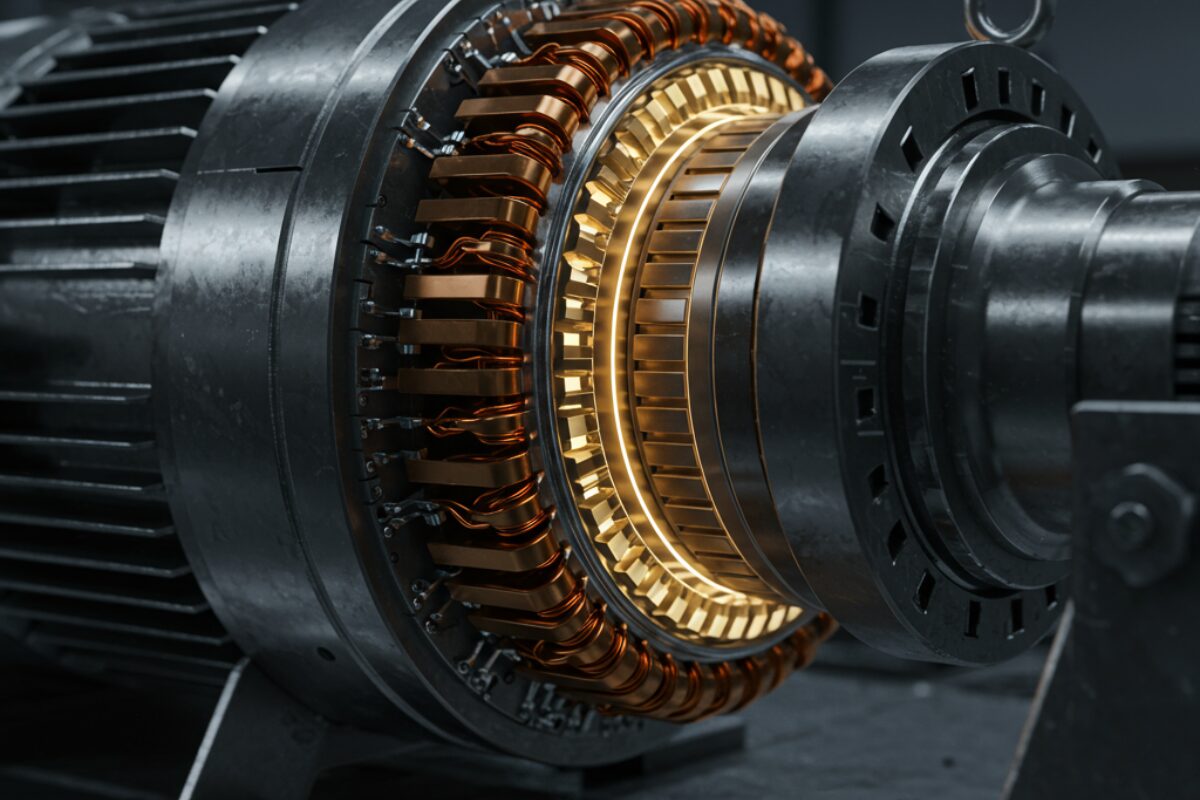
Variable Frequency Drives (VFDs) are sophisticated electronic devices designed to control the speed and torque of electric motors by varying the frequency and voltage supplied to them. At their core, VFDs enable precise motor control, which is foundational in a wide range of modern automation processes. By adjusting the motor’s operating speed, VFDs allow systems to respond dynamically to changing loads and production demands, greatly enhancing operational flexibility.
The basic working principle of a VFD revolves around converting incoming AC power to DC, and then back to AC with adjustable frequency and voltage. This process allows for smooth acceleration and deceleration of motors, minimizing mechanical stress and providing accurate control over machinery. This level of control is especially valuable in applications like conveyor belts, pumps, and fans, where variable speed operation can lead to significant energy savings and improved process performance.
VFDs are integral to both standalone motor control and larger automated systems, often working in tandem with Programmable Logic Controllers (PLCs) to orchestrate complex industrial processes. Whether in a residential HVAC system, a commercial pumping station, or a large-scale manufacturing plant, VFDs play a crucial role in electrical installations by optimizing motor performance, reducing wear, and supporting preventative maintenance strategies. As automation continues to evolve, understanding the basics of VFDs is key for anyone involved in electrical services and industrial operations.
Boosting Efficiency and Precision in Modern Automation
One of the standout benefits of integrating VFDs into automated systems is the significant boost in both efficiency and precision they provide. By allowing for granular control over motor speed, VFDs ensure that machinery operates only as fast as necessary to meet current production requirements. This adaptability is invaluable in industries where demand can fluctuate throughout the day, such as manufacturing lines that ramp up or slow down depending on output needs.
When motors run at optimal speeds instead of constantly operating at maximum output, energy waste is minimized, especially during periods of low activity. This efficiency translates directly into reduced operational costs, as less electricity is consumed and the strain on equipment is lessened. Over time, these savings can be substantial, making VFDs a wise investment for facilities looking to manage expenses and improve their bottom line.
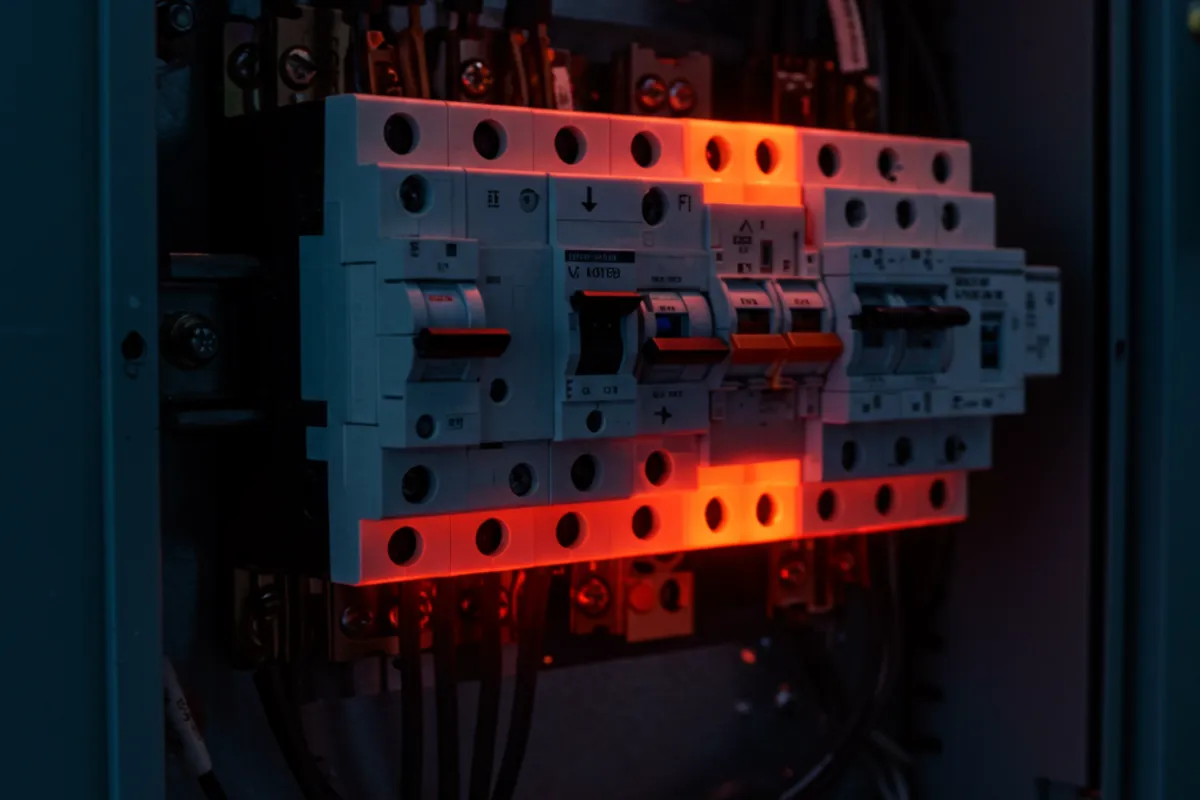
Moreover, by eliminating the harsh mechanical stresses associated with frequent starts and stops, VFDs help extend the lifespan of motors and connected machinery. Smooth acceleration and deceleration mean less wear on moving parts, reducing the frequency and cost of repairs. This is further supported by preventative maintenance practices, such as infrared (IR) scanning, which can detect potential issues early when paired with VFD systems. The precise control and data provided by VFDs empower maintenance teams to keep equipment in peak condition, minimizing unexpected downtime and maximizing productivity.
Driving Sustainability: VFDs and Environmental Impact
As industries worldwide strive for greener operations, VFDs have emerged as a powerful tool for promoting sustainability and reducing environmental impact. By precisely controlling the energy consumed by electric motors, VFDs enable organizations to run processes at only the necessary power levels, significantly cutting down on wasted electricity. This efficiency not only saves money but also helps lower greenhouse gas emissions—an increasingly critical goal in today’s regulatory and social landscape.
Industries are under growing pressure to meet stringent environmental standards and adopt practices that minimize their carbon footprint. VFDs support these efforts by aligning energy use with real-time demand, ensuring that motors are not drawing more power than needed. This smart consumption is crucial for facilities aiming to comply with environmental regulations and demonstrate a commitment to corporate social responsibility.
Integration with renewable energy sources further enhances the environmental benefits of VFDs. In systems powered by solar panels or wind turbines, VFDs can stabilize power delivery and maximize the use of clean energy. By adapting motor operation to the variable output of renewables, VFDs help smooth out fluctuations and ensure reliable performance, making it easier for industries to transition to greener energy supplies.
Beyond compliance, adopting VFDs represents a proactive step toward broader sustainability goals. As environmental stewardship becomes a core value for many organizations, VFDs offer a practical and effective way to reduce ecological impact while supporting operational excellence.
Innovations Transforming VFD Technology: IoT, AI, and Beyond
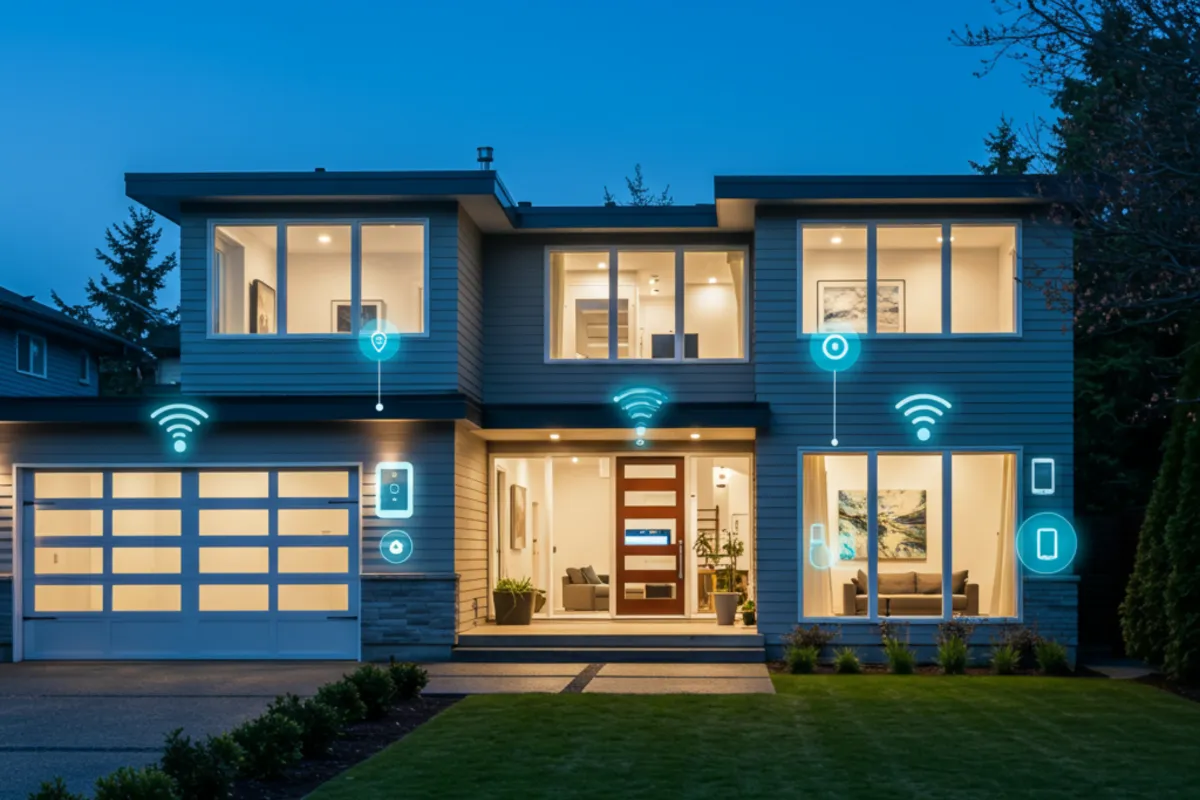
The field of VFD technology is evolving rapidly, driven by advancements that are reshaping the way industries approach automation and motor control. One major development is the integration of the Internet of Things (IoT), which enables VFDs to be connected to centralized control systems for real-time monitoring and remote management. With IoT connectivity, facility managers can track performance data, receive alerts about anomalies, and make adjustments from virtually anywhere, supporting faster decision-making and reducing the need for on-site interventions.
Artificial Intelligence (AI) is another game-changer in the world of VFDs. By leveraging AI-powered predictive analytics, maintenance teams can forecast potential failures before they occur, schedule repairs at optimal times, and minimize unplanned downtime. This not only boosts operational efficiency but also extends the useful life of critical equipment, further maximizing the return on investment.
The physical form of VFDs is also undergoing transformation, thanks to miniaturization and advances in semiconductor technology. Modern VFDs are more compact, efficient, and affordable than ever before, allowing even small and medium-sized enterprises to implement sophisticated motor control solutions without prohibitive costs or space requirements.
These innovations are expanding the range of applications for VFDs, making them accessible across a broader array of industries—from food processing to water treatment to commercial building automation. As technology continues to progress, the capabilities of VFDs will only grow, opening new possibilities for smarter, more responsive electrical systems.
Looking Ahead: The Expanding Role of VFDs in Industrial and Energy Management
Variable Frequency Drives are poised to remain a cornerstone technology in the landscape of industrial automation and energy management. Their proven ability to enhance productivity, drive down operational costs, and support sustainability initiatives ensures they will continue to be indispensable as industries modernize and adapt to new challenges.
With ongoing advancements in connectivity, intelligence, and design, VFDs are set to play an even more influential role across manufacturing plants, commercial facilities, and energy infrastructure. As industries place greater emphasis on data-driven decision-making and efficient resource utilization, VFDs will provide the foundation for smarter processes that can adapt in real time to changing conditions and demands.
In manufacturing, VFDs will help optimize production lines, reduce waste, and streamline operations, while in energy management, they will facilitate the integration of renewables and improve grid stability. Their versatility means that benefits extend far beyond traditional industrial settings, offering value to a wide range of applications and sectors.
For organizations committed to maintaining a competitive edge and meeting the expectations of a rapidly changing world, adopting VFD technology is not just advantageous—it’s essential. By embracing these dynamic tools, industries can ensure their processes are not only efficient and reliable but also aligned with the global shift toward a more sustainable and responsible future.