

If I had to name one electrical service people put off too long, it would be the electrical safety inspection.
That makes sense, in a way. Wiring is hidden. Panels are usually closed. A switch that works today gives you no warning about the loose connection warming up behind the wall. Most electrical problems stay quiet until they become expensive, inconvenient, or dangerous.
An Electrical Safety Inspection is how you catch those problems before they turn into outages, equipment damage, fire risk, or failed compliance checks. It is useful in homes, retail spaces, offices, warehouses, and industrial sites. It also matters during renovations, Tenant Improvement work, and before adding new loads like a charging station, backup generator, or larger HVAC equipment.
This article breaks down what an inspection actually includes, when you should schedule one, and what usually happens after.
What an electrical safety inspection actually is
An electrical safety inspection is a systematic review of an electrical system to check whether it is safe, in good condition, and suitable for current use.
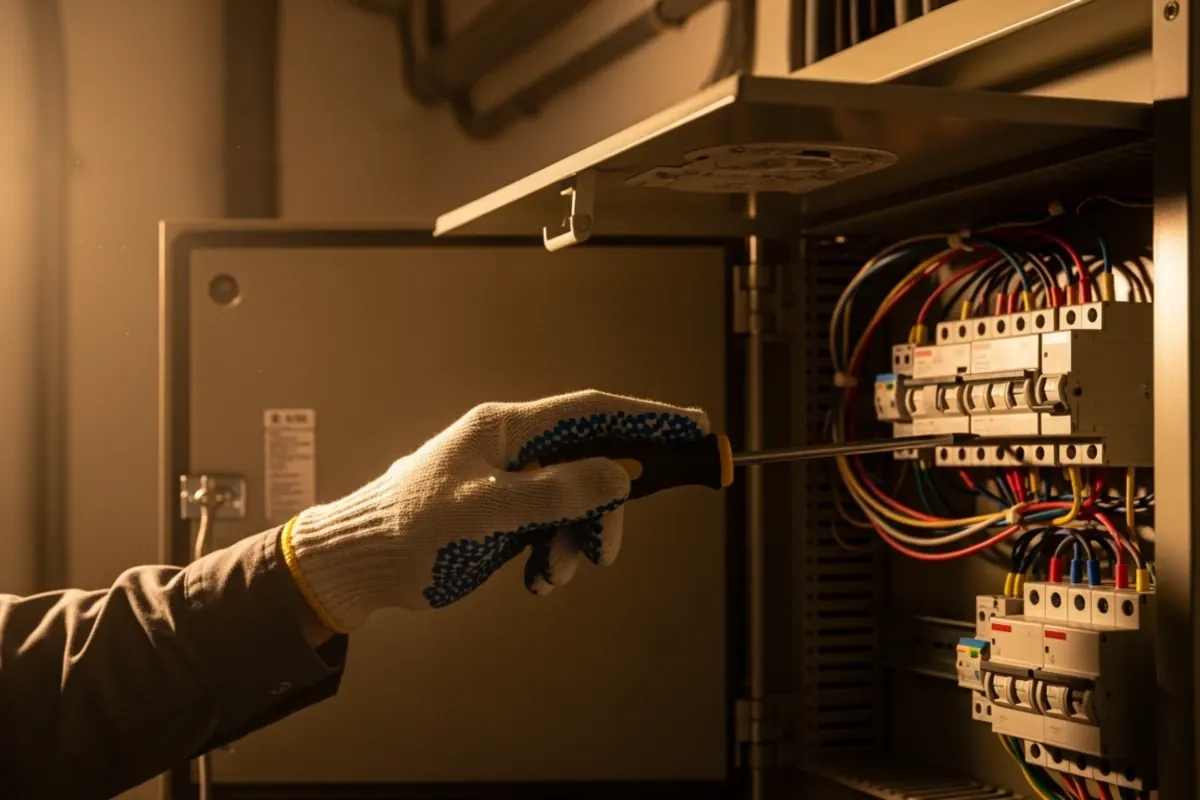
That sounds simple, but the details matter. A proper inspection is not just someone glancing at a panel and saying everything looks fine. It usually involves examining visible wiring, panels, breakers, grounding and bonding, outlets, switches, fixtures, load distribution, protection devices, and any specialty equipment connected to the system.
In commercial and industrial settings, the scope often gets wider. It may include emergency lighting, exit signs, a Fire Alarm system, transformers, disconnects, motor controls, surge protection, an Automatic Transfer Switch, and generator connections. In older spaces, the inspection may also focus on whether past alterations were done properly or whether Electrical Upgrades are now needed to support modern loads.
The goal is not to make the system look perfect on paper. The goal is to answer a more practical question: is this system safe to operate today, and will it safely handle what you expect from it tomorrow?
Why inspections matter more than people think
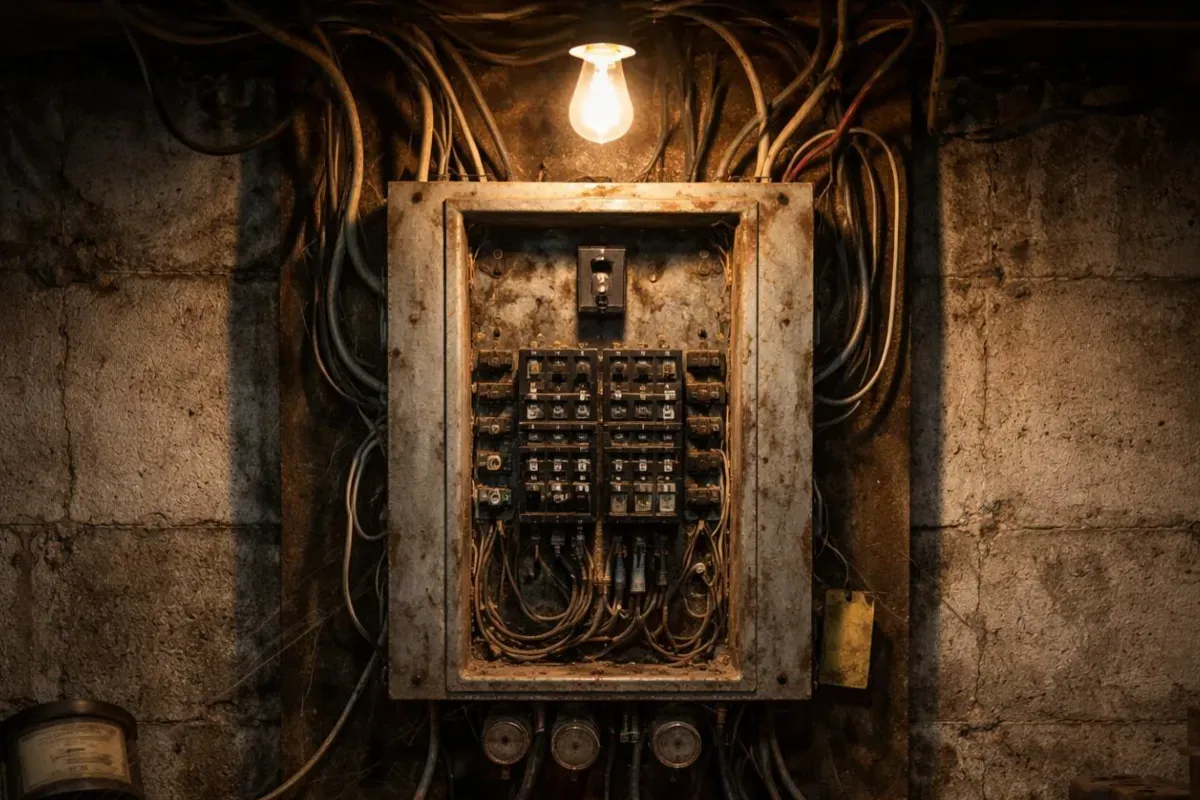
Electrical systems age even when they seem fine. Insulation becomes brittle. Connections loosen with heat cycles and vibration. Panels that were acceptable years ago may now be overloaded because the building has changed.
I think this is where many property owners get tripped up. They picture electrical failure as a dramatic event, sparks and smoke and an obvious emergency. Real life is less cinematic. A lot of risk looks boring at first:
- a breaker that trips “once in a while”
- a warm receptacle
- lights that dim when equipment starts
- extension cords doing work that permanent wiring should handle
- a panel directory that no longer matches reality
Those are not small quirks. They are clues.
For homeowners, inspections can uncover outdated wiring, missing GFCI or AFCI protection, overloaded circuits, grounding problems, and unsafe DIY work. For businesses, inspections can reduce downtime, help with insurance requirements, and flag hazards before they affect staff or customers. In industrial settings, the stakes are even higher because electrical faults can damage expensive equipment and stop operations fast.
There is also the code and compliance side. Renovations, change of use, equipment additions, and permit-related work often trigger the need for review. If you are planning wiring upgrades, a Lighting upgrade, or a charging station, starting with an inspection can save time and rework later.
When you should book an inspection
Some inspections are routine. Others are triggered by a specific event. If any of the situations below sound familiar, it is probably time.
- You bought or leased an older property.
Older buildings often have a long history of repairs, add-ons, and quick fixes. You want to know what you are inheriting. - You are renovating or doing Tenant Improvement work.
New walls, new layouts, and new equipment change electrical demand. This is often when hidden issues show up. - Your electrical use has grown.
More computers, larger appliances, EV charging, added HVAC, commercial kitchen equipment, or production machinery can push old systems past their comfort zone. - You notice warning signs.
Flickering lights, frequent breaker trips, buzzing, burning smells, discolored outlets, shocks, or warm panels should never be ignored. - You are installing specialty equipment.
A transformer installation, charging station, backup generator, or Automatic Transfer Switch should be tied into a system that has been properly assessed. - The building has been vacant for a while.
A property that sat unused may have moisture issues, corrosion, pest damage, or unreported electrical deterioration. - You have never had one.
This is more common than people admit.
What an inspector usually checks
The exact scope depends on the building type and the reason for the visit, but most inspections cover a core set of items.
Service entrance and main distribution
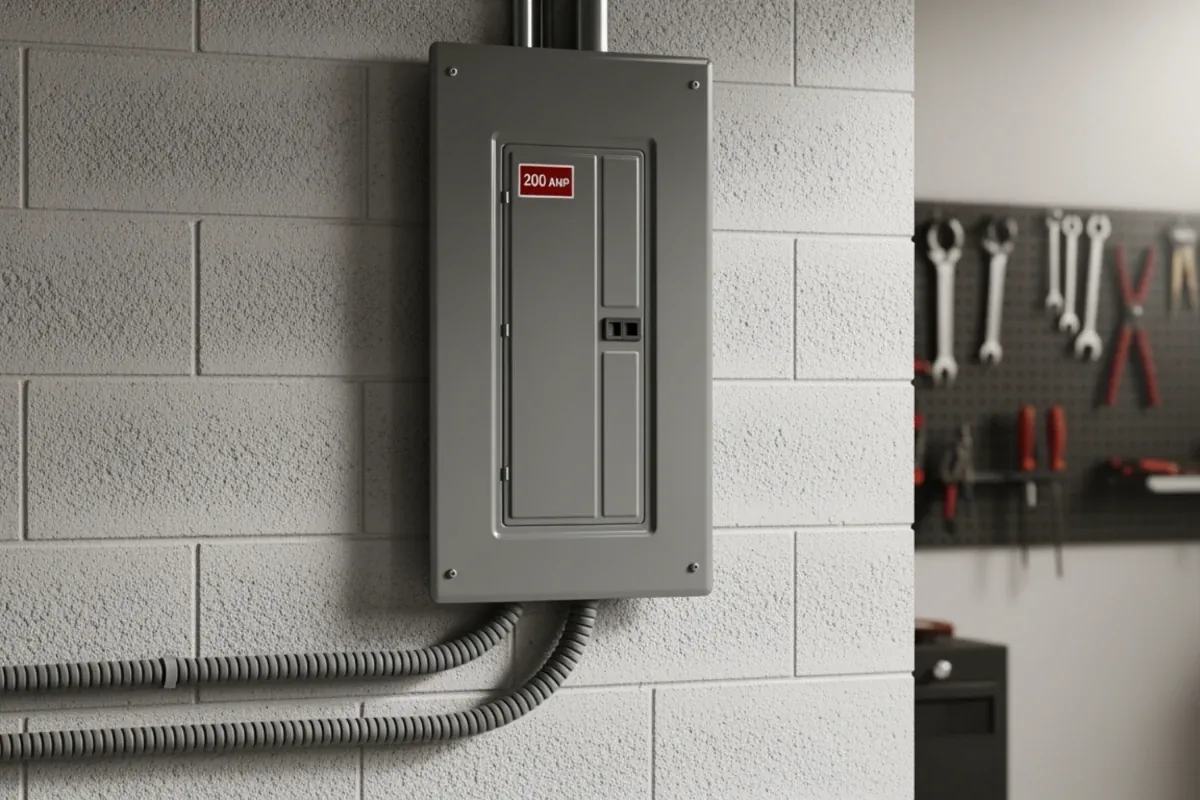
This starts at the source. The inspector looks at the service equipment, main disconnect, meter connection area where accessible, panel condition, available capacity, breaker sizing, labeling, and signs of overheating or corrosion.
In plain language, they are asking whether the system is fed properly and whether the main distribution setup makes sense for the loads it serves.
In many properties, this is where the case for Electrical Upgrades becomes clear. A building that once handled a few lights and small appliances may now be expected to support air conditioning, office equipment, security systems, refrigeration, or EV charging. The old service may still “work,” but that is not the same as being adequate.
Branch circuits, wiring, and devices
Inspectors check visible conductors, cable protection, junction boxes, splices, receptacles, switches, and fixture connections. They look for damaged insulation, open knockouts, improper wire sizing, double-tapped breakers where they are not allowed, loose devices, and signs of amateur work.
This is where wiring upgrades often enter the conversation. You may have circuits that were extended too many times, mixed wiring methods, or older materials that should be replaced. Again, none of this has to look dramatic to be a problem.
Grounding and bonding
Grounding and bonding are easy to overlook because they are not part of daily use. You do not flip a grounding conductor on and off. But they matter a lot in fault conditions.
An inspection checks whether grounding and bonding are present, intact, and appropriate. Poor grounding can affect safety, equipment performance, and surge response. In commercial and industrial buildings with sensitive electronics or larger machinery, these issues are especially worth catching early.
Protective devices
Breakers, fuses, GFCIs, AFCIs, surge protection, disconnects, and emergency shutoffs all fall into this category. The point is to confirm that protective devices are installed where needed and are suitable for the actual use of the circuit.
A breaker that never trips is not always a good sign. Sometimes it means the breaker is oversized for the conductor, which is the opposite of safe.
Lighting and emergency systems
A Lighting upgrade often focuses on efficiency, but safety has to come first. During inspection, fixtures, controls, emergency lighting, exit signs, and related circuits may be reviewed for proper installation and operation.
In commercial spaces, poor lighting is not just annoying. It can create trip hazards, reduce visibility around panels and equipment, and affect emergency egress. When buildings are being updated, it makes sense to treat lighting as part of the broader electrical picture rather than a cosmetic add-on.
Fire alarm and life safety equipment
If the property includes a Fire Alarm system, inspection may involve checking visible components, power supply arrangements, dedicated circuits, and signs that the system has been altered without proper coordination. Full fire alarm testing is a specialized task, but basic electrical safety review still matters because these systems depend on reliable power.
This is one area where shortcuts are a bad bet. Life safety systems need clean installation, proper circuiting, and clear documentation.
Specialty equipment and backup power
In larger commercial or industrial properties, inspections often extend to equipment that ordinary building owners do not think about much until something fails. That can include transformer installation setups, distribution to mechanical systems, motor loads, generator interconnection, and Automatic Transfer Switch equipment.
These parts of the system deserve respect. A problem here can affect far more than one room or one outlet. It can shut down part of a facility.
EV charging and newer loads
A charging station is a good example of how modern electrical demand is changing buildings. EV chargers add significant load and sometimes expose old capacity issues that were already there. The same goes for heat pumps, data equipment, and upgraded kitchen or manufacturing gear.
An inspection helps determine whether the panel, feeder, and branch circuits can support the addition safely, or whether General Electrical services and upgrades need to happen first.
Common problems found during inspections
A lot of findings repeat from one property to the next. The details change, but the themes are familiar.
One common issue is overloaded circuits. This shows up in homes with too many high-draw appliances on old circuits, and in commercial spaces where layouts changed over time but the electrical distribution did not.
Another is improper modifications. Someone adds a receptacle, extends lighting, relocates a partition, or installs equipment without fully reworking the electrical system. Years later, nobody remembers what was changed.
Then there is aging equipment. Old panels, worn breakers, cracked insulation, obsolete devices, and corroded connections are not rare. Neither are missing safety features, especially in older properties that have never been brought closer to current expectations.
And yes, inspectors do find poor labeling all the time. It sounds minor until you need to isolate a circuit in a hurry.
How to prepare for an inspection
You do not need to do much, but a little preparation helps the process go faster and makes the findings more useful.
- Make sure panels, disconnects, and major equipment are accessible.
- Gather any past permits, repair records, or equipment manuals you have.
- Write down symptoms you have noticed, even if they seem inconsistent.
- If the property has had renovations or Tenant Improvement work, note what changed and when.
That last point matters. A building tells a story through its alterations. If an inspector knows a space was once a warehouse, then became offices, then got split into tenant units, that context helps.
What happens after the inspection
A good inspection should leave you with a clear picture, not a vague warning.
Usually, the next step is a report or summary of findings. Some issues will be immediate safety concerns that should be corrected right away. Others may be lower-risk items that still deserve attention, especially if you are planning renovations or load additions.
The fixes might be simple. Replacing damaged devices, tightening connections, correcting labeling, or cleaning up obvious code issues can sometimes solve a lot. In other cases, the inspection points toward bigger work:
- wiring upgrades
- panel replacement
- service expansion
- a Lighting upgrade tied to circuit improvements
- dedicated circuits for equipment
- corrections related to fire alarm power supply
- infrastructure for backup power or a charging station
This is also where people sometimes realize that “repair” and “upgrade” are not the same thing. Repair brings something back to proper condition. Upgrade changes capacity or capability. Both are useful, but they solve different problems.
Residential, commercial, and industrial inspections are not identical
It is tempting to think an electrical system is an electrical system. That is partly true. Basic safety principles do not change. But the inspection priorities do.
In a home, the focus is often on occupant safety, aging wiring, kitchens and bathrooms, outdoor circuits, panel condition, and the effect of newer appliances or EV charging.
In a commercial building, inspections tend to pay more attention to tenant alterations, emergency lighting, signage, equipment loads, public-facing areas, and whether the system still matches the current business use.
In an industrial setting, the conversation gets more serious, more technical, and usually more expensive if problems are ignored. Load balancing, motor controls, fault protection, distribution equipment, grounding quality, transformers, and backup transfer equipment become a bigger part of the picture.
That is one reason General Electrical services need to be tailored to the site. A small office and a production floor should not be assessed the same way.
A final thought: inspections are cheaper than surprises
People rarely regret finding a problem early.
They do regret the opposite. The breaker that kept tripping before a busy weekend. The old panel that could not support a renovation after the drywall was already open. The charging station that needed more capacity than expected. The hidden fault that turned into downtime or smoke.
An Electrical Safety Inspection is not glamorous. It does not give you the same visible payoff as new lighting or a renovated tenant space. But it is the work that makes those improvements safe and sustainable.
If your property is older, changing, expanding, or showing even mild electrical warning signs, an inspection is a sensible place to start. It gives you facts. It helps you plan. Most of all, it lowers the odds that your next electrical issue will arrive at the worst possible time.