

Why Prompt Electrical Repairs Matter for Home Safety
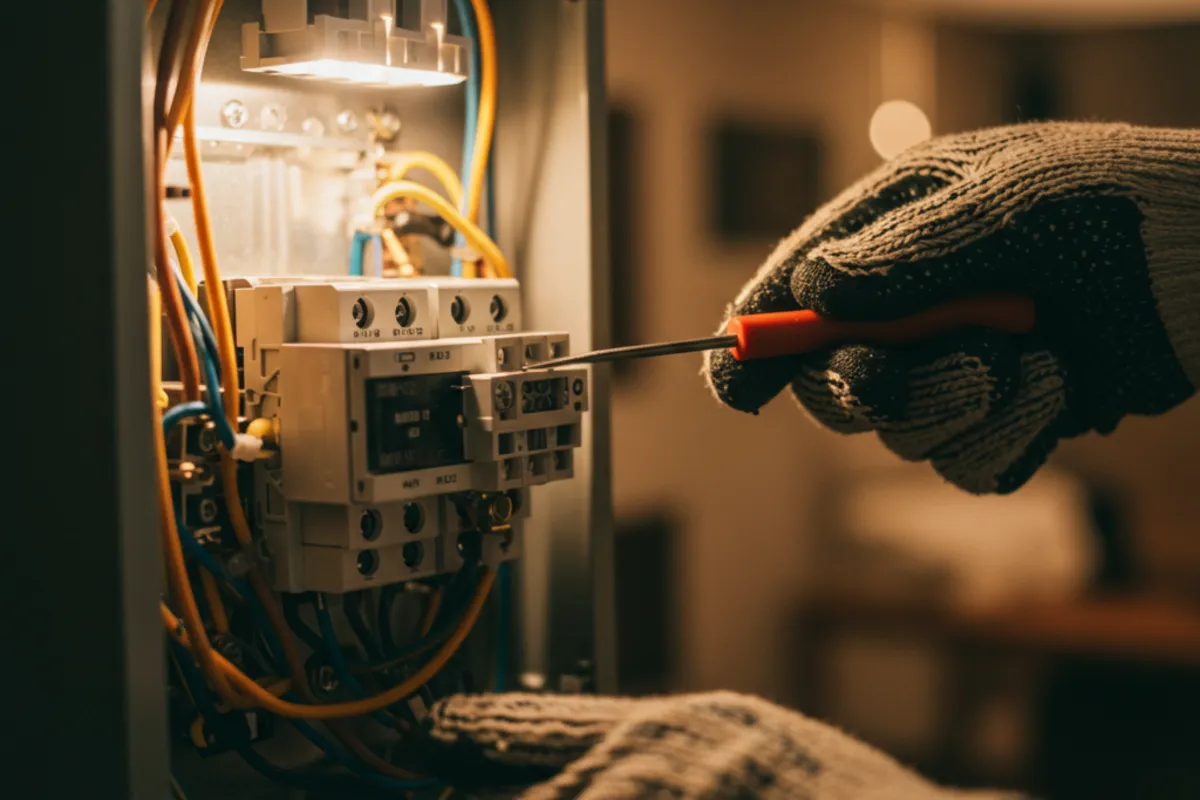
Electrical problems in the home are more than just minor inconveniences—they can be the first sign of potentially dangerous hazards. Ignoring flickering lights or sparking outlets may seem harmless, but such issues often indicate deeper problems within your home’s wiring or electrical systems. Delaying repairs can allow these issues to worsen, eventually leading to more serious consequences such as electrical fires or hazardous electric shocks.
Early diagnosis and intervention are crucial to keeping your home safe. When small problems are addressed promptly, they’re less likely to compromise the integrity of your electrical system. For instance, a single faulty switch can be addressed quickly, preventing it from affecting other parts of the circuit or causing a short that might lead to a fire.
Timely repairs also offer cost benefits. Fixing a minor issue is usually much less expensive than addressing major electrical damage, which might require extensive rewiring or replacement of appliances. Moreover, a well-maintained electrical system operates more efficiently, reducing energy waste and utility bills.
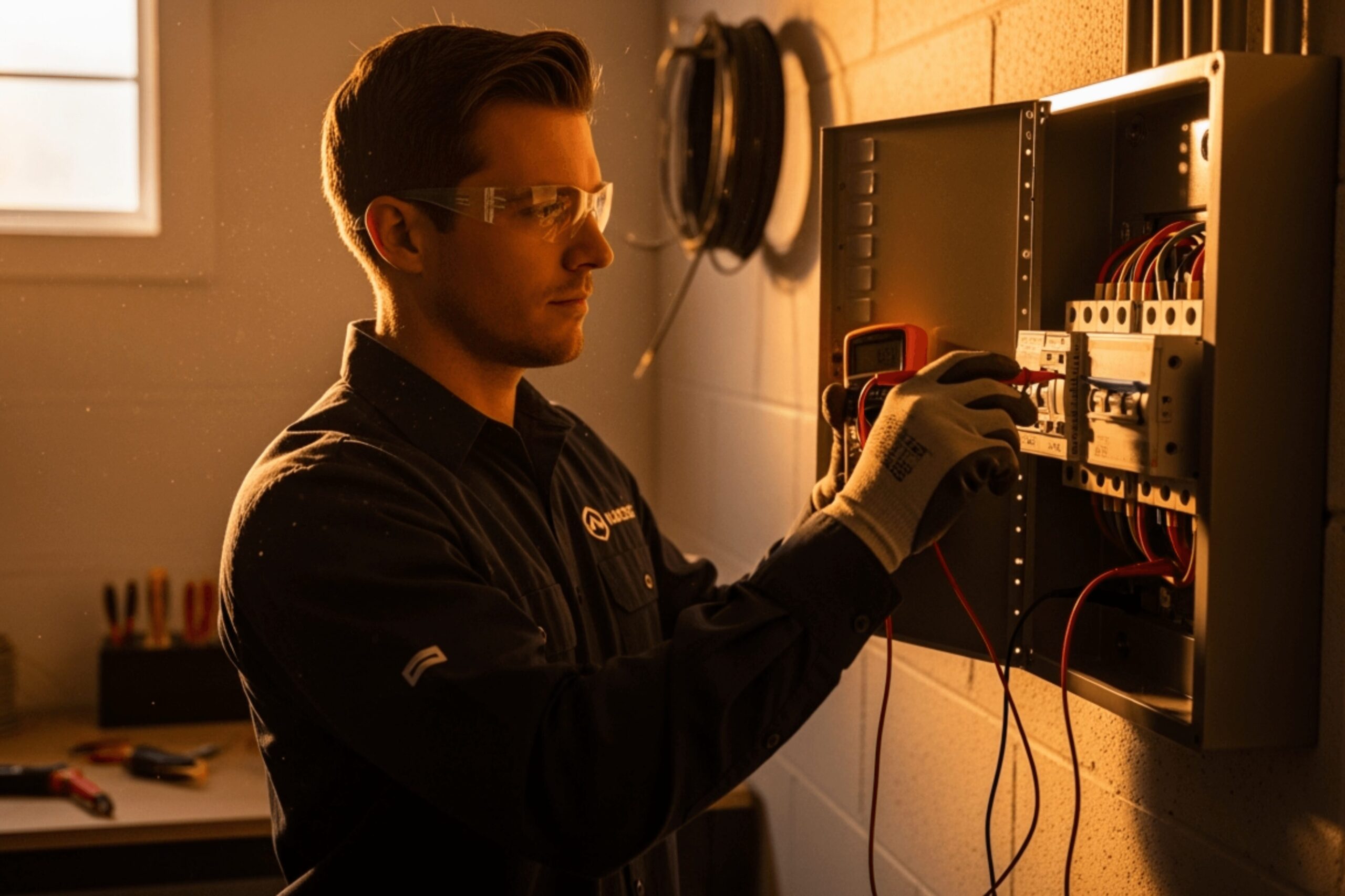
It’s important to recognize that while some minor repairs—such as changing a light bulb—can be handled safely by homeowners, persistent or complex electrical problems should always be assessed by a professional. Licensed electricians have the expertise to identify underlying risks and ensure repairs are completed according to current safety standards, safeguarding both your home and its occupants.
Spotting and Solving Common Lighting Issues
Lighting problems are among the most noticeable electrical issues in any home. Flickering lights, for example, can be both annoying and indicative of deeper electrical concerns. The most common causes of flickering or dimming lights include loose light bulbs, faulty fixtures, or switches that have worn out over time. In some cases, a problematic light can be traced to an overloaded circuit, where too many devices are drawing power simultaneously.
Start your troubleshooting by checking the simplest solutions first. Ensure the light bulb is properly screwed in, and replace it if it’s old or burnt out. If the problem persists, inspect the light switch for any signs of wear or damage. Sometimes, a faulty switch can interrupt the flow of electricity, leading to inconsistent lighting performance.
If you’ve addressed bulbs and switches but still experience flickering, the issue may lie within the wiring or the electrical circuit itself. Overloaded circuits, in which too many devices are plugged into a single outlet or power strip, can cause lights to dim or flicker when other appliances are in use. Redistribute the load by unplugging unnecessary devices or using outlets on different circuits.
Persistent lighting problems—especially those accompanied by buzzing sounds, burning smells, or visible damage—should be taken seriously. These may indicate loose or frayed wires, which are significant fire hazards. In such cases, it’s safest to turn off the affected circuit at your electrical panel and call a professional electrician to diagnose and repair the issue.
Understanding and Preventing Electrical Circuit Overloads
Electrical circuit overloads are a frequent concern in both older and newer homes, especially as the demand for power-hungry devices increases. An overloaded circuit occurs when the total electrical demand exceeds the circuit’s safe capacity, causing the circuit breaker to trip or, in worse cases, wires to overheat. Signs of an overloaded circuit include frequently tripped breakers, buzzing outlets, or warm wall plates.
One of the most common causes of overloads is plugging too many appliances or devices into a single outlet or power strip. This is particularly true in rooms like kitchens or home offices, where multiple high-wattage devices—such as microwaves, computers, or portable heaters—may be used simultaneously.
Preventing overloads starts with understanding your home’s electrical layout. Pay attention to which outlets are connected to the same circuit, and avoid using power-hungry devices together on a single line. Redistributing devices to different circuits can help balance the load and reduce the risk of tripping breakers. For households with high electrical demands, it may be wise to consider adding dedicated circuits for major appliances, ensuring each has the capacity it needs.
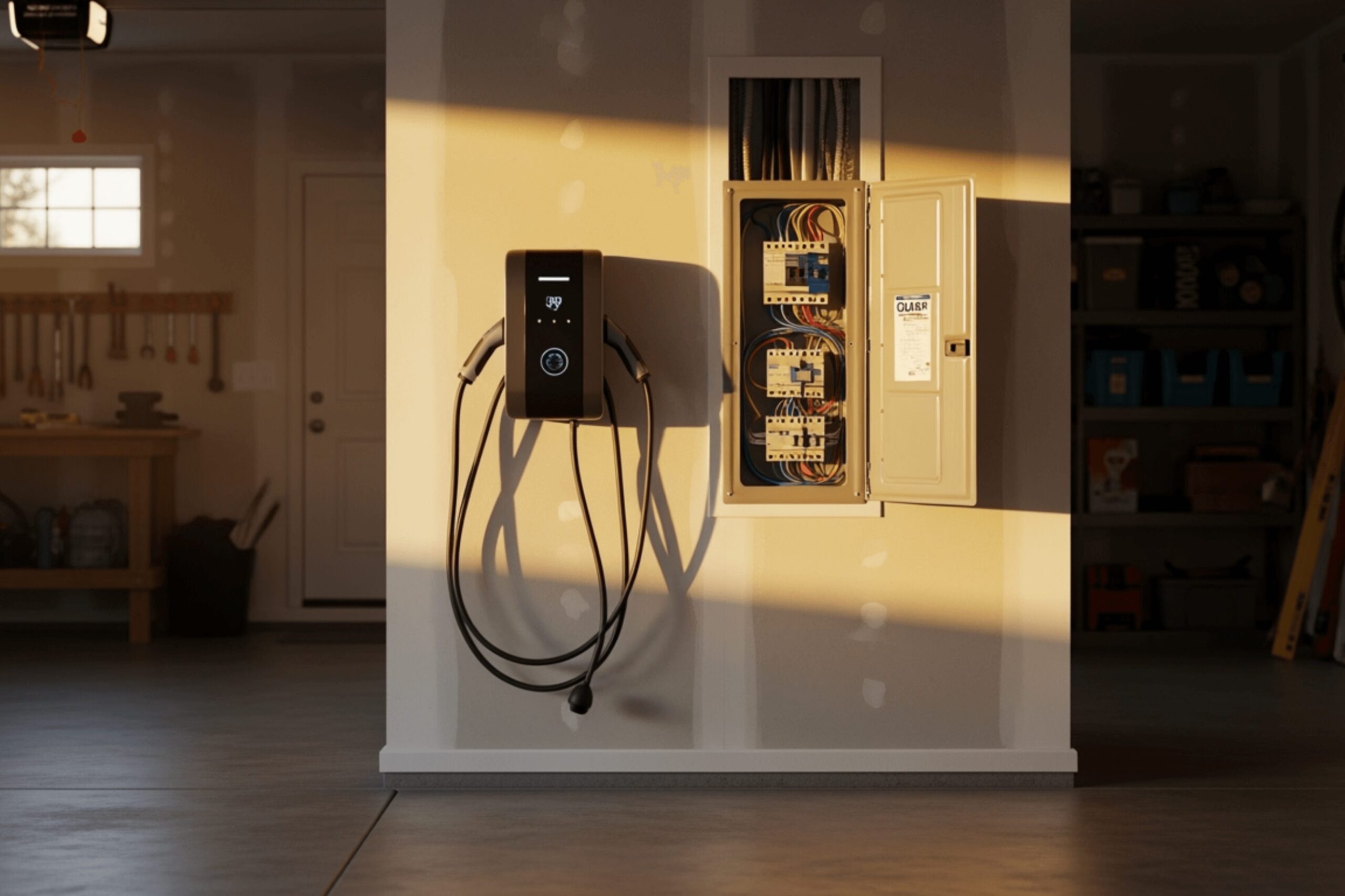
Older homes, in particular, may not be equipped to handle modern electrical loads. If you’re planning a renovation or installing new systems—such as EV chargers, heat pumps, or air conditioning units—it’s essential to have your electrical panel and wiring assessed by a professional. Upgrading your panel and wiring not only prevents overloads but also enhances overall safety and system reliability, keeping your home’s electrical infrastructure up to date.
Protecting Your Home from Power Surges
Power surges are sudden spikes in voltage that can damage or destroy your home’s electrical devices and wiring. These surges can originate from a variety of sources, including lightning strikes during thunderstorms, faulty or aging appliances, or fluctuations and issues within the local electrical grid. Even minor surges, if repeated over time, can degrade sensitive electronics and shorten the lifespan of appliances.
The risks associated with power surges extend beyond inconvenience; they can result in costly repairs or replacement of expensive equipment, from computers and televisions to HVAC systems and kitchen appliances. In severe cases, power surges can also compromise the safety of your home’s electrical wiring, increasing the risk of electrical fires.
To protect your home, installing surge protection devices is a smart investment. There are two main types: whole-home surge protectors, which are installed at the main electrical panel to guard your entire system, and point-of-use protectors, such as power strips with built-in surge suppression, designed to safeguard specific devices. For maximum protection, a layered approach using both types is often recommended.
In addition to installing surge protection, it’s wise to unplug sensitive electronics during major storms or when you notice electrical anomalies. Regularly inspect appliances and replace any that show signs of malfunction, as defective devices can introduce surges into your system. By taking these steps, you significantly reduce the risk of surge-related damage and help maintain the safety and reliability of your home’s electrical infrastructure.
Ensuring Long-Term Electrical Safety in Renovations and Upgrades
Home renovations and upgrades present an excellent opportunity to enhance electrical safety and efficiency. Whether you’re adding new lighting, installing an EV charger, or integrating a heat pump or air conditioning system, these projects often require adjustments to your home’s electrical infrastructure. Failing to address underlying electrical needs during renovations can lead to overloaded circuits, increased fire hazards, and non-compliance with current safety codes.
A key aspect of any upgrade is ensuring your electrical panel and wiring can handle the increased demands. Older panels may lack the capacity required for modern appliances and systems, making a panel upgrade essential for both safety and performance. Similarly, replacing outdated wiring reduces the risk of short circuits and improves overall system reliability.
Professional electricians play a critical role in this process. They can assess your current system, recommend appropriate upgrades, and ensure all work is performed in accordance with local codes and safety standards. Their expertise is invaluable in integrating new technologies—such as EV chargers or smart lighting—while maintaining the integrity of your home’s electrical network.
Finally, long-term electrical safety depends on ongoing maintenance. Schedule regular inspections, especially after completing major renovations, to identify and resolve emerging issues before they become serious hazards. Stay vigilant for warning signs like tripped breakers, flickering lights, or unusual odors, and never attempt complex repairs on your own. By prioritizing safety during renovations and throughout the life of your home, you help ensure comfort, efficiency, and peace of mind for years to come.