

Understanding Common Electrical Issues and Their Causes
Electrical problems are among the most common—and potentially dangerous—issues faced by property owners. Whether in a home, office, or industrial setting, understanding the root causes of electrical faults is critical to maintaining both safety and functionality.
One major culprit is the natural aging of electrical components. Over time, wires, switches, and outlets deteriorate, increasing the likelihood of malfunctions such as short circuits, power outages, and even electrical fires. Outdated wiring, particularly aluminum wiring installed in older buildings, presents a unique set of challenges. Aluminum wire, while once popular, is far more susceptible to corrosion and overheating than modern copper alternatives, making it a recognized fire risk.
Another common source of electrical issues stems from errors made during previous repairs. DIY fixes or work completed by unqualified individuals may not meet code requirements, leaving behind hidden dangers such as loose connections or overloaded circuits. These concealed problems can simmer unnoticed, only to surface as major hazards down the road.
Furthermore, as our reliance on technology grows, so does our demand for electricity. Modern households and businesses often exceed the capacity of electrical systems designed decades ago. This increased load can overwhelm existing breaker boxes and panels, resulting in frequent tripping, power loss, and the need for system upgrades.
By recognizing these primary causes—aging infrastructure, outdated materials, subpar repairs, and increased electrical demand—property owners can take proactive steps to safeguard their spaces and ensure uninterrupted, safe power.
Essential Steps in Electrical Troubleshooting for Homes and Businesses
Effective electrical troubleshooting requires a systematic approach to identify and resolve the underlying causes of malfunctions. Whether dealing with a residence, office, or industrial facility, the first and most crucial step is a thorough inspection. Professional electricians are trained to meticulously examine every aspect of an electrical system before carrying out any repairs.
This inspection involves assessing the condition of electrical components, such as outlets, switches, and circuit breakers, along with the wiring and all connections. A careful evaluation helps uncover both existing faults and potential hazards that could develop into more serious problems over time. Special attention is given to high-risk areas like bathrooms, kitchens, bedrooms, and outdoor spaces, where moisture and environmental factors can accelerate wear.
A frequent troubleshooting task is diagnosing issues with Ground Fault Circuit Interrupter (GFCI) outlets. These specialized plugs protect against electric shocks in areas prone to water exposure. When GFCIs fail, they often signal deeper wiring or grounding problems that require expert analysis. Similarly, electric heating systems—integral to comfort in many Canadian homes and businesses—demand careful assessment to pinpoint issues such as faulty thermostats, broken elements, or compromised wiring.
Lighting problems, such as flickering fixtures or dead bulbs, can also indicate wiring or circuit issues. Detail-oriented troubleshooting ensures no stone is left unturned, reducing the risk of overlooked faults that could later result in accidents or damage. By following a methodical troubleshooting process, property owners and professionals alike can resolve current issues while preventing future electrical failures.
Key Repair Solutions: From Faulty Wiring to Panel Upgrades
Once electrical issues are accurately diagnosed, the next step is implementing effective repair solutions. Electrical repairs can range from simple fixes to complex system overhauls, each requiring precise execution to ensure lasting safety and functionality.
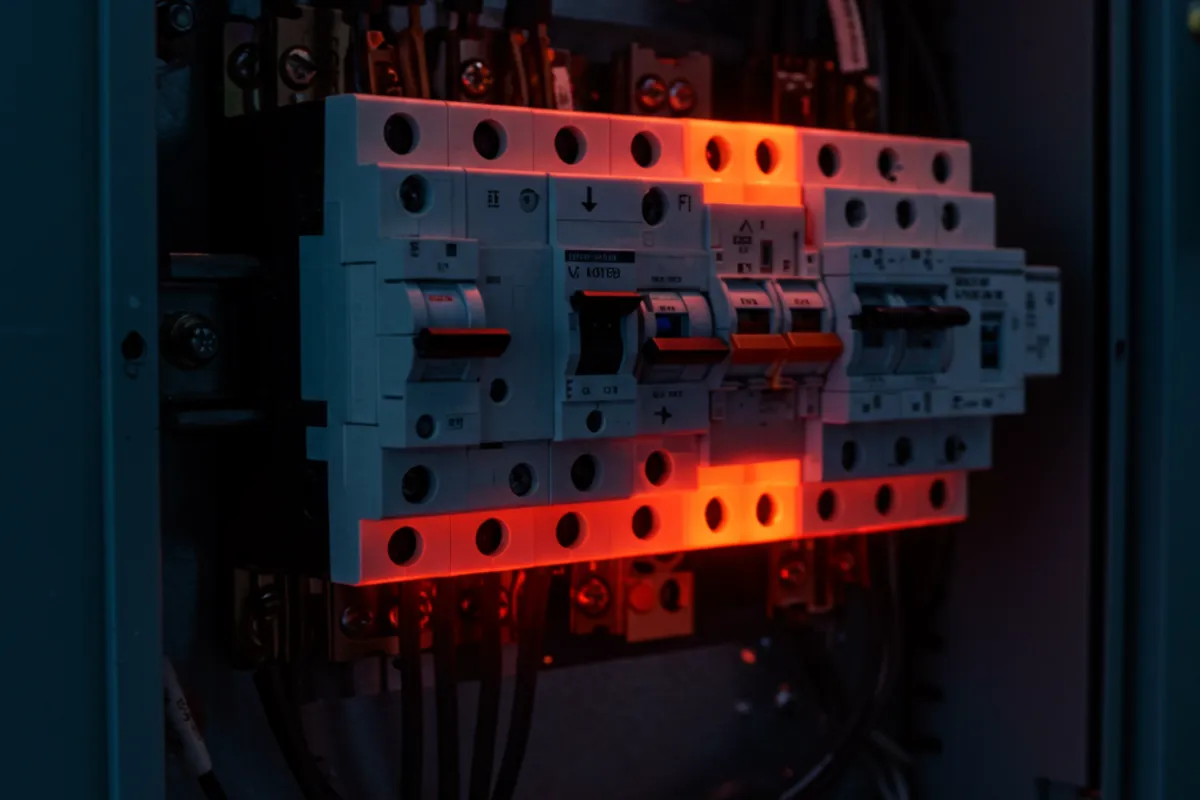
One of the most common repairs involves addressing faulty wiring. Damaged or loose wires can lead to intermittent power loss, sparking, or even fires. Repairing or replacing these wires restores the integrity of the electrical system and reduces the risk of dangerous incidents. Similarly, circuit breakers—designed to protect electrical circuits from overload—may frequently trip or fail due to underlying faults. Professional repair or replacement of these breakers is essential to restore stable power distribution.
In many cases, older homes and businesses require upgrades to their electrical panels or breaker boxes. As electrical demands rise due to modern appliances, EV chargers, and HVAC systems like heat pumps and air conditioners, outdated panels may no longer suffice. Upgrading these panels not only prevents overloads but also improves energy efficiency and accommodates future expansions.
Other frequent repairs include resolving flickering lights, which can be symptomatic of loose connections, faulty fixtures, or voltage fluctuations. Addressing such issues promptly helps maintain consistent lighting and prevents further electrical faults. Whether the problem is minor or major, each repair contributes to the overall safety and reliability of the property’s electrical infrastructure.
Ensuring Safety and Efficiency in Electrical Systems
Safety is the cornerstone of every well-maintained electrical system. Regular professional inspections and repairs performed according to current codes are vital to protecting both people and property. These safety measures not only address existing problems but also preempt future hazards, such as electrical fires or shocks.
Routine maintenance plays a pivotal role in minimizing risks. Tasks such as tightening loose connections, replacing worn-out wires, and testing safety devices like circuit breakers and GFCI outlets should be performed regularly. For properties undergoing general renovation or increased electrical usage—such as adding lighting, installing electric vehicle (EV) chargers, or upgrading heating and air conditioning systems—it is essential to ensure that the existing infrastructure can handle the new load. Upgrading panels and service capacity allows for safer, more efficient power distribution, reducing the likelihood of overloads and blackouts.
Safety considerations apply across all property types, from homes to large commercial and industrial spaces. Each environment presents unique challenges, but the principles remain the same: maintain equipment, adhere to safety standards, and stay vigilant for early warning signs of trouble, such as frequent breaker trips or unexplained power fluctuations.
Educating property owners and occupants about these preventive strategies empowers them to act quickly at the first sign of trouble. Recognizing the importance of timely repairs and upgrades is key to creating a secure, energy-efficient environment for everyone.
Choosing Skilled Professionals for Your Electrical Needs
Selecting the right professionals for electrical troubleshooting and repairs is a critical decision that impacts the safety, reliability, and longevity of your property’s electrical system. Licensed, bonded, and insured electricians adhere to strict safety standards, giving property owners confidence that all work will be performed correctly and in compliance with local regulations.
Expert technicians possess the knowledge and training to diagnose even the most complex electrical problems. Their advanced troubleshooting skills allow for accurate identification of faults, from wiring issues to panel malfunctions, ensuring that no underlying problems are missed. Additionally, professional electricians maintain a strong commitment to safety, utilizing best practices and up-to-date tools to prevent accidents during and after repairs.
Clear and informative communication is another hallmark of skilled professionals. They explain the scope of work, answer questions, and provide recommendations to keep clients informed and at ease throughout the repair process. Well-equipped service vehicles allow electricians to address most issues on the spot, minimizing downtime and restoring power efficiently.
Ultimately, hiring qualified professionals provides peace of mind, knowing that your electrical system is in capable hands. This not only resolves current issues but also lays the foundation for safe, reliable, and future-ready electrical infrastructure for homes, businesses, and industrial facilities alike.