

Understanding Electrical Challenges in Rental Properties
Electrical systems in rental properties are frequently a source of concern for both tenants and landlords. These issues range from minor inconveniences like flickering lights to severe hazards such as burning smells or sparking outlets. For tenants, electrical problems can disrupt daily routines and pose significant safety risks. For landlords, failing to address these concerns promptly can result in property damage, decreased property value, and even legal ramifications if tenants’ safety is compromised.
Older rental buildings are particularly susceptible to electrical issues, often due to wiring that no longer meets modern safety standards or the demands of today’s high-powered appliances and electronics. The lack of sufficient outlets, outdated circuit breakers, and worn-out components further compound the problem. This dynamic creates a pressing need for both parties to understand their roles: tenants must report problems promptly and avoid unsafe practices, while landlords should ensure that the property’s electrical system is regularly inspected and maintained.
Ultimately, effective communication and swift action are crucial. Recognizing the most common electrical problems in rentals—and knowing how to address them—can safeguard both lives and investments. In the following sections, we’ll explore the top electrical issues encountered in rental properties and provide actionable solutions for both tenants and landlords.
Frequent Tripped Circuit Breakers: Causes and Solutions
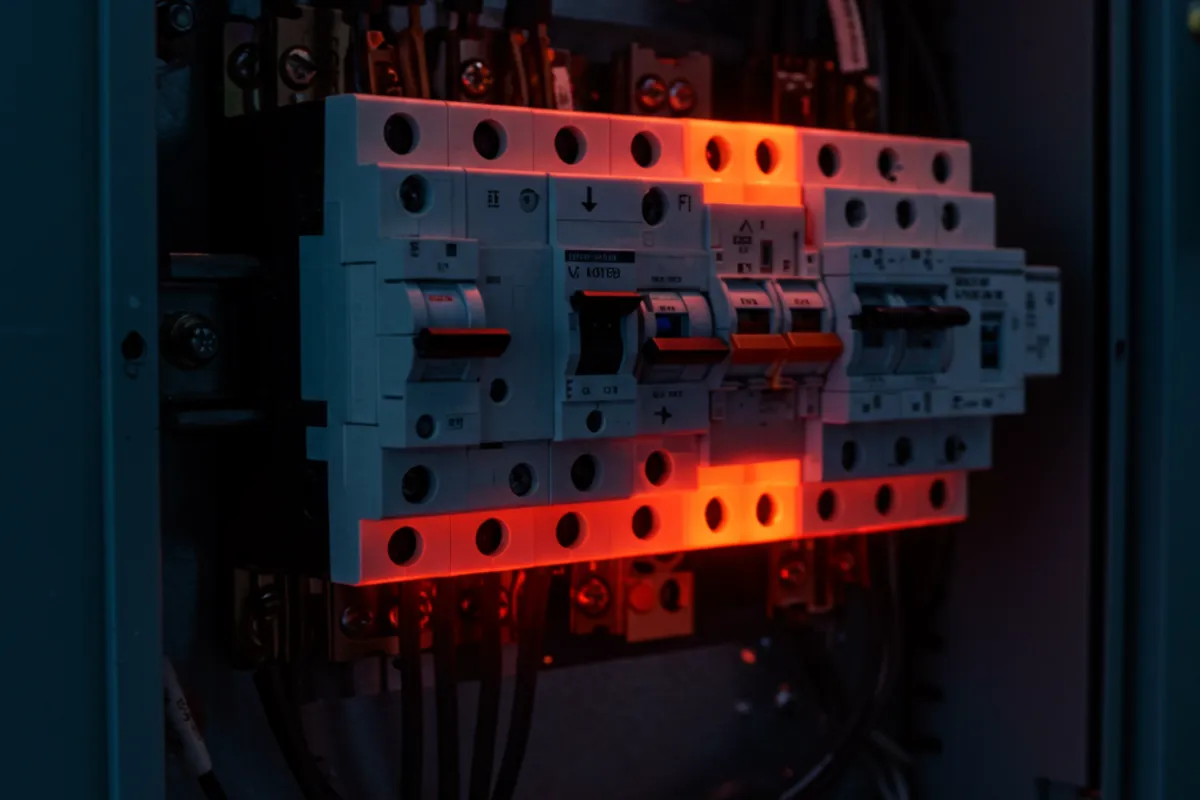
One of the most prevalent electrical problems in rental properties is the frequent tripping of circuit breakers. This issue typically arises when too many high-energy appliances—such as microwaves, heaters, or hairdryers—are plugged into the same circuit. When a circuit is overloaded, the breaker is designed to trip as a protective measure, cutting off power to prevent overheating and potential fires.
For tenants, the first step is to identify which appliances are sharing a circuit and avoid using them simultaneously. Redistributing devices across different outlets, especially those located in separate rooms, can significantly reduce the risk of overloading. It’s also wise to avoid daisy-chaining multiple power strips, as this can further stress the system.
However, if circuit breakers continue to trip even after appliances are spread out, it signals a deeper issue. For landlords, this is a clear indication that the property’s electrical system may not be equipped to handle modern energy demands. Hiring a licensed electrician to assess the panel and wiring is essential. Upgrading the circuit breakers or even the entire panel can resolve persistent issues and ensure the safety and satisfaction of current and future tenants.
By addressing overloaded circuits proactively, both tenants and landlords contribute to a safer living environment and help prevent more serious electrical hazards down the line.
Dealing with Flickering Lights, Faulty Outlets, and Outlet Shortages
Flickering or dim lights can be both annoying and concerning, frequently signaling loose connections or aging wiring—issues that are particularly common in older rental properties. If a single light flickers, it may be an isolated problem with the fixture or bulb. However, widespread flickering throughout a unit often points to deeper electrical faults that require prompt attention.
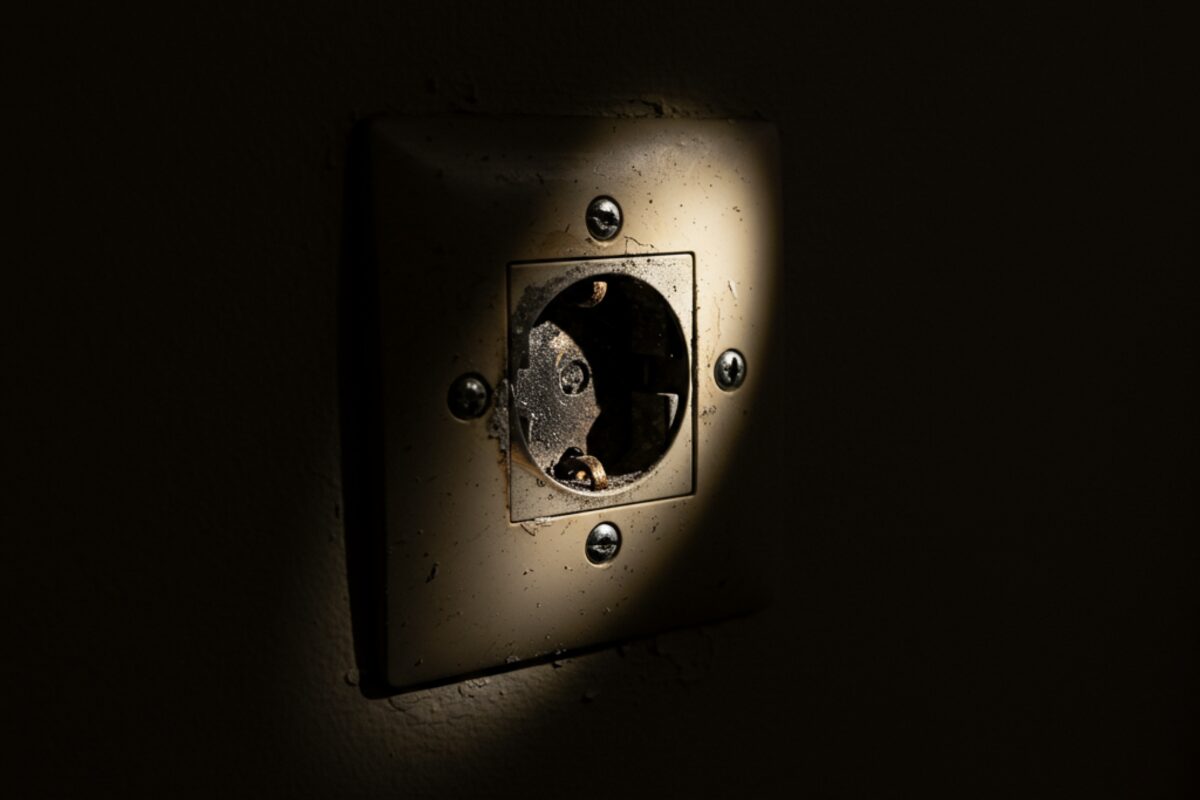
Faulty outlets are another prevalent concern. Outlets that are loose, discolored, or emit sparks should never be ignored, as they may indicate underlying wiring problems that could escalate into electrical fires. Tenants should avoid using problematic outlets and report them immediately to their landlord.
A shortage of outlets is a frequent complaint in older rentals, reflecting the lower electrical demands of past decades. The modern reliance on multiple devices often forces tenants to use extension cords or basic power strips, which can create overload risks. Surge protectors offer a safer alternative for plugging in multiple electronics, but they are not a permanent solution.
Landlords can enhance safety and tenant satisfaction by having a licensed electrician inspect and repair faulty outlets and outdated wiring. Installing additional outlets not only meets the needs of today’s tenants but also adds value to the property. Addressing these issues proactively ensures that both minor annoyances and significant hazards are kept at bay.
Recognizing and Responding to Electrical Hazards: Burning Smells, Power Surges, and Old Wiring
Some electrical problems in rental properties go beyond inconvenience and enter the realm of immediate danger. One of the most alarming signs is the presence of burning smells or visibly scorched outlets. These symptoms usually point to overheating wires, overloaded circuits, or faulty outlets—conditions that can rapidly escalate to electrical fires if not addressed without delay. Tenants should respond by turning off power to the affected area using the circuit breaker and notifying the landlord right away.
Power surges are another hazard, often caused by faulty wiring, overloaded circuits, or external factors like lightning strikes. Surges can irreparably damage electronics, from computers to kitchen appliances. Tenants can protect their valuables by using surge protectors, but persistent surges warrant a professional inspection to identify and remedy the root cause.
Aging or outdated wiring is a widespread concern, particularly in rentals built several decades ago. Aluminum wiring, once popular in mid-20th-century construction, is particularly prone to overheating and should be replaced with safer copper wiring. Wear and tear, rodent damage, and outdated materials can all contribute to hazardous conditions.
When tenants raise concerns about unusual smells, scorched outlets, or erratic power supply, landlords must act quickly. Hiring a professional electrician to assess and upgrade the wiring or circuits ensures the property complies with modern safety standards and protects against costly disasters.
Ensuring Safety and Efficiency: Smoke Detectors, High Energy Bills, and Inconsistent Power
Maintaining a safe and efficient living environment in rental properties extends beyond addressing immediate hazards. Smoke detectors are a critical line of defense against fire, offering early warnings that can save lives. Tenants should test smoke detectors monthly and replace batteries as needed. Non-functioning detectors should be reported promptly, as landlords are legally obligated to ensure they are operational and up to code.
High energy bills are another challenge, often stemming from inefficient electrical systems, outdated appliances, or poor insulation. Tenants can contribute by using energy-efficient LED bulbs and unplugging devices when not in use. Yet, the bulk of responsibility lies with landlords, who can make long-term improvements such as upgrading to energy-efficient appliances, enhancing insulation, and sealing windows and doors to prevent energy loss.
Inconsistent power supply—manifesting as frequent outages or fluctuations—may indicate that the property’s electrical panel or infrastructure is no longer sufficient. Tenants should document these occurrences and inform their landlord, who should then consult a professional to evaluate and, if necessary, upgrade the system. Modernizing electrical panels not only resolves outages but also prepares the property for growing energy demands.
By taking proactive steps to maintain smoke detectors, manage energy use, and ensure reliable power, both tenants and landlords contribute to safer, more comfortable, and cost-effective rentals.
Partnering for Safe Rentals: The Importance of Professional Electrical Services
Addressing electrical problems in rental properties is not a do-it-yourself job. The risks associated with improper repairs or neglect are simply too great. Professional electrical services are essential for accurately diagnosing problems, making safe repairs, and upgrading systems to meet current demands and safety codes.
Licensed electricians bring expertise that goes beyond basic fixes. They can identify hidden hazards during routine inspections, ensure all work complies with local regulations, and recommend upgrades that improve both safety and efficiency. Regular maintenance and timely repairs help prevent small issues from escalating into emergencies, reducing the likelihood of costly damage or legal complications.
Tenants play a crucial part by promptly reporting any signs of electrical issues—no matter how minor they may seem. Open communication with landlords ensures that problems are addressed before they become dangerous. Landlords, in turn, should prioritize hiring qualified professionals rather than attempting makeshift repairs or relying on unlicensed contractors.
Ultimately, a partnership between tenants and landlords, supported by professional electrical services, is the key to maintaining safe, functional, and comfortable rental homes. By working together and relying on expert advice, everyone involved can enjoy greater peace of mind and long-term savings.