

Most people don’t think about their electrical system until something feels off. A light flickers. An outlet feels warm. You hear a faint buzzing behind a wall and try to convince yourself it’s probably nothing.
It might be nothing. It also might be the first small sign of a larger problem.
An Electrical Safety Inspection is one of those services people often delay because the wiring is hidden, the panel is out of sight, and there isn’t an obvious mess to deal with. I get the hesitation. It’s easier to spend money on something you can see, like a new fixture or a fresh coat of paint. But electricity has a way of punishing neglect quietly, then all at once.
A proper inspection checks whether a home or commercial property meets current safety standards and whether the system is still fit for the way the space is actually used today. That matters more than ever. Older homes weren’t built for modern appliances, office equipment, workshop loads, or EV charging. Even newer buildings can have issues if past work was rushed or poorly done.
Why inspections matter more than people think
Electrical problems don’t always announce themselves with sparks. In many cases, the warning signs are subtle for months or years. A breaker trips often. One room dims when the microwave runs. A switch plate gets warm. None of that feels dramatic, which is exactly why it gets ignored.
The risks are straightforward: electrical faults can lead to shock hazards, damaged equipment, and fires. That’s true in houses, retail units, office spaces, and industrial buildings. The details change, but the basic problem is the same. If the wiring, panel, grounding, or connected devices aren’t in good condition, the system becomes less predictable and less safe.
An inspection gives you something useful that guesswork never will: facts. You find out what is working, what is outdated, what needs repair, and what should be upgraded before it turns into an emergency.
Older properties deserve extra attention
If a property is more than 25 years old, an inspection isn’t paranoia. It’s common sense.
Electrical systems age, even when they seem fine. Insulation around wires can break down. Connections loosen. Panels become undersized for current demand. Grounding may not meet modern code. Previous owners or tenants may have added outlets, lights, or equipment over the years without planning for the full load.
That’s where wiring upgrades and Electrical Upgrades often enter the picture. An older system may still function, but “still working” and “still safe” are not the same thing. I’ve seen plenty of properties where the problem wasn’t one dramatic defect. It was a collection of small old issues that had built up over time.
This is especially common in homes with renovated kitchens, basement suites, added office spaces, or garages now used for heavier electrical loads. The building changed. The electrical system never really caught up.
Buying a property? Inspect before you sign, not after
A pre-purchase inspection should include more than the roof and foundation. If you’re buying a home or commercial unit, the electrical system deserves close attention before the deal closes.
Why? Because electrical fixes can range from simple repairs to major work. Replacing damaged outlets is one thing. Reworking a panel, correcting unsafe grounding, or opening walls for outdated wiring is another. If you know the condition of the system early, you can budget properly, negotiate repairs, or decide whether the property still makes sense for you.
This matters even more in commercial spaces. A retail unit or office may look ready on the surface, but the electrical system may not support a Tenant Improvement plan, new lighting, more equipment, or a change in occupancy. In industrial settings, the stakes get higher. Load demands, code requirements, and equipment compatibility all become more serious conversations.
A good inspection helps you walk into that decision with your eyes open.
The warning signs you should never brush off
Some symptoms deserve attention sooner rather than later. If you notice any of these, it’s time to stop guessing:
Flickering or dimming lights are a common one. Sometimes it’s a bad bulb. Sometimes it’s a loose connection or a circuit that’s struggling with demand.
Warm outlets or switches are another red flag. Electrical devices should not feel hot during normal use.
Buzzing sounds also matter. Electricity should be mostly silent. A faint hum from certain equipment can be normal, but buzzing at outlets, switches, or panels is worth checking.
Frequent breaker trips often mean a circuit is overloaded or there’s a fault somewhere in the system.
Two-prong outlets, missing GFCI protection in wet areas, scorched outlet covers, or extension cords doing permanent-duty work are all signs that the system may need attention.
None of this guarantees a major defect. But it does mean the property is asking for a closer look.
What professionals actually check during an Electrical Safety Inspection
People sometimes picture an inspection as a quick glance at the panel and a few notes on a clipboard. A proper one goes further.
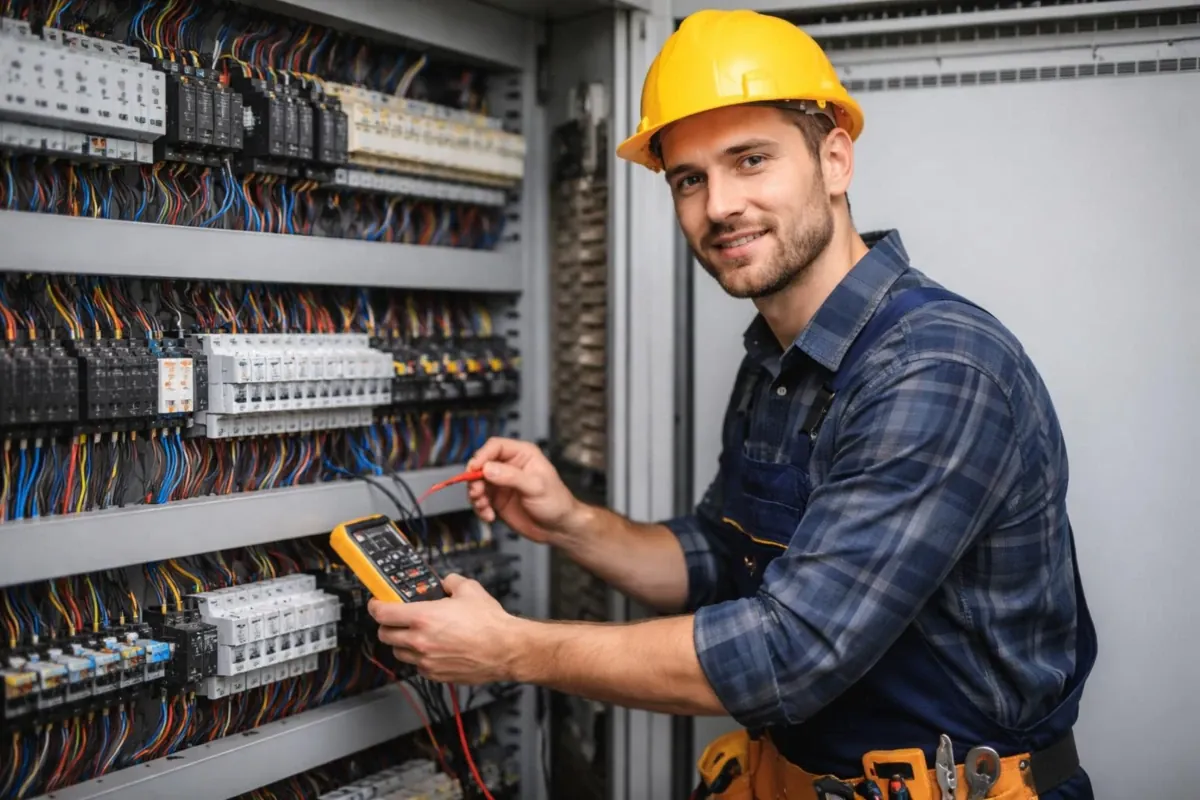
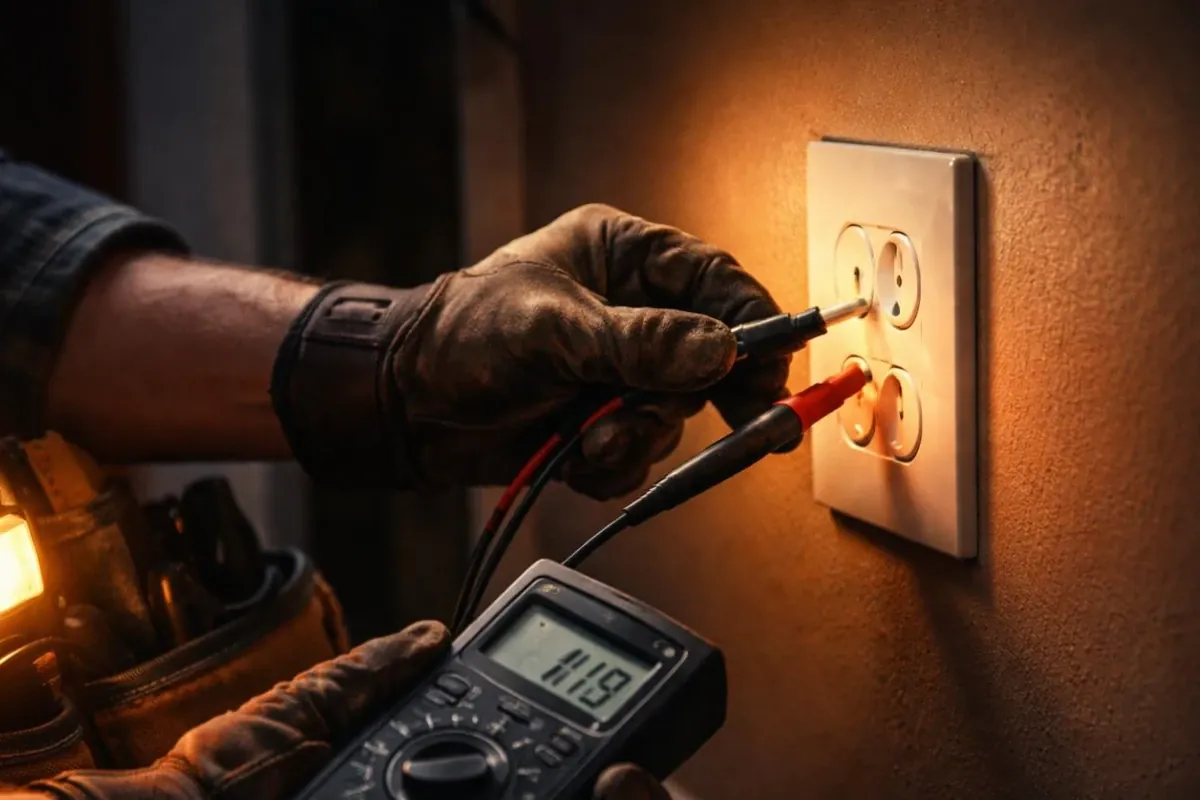
The electrician will usually examine the service panel, breakers, visible wiring, outlets, switches, grounding and bonding, and the overall condition of connected electrical components. They’re looking for overload risks, code issues, wear, damage, improper modifications, and signs of unsafe installation work.
In a home, that may include checking kitchen and bathroom protection, garage circuits, exterior receptacles, smoke or interconnected alarm power, and whether recent additions were wired correctly.
In commercial and industrial spaces, the scope can widen. General Electrical services may involve reviewing distribution equipment, lighting circuits, emergency systems, and service capacity. If the property depends on a Fire Alarm system, an Automatic Transfer Switch, backup power, or specialized distribution, the inspection helps confirm whether those systems are installed properly and still suitable for the site’s needs.
This is also when problems tied to Transformer Installation, service upgrades, or panel capacity become visible. You may not need major work. But if you do, it’s better to learn that during an inspection than during a shutdown.
Inspections often lead to practical improvements, not just repairs
One thing I like about a thorough inspection is that it doesn’t just uncover defects. It can also show you where the property could work better.
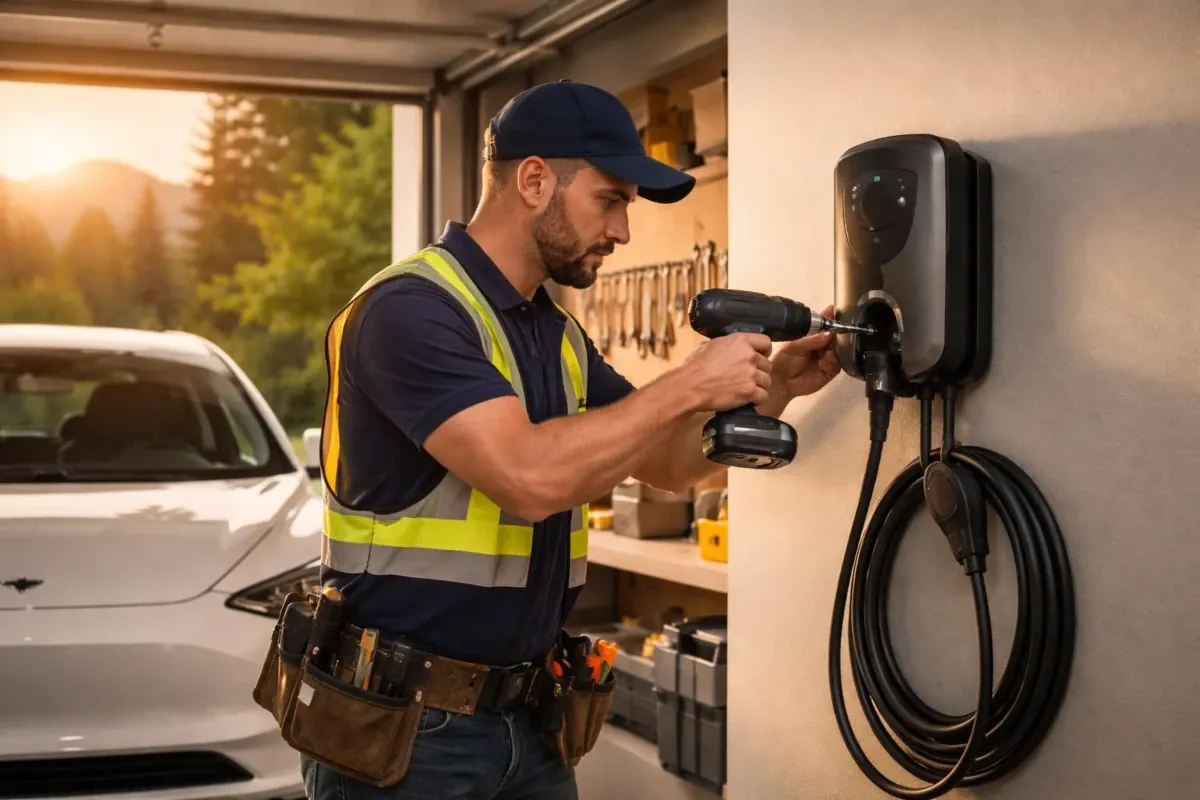
For homeowners, that may mean wiring upgrades to support a renovation, a home office, air conditioning, or a charging station for an electric vehicle. For businesses, it may mean Electrical Upgrades that support better equipment use, improved energy reliability, or a more efficient layout.
Sometimes the next step is a Lighting upgrade because the existing system is outdated, poorly distributed, or too demanding for the current setup. In commercial interiors, a Tenant Improvement project often uncovers electrical changes that need to happen before the space can function the way the new occupant wants.
That’s the part people tend to miss. An inspection isn’t only about catching dangerous faults. It’s also a smart starting point for planning work in the right order.
For commercial and industrial properties, downtime is part of the conversation
Residential safety is personal. Commercial and industrial safety is personal and operational.
If a business loses power because of an avoidable electrical failure, it’s not just an inconvenience. It can interrupt sales, delay production, spoil stock, or create compliance issues. That’s why inspections matter so much in buildings with heavier loads or critical systems.
A property may need service changes, distribution improvements, or equipment review tied to Transformer Installation, an Automatic Transfer Switch, or backup generator integration. If the site is adding machinery, tenant improvements, or a charging station for staff or fleet use, the system has to be assessed honestly before that load goes live.
No one enjoys paying for electrical work that wasn’t in the original plan. But unplanned downtime is usually worse.
What to do after the inspection
A useful inspection should leave you with a clear picture of priorities.
Some issues need immediate correction because they involve active safety risks. Others can be scheduled and budgeted over time. That’s normal. Not every property needs a full overhaul. Sometimes you need a few targeted repairs. Sometimes you need a broader plan for Electrical Upgrades.
The important thing is that the recommendations should make sense for the building, the load, and the way the space is used. A small office doesn’t need the same solution as a warehouse. A 1970s house doesn’t need the same conversation as a newly renovated townhouse.
This is where experienced electricians earn their keep. They don’t just point at problems. They explain what matters now, what can wait, and what changes will actually improve safety and reliability.
A careful inspection is cheaper than a careless assumption
There’s no glamour in an electrical safety check. That’s probably why so many people put it off. Still, it’s one of the most practical services you can book for a home or business.
If your property is older, if you’ve noticed warning signs, if you’re buying a building, or if you’re planning upgrades, an Electrical Safety Inspection is a smart first move. It helps you reduce fire and shock risks, understand the condition of the system, and make better decisions about repairs, wiring upgrades, and future electrical work.
And honestly, peace of mind is part of the value. When the panel, wiring, and devices have been properly checked, you stop wondering whether that flicker or buzz is harmless. You know.
That’s a much better place to be.