

The kitchen renovation is finished. There’s a new induction range, the basement has a separate laundry area, and an electric vehicle may be next. Everything looks better, but you’re starting to wonder whether the electrical system behind the walls has kept up.
That’s a reasonable question in an older Burnaby home. Renovations can change how much electricity a household needs, even when the work doesn’t seem especially electrical. A larger kitchen, a converted garage, or a new rental suite can introduce loads that the original system was never designed to support.
Still, more appliances do not automatically mean you need a larger electrical panel. Sometimes the right solution is a dedicated circuit, a wiring upgrade, or equipment that manages demand.
The useful starting point is understanding what changed, what your electrical system can safely support, and which improvements actually solve the problem.
Why a Renovation Can Change Your Electrical Needs
An older home may have started with relatively modest electrical demand. Space heating, water heating, and cooking might have relied partly on natural gas, while the electrical service supplied lighting, receptacles, and a smaller collection of appliances.
Over time, those assumptions change.
An induction range replaces a gas stove. A heat pump adds electrical heating and cooling. A basement renovation introduces another kitchen or laundry area. An EV charger adds a substantial load that may run for hours.
Across the Lower Mainland, household electrification makes this question more common: can an existing home support new electric equipment without a major service upgrade?
Sometimes it can. But that answer needs to come from an assessment, not the number of unused breaker spaces.
Even an efficient appliance can increase electrical demand if it replaces equipment that previously used another fuel. Lower overall energy consumption and lower peak electrical demand are different things.
Your Panel, Electrical Service, and Wiring Are Different
Homeowners often use “panel upgrade” to describe several kinds of work. Understanding the distinction helps you compare recommendations and avoid paying for a change that doesn’t address the actual limitation.
The electrical panel distributes power
The panel contains breakers that protect individual circuits. Those circuits supply receptacles, lights, and equipment throughout the home.
A panel might need replacement because it is damaged, deteriorated, unsuitable for planned work, or unable to accommodate an appropriate circuit arrangement. Replacement does not necessarily increase the amount of power available to the house.
The electrical service determines incoming capacity
The electrical service includes the equipment and conductors that bring utility power into the home. Its capacity depends on the ratings and configuration of the complete installation, not simply the number printed on a new panel.
Installing a panel rated for 200 amps does not, by itself, turn a 100-amp service into a 200-amp service.
Increasing service capacity may require changes to service conductors, meter equipment, and other components, along with utility coordination. Site conditions can affect the scope considerably.
Branch circuits carry power to individual loads
A home may have sufficient service capacity but still lack the right circuit for a new appliance.
For example, a renovated kitchen may need additional dedicated circuits even when the main service can accommodate the calculated demand. In that case, targeted residential electrical work may be more appropriate than a larger service.
Likewise, a subpanel can provide additional circuit spaces. It does not create extra incoming power.
Changes Worth Reviewing Before Problems Appear
You don’t need to wait for breakers to trip before asking whether your system suits your renovated home. Planning is easier when the electrician can assess the full project before equipment is purchased.
Kitchen and laundry upgrades
Induction ranges, wall ovens, electric dryers, and some other appliances have specific circuit requirements. Their electrical ratings matter more than their appearance or purchase price.
A replacement appliance may fit the same opening but require a different circuit. An electrician should check the manufacturer’s installation instructions against the existing wiring, breaker, and connection method.
Adding more countertop appliances can also expose a shortage of suitable receptacle circuits. A larger main service alone won’t correct that.
Heat pumps and electric water heating
Heat pumps can be highly efficient, but their electrical requirements vary. Some systems include supplemental electric resistance heating, which can substantially affect the load calculation.
Water-heating choices also differ. A heat pump water heater and an electric tankless water heater can have very different electrical demands.
Have the actual equipment specifications reviewed before committing to a model. “Electric heating” is too broad a description for useful planning.
EV charger installation
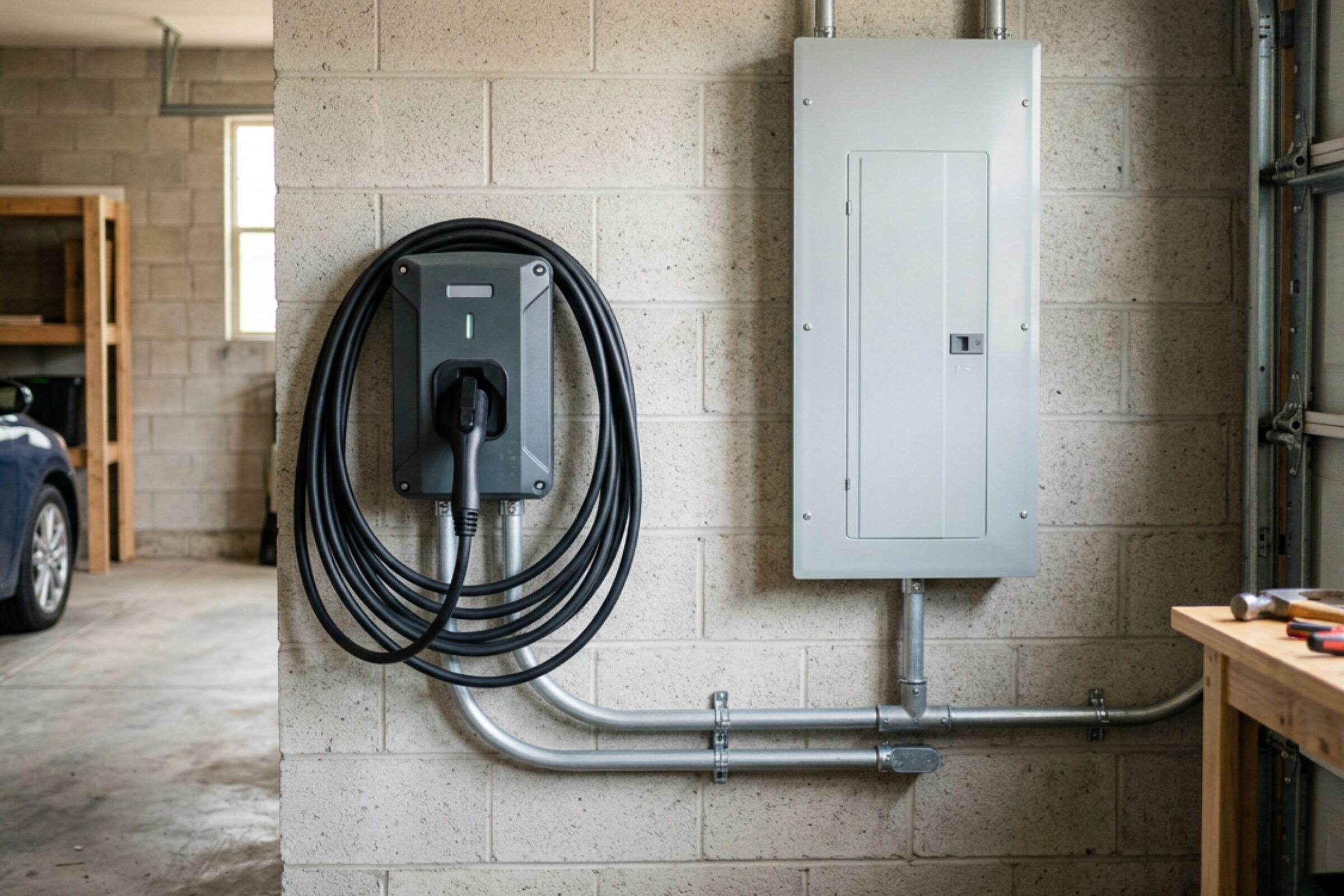
An EV charger can be one of the largest sustained loads in a home, but the highest available charging rate isn’t always necessary.
Daily driving distance, charging time, vehicle capability, and available electrical capacity should guide the choice. A vehicle parked overnight may recover its typical daily driving needs at a lower charging rate than the homeowner initially expected.
Some homes can support EV charging through an approved energy management system rather than an immediate service upgrade. That option requires proper design and compatible equipment.
Suites and expanded living space
A basement suite or substantial addition can change both electrical demand and distribution needs. Separate cooking equipment, laundry, heating, and ventilation may all affect the design.
Electrical planning also needs to fit the broader permit process. Treating it as a final detail can lead to expensive revisions after walls and ceilings are finished.
How an Electrician Determines Whether You Need More Capacity
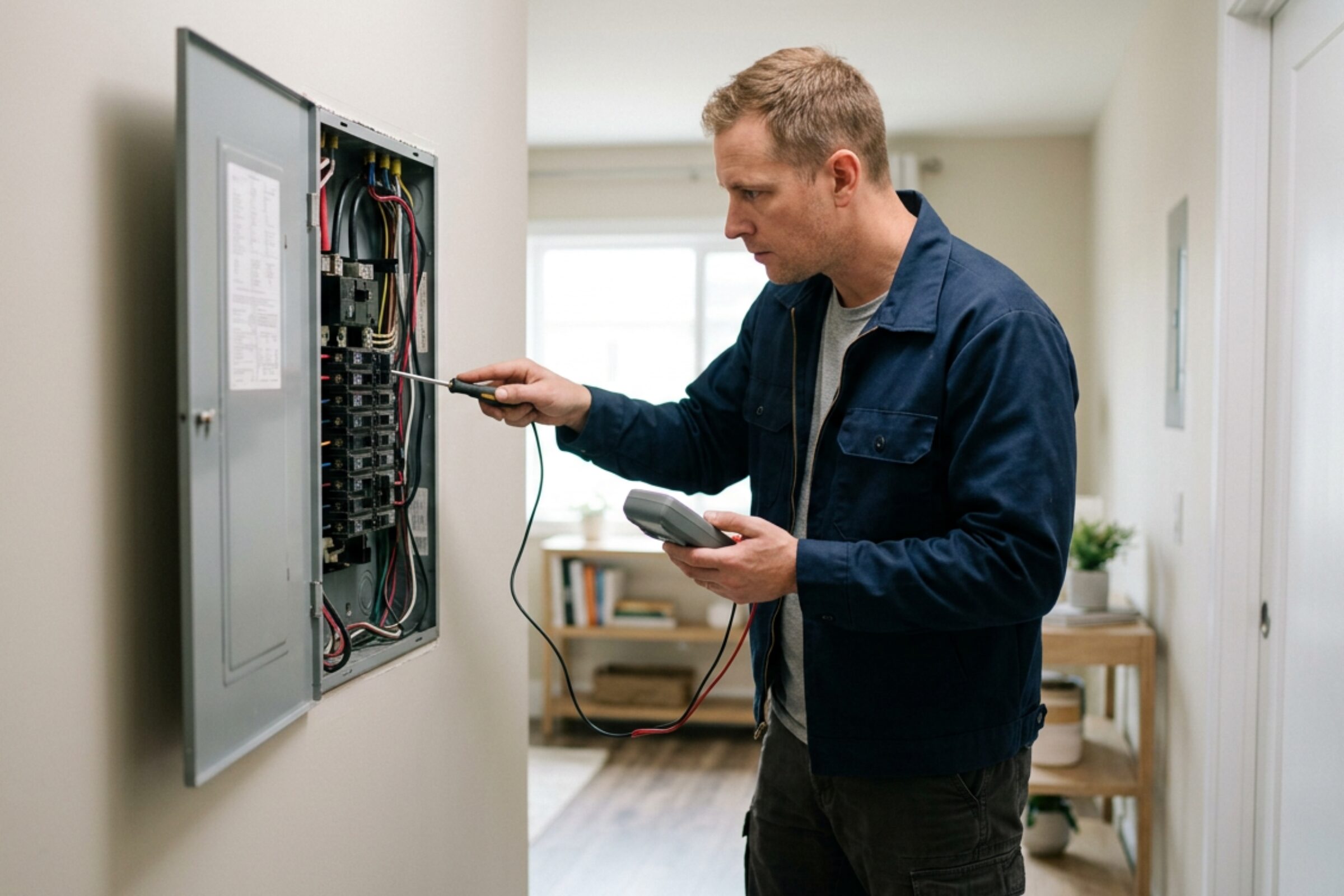
A proper assessment looks beyond the panel door.
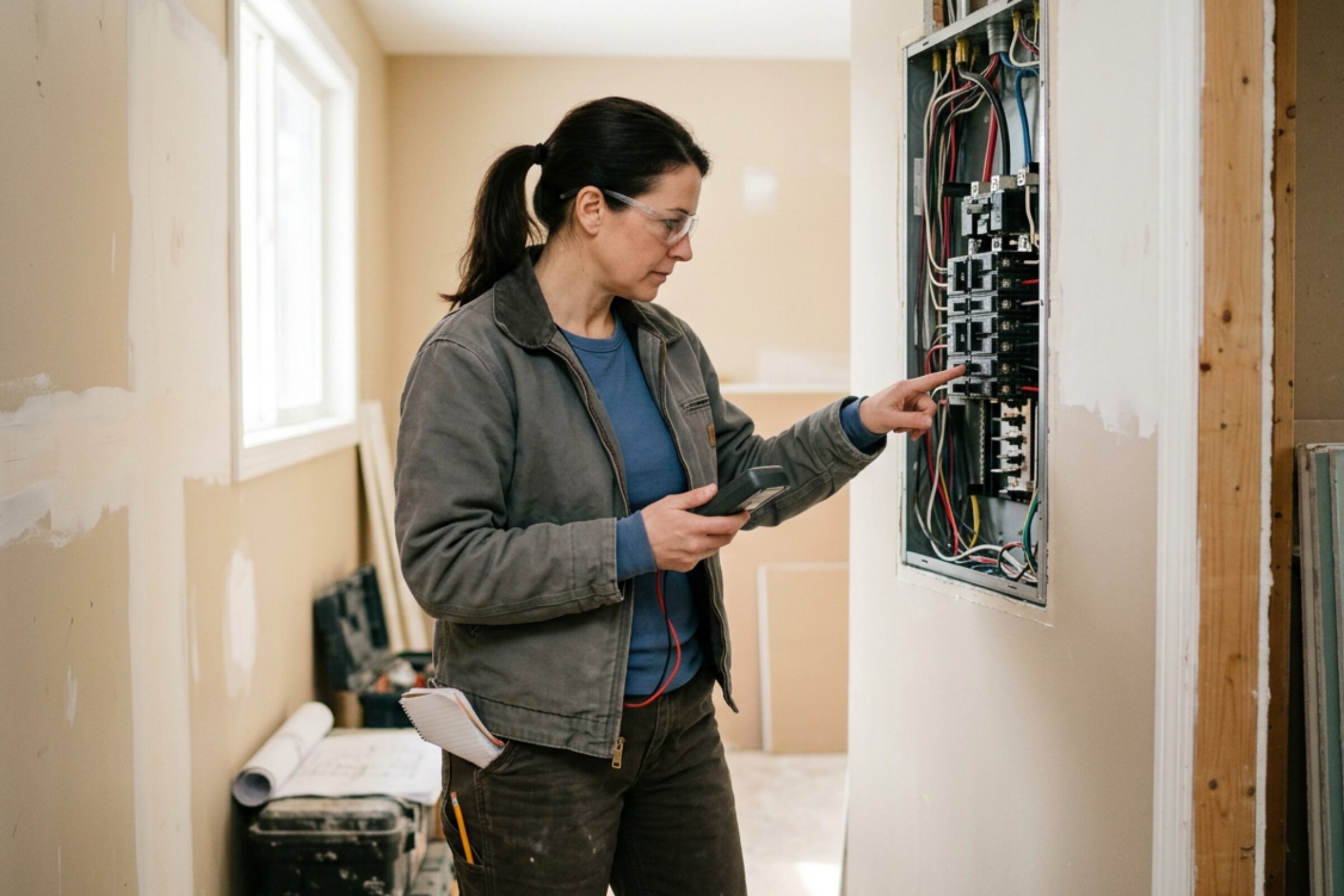
Licensed electricians review the existing service, panel condition, circuit arrangement, relevant wiring, and proposed equipment. They then determine demand using the applicable electrical code requirements and permitted assessment methods.
One common misconception deserves attention: adding together all the breaker ratings does not tell you how large the service must be.
Homes are designed with the understanding that every circuit will not draw its maximum rated current simultaneously. Code calculations account for demand in defined ways. At the same time, assuming “we never use everything together” is not a substitute for a calculation.
Historical consumption or demand information may help where an approved assessment method allows it, but a monthly electricity bill alone does not prove that another major load is safe to add.
For a useful assessment, gather:
-
The make, model, and electrical specifications of planned appliances.
-
Details of upcoming changes, including EV charging, heating, or suite plans.
-
Existing electrical permits, inspection records, or renovation drawings, if available.
-
A description of any tripping breakers, unusual heat, flickering, or equipment interruptions.
You don’t need to remove the panel cover or inspect wiring yourself. Leave that to a qualified professional.
When a Full Service Upgrade May Not Be Necessary
A careful recommendation should explain the limitation first, then match the work to it.
A dedicated circuit may solve the problem
If an appliance is sharing a circuit that cannot support the combined load, a properly designed dedicated circuit may address the issue, provided the service has sufficient capacity.
Repeatedly tripping a kitchen circuit, for example, does not automatically mean the whole house needs a larger electrical service.
Load management may make room for new equipment
An approved energy management system can monitor electrical demand and control a connected load when necessary.
For EV charging, this may mean reducing or pausing charging while household demand is high. When demand falls, charging can resume.
Suitability depends on the service, equipment, applicable rules, and how the household uses electricity. It is a technical option to evaluate, not a universal workaround.
Equipment selection can reduce upgrade requirements
Choosing equipment with suitable electrical requirements can sometimes avoid unnecessary infrastructure work.
That might mean a lower EV charging rate or a different appliance configuration. The goal is to meet your needs reliably, rather than install the largest possible load by default.
Ask about these options before ordering equipment. After delivery, your choices may be narrower.
When a Panel or Service Upgrade Makes Sense
An upgrade may be appropriate when the calculated demand exceeds the existing service capacity and other suitable approaches don’t meet the household’s needs.
Panel replacement may also be warranted because of condition, compatibility, or safety concerns, even without a capacity increase.
In older Burnaby homes, renovation work can uncover previous alterations, aging equipment, or wiring that needs closer evaluation. Age alone does not establish that an installation is unsafe, but neither does years of apparently trouble-free operation prove it remains suitable.
A useful recommendation should identify whether the project involves panel replacement, increased service capacity, branch-circuit changes, or a combination.
It should also explain what the work will accomplish. “More room for breakers” and “more available electrical capacity” are different outcomes.
Permits, Inspections, and Utility Coordination
Electrical requirements depend on the property location, project scope, and authority having jurisdiction. Burnaby homeowners should confirm the applicable municipal electrical permit and inspection process with their contractor.
For projects elsewhere in the Greater Vancouver area, the responsible authority and procedures may differ. Requirements for work in Vancouver should not simply be assumed to apply unchanged in Burnaby or another municipality.
A service upgrade may also require coordination with BC Hydro. Depending on the property and proposed work, utility review, disconnection, reconnection, or infrastructure changes may be involved.
Before work begins, establish who is responsible for permits, inspections, utility arrangements, and any related building repairs. Ask about the expected power interruption and whether utility work could affect scheduling.
The quote should make these responsibilities clear. A low initial price is difficult to compare with another proposal if the two cover different work.
Signs That Need Prompt Attention
Planning around new appliances is one issue. Signs of an electrical fault are another.
Recurring breaker trips, burning odors, discoloration, buzzing, unusual heat, or flickering that begins when equipment operates deserve professional assessment. These symptoms have several possible causes, so don’t assume a panel upgrade is the answer.
Never install a larger breaker simply to stop tripping. The breaker must be appropriate for the wiring and equipment it protects.
If equipment appears damaged or unsafe, stop using it. If there is smoke, fire, or an immediate threat, move to safety and call 911. Do not approach or touch a panel that is arcing, smoking, wet, or visibly damaged.
For urgent faults without an active fire, seek a qualified electrical contractor. Where available, a 24/7 emergency service may help address hazards outside normal working hours.
Plan for the Home You Intend to Have
The best time to review electrical capacity is before the next major purchase, not after an installer discovers the existing circuit won’t work.
Think beyond the renovation you just finished. If an EV, heat pump, or suite is likely within the next few years, include it in the conversation now. That doesn’t mean installing every possible upgrade immediately. It means avoiding work that will need to be undone.
When comparing electrical services, ask for a clear explanation of the existing limitation, the assessment behind the recommendation, and reasonable alternatives.
For an older Burnaby home, the right answer might be a service upgrade. It might be a dedicated circuit or managed EV charging. What matters is that the decision follows the home’s actual electrical requirements, rather than a guess based on its age or the size of its new appliances.