


Buying an older home can bring an unexpected complication: the insurer wants electrical work completed before coverage can proceed. Suddenly, an electrical panel upgrade is no longer a future improvement. It is a time-sensitive project tied to the purchase.
The pressure is understandable. Homeowners may be trying to coordinate possession, financing, moving plans, and insurance while waiting for an electrical assessment. Yet replacing a panel involves more than finding an electrician with an open appointment. Permits, utility scheduling, inspections, and documentation may all affect the timeline.
A South Surrey project illustrates how these pieces fit together. The buyer needed an electrical box upgrade and several smoke alarms installed to meet an insurance deadline. The work was completed within the required timeframe after the permit and BC Hydro coordination were arranged.
For anyone facing a similar situation, the useful lesson is simple: clarify the insurer’s requirements early, then build a schedule around the entire approval process.
A South Surrey Case: A Panel Upgrade Under Time Pressure
In this older-home purchase, the buyer needed electrical improvements before proceeding with insurance. The required work included replacing the electrical box, commonly called the electrical panel, and installing several smoke alarms.
A long wait for an electrical inspection added pressure. That matters because an inspection appointment and an installation appointment are different things. A homeowner might find someone available to do the work, yet still face delays if another required step cannot happen on time.
The project was scheduled within the homeowner’s required window. A permit was arranged, and BC Hydro was coordinated to disconnect and restore power so the upgrade could proceed. The panel replacement and smoke alarm installation were completed promptly, helping the buyer move forward with insuring the property without delay.
This example does not mean every panel replacement can follow the same schedule. Utility availability, the condition of the existing installation, and local inspection requirements vary. It does show why coordination deserves as much attention as the installation itself.
First, Find Out Exactly What the Insurer Requires
Before requesting quotes, obtain the insurer’s requirements in writing. “The electrical needs updating” is too vague to define a reliable scope of work.
An insurer might request an assessment by a qualified electrical professional, correction of specific deficiencies, replacement of a particular panel, or documentation that permitted work has passed inspection. Smoke alarms may be a separate condition.
Ask the insurer or broker to clarify:
-
Which electrical conditions must be assessed or corrected?
-
What documentation will satisfy the requirement?
-
Must the work and any required inspection be completed before coverage begins?
-
Is any interim coverage available while approved work is being arranged?
Interim coverage is an underwriting decision, not something an electrician can promise. Still, asking early may clarify your options.
Keep the deadline precise. “Before we move in” is less useful than a written date, along with confirmation of whether the insurer needs the installation completed, inspection approval received, or documents submitted by that date.
An Insurance Review Is Different From a Permit Inspection
The word “inspection” can mean several things during a home purchase.
A home inspection is a broad review of the property’s condition. An electrical assessment examines the electrical installation in more detail. A regulatory inspection checks permitted work against applicable requirements. An insurer may also request its own form, report, or photographs.
These processes can overlap, but they are not interchangeable. A home inspection report does not necessarily satisfy an insurer, and an electrician’s invoice may not replace a required inspection record.
Confirm who must perform each review and what evidence is needed. That small clarification can prevent a frustrating second round of appointments.
Does an Older Electrical Panel Always Need Replacement?
No. Age alone does not establish that a panel is unsafe or inadequate.
The more useful questions concern its condition, equipment type, installation quality, and ability to support the home’s electrical loads. An older home may have a serviceable panel, while a newer installation can still have defects or unsuitable modifications.
A qualified electrician may identify damaged components, signs of overheating, corrosion, improper connections, incompatible breakers, or equipment that requires further evaluation. Frequent breaker trips also deserve investigation, although they do not automatically mean the panel needs replacement. The cause could be an overloaded circuit, faulty appliance, wiring problem, or defective breaker.
Insurance requirements are another consideration. An insurer may have underwriting restrictions concerning certain equipment even when the homeowner has not noticed an operating problem.
The assessment should distinguish between a documented deficiency, an insurer’s condition, and an optional improvement. Homeowners deserve to understand why each part of the proposed work is necessary.
Panel Capacity and Electrical Service Capacity Are Different
Replacing a panel does not automatically increase the amount of electricity available to the home.
The panel distributes electricity to branch circuits. The electrical service includes the equipment and conductors that supply the property. Increasing service capacity may require work beyond the panel itself, along with additional utility review.
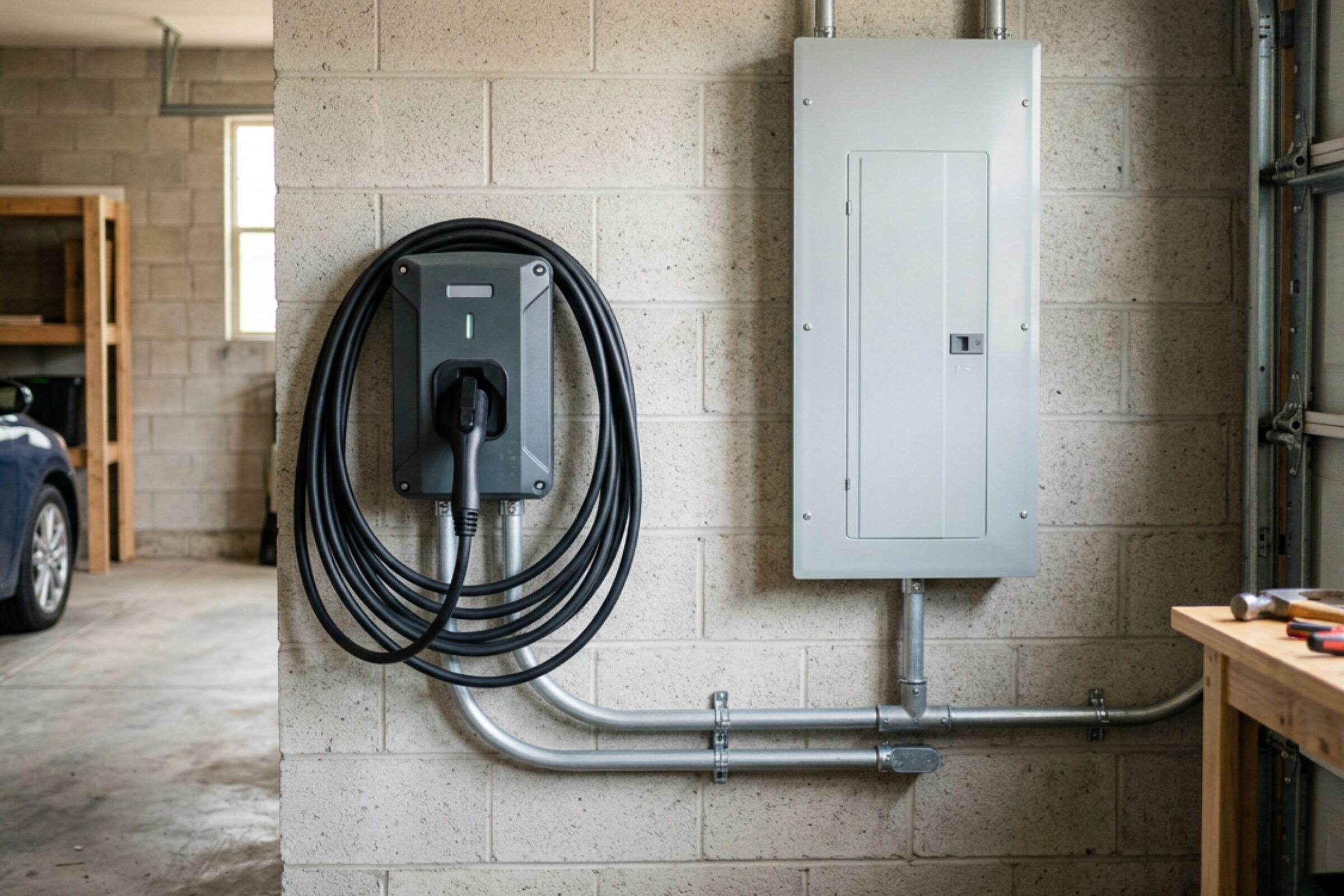
This distinction matters if you are also considering a heat pump, electric range, secondary suite, or EV charger installation. A load calculation helps determine whether the existing service can support planned equipment. In some homes, a suitable energy management system may provide another option.
Discuss future plans during the assessment, but keep them separate from the minimum work required for insurance. Combining projects can make sense. Expanding a time-sensitive job without understanding the scheduling consequences may not.
What the Project Sequence Usually Involves
The exact process depends on the property and the authority responsible for electrical safety in that location. Across the Lower Mainland, homeowners should confirm the applicable permit and inspection requirements rather than assume every municipality follows an identical process.
A typical project includes the following stages.
Assessment and Scope
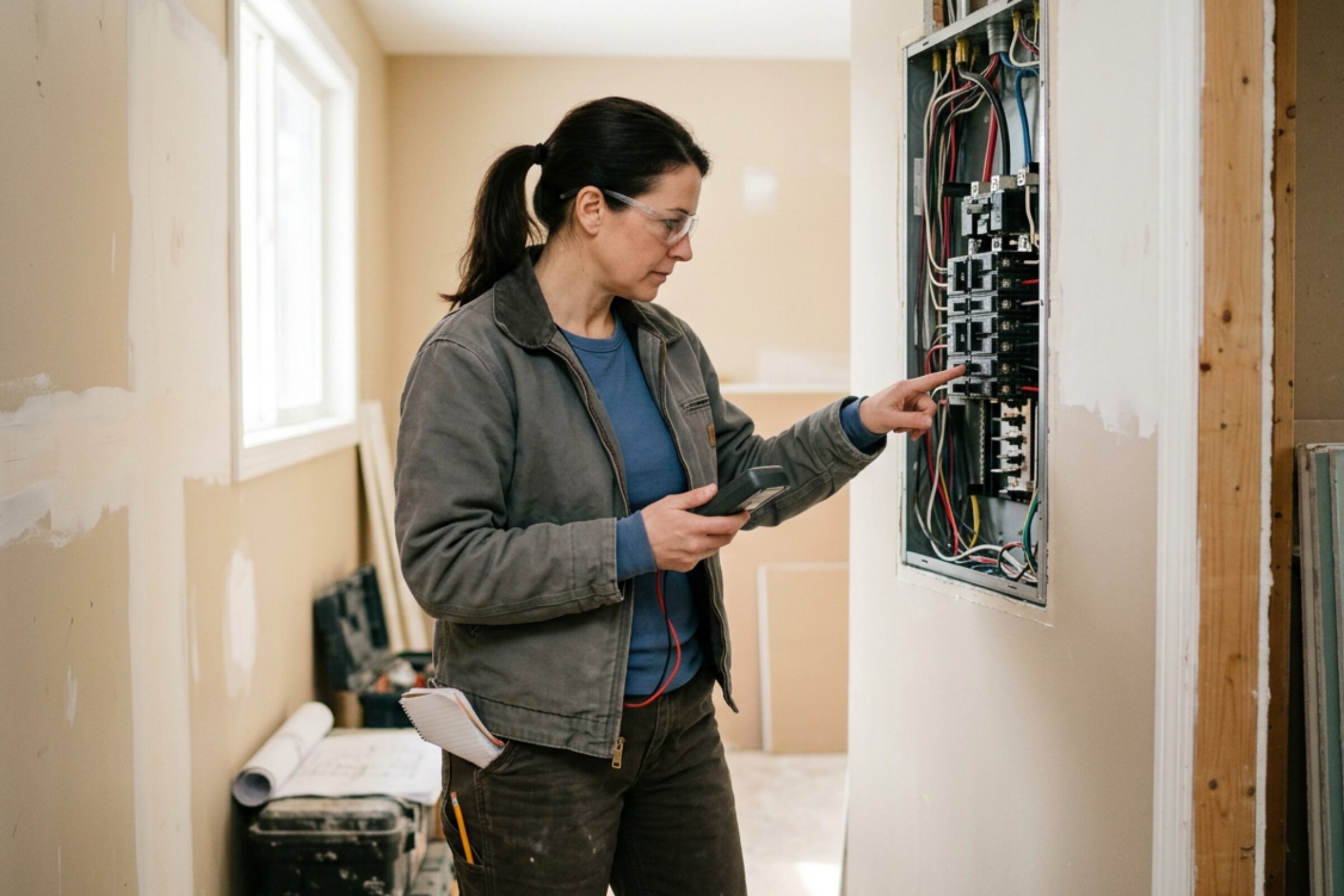
The electrician reviews the existing installation, the insurer’s written requirements, and any available reports. The assessment should establish whether the job involves a panel replacement, a service upgrade, wiring upgrades, or other corrective work.
Site conditions matter. Access around the panel, the condition of existing conductors, and the arrangement of service equipment can affect the work. Hidden defects may only become apparent after equipment is opened or removed.
Ask what is included in the quote and how unexpected conditions will be handled.
Permit and Utility Coordination
Required electrical permits need to be arranged through the appropriate authority. Confirm who is responsible for obtaining the permit and organizing any required inspection.
For work that requires utility isolation, BC Hydro scheduling becomes part of the plan. Turning off the main breaker does not necessarily make all parts of the service equipment safe to work on. Utility disconnection and other safety procedures belong in professional hands.
The conditions for restoring power should also be confirmed in advance. Depending on the work, reconnection may depend on inspection, authorization, or other utility requirements.
Installation, Inspection, and Reconnection
Once the installation is safely isolated, the electrician can replace the equipment and complete the agreed work. Required checks, inspection steps, and reconnection then follow the applicable process.
Avoid assuming that installation completion and power restoration will happen at a particular hour. Ask for the expected outage window, while recognizing that an unexpected defect or delayed approval can change it.
Afterward, confirm what paperwork will be available and when. The insurance deadline may depend on that documentation, not simply on having the lights back on.
Smoke Alarms Need Their Own Assessment
In the South Surrey case, smoke alarms were part of the required work. They deserve separate attention rather than being treated as a minor addition to the panel replacement.
Suitable alarm locations and power arrangements depend on the home, applicable requirements, and the scope of any alterations. Existing alarm age, condition, and interconnection also matter. Do not assume that installing a battery-operated alarm in a convenient spot will satisfy every requirement.
Ask the electrical professional to review the installation requirements and explain how the completed alarms should be tested and maintained.
Smoke alarms also do not replace carbon monoxide alarms. Fuel-burning equipment and other conditions may trigger separate carbon monoxide alarm requirements. Check which protections apply to the home.
Once installed, follow the manufacturer’s testing and replacement instructions. If an alarm repeatedly sounds without an obvious cause, investigate rather than disconnecting it and leaving the home unprotected.
How to Reduce Avoidable Delays
You cannot control every scheduling constraint, but you can give the project a better start.
Send the electrician the insurer’s letter, relevant home inspection findings, and the exact deadline before the assessment. Share clear photographs of the panel and surrounding area if requested, without removing covers or touching internal components.
Explain whether you already own the home and who can authorize access. A buyer may need the seller’s permission for assessments or work before possession. Access arrangements can become a real obstacle when everyone assumes someone else has handled them.
A short planning checklist helps:
-
Get the insurer’s scope and documentation requirements in writing.
-
Arrange a qualified electrical assessment and confirm the proposed work.
-
Verify responsibility for permits, utility coordination, and inspections.
-
Plan property access and the expected power outage.
-
Confirm how completion records will reach the insurer.
Build in some buffer where possible. A schedule that leaves no room for additional defects or a changed inspection appointment is fragile.
For homeowners in Vancouver, South Surrey, and elsewhere in the Greater Vancouver area, local experience can be useful when selecting electrical services. Ask prospective contractors how they manage the relevant permitting and utility process, rather than judging availability solely by the earliest installation date.
Prepare for the Power Outage
A planned outage is easier to manage when everyone in the household knows what to expect.
Ask about the likely duration and whether the work could extend beyond the initial estimate. Consider refrigeration, remote work, building access systems, and any equipment that depends on continuous power.
If someone uses powered medical equipment, arrange a suitable backup plan with the equipment provider or healthcare team before work begins. Do not rely on an uncertain reconnection time.
Charge phones and essential devices, keep refrigerator and freezer doors closed, and follow the electrician’s guidance about sensitive electronics. Never connect a portable generator to household wiring through an outlet. Any backup supply must be used safely and with appropriate equipment.
An insurance deadline also needs to be distinguished from an electrical emergency. Smoke, sparking, burning odors, or dangerous overheating require immediate safety action. Do not touch suspect equipment. Leave the area if there is danger and contact emergency services or the utility as appropriate.
Finish With Documentation, Not Assumptions
Once power is restored, it is tempting to consider the project finished. For an insurance-driven upgrade, there is one more step: confirm that the insurer has received and accepted the required evidence.
Keep the agreed scope, invoice, permit information, and any inspection or completion records provided. Submit the documents through the insurer’s requested channel and ask for written confirmation that the electrical condition has been satisfied.
Licensed electricians can explain the work and supply relevant records. The insurer decides whether those records meet its coverage requirements.
The South Surrey example shows how a panel upgrade and smoke alarm installation can be completed under time pressure when scheduling, permits, and utility coordination are addressed together. The best starting point is a clear requirement and a complete plan. That gives an older-home buyer a much firmer basis for meeting an insurance deadline safely.