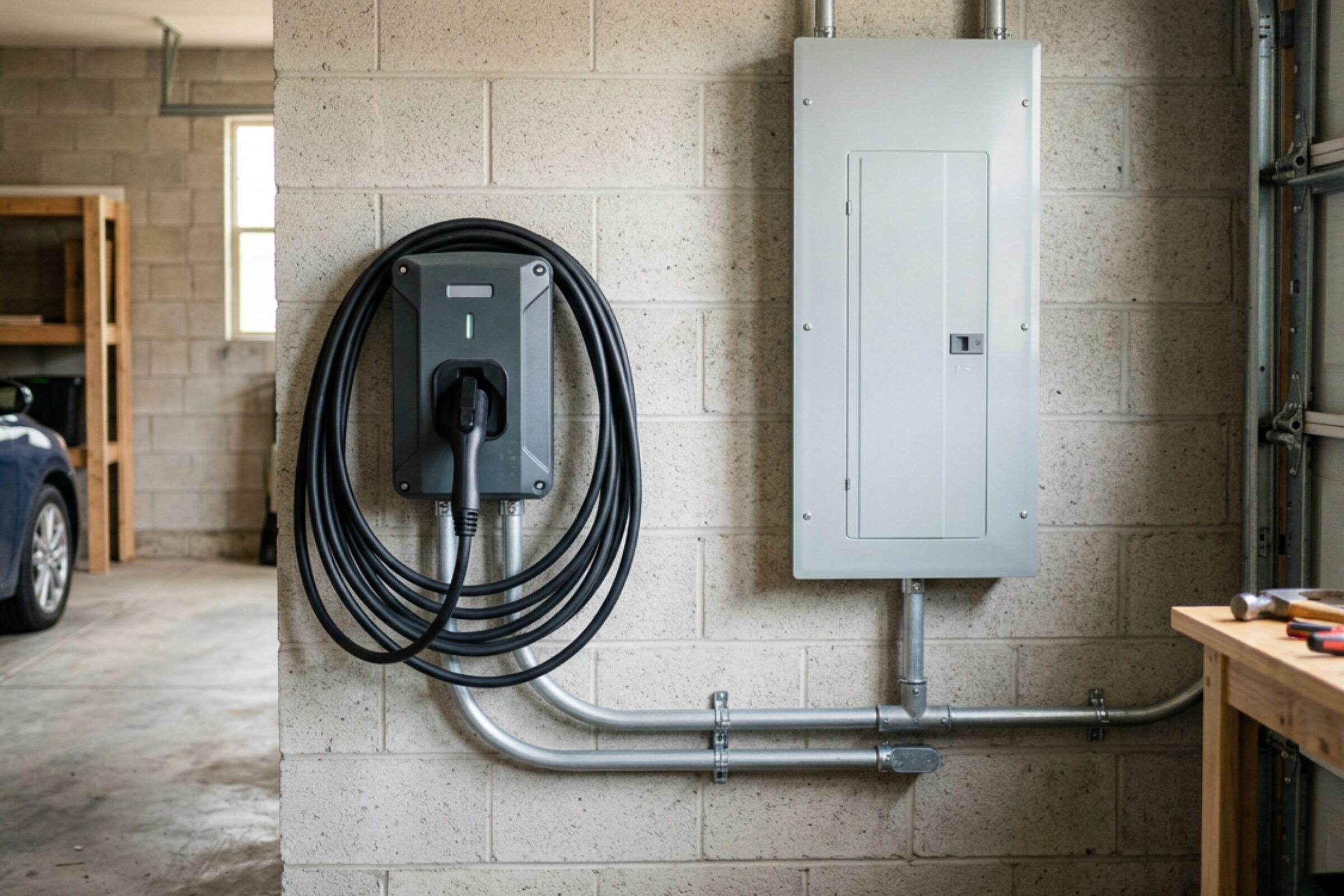



Electric vehicles are easy to like. Charging at home or at work is convenient, fuel costs usually drop, and daily driving feels simpler. The charger itself, though, is where a lot of people underestimate the job.
An EV charger installation is not the same as mounting a new light fixture or swapping a receptacle. It adds a serious electrical load to your property, often for hours at a time, and that changes the conversation. Safety matters first. Savings come right after.
If you are in Vancouver or anywhere in the lower mainland, hiring licensed electricians for this work is the smart move. If those electricians have FSR certification involved in the project, even better. That detail can save you from overloaded panels, failed inspections, damaged equipment, and expensive do-overs.
An EV charger is a daily high-load appliance
A Level 2 charger can draw a lot more power than people expect. It may run every night, for several hours, and it does not care if your dryer, heat pump, oven, and hot water system are also working hard. Your electrical system has to handle all of that together.
This is why professional EV charger installation starts with the system, not the charger model.
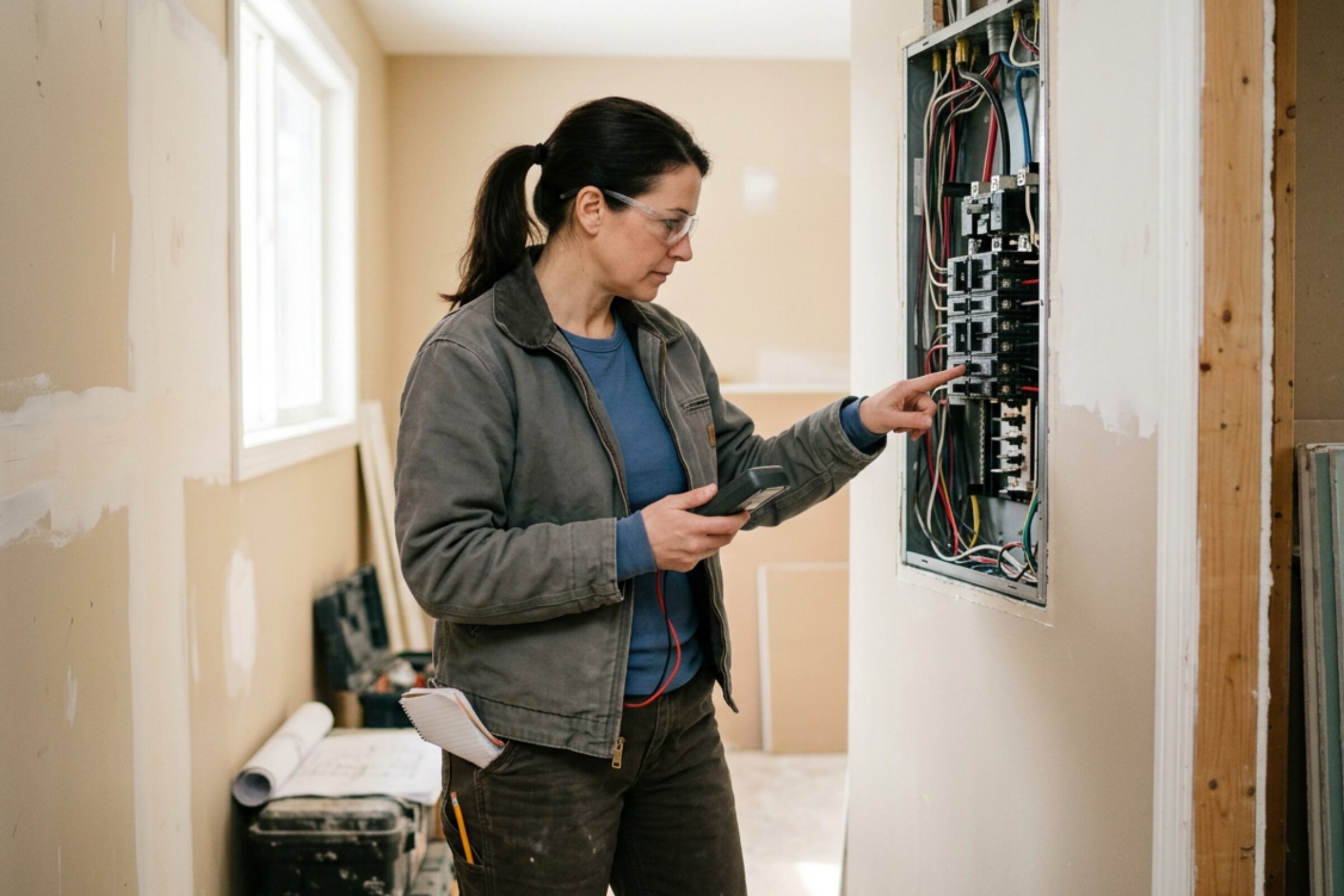
A qualified electrician looks at your panel capacity, breaker space, circuit routing, grounding, wire size, and the condition of the existing electrical infrastructure. In older properties across the greater Vancouver area, that inspection matters a lot. Plenty of homes and commercial units were built before EV charging was part of anyone’s plan. Some need simple adjustments. Others need wiring upgrades or a panel upgrade before a charger should be added at all.
That might sound like an inconvenience. Honestly, it is better than the alternative. Electrical problems rarely stay small.
Safety is not a sales pitch, it is the whole job
People sometimes frame professional electrical services as a premium option, like paying extra for convenience. I do not think that applies here. With EV chargers, safe installation is the baseline.
A charger that is installed incorrectly can create heat buildup, nuisance breaker trips, voltage drop, damaged charging equipment, or worse. Loose terminations, undersized wire, poor breaker selection, and bad placement are the kind of problems that may not show up on day one. They show up later, after repeated use.
That is one reason residential electrical work needs more than a quick quote and a wall mount. A proper installation includes load calculations, code-compliant circuit design, suitable overcurrent protection, and testing after the work is done.
The same principle applies to commercial electrical and industrial electrical projects, just at a bigger scale. A workplace charger setup may involve multiple charging stations, demand management, tenant coordination, service upgrades, or integration with existing building loads. In industrial spaces, equipment cycles and heavier infrastructure add another layer of planning. The charger is only one piece of the system.
Why FSR certification matters
This is where FSR certification deserves real attention.
In British Columbia, an FSR, or Field Safety Representative, has the authority and responsibility to take charge of regulated electrical work and ensure it meets applicable safety requirements. For property owners, that matters because it adds a clear layer of accountability to the project.
You do not need a vague promise that the job will be “done right.” You need licensed electricians working under the right certification and oversight.
When FSR certification is part of the installation, it helps make sure the work is reviewed through the lens of code compliance, safety practice, and proper documentation. That lowers the risk of shortcuts. It also helps when permits, inspections, and future property transactions come into the picture.
I think this point gets overlooked because it is not flashy. People compare charger brands, charging speeds, and app features. Fair enough. But the quality of the electrical installation is what protects the building, the vehicle, and the people using both.
Professional installation can save money in ways people miss
The most obvious cost is the installation invoice. The less obvious costs are where mistakes get expensive.
A professional EV charger installation can save money by preventing:
- repeat service calls for tripping breakers or charging failures
- premature wear on chargers caused by poor power delivery
- failed inspections and rework
- damage to panels, conductors, or connected equipment
- fire risk and insurance headaches tied to non-compliant work
There is also the issue of right-sizing the job. A good electrician does not automatically push the biggest charger possible. They look at how you actually use the vehicle, how much capacity the building has, and whether load management is a better choice than a full service upgrade.
That can make a real difference to the final budget.
Sometimes the cheaper path is not “install whatever fits today.” Sometimes it is “plan the circuit correctly now so you do not pay twice later.” That is especially true for commercial electrical sites expecting more EV adoption over time. If conduit runs, panel space, and future expansion are considered upfront, the next phase gets much easier.
Older electrical systems need honest assessment
In the lower mainland, many properties are older than the EV era by several decades. That does not mean they cannot support charging. It means they need an honest look first.
A professional inspection may show that your system is already in good shape. Great. It may also show that you need wiring upgrades, a switchboard change, or a panel replacement before adding a continuous high-load device.
That can be frustrating news, but it is valuable news.
If your lights flicker when major appliances start, if your breakers trip without a clear reason, or if your panel is already crowded, those are signs your property may need attention before charger installation. This is where broad electrical services matter. The best result often comes from treating the charger as part of your overall system, not as an isolated add-on.
For residential electrical customers, that may mean a panel upgrade tied to future plans like a heat pump, hot tub, or secondary suite.
For commercial electrical clients, it may mean coordinating charger capacity with tenant loads, parking layout, metering, and business hours.
For industrial electrical facilities, it may mean checking whether current distribution equipment can handle charging demand alongside production equipment.
The permit and inspection side is worth taking seriously
Nobody gets excited about permits. I understand that. Still, they are part of protecting your property.
Professional electricians know when permits are required, how to complete the work to code, and how to prepare for inspection. That matters for current safety and for future proofing. If you sell, lease, renovate, or expand later, properly documented work is much easier to deal with than unpermitted electrical changes.
This is another place where FSR certification helps build confidence. It signals that the work is being handled with the level of responsibility electrical systems deserve.
If a contractor brushes off permits or says an EV charger is “basically plug and play,” I would be cautious.
Commercial and fleet charging raises the stakes
At home, a bad installation can disrupt your routine. In a business setting, it can affect staff, customers, tenants, and operations.
A retail site may need chargers that are reliable during busy hours. A strata or office building may need billing considerations and access control. A warehouse or service fleet may need multiple chargers working on a schedule without overloading the site.
This is why commercial electrical and industrial electrical charger projects need planning, not guesswork. Load calculations, equipment selection, cable routing, safety signage, protection devices, and future capacity all matter. Downtime costs money. So does rework.
In these settings, working with licensed electricians who understand both EV charger installation and broader electrical services is the practical choice. If there is a problem after hours, access to 24/7 emergency service can matter too. Electrical issues do not always wait for business hours, and a charger outage can become an operations issue fast.
What to ask before you hire anyone
You do not need to become an electrical expert before booking the work. You just need to ask a few direct questions.
- Are you licensed electricians, and is an FSR responsible for the project?
- Will you assess panel capacity and advise if wiring upgrades are needed?
- Will the installation include permits, code-compliant work, and testing?
Clear answers tell you a lot. So does the tone. Good contractors explain the process in plain language. They do not dodge technical questions, and they do not treat safety steps like optional extras.
The cheapest quote can become the most expensive one
This is the part people learn the hard way.
A low quote can leave out the load assessment, the proper breaker, the permit process, the cable route that actually lasts, or the corrections needed for an older panel. On paper, it looks like savings. In practice, it can turn into repeat visits, charger issues, inspection failures, or larger electrical repairs later.
A professional installation is not about paying more for the sake of it. It is about paying once for work that is safe, compliant, and built for daily use.
That is true whether you need residential electrical support for a single-family home, commercial electrical planning for a multi-unit site, or industrial electrical work for a larger facility in Vancouver or the greater Vancouver area.
A safer install is usually the smarter investment
EV charging should make life easier. It should not introduce uncertainty into your electrical system.
Professional EV charger installation gives you a charger that works reliably, a system that can handle the load, and a record that the job was done properly. FSR certification adds another layer of trust because it ties the work to qualified responsibility and code-aware oversight.
If you are planning a charger installation in the lower mainland, choose electrical services that look beyond the wall where the charger goes. The real value is in the assessment, the wiring, the protection, and the decisions made before the first hole is drilled.
That is where safety starts. It is also where the savings begin.