


Most people do not think much about their electrical system until something goes wrong. A breaker trips. Lights flicker when the microwave starts. An outlet feels warm. Then the question lands fast: is this a minor annoyance, or is the house telling you it needs real work?
In a lot of homes, especially older ones in Vancouver and the lower mainland, electrical systems are carrying loads they were never designed for. Decades ago, a home did not need to support multiple televisions, gaming systems, home offices, portable heaters, air purifiers, induction cooktops, and an electric vehicle charger. Now that load is normal.
A modern electrical system should do two things at once. It should power your daily life without constant hassle, and it should do it safely. If it cannot manage either one, it may be time to look at wiring upgrades or a panel upgrade.
This guide walks through the clearest signs that your home’s electrical system may need updating, what those signs often mean, and when it is time to call licensed electricians instead of hoping the issue goes away on its own.
Why electrical systems fall behind
Electrical systems age in a very practical way. Insulation breaks down. Connections loosen. Panels become outdated. The number of circuits that once felt generous starts to feel cramped. None of that is dramatic at first. It is slow, and that is part of the problem.
A home built 40, 50, or 60 years ago may still function, but functioning is not the same as meeting current expectations for safety and capacity. That gap shows up in small warning signs long before it becomes an emergency.
In residential electrical work, the biggest upgrade triggers usually fall into three categories:
-
Safety issues, such as overheating, damaged wiring, or outdated components.
-
Capacity issues, where the system cannot handle modern appliances and electronics.
-
Renovation or lifestyle changes, like adding a suite, heat pump, hot tub, or EV charger installation.
If you are seeing signs in more than one category, the odds are good that the system needs more than a quick fix.
The warning signs people ignore too long
Some electrical problems are loud and obvious. Others are easy to rationalize. People get used to workarounds. They avoid using two appliances at once. They stop plugging into a certain outlet. They keep a lamp off because it “always acts weird.”
That kind of adaptation is common. It is also a clue.
Your breakers trip often
A breaker tripping once in a while is not unusual. Breakers exist to protect the circuit. But frequent tripping is different. If the same breaker keeps going off, the circuit may be overloaded, the breaker may be failing, or there may be a wiring fault somewhere on that run.
In older homes, overloaded circuits are common because everyday use has changed. Kitchens, bathrooms, and home offices now carry far more demand than they used to. If you are resetting breakers every few weeks, or every few days, that is a message, not bad luck.
Lights flicker or dim for no clear reason
A light that flickers because of a loose bulb is annoying but simple. A whole room dimming when the vacuum starts is something else. If lights flicker when larger appliances turn on, the system may be struggling with voltage drop, overloaded circuits, loose connections, or panel issues.
This is one of those signs people brush off for years. They should not. Flickering can be harmless in one case and risky in another. The pattern matters. If it happens in multiple rooms or appears to be getting worse, it deserves an inspection.
Outlets or switches feel warm
An outlet or light switch should not feel hot. Slight warmth around a dimmer switch can happen, depending on the load, but noticeable heat, a buzzing sound, or a faint burning smell is a serious warning sign.
Heat usually means resistance where there should be a clean electrical connection. That can come from loose terminals, damaged wiring, overloaded circuits, or worn devices. Electricity and heat are a bad combination when they show up where they are not supposed to.
You see discoloration or smell something burning
Dark marks around outlets, cover plates, or the electrical panel should never be ignored. The same goes for a plastic or fishy burning smell. Those clues can point to arcing, overheating insulation, or failing components.
At that point, the issue is not really about convenience anymore. It is about fire risk.
If you notice burning odours, smoke, sparks, or sizzling sounds, take it seriously:
-
Turn off power to the affected area if it is safe to do so.
-
Stop using the outlet, switch, or appliance involved.
-
Call for professional help right away. This is a 24/7 emergency service situation, not a next week task.
You still have two-prong outlets
Two-prong outlets often show up in older homes and usually mean the system lacks grounding in at least part of the house. Grounding helps carry fault current safely away and reduces shock risk. Without it, people often rely on adapter plugs or extension cords. That is not a real solution.
Two-prong outlets do not automatically mean the whole house needs rewiring, but they often signal an older wiring system that should be evaluated. The same goes for a lack of GFCI protection in bathrooms, kitchens, garages, outdoor receptacles, and other locations where water is a factor.
Extension cords and power bars have become permanent fixtures
If your home does not have enough outlets where you actually need them, the electrical system is behind the way you live now. This is one of the clearest signs of outdated residential electrical design.
Power bars have their place, but when every room relies on them, circuits may be stretched in ways they were never intended to be. Overloading one outlet with several high-demand devices is a common cause of nuisance tripping and overheating.
A house that depends on extension cords to make daily life work usually needs a closer look at circuit layout and wiring upgrades.
Some wiring types deserve extra attention
Older wiring is not automatically unsafe, but some types deserve a careful inspection because they come with known concerns.
Knob-and-tube wiring is one example. It may still be present in older Vancouver homes. The issue is not just age. It was designed for a different era, without grounding and without the load expectations of modern living. It can also create insurance headaches.
Aluminum branch wiring, used in some homes during a particular period, is another system that needs proper evaluation. Aluminum expands and contracts differently than copper, and poor connections can overheat if they were not installed or maintained correctly.
If you know your home has either of these, or you are not sure what is in the walls, that uncertainty alone is worth resolving. Guessing is not much comfort when the system is hidden behind drywall.
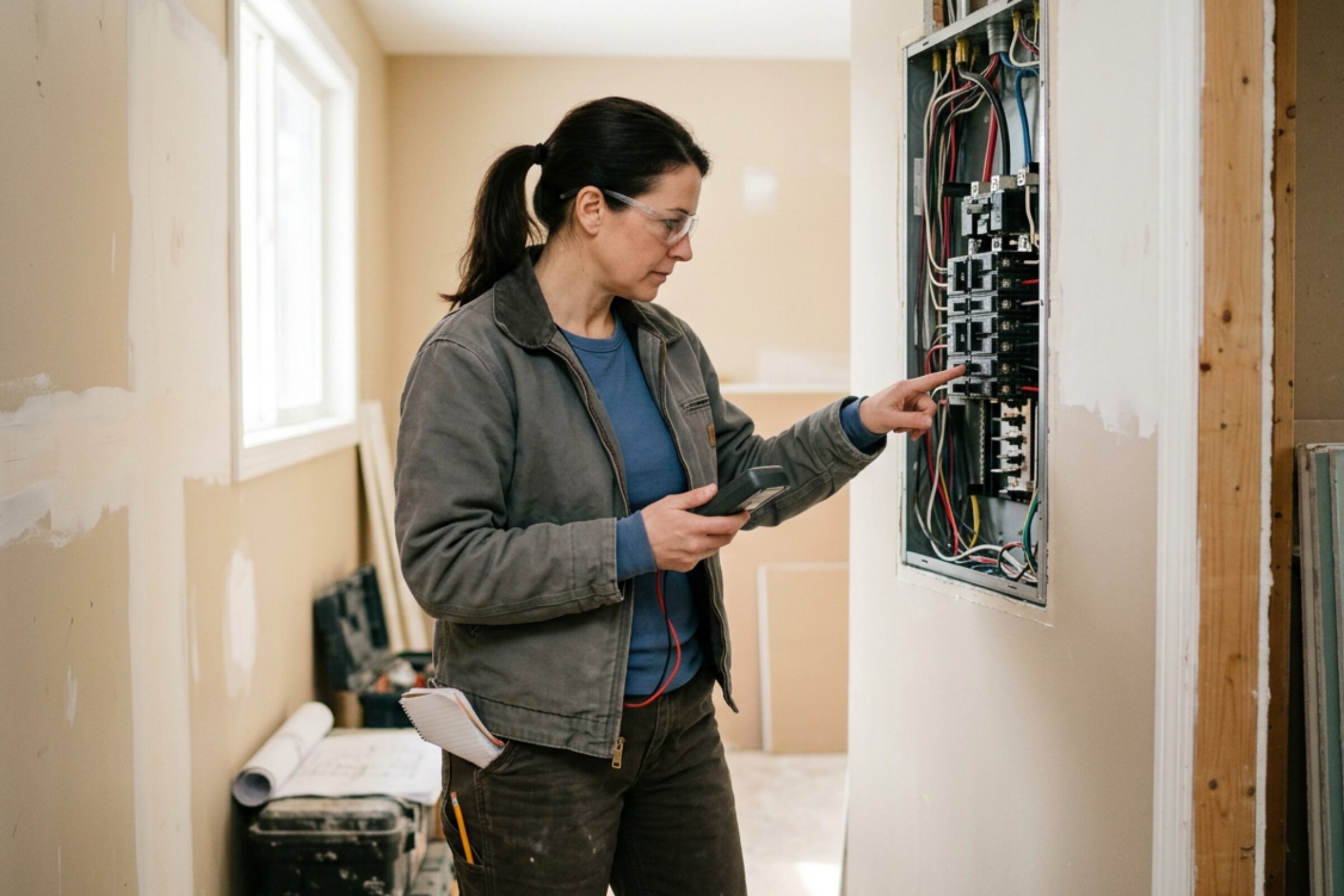
Your panel is too small for your home now
A lot of older homes still operate on 60 amp or 100 amp service. That may have been enough once. It often is not enough now.
A panel that is too small tends to reveal itself in annoying ways before it becomes a safety issue. You may run out of breaker space. New circuits become difficult to add. You may notice more tripping when seasonal loads change, especially in winter when space heaters and extra lighting come into play.
If you are planning any of the following, panel capacity should be part of the conversation:
-
EV charger installation
-
Heat pump or air conditioning
-
Hot tub or sauna
-
Suite addition
-
Kitchen renovation with new major appliances
-
Workshop equipment or garage upgrades
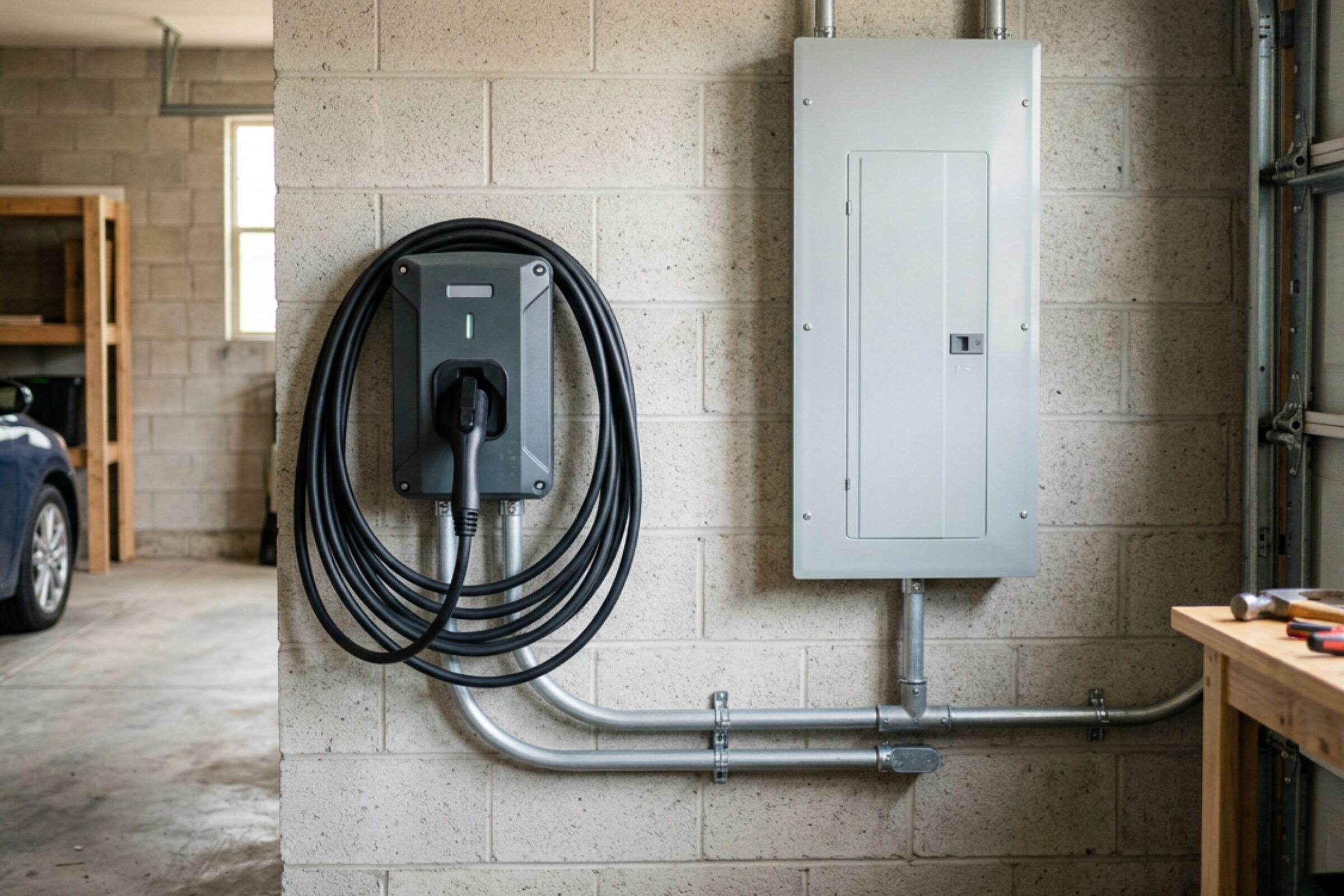
This is where people sometimes make a false economy. They focus on the cost of the new appliance but not on whether the house can actually support it. An EV charger, for example, is not just a device on the wall. It changes the demand profile of the home. In many cases, it works fine with load management or an existing panel. In others, it pushes an already tight system over the edge.
Your home does not match current safety expectations
Electrical codes change for a reason. Safety standards improve as we learn more about how fires start, how shocks happen, and how people really use their homes.
That does not mean every older house must be brought fully up to current code immediately. Homes are often grandfathered under the rules in place when they were built. But it does mean older systems may lack protections now considered standard, such as:
-
Grounding throughout the system
-
GFCI protection near water
-
AFCI protection in living spaces
-
Tamper-resistant receptacles in many areas
-
Proper bonding for services and panels
An older system can still work while missing these protections. That is the uncomfortable truth. Working and safe are related, but they are not identical.
Renovations often uncover bigger electrical problems
A renovation is one of the most common moments when electrical problems come into view. Walls open up. Contractors discover old splices, undersized conductors, crowded boxes, or wiring that was altered over the years by several different hands.
Sometimes homeowners expect a simple project, like adding pot lights or replacing a stove, and learn that the panel has no room, the circuit is undersized, or the grounding is incomplete. It is frustrating, but it is also useful information. Better to find out during a planned project than during a failure.
If you are updating a kitchen, finishing a basement, or converting part of the home for rental use, it makes sense to ask for a broader assessment instead of focusing only on the visible fixtures.
Exterior and moisture-related issues matter too
The lower mainland climate is hard on exterior electrical components. Moisture, corrosion, and temperature swings can wear down outdoor receptacles, lighting, connections, and service equipment over time.
If exterior outlets stop working, trip often, or show cracked covers and rusted parts, do not write it off as a small outdoor issue. Water and electricity do not leave much room for sloppy maintenance.
The same applies to garages, sheds, crawlspaces, and basements. These spaces often reveal early signs of trouble because they are less climate-controlled and more likely to show corrosion or physical wear.
The age of the home matters, but age alone is not the whole story
People often ask if a house is “too old” electrically. That is not quite the right question. A well-maintained older home with thoughtful updates may be in better shape than a newer home with poor workmanship or unpermitted changes.
Still, age does help set expectations. In the greater Vancouver area, homes built several decades ago are more likely to have:
-
limited service capacity
-
fewer branch circuits
-
outdated receptacles
-
older panels
-
wiring methods that no longer fit modern demand
If you own an older home and have never had the system fully assessed, that is worth considering, even if nothing dramatic has happened yet.
What an electrical update might actually include
A lot of people hear “upgrade” and picture a full rewire. Sometimes that is necessary. Often it is more targeted.
Depending on the condition of the home, an update may involve one or more of these steps:
-
replacing an outdated electrical panel
-
adding circuits for kitchens, offices, or workshops
-
upgrading service capacity
-
replacing old outlets and switches
-
improving grounding and bonding
-
installing GFCI or AFCI protection
-
correcting unsafe DIY or aging connections
-
partial rewiring in the most affected areas
That is why inspections matter. Two homes can show the same symptom, like flickering lights, but need very different fixes.
Why this is not a good DIY category
There are plenty of home projects that reward confidence. Electrical diagnosis is not high on that list.
The risk is not only shock. It is misdiagnosis. A homeowner may replace an outlet because it looks old, when the real issue is a failing neutral connection somewhere upstream. They may swap a breaker without realizing the circuit load is the actual problem. They may add a device to an already stressed panel and create a bigger issue quietly.
For anything beyond the most basic permitted tasks in your area, licensed electricians are the right call. That matters in every setting, whether the concern is residential electrical, commercial electrical, or industrial electrical. The tools, testing, code knowledge, and safety procedures are there for a reason.
In Vancouver and across the lower mainland, permits and inspections are often part of significant electrical work. That process can feel tedious, but honestly, it is one of the few kinds of paperwork that exists for a very good reason.
A simple way to decide whether it is time
If you are unsure whether your home needs an update, ask yourself a few plain questions.
Does the system feel reliable, or do you work around it?
Has your household demand changed in the last five to ten years?
Are there any signs of heat, smell, noise, or repeated breaker trips?
Are you adding major equipment soon, like a heat pump or EV charger?
Do you know what kind of wiring and panel the home has?
If those questions make you pause, that pause is useful. You do not need panic. You do need clarity.
A good electrical system tends to disappear into the background. That is the goal. When it starts demanding your attention through flickers, trips, hot outlets, or too many extension cords, it is usually asking for more than patience.
For homeowners in Vancouver and the greater Vancouver area, especially in older properties, electrical services are often less about flashy upgrades and more about catching small problems before they turn expensive or dangerous. That is money better spent, and stress better avoided.