


Electrical problems rarely announce themselves clearly. A light flickers once, then behaves for a week. A breaker trips only when the microwave and kettle run together. An outlet feels warm, but only sometimes. That uncertainty is exactly why troubleshooting matters.
In home electrical work, troubleshooting is the difference between guessing and knowing. It helps identify the real cause of a problem instead of treating the symptom and hoping it stays fixed. For homeowners, that means better safety, fewer repeat repairs, and a much lower chance of paying for work that never addressed the issue in the first place.
I think this gets overlooked because people often picture electrical service as installation work. New wiring, new lighting, an EV Charger, a panel swap, a renovation. All of that matters. But before any repair or upgrade starts, someone has to figure out what is actually wrong. That detective work is the foundation.
What electrical troubleshooting actually means
Troubleshooting is a methodical process used to locate the source of an electrical issue. It is not random testing. It is not replacing parts until something works. Good troubleshooting follows evidence.
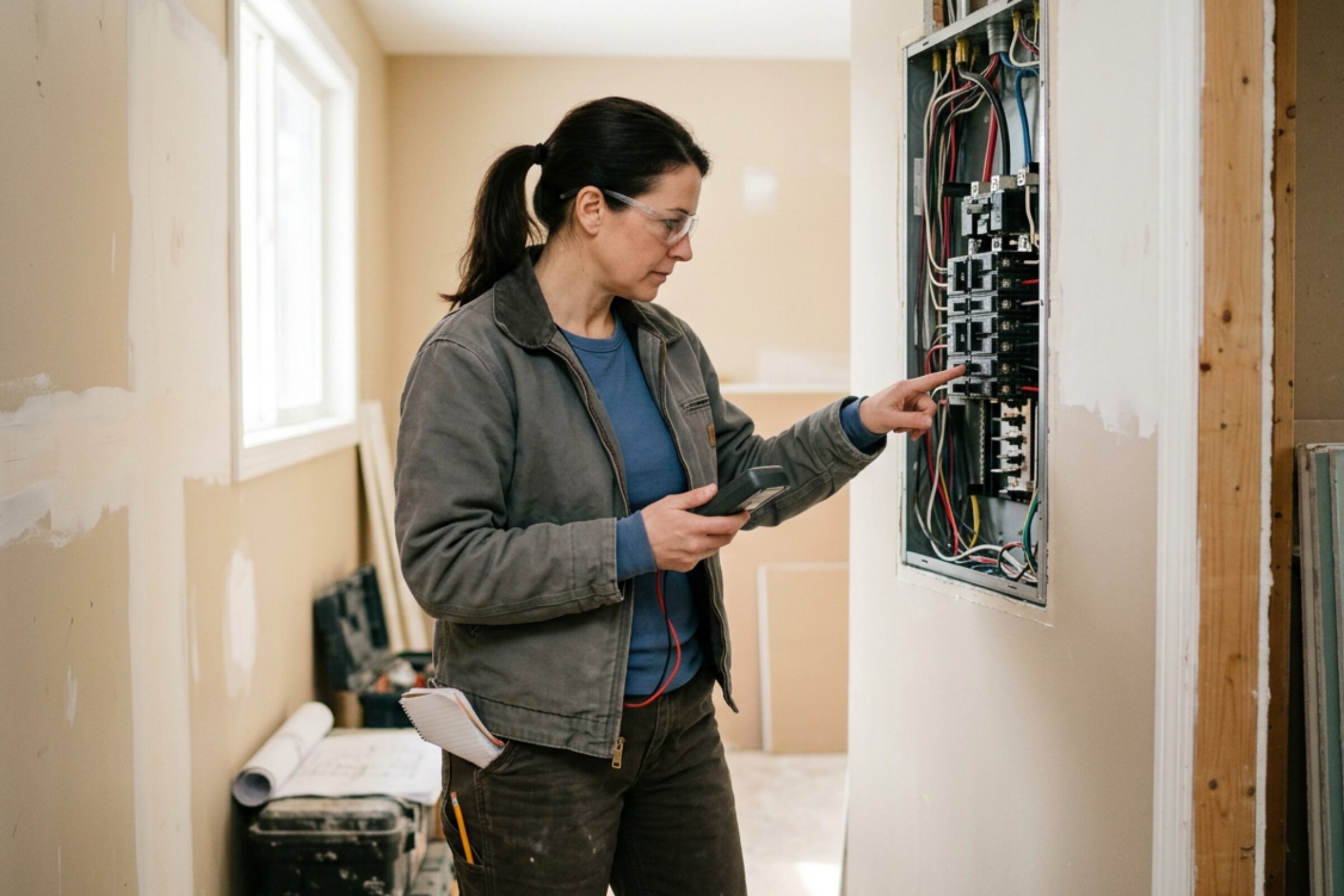
An electrician usually starts with the symptoms, then traces them back through the system. That can include checking breakers, testing outlets, measuring voltage, inspecting wiring connections, reviewing load demands, and looking for damage, wear, or code problems. In newer homes, the problem may be tied to a specific fixture or device. In older homes, it may point to aging wiring, overloaded circuits, or an undersized panel.
The point is simple. The visible problem is not always the real one.
A dead outlet might be caused by a tripped GFCI in another room. Flickering lights might come from a loose neutral connection, not a bad bulb. A Heat pump and AC system that keeps cutting out might not have a problem in the equipment itself. It could be a wiring issue, a breaker issue, or a service capacity issue.
That is why careful diagnosis saves time.
Why troubleshooting is so important in homes
Safety comes first
This is the obvious reason, but it still deserves real attention. Electrical issues can become fire hazards, shock hazards, or both. Warm outlets, buzzing switches, sparks, a burning smell, breakers that trip repeatedly, and lights that dim unexpectedly are not small annoyances. They are warning signs.
Some homeowners get used to these symptoms. That worries me. People adapt fast. If a breaker trips twice a month, it can start to feel normal. It is not. A breaker is doing a job, and repeated tripping usually means the circuit is overloaded, shorting, or protecting against a fault.
Troubleshooting helps separate a minor issue from a dangerous one. More importantly, it catches hidden problems before they become emergencies.
It prevents wasted money
Guesswork is expensive. Replacing a switch because a light flickers might feel productive, but if the actual problem is loose wiring in a junction box, the money and time were wasted. The same goes for replacing fixtures, appliances, or chargers when the real fault is upstream in the circuit.
A proper diagnosis narrows the problem down first. Then the repair can be targeted. That usually means fewer repeat visits, fewer unnecessary parts, and a fix that lasts.
It protects the rest of the electrical system
Electrical systems are connected. One issue can put stress on other parts of the home.
For example, if a panel is outdated or undersized, homeowners may notice random problems across several circuits. Lights may dim when major appliances start. Breakers may feel overly sensitive, or not sensitive enough. A new EV Charger may expose a capacity problem that was already there, just hidden. Troubleshooting reveals these larger patterns.
That matters because fixing one failing outlet does not help much if the service panel is the real weak point.
It helps with planning upgrades
Troubleshooting is not only for emergencies. It also plays a big role in General renovation projects.
If you are opening walls, adding Lighting, remodeling a kitchen, wiring a basement, installing a backup generator, or preparing for Heat pump and AC equipment, it makes sense to understand the condition of the existing system first. Older wiring, mixed circuit types, poor past workmanship, or overloaded panels can complicate new work.
A good troubleshooting process gives homeowners a clearer picture of what they already have. That helps them plan upgrades in the right order.
Common signs that call for troubleshooting
Some electrical issues are dramatic. Many are subtle. Here are some of the most common signs that deserve a closer look:
-
Breakers that trip repeatedly
-
Lights that flicker, dim, or brighten unexpectedly
-
Outlets or switches that feel warm
-
Buzzing sounds from panels, outlets, or fixtures
-
Burning smells near electrical devices
-
Dead outlets with no obvious cause
-
GFCI outlets that will not reset
-
Appliances that lose power intermittently
-
A panel that feels outdated for current household demands
-
New equipment, like an EV Charger or mini split, that seems to strain the system
A single symptom does not always mean a major problem. But recurring symptoms usually mean something needs attention.
How professional troubleshooting works
Homeowners sometimes imagine troubleshooting as one quick test. In reality, the process is more layered than that.
Step 1: Start with the symptom
What exactly is happening? When does it happen? Does it affect one room or several? Does it happen only when certain appliances run?
Those details matter. A kitchen circuit that trips when a toaster and kettle run together points toward load demand. A bedroom light that flickers only in windy weather might suggest a loose service connection or a fault affected by movement.
Step 2: Check the simplest causes first
A skilled electrician usually starts with the basics. Tripped breakers, failed bulbs, GFCI resets, damaged cords, loose plug connections. There is no glory in skipping ahead if the answer is simple.
But simple does not mean careless. The goal is to rule things out in a logical order.
Step 3: Test the circuit
This is where real troubleshooting starts to separate itself from guessing. Voltage tests, continuity checks, load testing, and inspection of connections can reveal whether the fault sits in the fixture, device, branch circuit, panel, or service.
For instance, if an outlet has no power, testing may show that the hot conductor is present but the neutral is lost. That points to a different problem than a fully dead circuit.
Step 4: Look for root causes
A lot of electrical faults are symptoms of a deeper issue:
-
loose terminations
-
aging or damaged wiring
-
overloaded circuits
-
moisture intrusion
-
improper earlier repairs
-
incompatible devices
-
an undersized panel or service
Without finding the root cause, the repair is often temporary.
Step 5: Confirm the repair
This part matters more than people think. After the fault is corrected, the system should be tested again under normal use. If a breaker used to trip under load, the circuit should be evaluated after the repair to confirm the problem is gone.
That final check is what turns a repair into a reliable repair.
Troubleshooting and older homes
Older homes can be charming. They can also be electrically weird.
In many houses, the electrical system has evolved over decades. One owner adds a fixture. Another adds a dishwasher. Someone finishes the basement. Someone else does a partial renovation. After enough changes, the original design no longer matches how the house is used.
That is where troubleshooting becomes especially valuable.
Older homes may have:
-
insufficient circuits for modern appliance use
-
outdated panels
-
aluminum wiring in some sections
-
hidden junctions or undocumented modifications
-
deteriorated insulation on older conductors
-
poor grounding or bonding
None of those problems are always visible on the surface. A room may work fine most days while still hiding a real hazard behind the wall.
If you live in an older home and are planning new wiring or upgraded Lighting, troubleshooting the existing setup first is usually the smart move. It is also a practical first step before hiring residential electrical services for more involved repairs or upgrades.
Why troubleshooting matters before renovations
A lot of electrical surprises show up during General renovation work. Walls come open and suddenly there are spliced wires outside boxes, overloaded circuits feeding new spaces, or service panels that cannot support added demand.
This is one reason renovation budgets get blown up.
When troubleshooting happens early, you are less likely to design around false assumptions. Maybe the original plan was only to add pot lights and a few receptacles. Then testing shows the existing branch circuit is already near capacity. Or a bathroom renovation turns up grounding problems that need correction before new fixtures go in.
It can feel frustrating to hear that a simple project has deeper issues. I get that. But finding those issues before the drywall goes back up is a whole lot better than discovering them after.
Specific systems where troubleshooting makes a big difference
Wiring
Wiring problems are not always dramatic. Sometimes they show up as inconsistency. Half a room loses power. A switch works only if you jiggle it. A plug falls out of an outlet too easily. These issues may seem minor, but they often point to loose connections, worn devices, or damaged conductors.
In renovation work, wiring troubleshooting also helps determine what can stay and what should be replaced.
Lighting
Lighting problems are often dismissed because bulbs seem easy to blame. Sometimes the bulb is the issue. Sometimes it is not even close.
Frequent bulb failure can point to voltage problems, vibration, poor fixture compatibility, or heat buildup. Flickering lights may be caused by dimmer mismatch, a loose connection, or a shared neutral issue. Outdoor Lighting can fail because of moisture, damaged cable, or transformer problems.
Good troubleshooting avoids the cycle of replacing lamps and fixtures without solving the reason they keep failing.
EV Charger installation
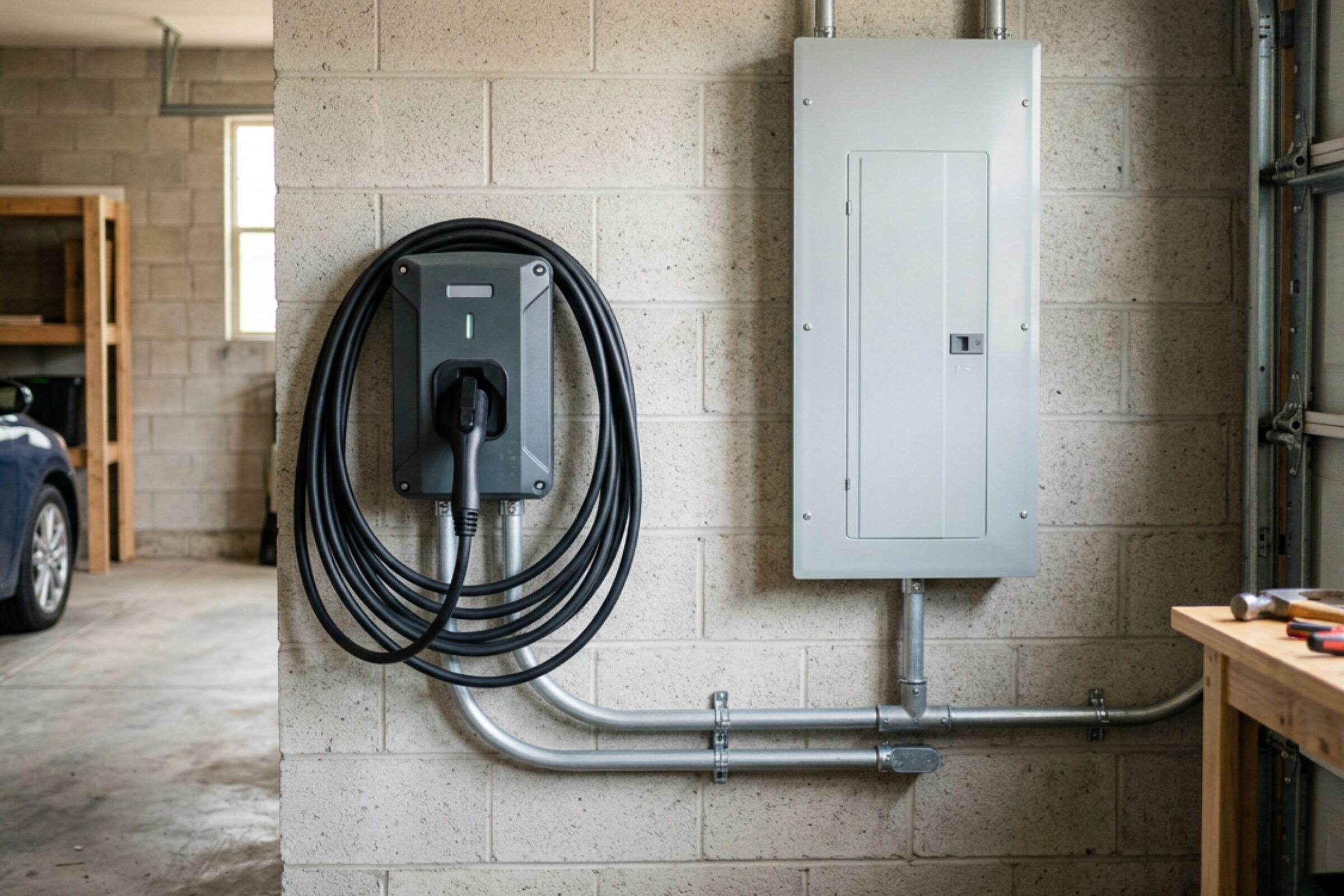
An EV Charger places a substantial and recurring load on a home’s electrical system. That means troubleshooting is important before installation and after, if charging problems appear.
If charging is slow, interrupted, or causes breaker trips, the issue might involve circuit sizing, panel capacity, voltage drop, connection quality, or the charger itself. In some homes, installing a charger reveals that the existing service is already near its limit. That is not a reason to avoid the upgrade. It is a reason to diagnose correctly and plan around reality.
Heat pump and AC wiring
Heat pump and AC systems depend on clean, stable electrical supply. If the wiring is undersized, connections are poor, or breakers are mismatched, the equipment may short cycle, fail to start properly, or trip protection devices.
Troubleshooting here matters because HVAC symptoms can look mechanical when they are actually electrical. Replacing parts on the unit will not help much if the feeder or disconnect is the actual problem.
Panel and service upgrade decisions
A Panel and service upgrade is one of the biggest electrical decisions a homeowner can make. It is also one that should be based on evidence, not fear.
Troubleshooting helps answer useful questions. Is the panel actually failing, or is one branch circuit overloaded? Is the service too small for modern needs? Is the problem localized, or systemic? Are there signs of heat damage, corrosion, or unsafe modifications?
Sometimes troubleshooting confirms that a full upgrade is necessary. Sometimes it shows that a more focused repair will do. Either result is useful.
What homeowners should do before calling
You do not need to diagnose the fault yourself, but a few observations can help:
-
note when the problem happens
-
identify which rooms or devices are affected
-
check whether a breaker or GFCI has tripped
-
stop using anything that smells hot, sparks, or feels unusually warm
-
avoid repeated breaker resets if it keeps tripping
That last point matters. Resetting a breaker once after an obvious overload is one thing. Repeatedly forcing it back on without understanding the cause is not a good habit.
When not to DIY
Some home maintenance is reasonable to handle on your own. Electrical troubleshooting has limits.
If you are dealing with panel issues, recurring trips, hidden wiring faults, aluminum wiring, service capacity concerns, or anything involving Heat pump and AC equipment, an EV Charger, or renovation rewiring, this is usually professional territory. The same goes for any sign of overheating, burning smell, or arcing.
Electricity is unforgiving. A wrong assumption can turn a manageable repair into a dangerous one.
The bigger picture
Troubleshooting is easy to undervalue because it is not flashy. There is no visible upgrade to admire afterward. No new fixture, no shiny charger on the wall, no newly finished room.
But it is some of the most important work in home electrical services.
It protects people. It protects property. It makes repairs more accurate and upgrades more realistic. It helps homeowners understand whether they need a simple fix, new wiring, better Lighting design, support for an EV Charger, proper wiring for Heat pump and AC systems, or a full Panel and service upgrade.
Most of all, it replaces uncertainty with facts. And in electrical work, facts are what keep a home safe.