


A 200A panel upgrade sounds simple when people first hear it. Replace the old panel, flip the breakers back on, done.
Real life is messier than that.
In Burnaby, a proper service upgrade usually involves the panel, the meter base, grounding and bonding, permits, inspection, and BC Hydro disconnect and reconnect scheduling. That is why two quotes for what sounds like the same job can land far apart. One may cover the full job. Another may only cover the box on the wall.
If you are budgeting for a renovation, adding a suite, planning an EV charger installation, or just trying to move beyond an aging 100A service, it helps to know what you are actually paying for.
Quick cost snapshot for Burnaby homes
These are typical installed, turnkey ranges for 2026 in Burnaby and the greater Vancouver area.
ScopeTypical installed costTypical on-site time100A to 200A panel swap$3,500 to $5,000About 1 day200A upgrade with new meter base$5,000 to $6,5001 to 2 days200A upgrade with service relocation$6,500 to $9,0002 to 3 days400A residential service$9,000 to $15,000+2 to 4 days
Those numbers usually assume a turnkey job that includes the permit, Technical Safety BC inspection coordination, and BC Hydro coordination. If a quote leaves out any of those pieces, the price can look lower at first and grow later.
That happens more than it should.
What a complete 200A upgrade should include
A full upgrade is more than a new breaker panel. At minimum, most homeowners should expect the following work to be included in the scope:
-
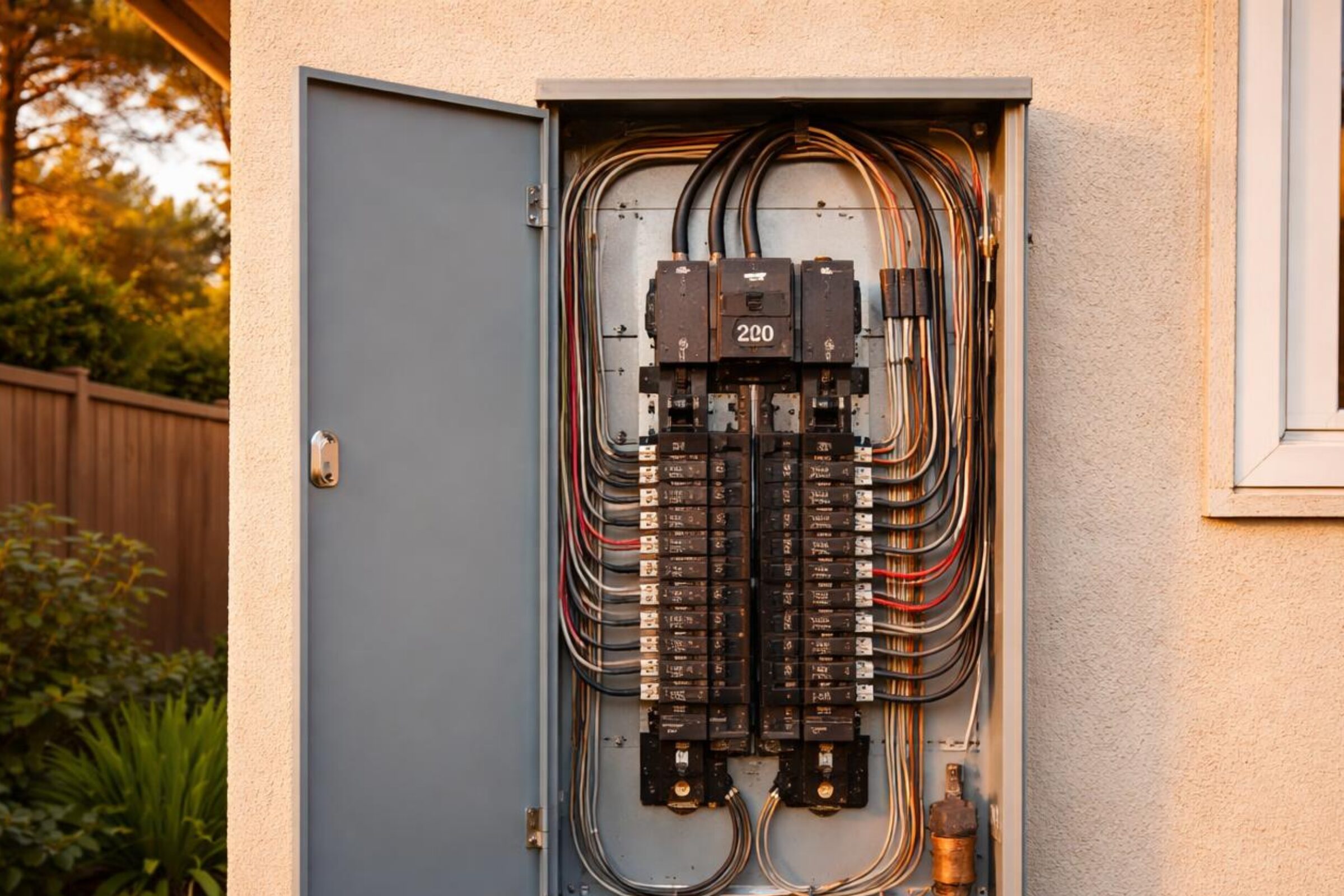
A new 200A CSA approved main panel
-
A 200A rated meter base approved for BC Hydro connection, when required
-
Grounding and bonding updates, including rods and bonding work where code requires it
-
Permit application pulled in the contractor’s name with Technical Safety BC
-
Inspection scheduling and sign-off coordination
-
BC Hydro disconnect and reconnect scheduling
That last part matters. A panel change cannot happen in isolation because the utility connection has to be handled in the correct order. No inspection sign-off, no reconnection.
If you are reviewing quotes, this is the first place to slow down and read carefully. A “panel upgrade” that does not clearly mention meter equipment, grounding, permit, and utility coordination may not be a true apples-to-apples comparison.
Why the price can jump from one house to the next
Homeowners often ask why one 200A upgrade is around $4,000 and another is closer to $8,000. Usually the answer is not mystery pricing. It is scope.
Straight panel swap
This is the simplest version. The service entry stays where it is. The meter setup does not need major changes. Access is decent. Grounding is close to code already. In that situation, the work is often a one day residential electrical job.
This is where that $3,500 to $5,000 range usually lives.
New meter base required
Older homes do not always have a meter base that works for the new service arrangement. Once that equipment needs replacement, the labor and material count climbs. The job may still be fairly straightforward, but it is no longer just swapping one interior panel for another.
That tends to push the price into the $5,000 to $6,500 range.
Service relocation
If the service point has to move, the job gets more complicated fast. Maybe the service mast needs to be relocated. Maybe there is a change to the overhead drop position. Maybe access rules, clearance issues, or site changes force a new setup.
This is where you start seeing $6,500 to $9,000, and sometimes more if there are unusual access problems or extra infrastructure changes.
400A service
A 400A residential service is a different scale of project. More equipment, more conductors, more planning, and sometimes trenching or conduit work. BC Hydro coordination can also get heavier here. The price range of $9,000 to $15,000 or more reflects that jump in scope.
Some large custom homes need it. Many do not. Bigger is not always smarter. Load calculations should drive that decision, not guesswork.
The local process, step by step
In Burnaby and across the lower mainland, the calendar for a panel upgrade is often shaped more by coordination than by screwdriver time.
Here is the usual sequence.
1. Site assessment and scope review
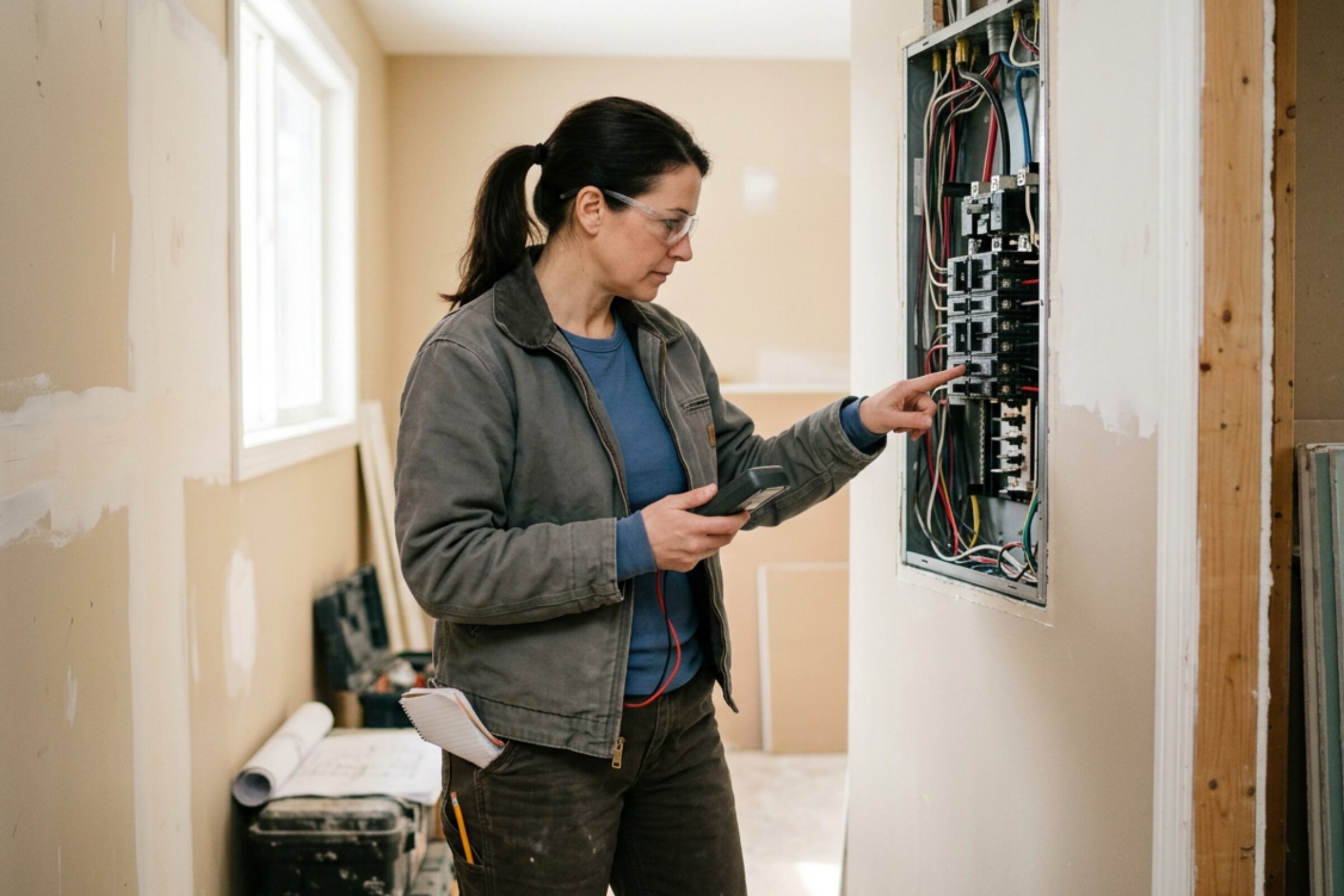
An electrician reviews the existing service size, panel condition, meter location, grounding, and whether the service point can stay where it is. This is also where hidden cost drivers show up, things like corroded equipment, poor access, or grounding that needs a full update.
This is why firm pricing often comes after an on-site look. Photos help, but they miss details.
2. Permit submission
For most contractor-managed upgrades, the permit is pulled in the contractor’s name with Technical Safety BC. A common administrative processing window is about 3 to 5 days.
That is not the whole project timeline. It is just one early step.
3. BC Hydro disconnect scheduling
This is usually the biggest calendar variable. Common lead times are around 2 to 4 weeks, depending on utility availability and how complex the service change is.
People often hear “one day job” and assume that means the whole thing starts next Tuesday. It usually does not. The on-site labor might be one day. The scheduling around it may take weeks.
4. Day-of installation
On the scheduled day, BC Hydro typically disconnects power in the morning. For a straightforward swap, the physical installation can often be completed in about 8 hours.
That may include removing the old panel, installing the new 200A panel, landing circuits, updating grounding and bonding, and replacing the meter base if the approved scope calls for it.
If the job involves relocation, exterior service work, or other wiring upgrades, it can take longer.
5. Inspection before reconnect
Technical Safety BC inspection sign-off is required before BC Hydro reconnects power. This is not a paperwork technicality. It is the gate that confirms the work is safe and code compliant.
If all goes smoothly and the schedule lines up, reconnection can happen the same day. If inspection timing or utility timing slips, the project can stretch beyond the planned workday.
6. Closed permit documentation
Once the work is complete and finalized, the closed permit record should be provided to the homeowner. Keep it.
That document matters for insurance files, future resale, and any questions that come up later about whether the service upgrade was properly inspected.
How long does the whole process really take?
This is the question people ask after hearing the price, and it is the right question.
For a simple 100A to 200A upgrade, the electrical work itself may take about one day. But the whole process often runs 2 to 5 weeks when you include permit processing and BC Hydro scheduling.
For a job with a new meter base or relocation, the on-site work may take 1 to 3 days, while the full calendar can still stretch several weeks because coordination windows do not care how fast the installer works.
That gap between labor time and project time is where a lot of frustration comes from. Nobody loves waiting for a disconnect slot. It is still part of the job.
What pushes a house to need 200A service?
Some homes truly need the extra capacity. Some do not.
I think this is where homeowners get mixed signals. Bigger service can be necessary, but it is not a trophy. The real question is whether your house load justifies it.
Common reasons for a 200A upgrade include:
-
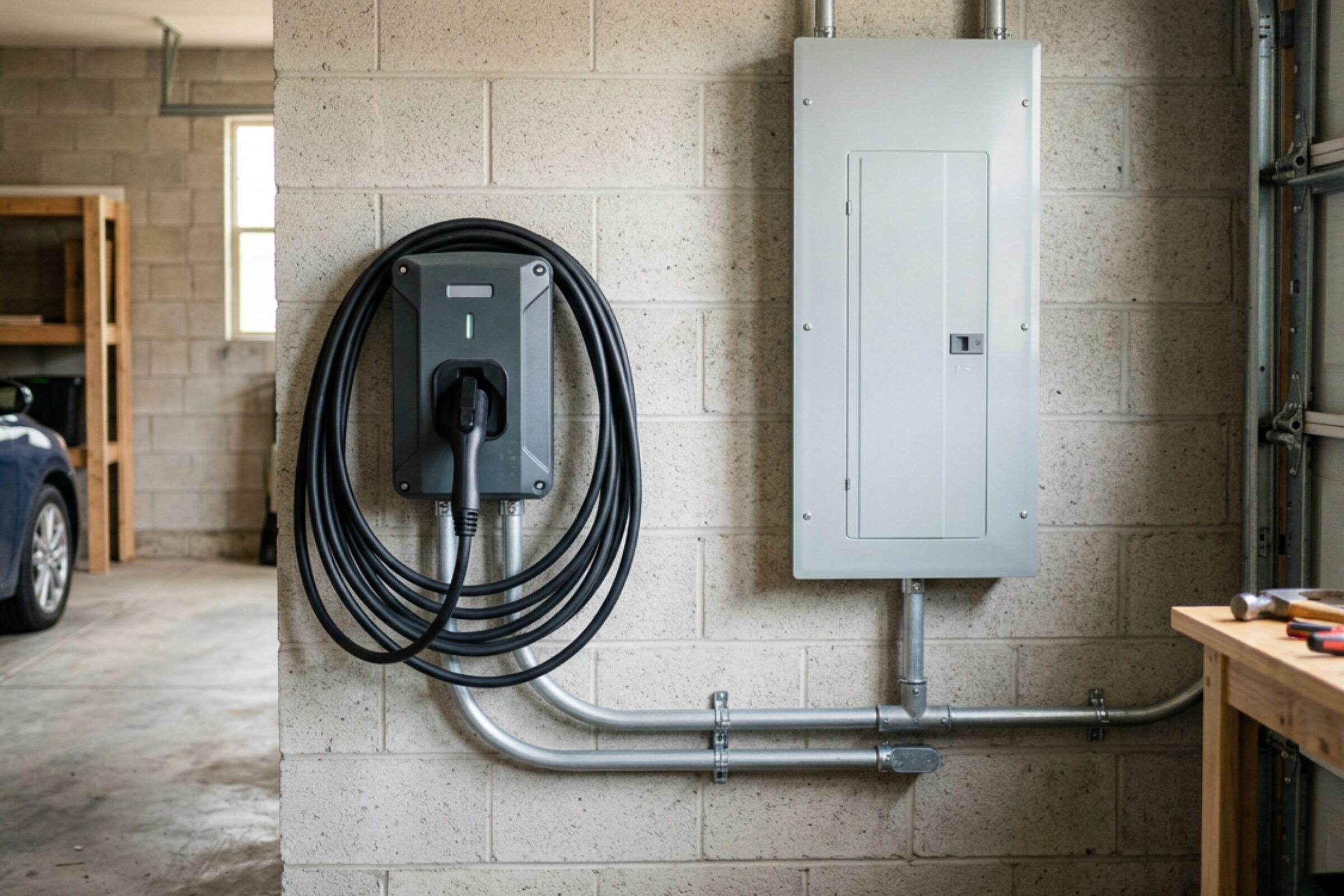
Adding a Level 2 EV charger installation
-
Converting to electric heating or adding a heat pump
-
Installing a hot tub, sauna, or large electric appliances
-
Building a secondary suite
-
Replacing an old panel during major wiring upgrades
-
Running out of breaker space on an older 100A system
Across Vancouver, Burnaby, and nearby cities, residential electrical demand has climbed because homes are adding more electric equipment than they were designed for decades ago. An EV charger, induction range, dryer, heat pump, and suite laundry can stack up quickly.
Commercial electrical and industrial electrical projects are a different conversation because load planning there depends on operating equipment, service layout, and business use. For homes, the decision should come from an actual load calculation and a look at future plans, not just the age of the panel.
Permits, inspections, and the homeowner permit question
Many homeowners ask if they can pull a homeowner permit and do the upgrade themselves.
On paper, that sounds like a way to save money. In practice, a service upgrade is one of the least forgiving places to learn as you go.
You are dealing with service equipment, utility coordination, grounding requirements, inspection sequencing, and records that may affect insurance or resale later. Because of that, most homeowners use licensed electricians who pull the permit in their own name and handle the process start to finish.
If you are considering a homeowner permit, check the current Technical Safety BC rules and BC Hydro requirements for your exact situation before assuming it is practical. Even when it is allowed in some form, many people decide the coordination risk is not worth it.
That is not fear talking. It is just a realistic read on how many moving parts are involved.
How to read a quote without missing hidden scope
If you are collecting estimates for electrical services in Burnaby or elsewhere in the greater Vancouver area, ask these questions in plain language:
-
Does the quote include permit and inspection coordination?
-
Does it include BC Hydro disconnect and reconnect scheduling?
-
Is the meter base included if required?
-
Are grounding and bonding upgrades included if the inspector requires them?
-
Does the price assume the service location stays the same?
A written quote after a site visit is usually the cleanest way to avoid confusion. That matters even more in older homes, where the visible panel may be only part of the real work.
When this stops being a planned upgrade and becomes an urgent repair
Sometimes a panel upgrade is a future project. Sometimes it is not.
If your panel shows heat damage, buzzing, corrosion, water entry, tripping that is getting worse, or breakers that no longer seat properly, treat that as a safety issue. At that point you may need a licensed electrician right away, not just a quote for later. In serious cases, this shifts from planned residential electrical work to a 24/7 emergency service call.
An old panel is not automatically dangerous. A damaged panel can be.
The part most people underestimate
If you take one thing from this guide, make it this: the upgrade is not just the panel.
In Burnaby, the big cost and timeline drivers are often the pieces around the panel, meter equipment, grounding, permit handling, inspection sign-off, and BC Hydro scheduling. A straightforward swap can still be simple. But once relocation, meter changes, or larger service capacity enter the picture, the job gets heavier fast.
So if you are planning wiring upgrades, a renovation, or an EV charger installation, start with the full scope, not the box on the wall. That is how you get a useful budget, a realistic timeline, and paperwork that will still make sense years from now.