



An electrical project can look straightforward on a contractor’s estimate: replace a panel, add a circuit, or install an EV charger. Permit and inspection costs are often less obvious. Homeowners may wonder whether those charges are included, while business owners need to know how inspections could affect access, shutdowns, and the construction schedule.
For a project in Burnaby, the safest approach is to confirm the current municipal fee schedule before setting the final budget. No verified 2026 dollar amounts are presented here. Exact charges, fee categories, and inspection requirements need confirmation through the City of Burnaby’s current official information.
You can still prepare a useful budget without guessing. Understanding how permits fit into electrical work, what to ask your contractor, and which details to confirm with the City will help you compare estimates and avoid preventable surprises.
What Electrical Permit and Inspection Fees Cover
An electrical permit is part of the regulatory process for work that requires authorization. It identifies the proposed work and gives the responsible authority information needed to administer oversight. Inspections assess whether the installation meets applicable requirements at the stages the authority considers necessary.
A permit does not replace professional design or installation. An inspection also should not be treated as a guarantee that every part of an existing property’s electrical system has been evaluated. The scope of the permit and inspection matters.
Municipal charges are separate from the contractor’s costs for labor, materials, equipment, and project coordination. A contractor may include permit-related expenses in an estimate or show them as separate line items. Either approach can be clear, provided the estimate explains what is included.
Before comparing two quotes for electrical services, check that they cover the same scope. One price may include permit administration and inspection attendance, while another may account only for installation.
How to Confirm the Current Burnaby Fee Schedule
Start with the City of Burnaby’s official permit information and current electrical fee schedule. Check the document’s effective date and any accompanying notices. A document found through a search engine may still be accessible even if a newer schedule has replaced it.
The document title alone is not enough to establish a fee. You need the readable schedule, its calculation rules, and any notes that apply to your project. If those details are unclear, contact the City’s permit staff before relying on an amount.
Describe the actual work rather than asking only, “How much is an electrical permit?” A panel replacement, service upgrade, tenant improvement, and temporary construction supply may involve different considerations. Even projects that sound similar can differ in scope.
For a 2026 budget, ask which schedule applies to the application and when the fee is determined. Do not assume that the estimate date, application date, permit issuance date, or inspection date controls the charge. That is a question for the issuing authority.
It is also worth confirming who has jurisdiction over the specific installation. Working elsewhere in Vancouver, the greater Vancouver area, or the Lower Mainland does not establish which rules or charges apply in Burnaby.
Panel Work: Why the Project Description Matters
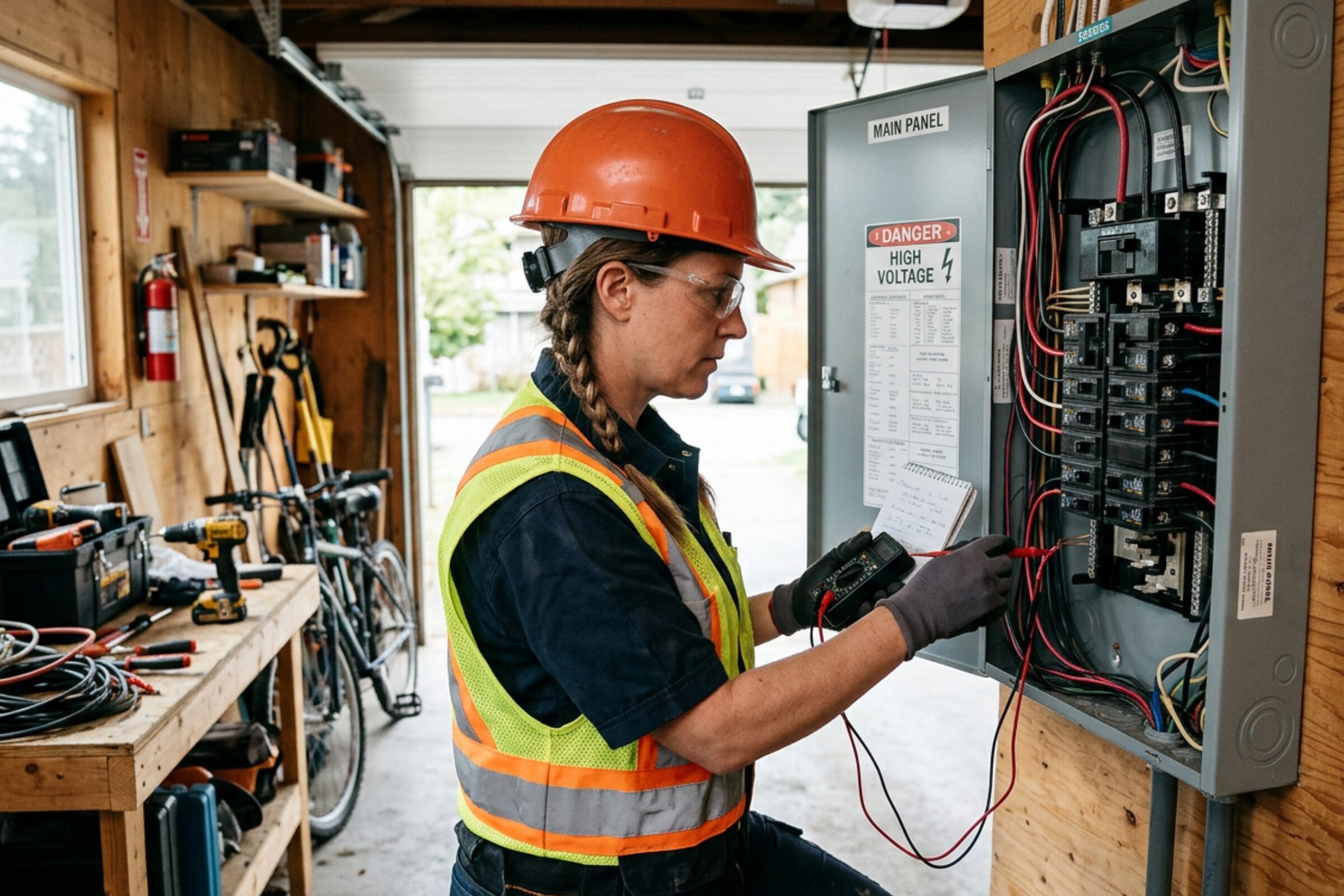
“Panel upgrade” is a convenient phrase, but it can describe several different jobs. Replacing an aging panel without changing the electrical service is different from increasing service capacity. Relocating equipment or adding distribution equipment creates another scope again.
That distinction matters for both pricing and permit planning. The contractor needs to identify what will change, what will remain, and whether other parties must coordinate with the work.
Residential panel work
For residential electrical projects, a panel replacement may be prompted by equipment condition, renovation plans, or a need for additional circuits. Wiring upgrades and EV charger installation can also lead to a review of available capacity.
A full panel does not automatically mean the home needs a larger electrical service. Space for breakers and the capacity to supply the expected load are different questions. A qualified contractor should evaluate both before recommending a solution.
Ask whether the estimate covers only the panel or also includes service equipment, grounding and bonding work, circuit modifications, and utility coordination where necessary. The permit application should describe the work being performed.
Commercial panel work
Commercial electrical work often involves occupied spaces, shared building systems, and limits on when power can be interrupted. A panel project may be part of a tenant improvement or a change in equipment use.
The municipal fee is only one budget consideration. Inspection coordination, access to electrical rooms, and planned shutdowns can affect the contractor’s time and the business’s operations.
For example, replacing a panel in an occupied retail unit may require an agreed shutdown window. The contractor and property manager should address that early rather than assuming the work can happen during normal business hours.
Industrial panel work
Industrial electrical projects may involve process equipment, motors, controls, or specialized distribution systems. The word “panel” alone tells the permit authority very little about such a project.
A useful scope identifies the equipment involved and the proposed changes. Depending on the installation, design documentation or professional involvement may also be needed. Confirm those requirements rather than assuming residential procedures apply.
Do not infer Burnaby’s fee categories from these project types. The current official schedule must establish how the City classifies and charges for the work.
EV Chargers and Wiring Upgrades Need Their Own Scope
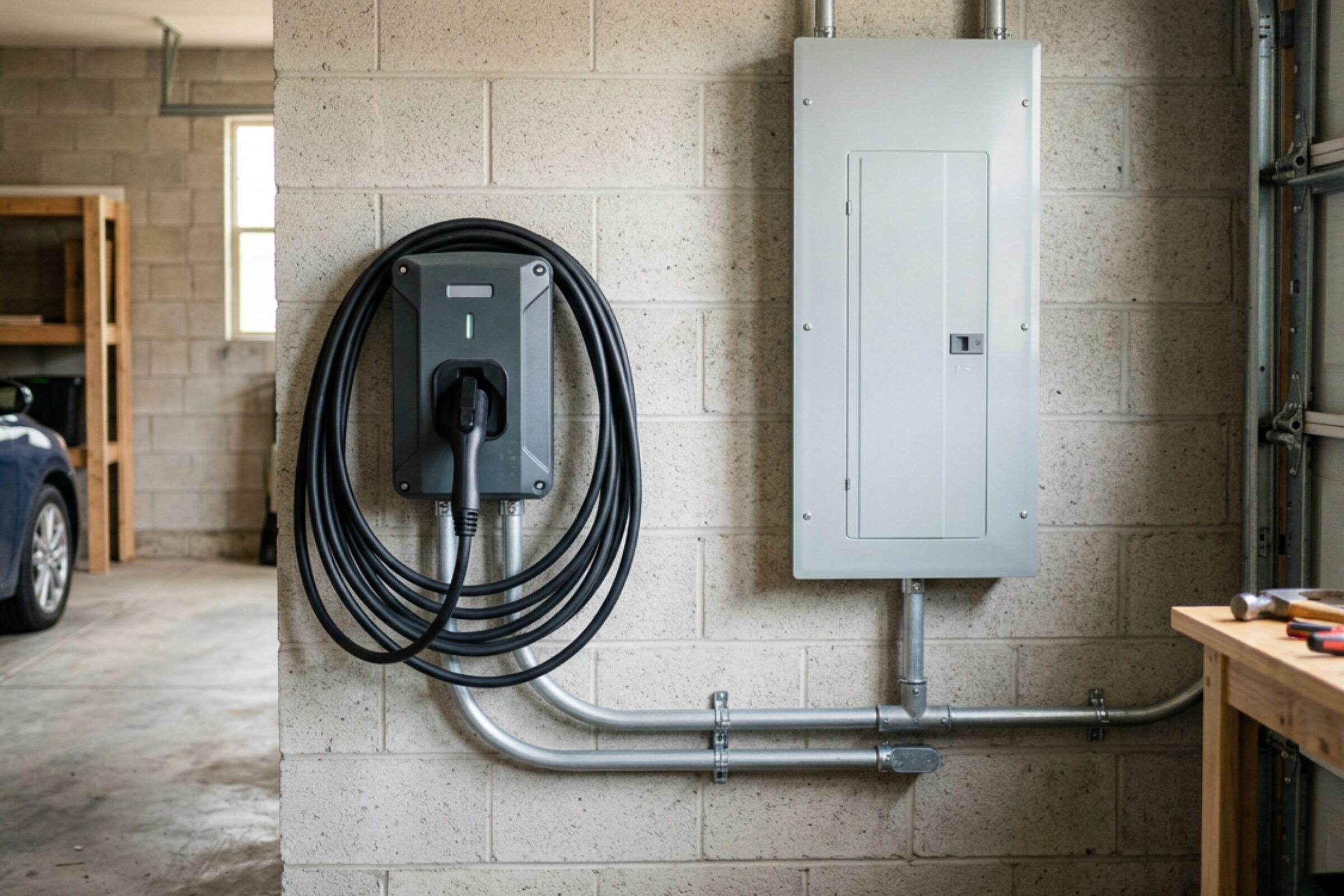
An EV charger installation is not priced accurately by counting the charger alone. Circuit routing, available capacity, installation location, and building conditions all affect the work.
In a detached home, the project might involve a dedicated circuit and suitable protection. In a multi-unit building, it may also involve shared infrastructure, load management, and strata approval. Commercial charging can raise further questions about access and electrical distribution.
Building-owner or strata approval does not replace a required electrical permit. The reverse is also true: a permit does not resolve every private-property approval.
Wiring upgrades deserve the same care. Adding a circuit is different from replacing damaged wiring throughout several rooms. Before seeking a permit estimate, define the locations, equipment, and intended use. A clear scope helps the contractor provide a meaningful price and helps the authority identify the applicable process.
Re-Inspections: Understand the Risk Without Assuming a Charge
A re-inspection is a further inspection after an earlier visit or review. It may be needed because work requires correction, the installation was not ready, or the inspector could not assess part of the permitted scope.
That does not establish whether Burnaby charges a separate fee in a particular situation. The current schedule and applicable procedures must answer that question.
There are two possible cost issues to distinguish. One is an authority’s re-inspection charge, if applicable. The other is the contractor’s time to correct work, return to the property, or attend another inspection. A quote should explain how additional visits are handled.
Responsibility also depends on the circumstances and contract terms. A contractor correcting their own installation error is different from returning because the owner requested a change after work was completed.
Ask how inspection readiness will be checked before booking. Required work should be accessible, documentation should be available, and access arrangements should be confirmed. Avoid covering work before any required inspection stage has been completed or the authority has authorized proceeding.
Temporary Power Is a Separate Planning Question
Temporary electrical power may be needed during construction or while a permanent supply is unavailable. Temporary does not mean informal. Equipment still needs to be appropriate for the conditions and installed safely.
Confirm whether temporary power requires a separate application, how the fee is calculated, and what inspections are necessary. Also ask what must happen when the temporary installation is removed or replaced by permanent service.
The total cost may include equipment rental, installation, protection against site conditions, removal, and utility-related charges. Those expenses should not be confused with municipal permit fees.
For a renovation, temporary power may keep some site activities running during a service interruption. It should be planned with the contractor and relevant authority, not improvised when the scheduled shutdown begins.
Questions to Ask Before Accepting an Estimate
A good estimate should make the permit process understandable. You should not have to guess who submits the application or whether inspection coordination costs extra.
Use these questions when discussing the project:
-
Does the quoted price include the electrical permit fee, or is that amount an allowance?
-
Who will apply for the permit and confirm that the application describes the full scope?
-
Does the price include arranging inspections and attending when necessary?
-
How are scope changes, corrective work, and additional inspection visits handled?
-
Are utility charges, temporary power, shutdown coordination, or other approvals separate?
An allowance can be reasonable when the final charge is not yet known. It should be labeled as an allowance, with an explanation of how the actual cost will be reconciled.
For larger projects, ask for a written description of exclusions. “Permit included” may not tell you whether the price also includes fees for revised work or the contractor’s time for an unplanned return visit.
Keep Permit Costs Separate in Your Budget
Treat municipal fees as an identifiable part of the project budget rather than burying them in a general contingency. That makes it easier to track changes and compare estimates fairly.
Your working budget can separate installation costs, permit and inspection charges, utility-related expenses, and coordination costs. If an amount is unverified, mark it as pending confirmation rather than filling the space with a guess.
For example, an EV charger quote might identify the electrical installation price while leaving the permit fee as an allowance. That is workable if the contractor confirms the fee before proceeding and explains any adjustment. It becomes confusing when an allowance is presented as a fixed, verified charge.
Emergency work needs similar clarity. Access to 24/7 emergency service does not mean permit obligations disappear. Immediate safety measures and permanent repairs may follow different procedures, which the contractor should confirm with the relevant authority. Do not assume an urgent call removes the need for authorization or inspection.
What to Keep When the Work Is Finished
Once the project is complete, retain the permit information, inspection records or status confirmation, invoices, and documentation of any approved changes. Ask the contractor how you can verify that the required permit process has been completed.
This paperwork can help during future renovations, property transactions, or questions about what was installed. It also gives the next electrician a better starting point than an undocumented panel replacement or added circuit.
For commercial and industrial properties, keep relevant electrical documentation with building maintenance records. Updated circuit identification and drawings, where provided, can reduce confusion during later work.
A Reliable Budget Starts With Verified Details
Burnaby electrical permit and inspection fees should come from the current official schedule, applied to a clearly described project. Residential, commercial, and industrial work can have different practical needs, but those differences do not establish specific municipal charges.
Before authorizing work, confirm the scope, clarify who handles permits and inspections, and separate verified costs from allowances. Licensed electricians should be able to explain their part in that process without asking you to rely on assumptions.
The goal is simple: know what you are paying for, understand what still needs confirmation, and keep the permit process connected to the work actually being done.