


A building can have working lights, functioning equipment, and no obvious electrical problems, yet still fall short of its legal operating requirements. That catches many property managers and business owners off guard.
In British Columbia, certain electrical systems require an Electrical Operating Permit. Where one is required, the permit is tied to ongoing electrical responsibility, not a one-time installation approval. A qualified Field Safety Representative, usually called an FSR, plays a central role in that responsibility.
This can feel like paperwork until something goes wrong. Then it becomes very real. An electrical fire, equipment failure, worker injury, insurance claim, or regulatory inspection may bring questions about who was responsible for the system, whether the required permit was in place, and whether maintenance was properly managed.
Here is what property owners in Vancouver, Burnaby, and the rest of the Lower Mainland should know.
What Is an Electrical Operating Permit?
An Electrical Operating Permit authorizes the operation of certain regulated electrical equipment or installations. It differs from an installation permit.
An installation permit generally covers a defined piece of work, such as adding a new circuit, completing rewiring, installing a service upgrade, or connecting new equipment. Once the work is inspected and accepted, that permit is closed.
An operating permit is different. It applies to the continued use and maintenance of electrical systems that require ongoing oversight. It recognizes that some equipment needs more than a correct installation. It needs a person with the appropriate qualifications to manage maintenance, repairs, alterations, and safety issues over time.
The specific permit requirements depend on the electrical authority that has jurisdiction over the property. In much of British Columbia, Technical Safety BC administers electrical permits and safety requirements. Some municipalities, including the City of Vancouver, have their own electrical permitting and inspection authority. That distinction matters.
Before assuming your property is exempt or covered, confirm which authority governs the address and ask whether an operating permit is required for the equipment in question.
What Does FSR Mean?
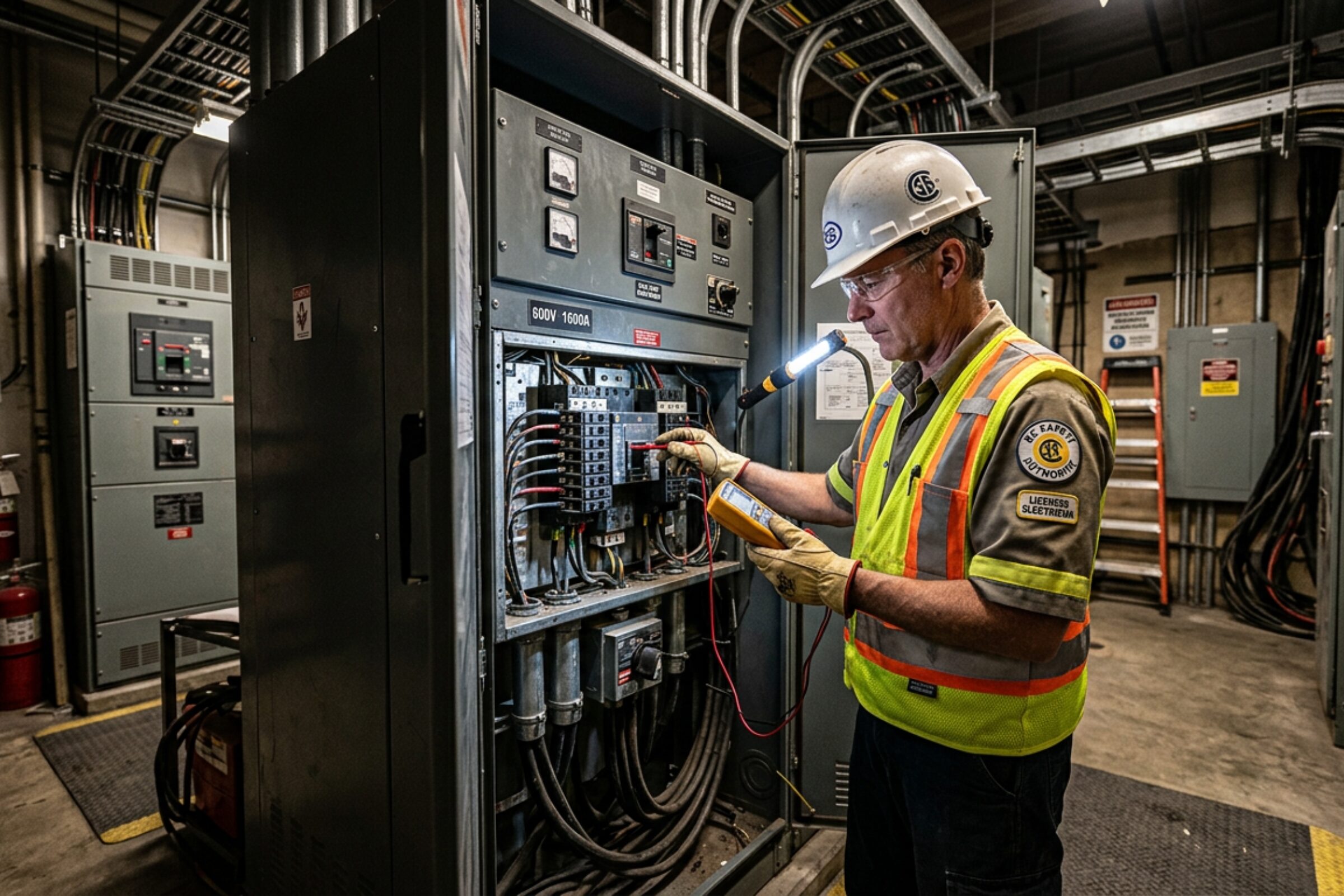
FSR means Field Safety Representative. An FSR is a qualified electrical professional who has met British Columbia’s certification requirements for a particular class of electrical work.
An FSR’s role is not merely administrative. They are responsible for ensuring electrical work and electrical systems under their authority comply with applicable safety rules, codes, and permit requirements.
Depending on their certificate class and scope, an FSR may take responsibility for work involving:
-
Low-voltage commercial or industrial electrical systems
-
High-voltage equipment and distribution systems
-
Specific types of industrial installations
-
Maintenance and alterations to equipment covered by an operating permit
The scope of an FSR certificate matters. A person qualified for one category of work may not be qualified to take responsibility for another. High-voltage equipment, for example, has different risks and regulatory requirements than typical building wiring.
That is why “we have an electrician” is not always a complete answer. The question is whether the electrician or contractor has the correct FSR certification for the equipment, the permit, and the work being performed.
Why an Operating Permit Needs Ongoing Electrical Responsibility
Electrical systems change over time. Tenants move in and out. Machinery gets replaced. A new rooftop unit is installed. Someone adds a receptacle for equipment that draws far more power than the original circuit was designed to handle. Repairs get made quickly after a failure, sometimes with limited documentation.
Each change can affect the safety of the larger system.
An operating permit creates a clear line of accountability. The FSR is expected to oversee the electrical work within the permit’s scope and ensure that maintenance, repairs, and modifications are handled properly. This does not mean an FSR personally performs every task. It means there is a qualified person responsible for the safety program and compliance of the regulated electrical equipment.
For a property owner, that arrangement can prevent a common and expensive problem: discovering years later that several unrecorded changes have left the electrical system overloaded, poorly documented, or noncompliant.
Electrical problems tend to stay hidden until they do not. Heat-damaged conductors may sit behind a panel cover. Loose connections can slowly worsen under load. Improvised circuit additions may keep operating until demand rises on a cold morning or during a busy production shift.
Regular oversight is much less dramatic than an emergency response. It is also usually cheaper.
Which Buildings May Need an FSR and Operating Permit?
There is no simple rule that every building in BC needs an electrical operating permit. Requirements depend on the kind of equipment, the location, the electrical authority, and how the system is used.
Properties that may need closer review include commercial, industrial, institutional, and multi-unit sites with more complex electrical infrastructure. Examples can include:
-
Manufacturing and processing facilities
-
Warehouses with large motors, conveyors, or specialized equipment
-
Office or retail buildings with significant electrical distribution systems
-
Strata properties with shared electrical rooms or common equipment
-
Buildings with high-voltage service or transformers
-
Facilities with backup generators, critical systems, or extensive mechanical equipment
-
Sites where in-house staff regularly perform electrical maintenance
A small retail suite with ordinary low-voltage service does not face the same obligations as a facility with high-voltage switchgear. Still, size alone does not determine the answer. A modest building may contain equipment that requires specialized attention, while a larger building may be maintained under a different arrangement.
The only reliable path is to review the property’s electrical equipment, its permit history, and the requirements of the local authority.
Do Residential Property Owners Need an FSR?
Most individual homeowners do not need an FSR or an electrical operating permit for an ordinary house. Residential electrical work still requires proper permits when applicable, code-compliant installations, and qualified people to do the work. Those obligations are separate from operating-permit requirements.
The conversation changes for properties with shared systems or more complicated equipment. A strata corporation, apartment building owner, housing provider, or owner of a mixed-use building may have electrical rooms, parkade equipment, fire-related systems, generators, distribution panels, or other assets that require structured maintenance.
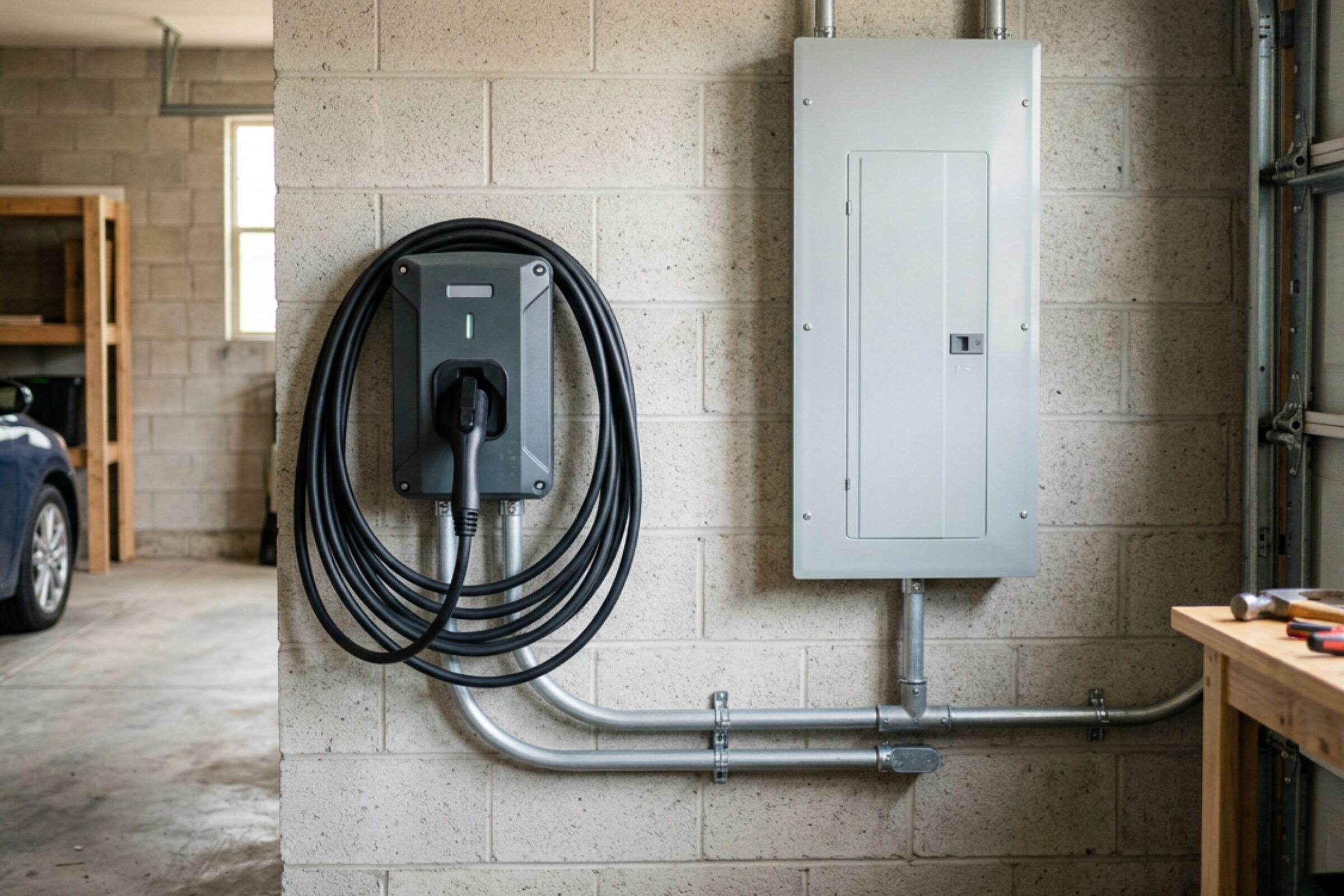
Electric vehicle charging is another area worth watching. EV charger installations can increase electrical demand significantly, especially in multi-unit residential buildings. A site may need a load study, circuit upgrades, new distribution equipment, or a long-term plan for managed charging. Installing chargers one at a time without checking the whole system is how capacity problems begin.
An FSR and operating permit may not be the answer in every case, but the electrical system should be reviewed before expansion.
The Risk of Treating Electrical Compliance as a One-Time Project
Property owners often think of electrical compliance as a renovation issue. Hire someone, obtain a permit, pass an inspection, move on. That works for many jobs, but it misses the reality of buildings that run complex equipment every day.
A completed installation permit confirms that a particular job was addressed. It does not replace ongoing maintenance.
Consider a warehouse that adds electric unit heaters over several winters. The first installation is straightforward. Then another tenant adds equipment, a new panel is installed, and a maintenance technician makes a few “temporary” changes to keep operations moving. Five years later, the building has a heavier load, incomplete panel schedules, and no current single-line diagram.
Nothing may have failed yet. But anyone trying to troubleshoot an outage or assess future capacity now has to untangle a system that should have been documented along the way.
The same issue appears in older commercial buildings. Electrical panels may have missing labels, breakers may not match the installed conductors, and old equipment may have limited fault-current ratings. A system can appear fine during a walk-through while carrying risks that only show up during maintenance or a short circuit.
An operating-permit arrangement helps keep those changes visible and managed.
What an FSR Typically Helps Manage
The exact duties depend on the permit, equipment, and governing authority, but an FSR commonly helps ensure the property has a responsible electrical maintenance process.
That process may include reviewing planned modifications, arranging appropriate permits for new work, maintaining records, and making sure electrical repairs are completed by qualified workers. It should also include a realistic inspection and maintenance schedule for equipment such as switchboards, panels, disconnects, transformers, generators, and motor-control equipment.
Good documentation is not glamorous, but it pays off. Updated panel directories, records of repairs, equipment labels, maintenance logs, and electrical drawings can save hours during an outage. They also make it easier for a new property manager or maintenance team to understand what they are inheriting.
There is a human benefit too. Maintenance staff should not have to guess which disconnect controls a piece of equipment or whether a panel has enough capacity for another load. Guessing around energized electrical gear is a bad workplace culture.
Signs Your Property Should Be Reviewed
You do not need to wait for a failed inspection or an emergency to ask whether an FSR or operating permit applies. A review is sensible when there are clues that the electrical system has outgrown its records or maintenance routine.
Pay attention if you see frequent breaker trips, recurring power surges, warm panels, buzzing equipment, damaged conduit, corrosion, flickering lights, or equipment that starts poorly. These issues do not automatically mean an operating permit is required, but they do mean the system deserves professional attention.
Other useful triggers include a property sale, a new tenancy, major renovations, machinery replacement, generator installation, an EV charging project, or a change in how a space is used. A former storage area turned into a commercial kitchen, fitness studio, workshop, or server room may place a very different load on the electrical system.
A property owner should also review the arrangement when the person previously responsible for electrical compliance leaves the company or the maintenance contract ends. Responsibility does not disappear because a familiar contact is no longer available.
How to Find Out Whether Your Building Requires One
Start with the facts, not assumptions. Gather any existing electrical permits, inspection reports, maintenance records, one-line diagrams, and equipment information. If you do not have these records, that itself is useful information.
Then take these steps:
-
Identify the authority having jurisdiction for the property. Technical Safety BC regulates many areas of the province, while some municipalities administer their own electrical permitting programs.
-
Make an inventory of the electrical equipment. Include service equipment, transformers, switchgear, distribution panels, generators, large mechanical loads, machinery, and any high-voltage equipment.
-
Ask a qualified electrical contractor or FSR to review the equipment and the property’s existing permit status. Be clear about how the building is used and any planned changes.
-
Confirm whether an operating permit is required, who will hold responsibility, and what maintenance or reporting obligations apply.
-
Put the answer in writing and keep it with the property’s electrical records. Verbal reassurance is easy to lose when management changes.
If the review identifies deficiencies, address the highest-risk issues first. Damaged equipment, improper connections, overloaded circuits, missing covers, and evidence of overheating should not wait for a broader renovation plan.
The Value of a Proactive Maintenance Plan
A proper electrical maintenance plan is less about checking boxes and more about avoiding disruption. Businesses lose money when equipment stops. Tenants get frustrated when common-area power fails. In industrial settings, an electrical fault can halt an entire line or damage expensive machinery.
Planned maintenance lets you schedule shutdowns, replace aging components before they fail, and budget for circuit upgrades or rewiring before a problem becomes urgent. It also gives you a better basis for energy-efficiency decisions. For example, an LED lighting upgrade, smart controls, or EV charging expansion should be evaluated against the building’s existing capacity rather than treated as an isolated project.
For anyone looking for a qualified contractor, it is reasonable to ask about licensing, insurance, FSR qualifications, permit experience, and emergency response procedures. You can also review a contractor’s background through resources such as the A1 Arc Electric About Us page when comparing electrical service providers in the Lower Mainland.
The Bottom Line for BC Property Owners
An Electrical Operating Permit is not required for every building, but it is a legal and safety issue that property owners should understand before assuming their electrical system is covered.
If your property contains complex electrical equipment, high-voltage systems, shared building infrastructure, industrial loads, or a history of ongoing electrical modifications, an FSR review is a practical next step. The goal is not to create more paperwork. It is to make sure someone qualified is accountable for the system that keeps the building running.
For Vancouver and Burnaby property owners, a clear permit record, current maintenance documentation, and the right electrical expertise can prevent avoidable downtime, compliance problems, and expensive repairs later.