

Many older homes in Burnaby were built for a very different electrical lifestyle. A few lights, a refrigerator, a basic range, and perhaps a small television once made up most of a household’s power use. Today, a typical home may have induction cooking, multiple computers, air conditioning, electric heat, a finished basement, and an electric vehicle waiting in the driveway.
That gap between old infrastructure and modern demand is why homeowners often start asking about a 200-amp electrical upgrade.
A larger panel can solve real capacity and safety issues, but it is not a cure-all. Some homes need a full service upgrade. Others need circuit repairs, a replacement panel with the same service size, wiring upgrades, or a carefully planned subpanel. The right answer comes from an on-site assessment and a proper load calculation, not from guessing based on the age of the house.
Here is what homeowners should understand before committing to a 200A upgrade, what the work usually involves, and what changes afterward.
Why electrical systems in older homes need a closer look
Older Burnaby homes commonly have 60A or 100A service. That was often adequate when the home was built. It may be inadequate now, particularly after renovations or changes in how the household uses energy.
A 100A panel is not automatically unsafe, and a 200A panel is not automatically necessary. The issue is whether the electrical service and branch circuits can safely handle the loads already in use, plus the loads planned for the near future.
A home may need an assessment after adding, or planning to add:
-
A Level 2 EV charger
-
Electric baseboard heat, heat pumps, or air conditioning
-
A renovated kitchen with high-demand appliances
-
A legal or unauthorized basement suite that needs review
-
A home office, workshop, sauna, hot tub, or outbuilding
-
New laundry equipment or an electric water heater
-
An induction cooktop or double wall ovens
Individually, many of these additions are manageable. Together, they can put serious pressure on an older service.
The panel itself also matters. Some older panels have limited breaker space, worn components, corrosion, poor labeling, or equipment that is obsolete. Homeowners sometimes deal with this by using extension cords, power bars, or makeshift circuit sharing. That is usually a sign that the electrical system needs attention, not another workaround.
Warning signs you should not ignore
Electrical issues do not always announce themselves dramatically. Sometimes the clues are annoying rather than alarming, such as lights dimming when a microwave starts. Still, repeated symptoms deserve investigation.
Flickering or dimming lights may result from an overloaded circuit, a loose connection, or a problem with the service equipment. A single flickering fixture could have a simple cause, but lights that dim throughout the house when a large appliance runs are worth checking.
Breakers that trip repeatedly are another common concern. A breaker is supposed to trip when it detects a fault or overload. Resetting it once after a clear overload may be reasonable. Resetting it over and over is not. The cause could be too many loads on one circuit, a damaged appliance, a short circuit, failing wiring, or a defective breaker.
A warm outlet, a burning smell, buzzing, discoloration, sparking, or a crackling sound needs immediate action. Stop using that outlet or circuit and contact licensed electricians. Heat and arcing can lead to fire. This is not a job for a video tutorial and a screwdriver.
Older wiring deserves focused attention as well. Knob-and-tube wiring, often found in much older homes, may require repair or replacement depending on its condition, modifications, insulation coverage, and insurer requirements. Aluminum branch-circuit wiring, used in many homes built in parts of the 1960s and 1970s, can be safe only when it has been properly installed and maintained. Connections and devices must be rated and installed for aluminum conductors, or an approved repair method may be needed.
For urgent problems involving smoke, heat, arcing, or a burning odor, turn off power if it can be done safely, leave the area if necessary, and seek 24/7 emergency service. Electrical fires can move faster than people expect.
A 200A panel and a 200A service are not always the same thing
This distinction matters because homeowners often use “panel upgrade” and “service upgrade” interchangeably. They can be part of the same project, but they are not identical.
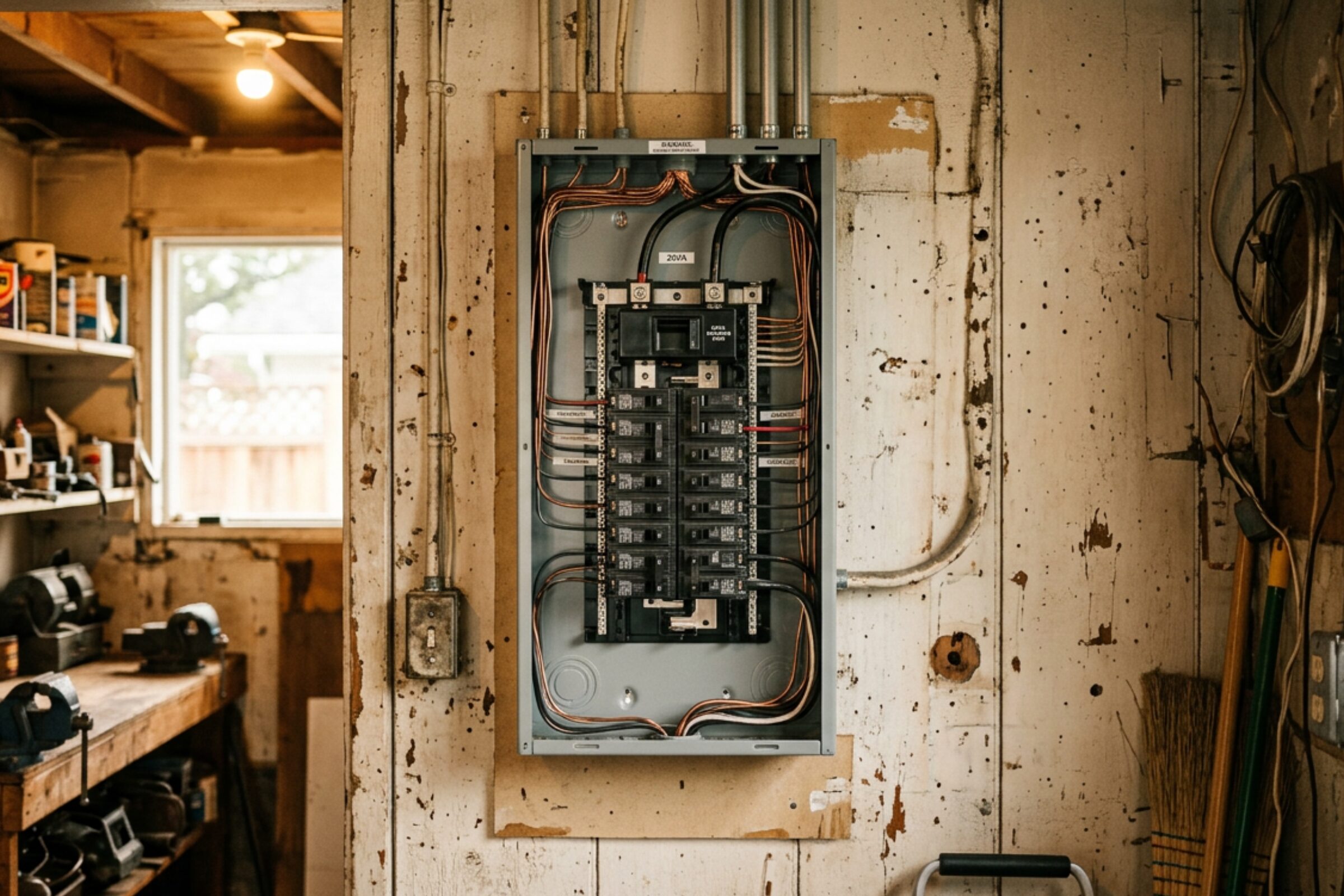
A panel replacement means replacing the distribution panel, where breakers are located. This may be done because the panel is damaged, obsolete, crowded, or poorly organized. In some cases, the replacement panel keeps the existing service capacity.
A service upgrade increases the amount of electrical power supplied to the home. Moving from 60A or 100A to 200A may involve more than changing the panel. It can include a new meter base, upgraded service entrance conductors, a new main disconnect, grounding and bonding corrections, and coordination with the utility.
That difference affects cost, scheduling, materials, and the length of the interruption. It also explains why two homes that appear similar may receive very different recommendations.
A newer 200A panel does not magically make old circuits capable of handling more power. Every branch circuit still has its own wire size, breaker rating, outlet type, and condition. A 15A lighting circuit remains a 15A circuit after a service upgrade. Safe capacity depends on the entire electrical system.
What an electrician evaluates before recommending an upgrade
A responsible assessment starts with the house as it exists today, then looks ahead. The question is not merely, “How many breaker slots are empty?” It is, “What loads does this home need to support safely?”
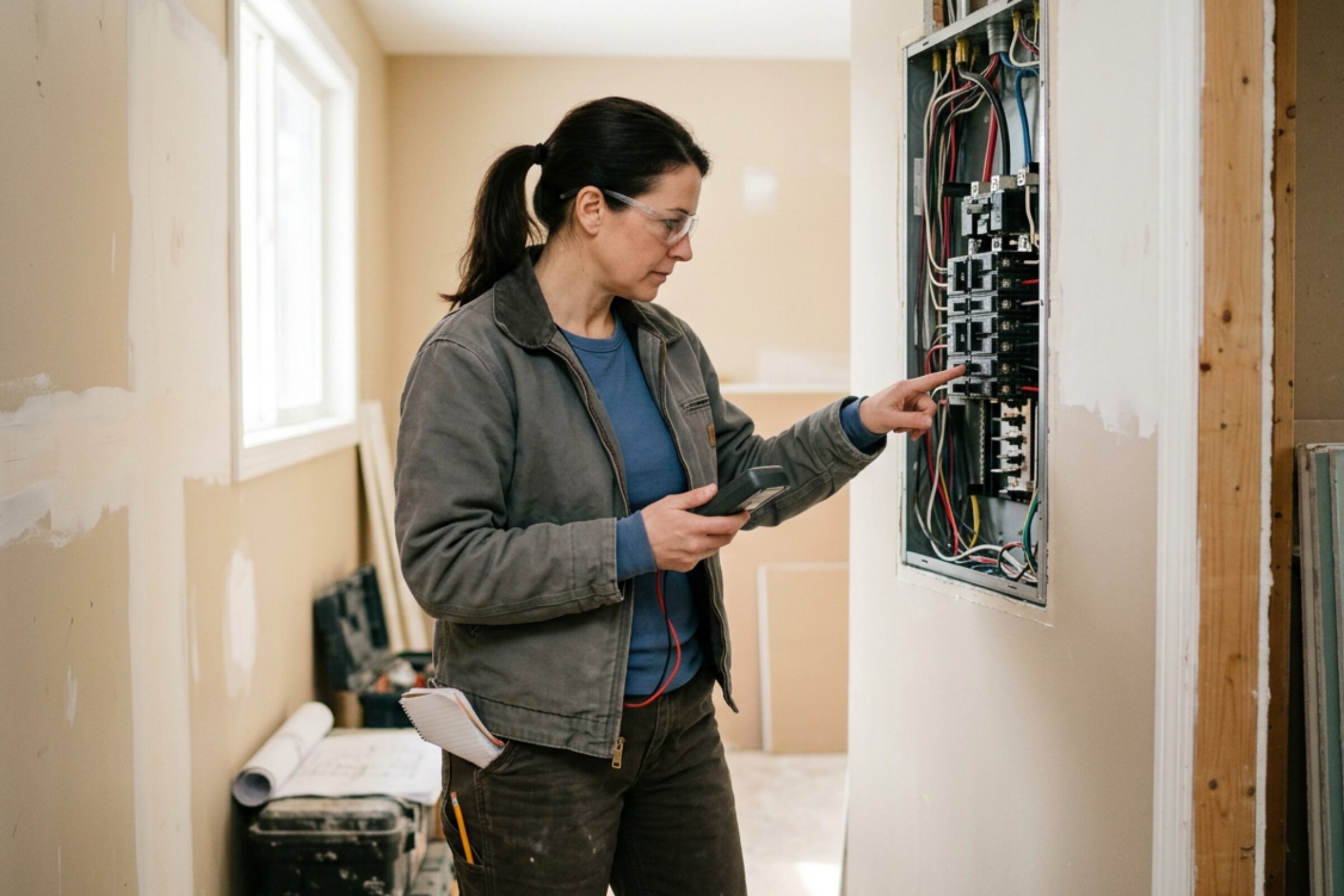
During an on-site review, an electrician may inspect the main panel, meter equipment, service conductors, grounding and bonding, visible wiring, existing circuits, and the condition of breakers and connections. They will also ask about planned renovations and major equipment.
A formal load calculation estimates the home’s electrical demand using applicable code rules. It considers fixed equipment and expected use, rather than simply adding up every breaker rating in the panel. This calculation helps determine whether the existing service has sufficient capacity and what size of upgrade makes sense.
The results may point to several possible paths:
-
Repair specific defects, rebalance circuits, or add a few dedicated circuits.
-
Replace an outdated panel while keeping the current service rating.
-
Upgrade a 60A or 100A service to 200A.
-
Add a subpanel where distribution space is the issue and the existing service capacity is sufficient.
-
Plan a larger service, such as 400A, for an unusually large home or one with extensive electric heating, multiple suites, high-demand equipment, or substantial future plans.
There is no prize for installing more capacity than the home needs. Oversizing can add expense without much practical benefit. At the same time, installing the bare minimum can feel shortsighted if a major renovation or EV charger installation is likely within a few years. Good planning finds the middle ground.
Common issues uncovered in older Burnaby houses
The panel often gets attention first because it is visible. Yet the most important problems may sit beyond it.
One frequent issue is a lack of circuit separation. A kitchen, for example, may have outlets, lighting, and appliances crowded onto circuits that no longer suit modern use. Renovated spaces need circuits that meet current requirements, including appropriate protection and dedicated circuits for certain appliances.
Another issue is improper overcurrent protection. A breaker must match the conductor size and circuit design. Replacing a frequently tripping breaker with a larger one without addressing the wire size is dangerous. The breaker is there to protect the wiring, not to eliminate inconvenience.
Some homes have circuits with mystery labels, shared neutrals that need correction, abandoned wiring, or junction boxes hidden behind finished walls. Others have panel spaces filled with tandem breakers or modifications that were never permitted. These conditions do not always mean a complete rewire is required, but they do call for a careful, methodical review.
Paperwork can also be a problem. Missing permits, incomplete inspections, and unclosed permits may surface during a renovation, insurance review, or property sale. It is far easier to resolve documentation issues before a rushed transaction.
What the 200A upgrade process usually includes
Once the scope is clear, the project moves into planning. For residential electrical work in Burnaby and the greater Vancouver area, permits and inspections should be built into the schedule. A service upgrade may also require electrical utility coordination, especially if meter equipment or incoming conductors must change.
The work may include removal of the old panel, installation of a modern 200A panel and main disconnect, replacement or extension of service conductors, and upgrades to the meter base where required. Electricians may add new breakers, install dedicated circuits, reorganize crowded circuits, correct grounding and bonding issues, and replace damaged components.
Clear labeling is a small detail with outsized value. Years after the work is complete, homeowners should be able to identify which breaker controls the kitchen receptacles, furnace, suite, garage, exterior outlets, or EV charging equipment. Labels such as “upstairs” or “plugs” are not very helpful in an emergency.
The electrical shutdown period varies with the project. A straightforward panel replacement may have a shorter interruption than a full service change involving utility work. Weather, equipment availability, inspection scheduling, and hidden conditions in older construction can affect the timeline. A written scope should explain the expected outage and any likely sources of delay.
Clean work practices matter, too. Panel work can involve access through finished spaces, and a careful crew protects floors, controls dust, and leaves the work area safe at the end of each day.
EV charger installation: the question that often starts the conversation
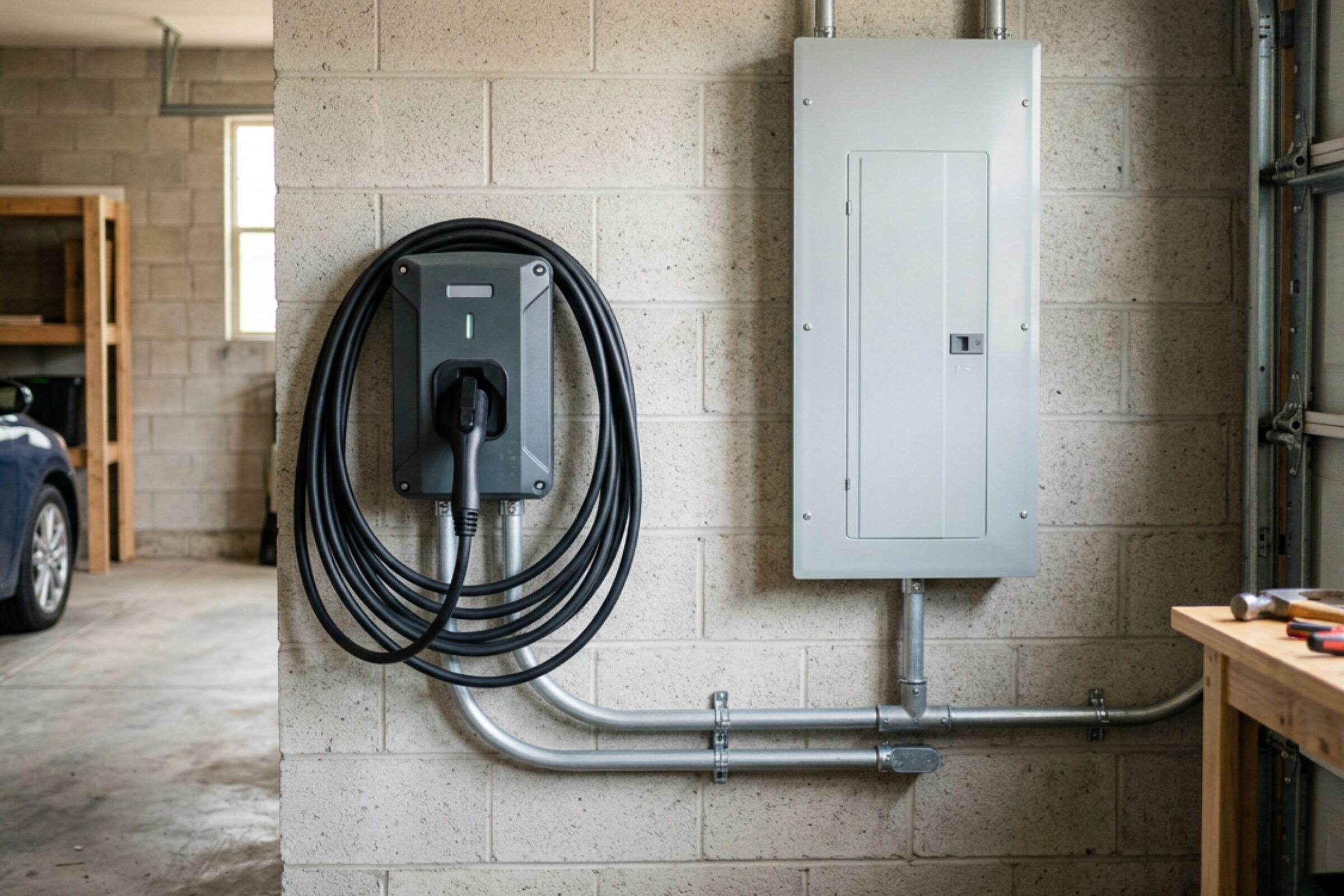
An EV charger installation is one of the most common reasons a homeowner investigates a 200A service. A Level 2 charger draws far more power than a standard household outlet, often for hours at a time. That sustained load needs a dedicated circuit and must be included in the home’s load calculation.
The outcome is not always “upgrade to 200A.” In some homes, the existing service has enough capacity for a charger at an appropriate charging rate. In others, a panel upgrade, service upgrade, or load-management device may be the sensible option.
Load management equipment can reduce or pause charging when the home’s demand reaches a set threshold. It can be useful where a service upgrade is impractical or unnecessary, though it must be selected and installed correctly.
It may also make sense to prepare for future charging during a renovation. Running conduit or a dedicated cable path to the garage can be much easier before walls are closed. That preparation gives homeowners options later, even if they do not own an EV today.
Before counting on incentives, confirm current utility, municipal, and provincial program rules. Rebate requirements can change, and eligibility may depend on equipment type, contractor documentation, permits, and proof of installation.
What improves after the work is complete
A properly planned 200A electrical service upgrade gives a home more room for modern electrical use. It can make a renovation easier, support a Level 2 charger, allow for electric heating or cooling equipment, and reduce the clutter of overloaded or improvised circuits.
It can also improve day-to-day reliability. Correcting loose connections, damaged breakers, overloaded circuits, and grounding deficiencies can reduce nuisance trips and voltage drops caused by electrical strain. Still, homeowners should keep their expectations realistic. If an appliance is failing or an old branch circuit has a separate defect, that issue may remain after the panel work and need its own repair.
Modern panels also make future work cleaner. There is usually more organized space for added circuits, surge protection where appropriate, and code-required protective devices. Electricians can work more safely when circuits are identified and accessible.
For insurance and resale, completed permits and inspection records are valuable. Some insurers ask questions about panel type, knob-and-tube wiring, aluminum wiring, and recent electrical work. Documentation does not guarantee insurance approval, since each insurer sets its own criteria, but it gives homeowners reliable evidence of what was upgraded and inspected.
Keep copies of the permit, inspection approval, panel specifications, warranty information, invoices, and any electrical drawings. Put them somewhere you can find in five years. Future renovations have a way of arriving sooner than expected.
Choosing the right scope, not the biggest scope
Electrical services should start with diagnosis, not sales pressure. A qualified electrician should explain what they found, why it matters, and what options are available. Ask for a written scope of work that identifies the panel or service rating, permit responsibilities, expected shutdown, materials, timeline, and pricing.
For homes with legacy wiring, ask whether the 200A upgrade can proceed independently or whether wiring upgrades should be completed first. In some situations, panel work is part of a larger phased plan. That is often more realistic than attempting a full modernization at once.
The same planning discipline applies beyond residential electrical projects. Commercial electrical and industrial electrical work use different equipment and load calculations, but the core questions remain familiar: What is connected, what is planned, what condition is the equipment in, and does the system safely support the demand?
For an older Burnaby home, a 200A upgrade is often less about chasing a number and more about making the electrical system fit the way people actually live now. When the assessment is thorough, permits are handled properly, and the work is inspected, the result is a safer, more useful system with room to grow.