


Electrical work has a way of looking simpler than it is. A homeowner may think, “We are just upgrading the panel,” or “It is only an EV charger installation.” Yet even a relatively contained project can involve a municipal permit, utility coordination, a scheduled power outage, installation work, and an inspection before the job is truly finished.
For single-family homes and duplexes in Burnaby, planning the timeline matters as much as choosing fixtures or equipment. A permit is an early step, not a finish line. The actual completion date depends on several people and schedules, including the property owner, licensed electricians, the utility, the City of Burnaby, and sometimes tenants or other occupants.
Here is how the residential electrical permit process generally fits together, what can slow it down, and how to plan with fewer unpleasant surprises.
When a Burnaby Electrical Permit Is Required
Burnaby requires an electrical permit application for electrical installations and covered electrical work in single-family and duplex dwellings. This applies to more than a major renovation or a full service upgrade.
Common work that may require a permit includes:
-
New electrical installations
-
Electrical alterations, additions, and wiring upgrades
-
Temporary saw service for construction
-
Underground electrical work
-
Low-voltage installations
-
Electrical equipment associated with a renovation or new build
An electrical permit helps the municipality confirm that the proposed work will meet the applicable electrical requirements. It also creates a record of the work and allows for any required inspection.
That matters long after construction wraps up. Proper permits and inspections can help homeowners document upgrades during a sale, support insurance discussions, and avoid having to open walls or redo work after the fact. More importantly, the system is built around safety. Electrical failures do not always announce themselves immediately. An overloaded connection or improperly installed equipment may sit unnoticed until heat, moisture, or a heavy load exposes the problem.
For projects involving residential electrical changes, the safest assumption is that permit requirements should be checked before work starts, not after materials have been purchased and dates have been promised.
The Timeline Begins With a Complete Application
A permit application is usually the first administrative milestone. Applications can be submitted through the municipality’s online permit portal, and applicable forms may also be available for download.
The application itself is not busywork. It gives the municipality enough information to understand the scope of work. Depending on the project, supporting details may be needed about the service, equipment, wiring, or installation method.
A complete application makes the process smoother. An incomplete one can stop the timeline early.
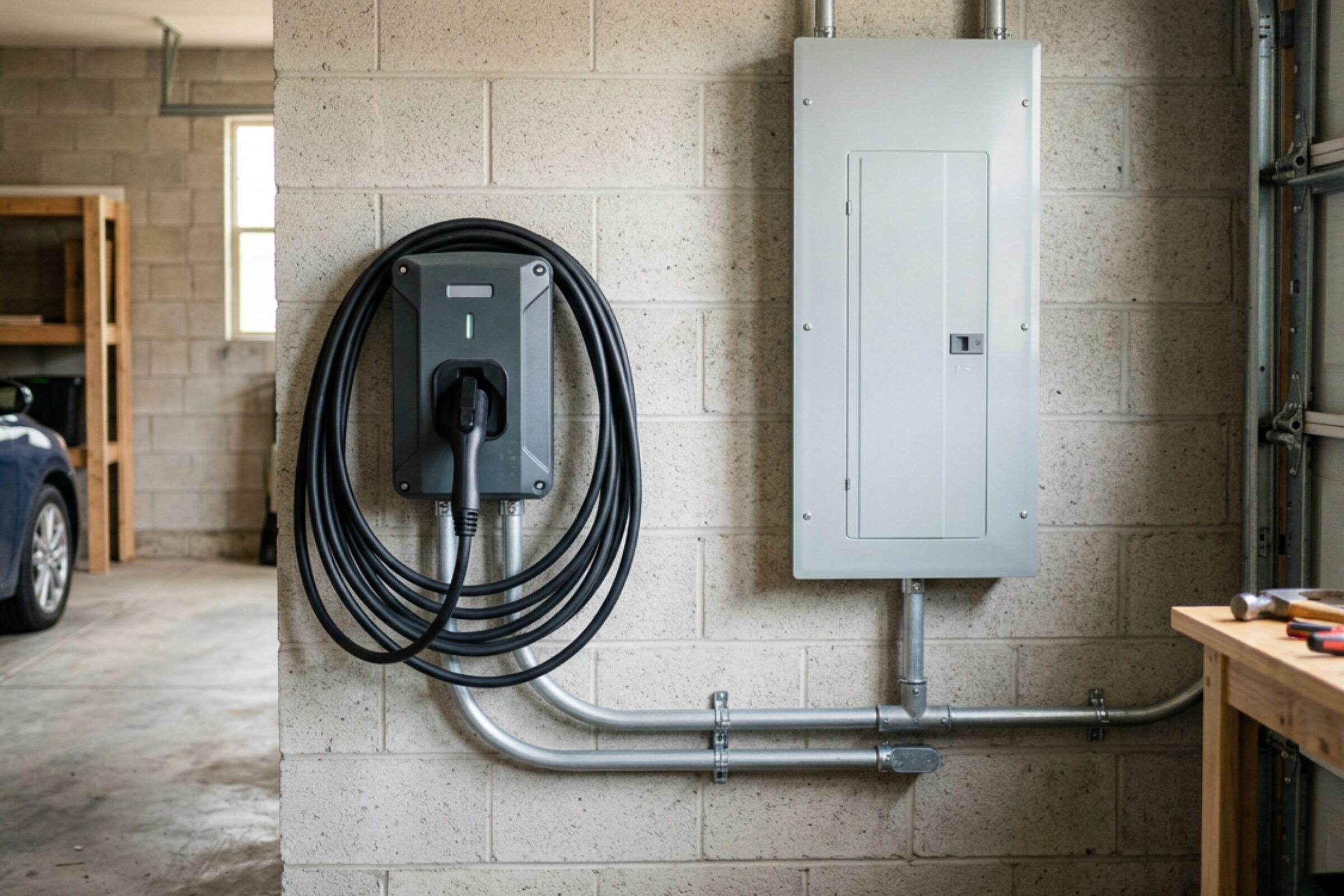
For example, a homeowner planning an EV charger installation may see the project as a straightforward equipment install. But the existing electrical panel might have limited capacity, the charging equipment may require a new dedicated circuit, or a service upgrade may be needed. Those details affect the permit scope and may affect the utility’s involvement too.
Before applying, it helps to have a clear answer to a few practical questions:
-
What electrical work is actually planned?
-
Is the work connected to a larger renovation?
-
Will the main service, meter area, panel, or feeder wiring change?
-
Is a utility disconnect or reconnection likely?
-
Are there tenants, family members working from home, or medical equipment users who need notice of a power interruption?
This kind of preparation does not eliminate every delay. Construction rarely behaves that politely. It does reduce the chance of discovering a major scheduling issue halfway through the job.
Permit Approval Does Not Set the Construction Date
One common misunderstanding is that an approved permit establishes the date when work will begin or power will be turned off. It does not.
Permit approval and utility coordination are separate processes. A permit allows covered work to proceed in accordance with municipal requirements. It does not reserve an outage slot with the electrical utility, confirm electrician availability, or guarantee when an inspection can occur.
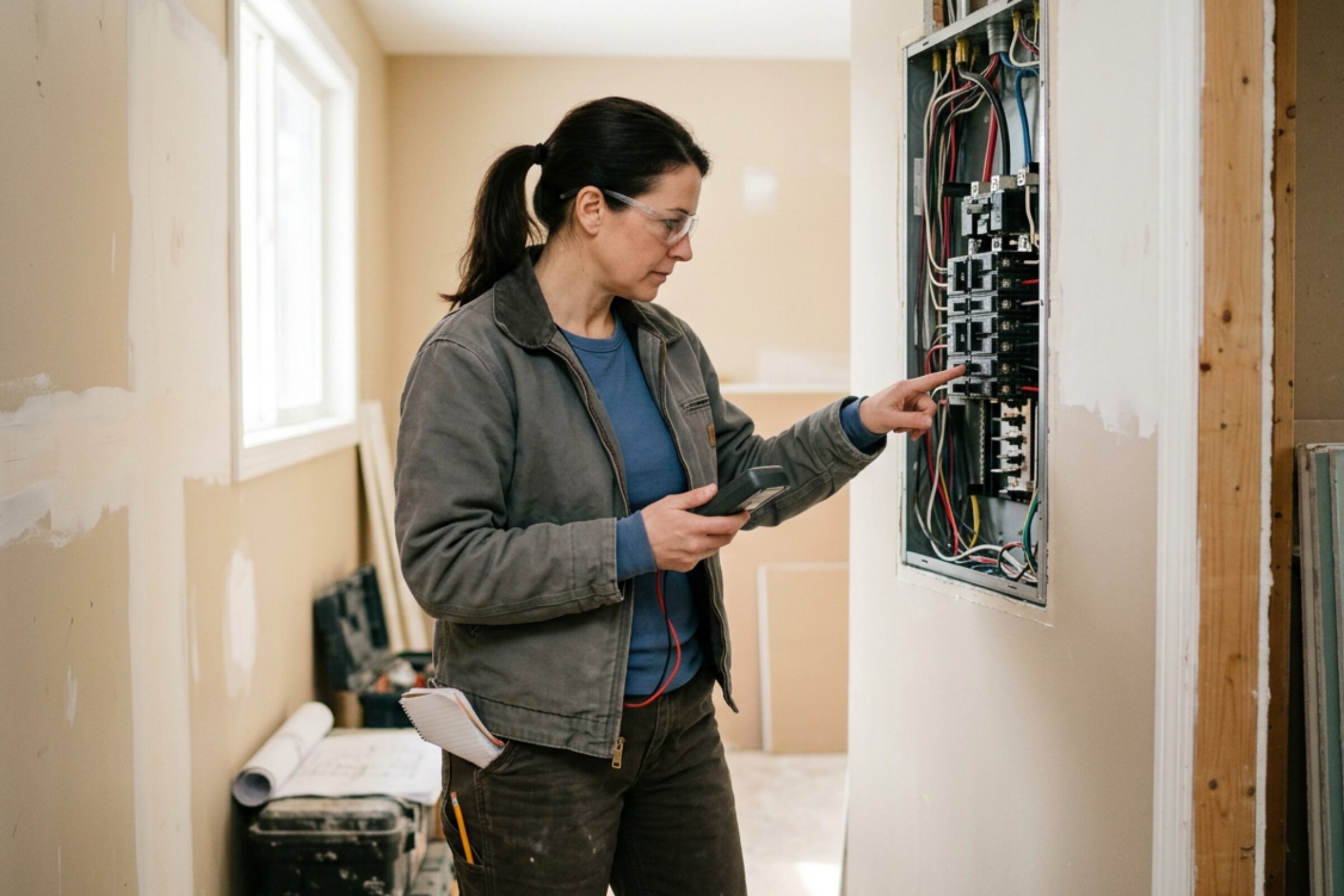
This distinction becomes especially important when a project affects the electrical service. Panel replacements, service upgrades, meter-related work, and some EV charger installation projects may involve a planned interruption of power. In those cases, the project schedule needs to account for more than the permit.
A realistic schedule may depend on:
-
Permit application review and approval
-
Availability of the electrical contractor
-
Utility requirements and scheduling
-
Approval of a power outage window
-
Occupant notice and building access
-
Installation duration
-
Municipal inspection availability
-
Any corrections identified during inspection
These steps sometimes overlap, but they should not be treated as automatic. A project can have an approved permit and still be waiting for a utility appointment. Or the electrical work may be done, but the final inspection and permit closeout remain outstanding.
Why Utility Coordination Can Take Time
The utility manages the electrical supply that reaches the property. When work affects that supply, a qualified electrician may need to coordinate service-related details separately from the municipal permit process.
This can arise during electrical services such as:
-
Main service or panel upgrades
-
Changes to service equipment
-
New or modified meter configurations
-
Underground service work
-
Larger electrical loads
-
EV charger installation where the existing service cannot support the added demand
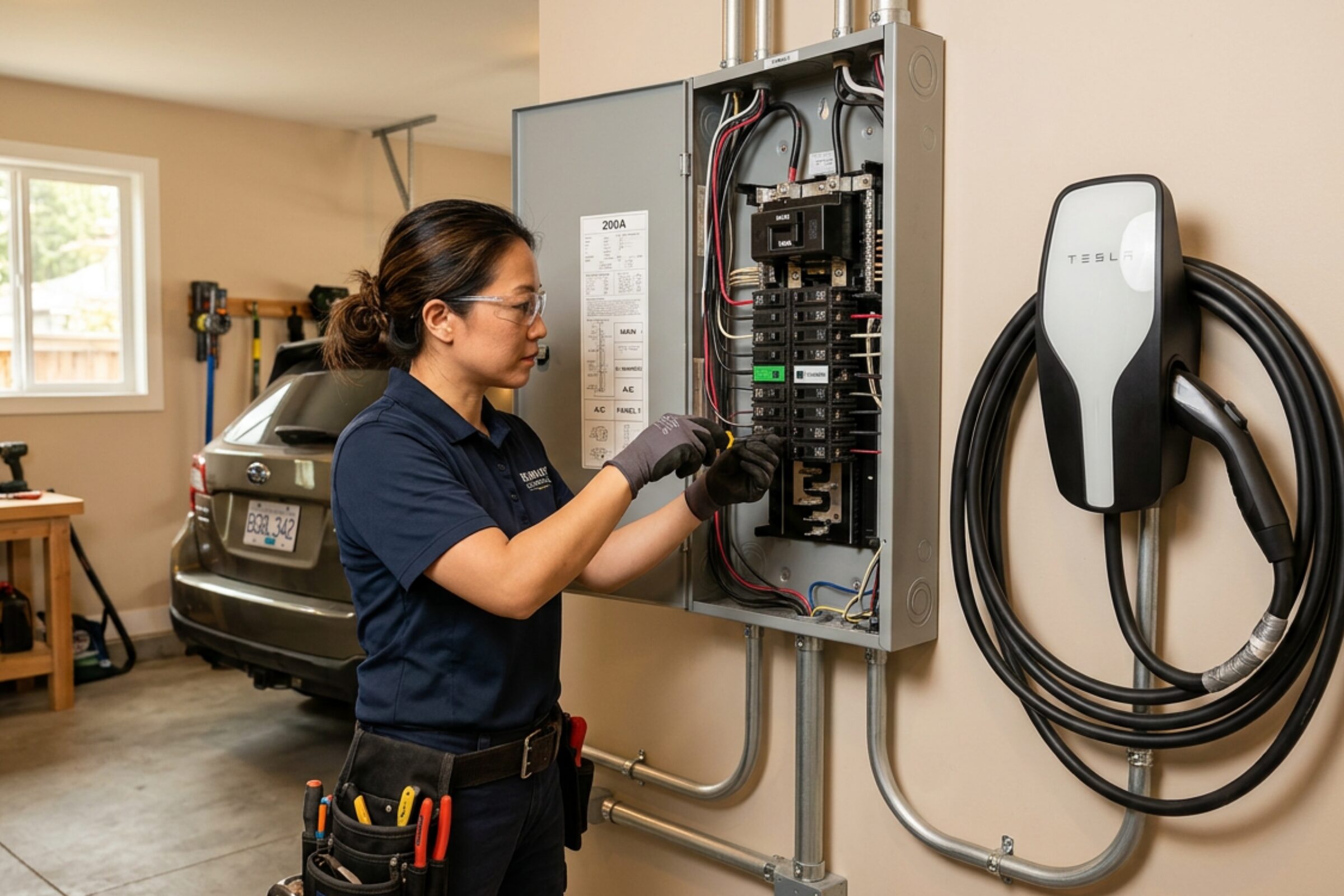
For homeowners, the visible part of the job may be the new panel or charger on the wall. The invisible part is the planning around it. The utility may need information about the proposed installation, and a scheduled outage may be necessary so the electrician can complete work safely.
An outage is not something to squeeze into a convenient afternoon without preparation. Homes depend on electricity for refrigeration, internet access, heating controls, cooking, security systems, garage doors, and medical devices. A family may also have remote-work obligations, young children at home, or tenants who need meaningful notice.
If a project needs an outage, ask early how long the interruption may last and what needs to be shut down or protected beforehand. Actual timing can change if conditions at the site are different than expected, so it is wise to build a little room into the day.
The Installation Phase: Where Site Conditions Matter
Once permit-related steps and required coordination are in place, the installation work can begin. This is where plans meet the actual building.
Older homes in Burnaby can contain surprises behind walls and around service equipment. An electrician may find deteriorated wiring, limited panel space, inaccessible routes for new cable, earlier work that does not meet current requirements, or physical conditions that were not visible during an initial walkthrough.
That does not automatically mean the project has gone wrong. It means the electrician has found information that needs to be addressed before the work can be completed safely.
Consider a homeowner who wants a Level 2 EV charger in the garage. The charger may need a dedicated circuit, appropriate overcurrent protection, and a safe route for wiring. If the panel has no available capacity, the scope can expand. If the cable route crosses finished spaces, access and repair work may need to be planned. If the garage is detached, trenching or underground electrical work may be part of the job.
The better approach is to treat the initial plan as a starting point, especially in an older house. Allow time for the electrician to assess what is actually present and explain any necessary changes.
Inspection Is Part of Completion, Not a Formality
For work requiring municipal inspection, the project is not fully complete when the last device plate is installed or the panel door is closed. Inspection is a required step in confirming compliance.
Inspection schedules can affect the overall timeline. If an inspector identifies deficiencies, they need to be corrected and may require a follow-up inspection before the permit can be closed.
The word “deficiency” can sound alarming, but many corrections are practical items. They might involve labeling, clearances, grounding and bonding details, equipment installation, cable protection, or another code-related requirement. The point is to resolve the issue properly, not to rush around it.
Homeowners can help this stage go more smoothly by ensuring the electrician has access to the relevant areas and that equipment is not blocked by storage, vehicles, or locked rooms. If a panel, disconnect, crawlspace, or exterior equipment is inaccessible on inspection day, the appointment may need to be rescheduled.
A passed inspection gives everyone more certainty that the work has met the required standard. It is worth waiting for.
Common Reasons Electrical Projects Run Longer Than Expected
Most delays come from coordination, incomplete information, or conditions discovered after work begins. They are not always avoidable, but they are easier to manage when everyone expects them.
Incomplete permit information
Missing details or inaccurate application information can prompt follow-up questions during review. That may delay approval and push back the planned construction start.
Utility requirements
Service changes and equipment upgrades may need separate review or scheduling with the utility. Municipal approval does not replace that process.
Limited outage availability
The utility, electrician, homeowners, tenants, and sometimes building operations all need to be available at compatible times. Finding that window can take longer than expected.
Inspection scheduling
An inspection appointment has to fit within the work sequence. If corrections are needed, the project may require another visit before closeout.
Unforeseen site conditions
Hidden junction boxes, damaged wiring, undersized equipment, water intrusion, or inaccessible wiring routes can change the work scope. This is particularly common with wiring upgrades in older homes.
Communication gaps
A missed message can create an outsized delay. If occupants do not know about an outage, if a tenant cannot provide access, or if the electrician does not receive updated utility information, the schedule can unravel quickly.
How Homeowners Can Plan a More Reliable Timeline
You do not need to manage the permit process alone, but homeowners should stay involved in the schedule. A few habits make a real difference.
First, start planning before a deadline becomes urgent. If you need power for a new appliance, a renovation inspection, or an electric vehicle delivery, do not assume the electrical work can happen the week before.
Second, provide accurate information about the home and the proposed work. Mention any existing issues, previous renovations, detached structures, secondary suites, or upcoming construction that could affect the electrical scope.
Third, ask whether the work requires a service interruption and who will coordinate it. Make sure everyone affected by the outage receives reasonable notice. Tenants deserve clear communication, especially when power loss affects heating, food storage, remote work, or accessibility needs.
Fourth, plan the wider renovation sequence carefully. Electrical work often overlaps with drywall, cabinetry, plumbing, heating, and finishing work. If walls are closed before required wiring is inspected, reopening them may become necessary. Broader projects may also require separate permits for plumbing, gas, heating and cooling systems, or fire sprinklers.
For gas work, Burnaby identifies a separate permit category, while installations above 409,000 BTU are directed to the provincial safety authority. The lesson is simple: a renovation with several trades rarely has one single permit timeline.
Finally, work with licensed electricians who understand local permit, inspection, and utility coordination requirements. The cheapest estimate can become expensive if the scope has been misunderstood or required steps were skipped.
Where to Confirm Current Burnaby Requirements
Municipal rules, forms, fees, and technical requirements can change. Before beginning residential electrical work, review the City of Burnaby’s current permit information, electrical bylaw, and electrical connection regulation bylaw.
The municipality’s building permits department can answer permit-related questions at 604-294-7130. Its permit resources include the online application portal, forms, fee information, bylaws, and related bulletins.
For projects across the Greater Vancouver Area and Lower Mainland, the same broader principle applies: permits, utility scheduling, installation, and inspection each have their own place in the timeline. Treating them as one simple appointment is where frustration begins.
A well-planned electrical project leaves room for approvals, access, outages, inspection, and the occasional surprise inside an old wall. That is not wasted time. It is how residential electrical work gets completed safely and properly.